

Taking Medication and Drugs 101: Your Essential Guide

Key Highlights
- Medications come in two forms: prescription drugs and over-the-counter options, each tailored to specific health problems.
- Reading labels and following dosage instructions are critical to ensure your medication’s effectiveness and reduce risks.
- Side effects like nausea, drowsiness, or organ damage can arise, emphasizing the need for healthcare provider guidance.
- Proper storage and timely disposal of expired medications keep them safe and effective.
- Creating and adhering to a medication schedule improves health management and enhances the quality of life.
- Comprehensive medication tracking helps manage prescriptions and avoids dangerous interactions.
Introduction
Medications help many people deal with health problems. They let us get back to feeling well and make life more comfortable. Whether you use prescription drugs or buy something over the counter, these drugs keep today’s healthcare working and make it easy for people to get help. But to get better, you need to know how to use your medication the right way. Skipping doses or not using drugs as you should can cause harm or delay recovery. It’s always best to talk with your healthcare provider first. This guide will show you what to do and what not to do so you can take your medicine in a safe way.
Taking medication and drugs 101
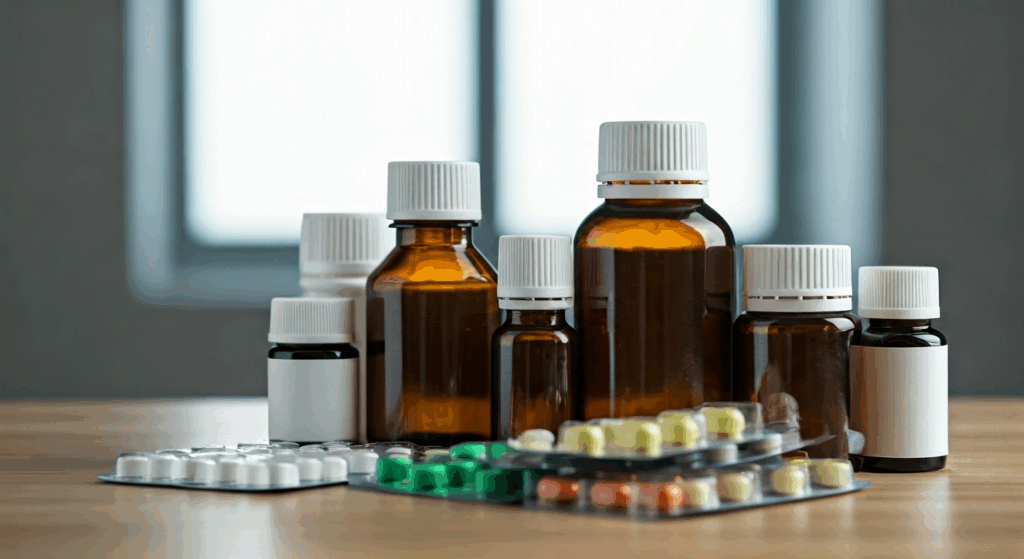
Medications do more than just treat a problem when it comes up. They can also stop some diseases before they start and help improve your quality of life. When you take these drugs the way your healthcare provider says, such as using the correct dosage, it can help stop organ damage or other big problems later.
Prescription vs. Over-the-Counter Medications
Prescription drugs are different from over-the-counter (OTC) medications in how people use them and get them. You need a healthcare provider’s approval to get prescription drugs like antibiotics or pain relievers. These drugs are used for certain health conditions. A pharmacist gives them to you once you have a detailed prescription from your healthcare provider.
On the other hand, OTC medications are easy to get at the drugstore. You do not need a prescription. These are things like ibuprofen or cold medicine made for common problems. While these are easy to use, they can sometimes cause side effects when mixed with prescription drugs.
It is important to talk to a pharmacist or healthcare provider before you use more than one type of medicine. Their advice will help keep you safe from side effects and make sure your medications help your health without any harm.
Common Types of Medications and Their Uses
Different medications are used to help with many health problems. Antibiotics work to fight bacteria and help with infections. Antihypertensives are good for managing high blood pressure and can stop organ damage. Pain relievers help with temporary pain and help you feel better overall.
Below is a helpful overview:
| Category | Purpose |
|---|---|
| Antibiotics | Kill bacteria, help fix infections |
| Pain Relievers | Block pain signals, give comfort |
| Antihypertensives | Relax blood vessels, lower high blood pressure |
| Dietary Supplements | Give nutrients missing from your food |
These types of medications are made to help with health conditions. But, if you use them wrong, it can cause serious problems. Some of these problems include organ damage. Always take your medicine as your doctor tells you. This helps you get the most good and cuts down the risk.
Safety First: What to Know Before Taking Any Medication

You should also follow best practices to help your medication work well. This includes talking to a healthcare provider before you take something new, keeping your medicine stored in the right way, and taking the correct dosage. Doing these things can lower your risks and help make your quality of life better. It is always good to use these steps when it comes to healthcare and prescription medication.
Reading Labels and Instructions
Reading the information on medication labels helps you know about things like the right dosage and possible side effects. The instructions will usually tell you if you need to take the medicine with food or if you should take it on an empty stomach. This advice is there to help you not get nausea or other things that can go wrong.
Most labels explain these key points:
- The right dosage, so you do not make mistakes.
- How to store your medicine, which keeps it working as it should.
- Warnings, so you know about possible drug interactions your pharmacist may talk about with you.
- Information from the maker about what the medicine may or may not do.
If you have a question about what something means on the label, talk to your pharmacist at the drugstore. Their job is to give you all the facts you need. Take this step, and you will not have as many misunderstandings. This helps you use any medicine in a good, safe way.
Recognizing Potential Side Effects and Interactions
Side effects can be different for people. They can sometimes be small, like drowsiness or nausea. Other times, they might be more serious, such as organ damage. It helps to spot these reactions early so you can get help. Some side effects may be normal, but others could be caused by how your drugs mix.
You should contact your healthcare team right away if you have bad side effects. Keeping your doctor up to date helps them see if your treatment needs to change. It is important not to take drug combinations your doctor has not said are safe, as this can cause more problems.
If you have health problems or take many kinds of medicine, it is good to talk with your pharmacist or healthcare provider often. This helps you understand what to do and can make your life easier when dealing with medicine.
Beginner’s Guide: How to Start Taking Medication Safely
Starting a new medication can be a lot to take in. But when you follow what your healthcare provider says, it helps keep things safe and works better for you. Your healthcare provider can tell you the right amount to take for your health problems. They will also explain how this medication can help make your quality of life better.
Keeping track of how you do on your medication is important. It lets you and your healthcare provider see if you have any side effects or need any changes for better results. When you listen to what the healthcare experts say, you get the best out of your treatment and lower the risks for you. This way, your treatment fits your needs and you can just focus on getting better.
What You’ll Need to Get Started (Prescriptions, Supplies, Information)
Starting your path to better medication management means you will need a few important things. You need prescriptions, some supplies, and real information the most. A healthcare provider will be the one to give you a prescription. This prescription will tell you the right dosage to take, how often you should take it, and it is for your heaIth conditions, like high blood pressure.
You will also need supplies. For example, pill organizers be useful. They can help you stick to best practices every day.
Getting good information is key too. You can learn from pharmacists, or you can read a blog that is easy to trust. These helpful sources can make it easier for you to deal with side effects, and this will help you have a better quality of life.
Step-by-Step: Taking Medication the Right Way
Correct medication practices begin when you follow instructions. Prescription drugs need to be taken the way your healthcare provider says, including the right dosage and at the right times. If you want to change this, talk to your healthcare provider before you do anything different.
Use pill trackers to sort your medication every day. This helps people stay on schedule and also stops overlapping doses that could cause problems. Meeting regularly with your healthcare provider helps you make your medicine routine better and get good results.
Step 1: Confirm Your Prescription and Dosage
When you go to your pharmacist, make sure you check your prescription closely. The pharmacist will look at the details to confirm you have the right dosage and the correct instructions.
Double-check all of the healthcare provider’s information with what is on your filled prescription. Even a small mistake with the drug name or dosage can cause problems. If you see anything that does not look right, talk to your pharmacist at once.
Prescriptions are the main part of safe healthcare. They help stop bad reactions that can happen if people take medicine without guidance.
Step 2: Set Up a Medication Schedule
A set plan helps you stick to it and keeps things clear. You can make routines easier by sorting your medicines into slots for each day with organizers.
| Medication | Frequency |
|---|---|
| Antihypertensive | Morning and Evening |
| Antibiotics | Every 8 Hours |
Use reminders on your phone, on other devices, or written notes so you do not miss any doses. Missing a dose can get in the way of better quality of life and may affect your health conditions, especially when taking antibiotics. Change your schedule as needed. Always do this after talking to an expert.
Step 3: Take Medication as Directed
Taking your prescription medication the right way helps it work well. The healthcare provider gives you detailed instructions on how to use it. This can be about when to take the medicine and if you should take it with food.
If you do not follow these directions, your health problems might get worse. The medicine may also not work as it should. If you have any questions about how to take it, talk to the healthcare provider who first gave you the medicine right away.
Following the provider’s advice closely helps you get the results you need. This way, you lower the chance of risks and make the most of your healthcare.
Step 4: Track Progress and Watch for Side Effects
Keeping track of your medication and how you feel each day helps you spot side effects early. Look for things like changes in nausea, feeling sleepy, or if your symptoms get worse.
If you notice anything unusual, the best thing to do is talk to your healthcare provider. If you feel extreme discomfort or have signs of organ damage, you should get help quickly to stop any long-term problems.
Watching your progress lets you see what changes are useful. This can help your doctor adjust your dose for better results. This habit helps you stay healthy and keeps your medication use safe.
Conclusion
Taking medicine the right way is important for your health and well-being. You need to know the difference between prescription and over-the-counter medications. Always read the labels with care so you see the risks and side effects. This helps you make good choices about your treatment.
Try to follow a simple plan. Check your prescriptions. Set a schedule for taking your medicine. This can help you stay on track and make the medicine work better. Make sure to keep up with your progress and notice if there are any changes in your health. This makes it easier to handle your treatment in the best way.
If you want to know more or need help that fits you, reach out and book a free consultation with a healthcare expert. Your health is important, so it’s worth the time and attention.
Frequently Asked Questions
What should I do if I miss a dose?
If you miss a dose of your prescription medication, it is best to talk to your healthcare provider or your pharmacist. They will tell you the best practices to get back on your medicine safely. Do not double up on your dosage unless your healthcare provider says you should. Taking two doses could lead to bad side effects or make some health conditions worse. It’s always smart to get advice from someone in healthcare when it comes to your prescription medication.
Is it safe to take medication with food or drinks?
Some prescription drugs need you to eat food with them to help stop nausea. Others work better if you take them when your stomach is empty. It is important to read the instructions or ask your pharmacist for advice. This helps you avoid side effects and makes sure the prescription drugs work the way they should.
How do I properly store my medications?
Keep your medications in a cool, dry spot away from light. This helps keep them working well. If you are not sure about where to put your medicine, check the label from the drugstore or talk with your pharmacist. They can give you the right safety tips for your dosage. If you keep medicine the wrong way, it might not work and could cause health problems.
When should I contact my doctor about medication issues?
If you keep having side effects, or if you notice risks of organ damage or your health conditions get worse, get in touch with your healthcare provider right away. Taking action on time helps keep your quality of life good and makes sure your medication keeps working well. Your healthcare provider is there to help you with your health and anything that might come up while you use your medicine.
https://www.youtube.com/channel/UCxOxSaSZt89eATNwtKcbjlA
https://www.ncbi.nlm.nih.gov/pmc/articles/PMC2957754
https://www.fda.gov/consumers/consumer-updates/where-and-how-dispose-unused-medicines