
Preparing for Floods: Best Aid Kit for a Flood Natural Disaster
- A flood-specific preparedness kit is crucial for survival, addressing unique needs related to flooding scenarios such as power outages and contaminated water.
- Flooding remains one of the deadliest natural disasters in the United States, emphasizing the need for emergency kits.
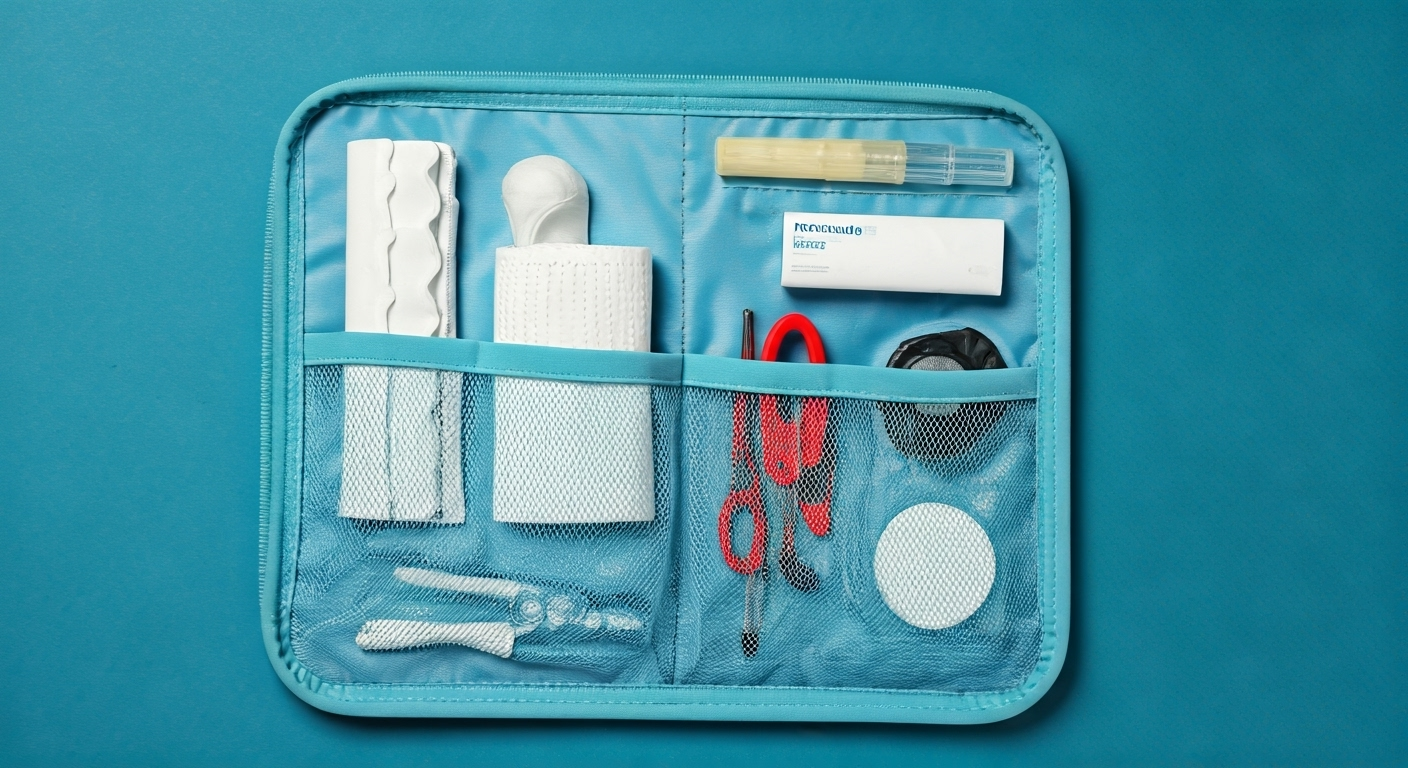
- Include essentials like a first aid kit, water, food, sanitation supplies, and important documents.
- Regular maintenance of your kit ensures its usefulness in emergencies by replacing expired supplies and updating items as needed.
- Storing the kit in a waterproof container and keeping it accessible is vital for quick response.
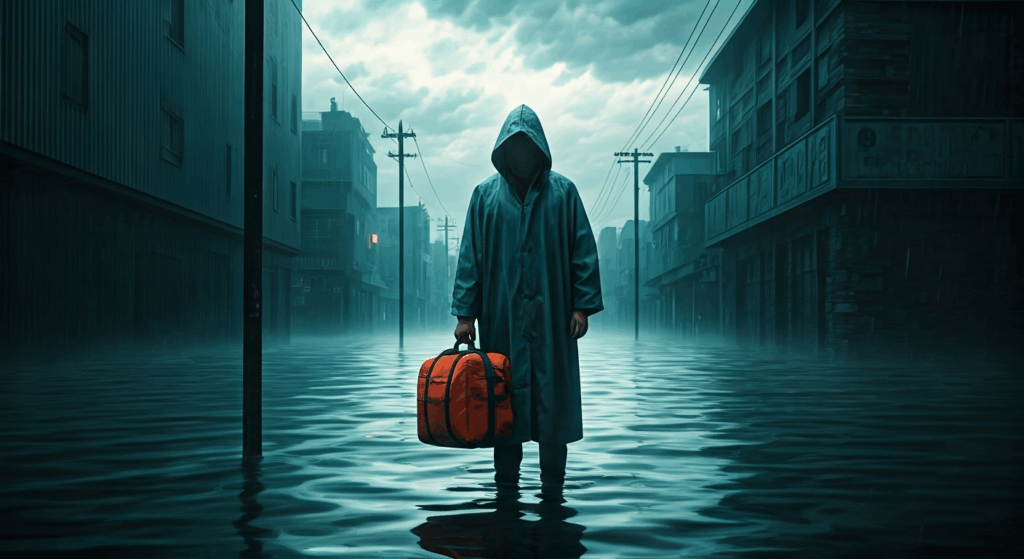
Flooding is always a real risk in the U.S., so emergency preparedness is more important now than ever. If you do not have a plan or supplies ready, a disaster can be much worse. The right disaster preparedness plan can help save lives, especially with a flood in mind. You need more than just random items. You must build a preparedness kit that fits your unique needs and helps you in a flooding situation. If you have the right preparedness plan, you can handle anything that happens.
Understanding Flood Risks in the United States
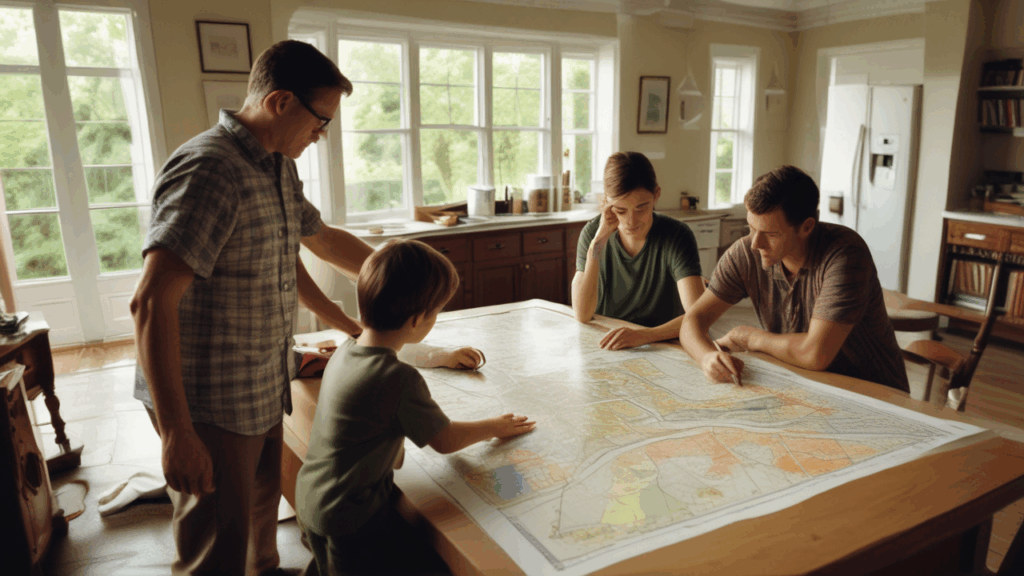
The National Oceanic and Atmospheric Administration (NOAA) says that flooding kills more people each year than tornadoes or hurricanes. This fact shows that it is good to take steps and be ready for floods. Knowing about these risks is the first thing you need to do if you want to make a strong plan to deal with flooding.
Common Causes of Flooding
Flooding can happen because of many things. It gets worse when natural and human causes mix together. Most floods are caused by severe weather like hurricanes and heavy rain. These storms bring so much water that rivers and streams cannot hold it, so it spills out to the area around them. Having a weather radio is a good way to get updates and keep track of these weather risks right when they happen.
Another big reason for flooding is quick snow melting, especially in cold areas. When the weather gets warm fast, the snow that built up during winter melts all at once. This fast change gives drains too much water to handle at one time. The U.S. Geological Survey and NOAA watch for these changes, so they can warn people in places where flooding might happen.
New buildings and streets make flooding worse. Things like concrete and asphalt do not soak up water the way dirt does. Rain runs off these hard surfaces and leads to more water during storms. This can bring flooding to cities in a short time. NOAA keeps watching and sharing information about weather and water, but it is important for people to focus on their own preparedness to stay safe.
Some places in the United States get floods more often than others. People who live in these areas need to focus on disaster preparedness and emergency preparedness. If you are in a coastal region, you may get strong storm surges with hurricanes. For those inland, you could have big floods after lots of rain or when rivers get too full.
The National Oceanic and Atmospheric Administration checks different places in the country to find out which areas have the most flooding. These flood-prone spots need everyone to take more action so they can stay safe. Here is a quick look at a few of those regions and what makes them at risk:
| Region | Vulnerability Factors |
|---|---|
| Gulf Coast States | Frequent hurricanes and storm surges |
| Midwest | Heavy rains and overflowing rivers (Mississippi Basin) |
| Eastern Seaboard | Hurricanes and rising sea levels |
| Pacific Northwest | River flooding during prolonged rainfall events |
Each area has its own special risks. That is why it is so important to have a preparedness plan for your home and city. Make sure you know what you will do before, during, and after a flood in your area. This can help protect you, your family, and your things from the harm that flooding can bring.
Why a Flood-Specific Aid Kit Is Essential
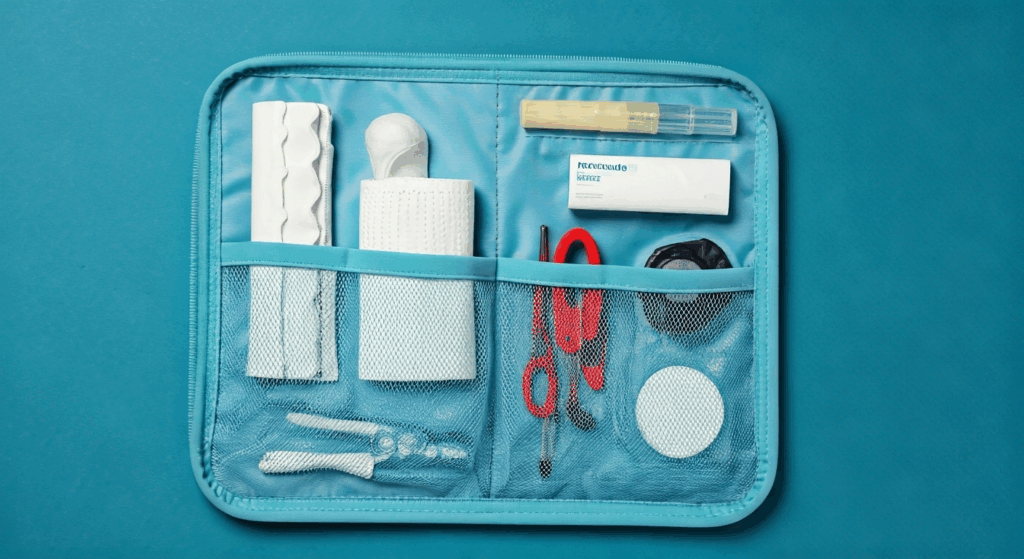
A flood-specific preparedness kit helps you get ready for your personal needs during power outages or if you need to leave your home. If you have the right preparedness kit, you do not have to depend on local help that might not be there. You and your family can get through the early stages of a flood and start to recover faster.
Differences Between Flood Kits and General Disaster Kits
While all preparedness kits help keep you safe, flood supply kits are not the same as general disaster kits. Flood kits focus on problems that happen during flooding, like not having clean water or not being able to keep things dry.
Flood kits use waterproof containers to make sure valuables and first aid supplies stay safe and dry. These kits may come with water filters or bleach, because there can be trouble finding safe water when there is a flood. General kits usually do not pay as much attention to water storage.
You may also see more protective clothing, like sturdy shoes and waterproof gear, in flood kits. These are important when you have to move through floodwater. Tools you might find in a flood kit include a whistle, a NOAA weather radio, and a multi-tool. These items help when there is a unique or new problem during flooding. By picking the right gear for your flood kit, your emergency preparedness works well for what can happen in a flood.
How the Right Kit Can Save Lives
During emergencies, having the right supplies can help save lives. A survival kit made for floods helps you meet immediate needs. You can use it to get first aid and safe water.
In the event of an emergency, a survival kit with medical supplies is needed. When there is flooding, people get hurt by debris in the water. These injuries need quick first aid so that infection does not start.
These emergency kits can also help you and your family until help comes. Flooding can break your way to use phones or get updates. That is why a NOAA battery-powered emergency kit is important. It helps you get news and stay prepared as you wait for help. When you use the right emergency kit, you do your best to keep your loved ones safe during hard times.
Must-Have Items for Your Flood Aid Kit
Your flood preparedness kit needs to cover basic needs for at least three days. Start with a first aid kit, plus basic supplies like clean water and food that will not spoil.
You should also add important documents such as your insurance policies and ID cards. Keep these in a waterproof container to protect them. Change or add things to your preparedness kit to fit your specific needs. For example, if you or your family members need prescription medications, make sure to pack them. If you have infants or other family members with special needs, include what they might need, too. This helps you be ready for anything that could happen during a flood.
Emergency Food, Water, and Purification Supplies
Food and water are at the center of any good supplies kit. You need to store a gallon of water for each person for every day. That means you should have enough gallons for three days for each person. You can use things like household bleach to clean water and make your supply last longer.
Keep foods that do not go bad soon and are easy to use. You do not want to cook during a crisis. Good options are:
- Canned beans, fruits, and vegetables
- Energy or protein bars
- Peanut butter
- Dried fruits and nuts
- Instant oatmeal
Be sure to put these foods in closed containers so they stay fresh. Having these emergency supplies ready means that you and your family will get good food and water when you need them most.
Medical Supplies and Personal Hygiene Essentials
Medical and hygiene items are very important to protect health when there is a flood. You should start with a first aid kit that is ready to use. Be sure it has disinfectants, bandages, and all needed prescription medications.
Add some hygiene items to help with sanitation:
- Moist towelettes
- Feminine hygiene products
- Disposable garbage bags
- Toothbrush and toothpaste
- Hand sanitizer
Doing all this helps to keep the spread of disease low when water is a problem. It keeps your family safe and healthy, even during hard times. Having a good first aid kit and keeping up good hygiene and sanitation are the best ways to be ready.
Conclusion
Getting ready for floods is not just about having things stocked up. It is also about keeping you and your loved ones safe. Building a good flood aid kit can help save lives. It gives you the things you need to get through tough times. This kit should have things like food, water, medical supplies, and items for hygiene. Each thing in the kit helps with your preparedness.
When you spend some time putting together your flood aid kit, and make sure to keep it up to date, you will be much more ready when a flood happens. You will be able to help yourself and others if you have what you need. Do not wait for a flood to surprise you. Start getting your kit ready now. If you want help with putting all the parts of your flood aid kit together, you can ask for a consultation to get advice that fits you.
Frequently Asked Questions
What should I do if I need to evacuate quickly during a flood?
Fast evacuation means you need to grab a waterproof container that holds some things you need, like your first aid kit. Be sure to also take sturdy shoes, important documents, a cell phone, and your flood supplies kit. Always watch for local evacuation alerts and take the routes that are in your emergency plan.
How often should I update or check my flood aid kit?
Check your supply kit two times each year. Switch out old or expired basic items like food, extra batteries, or first aid supplies. Always keep the emergency preparedness kit in a dry and easy-to-reach place. This is a good way to stay prepared and have what you need.
Are there special items I should include for children or pets?
Yes, pack items that match your specific needs. This can be things like infant formula, diapers, and any prescription medications you or your family members use. For pets, make sure to put in food, water, a leash, and any medical supplies they may need. It is important to have what all family members require.
Where is the safest place to store my flood aid kit at home?
Put the supply kit in waterproof containers. Then keep them in a high and dry place, like closets or bins that are easy to get to. Change where you store them based on your family’s needs.
Can technology help me prepare better for flood emergencies?
Yes, having a NOAA weather radio will help you get updates when you need them most. You can use emergency reference materials to help you decide what to do next in a tough time. It is smart to keep digital versions of things like your bank account records and insurance policies, too. This will give you another way to be ready and add to your preparedness.
https://www.noaa.gov/nws-careers
https://www.noaa.gov/foia-freedom-of-information-act