
Discover How Stress Can Affect Your Health Today
Key Highlights
- Stress triggers the body’s “fight or flight” response, releasing hormones like adrenaline and cortisol.
- Prolonged stress can lead to chronic health conditions, including heart disease, high blood pressure, and weakened immune system function.
- Emotional and mental health issues such as anxiety disorders, depression, and cognitive disturbances are often linked to elevated stress levels.
- Understanding the difference between acute and chronic stress is key to managing its impact.
- Incorporating healthy habits like deep breathing and seeking professional help can significantly reduce symptoms of stress and improve well-being.
Introduction
Stress is something that comes up in daily life for everyone. You might feel it when you try to handle a busy schedule, deal with family matters, or face work deadlines. All these things can make your stress response turn on. This is normal, but it brings symptoms of stress that affect your body and mind. Some stress, in small amounts, can be helpful, and people can manage it. But if stress does not go away and sticks around, it can turn into a serious and ongoing problem. Then, it can hurt your physical health, your mental well-being, and your daily life. We can take a closer look at what brings on stress, what it does to you, and how you can deal with it.
Understanding Stress and Its Triggers
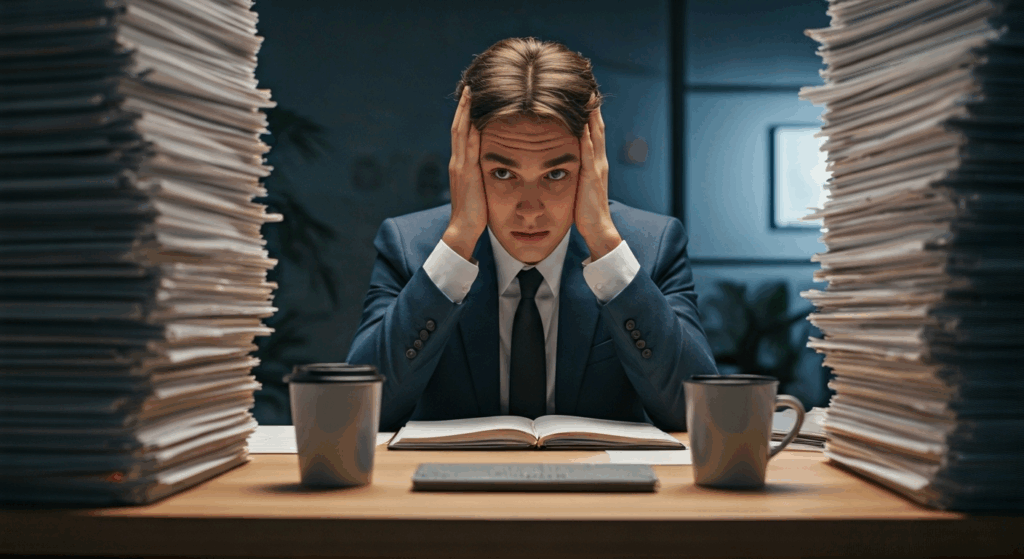
The reasons people get stressed are different for everyone. You might feel pressure because of financial problems, changes in your life, or the way family members act. To manage stress, it helps to know what triggers it for you. This is true for both your mind and your body. Next, let’s look at stress and how it shows up in your normal, day-to-day life.
Common Causes of Stress in Daily Life
Daily life has many things that can cause stress and mess up your routine. Financial problems are often near the top of the list. Things like bills, debts, or not being sure about your job can feel too much to handle at times. A job interview or starting a new job also brings its own worries. It can make even a confident person feel unsure.
Family members may not mean to, but they can also raise your stress levels. Arguments, high expectations, or caring for elderly relatives can all make you feel tired and low on energy.
Other common reasons for stress include:
- Trying to keep up with both work deadlines and things at home.
- Feeling too much pressure when emergencies happen.
- Pushing yourself too hard to be perfect in your daily life or at work.
It’s important for us to notice what is making stress in our lives go up. Knowing if your stress is just for a short while, or it has started to become a bigger problem, can help you find a good way to deal with it.
Acute vs. Chronic Stress: What’s the Difference?
Stress can show up in different ways. Acute stress is short-term and is tied to things that happen right away, like speaking in public or getting unexpected news. It can feel strong, but this type of stress goes away soon, once the event is over.
Chronic stress goes on for a prolonged period of time. It comes from things like money problems or health issues that last for an extended period of time. Over time, chronic stress wears down your mind and body, and can lead to bad health problems.
| Acute Stress | Chronic Stress |
|---|---|
| Short-term, resolves quickly | Prolonged period of time, ongoing stressors |
| Common in specific events | Often caused by recurring problems |
| Less harmful physiologically | More damaging long-term |
Knowing the difference between acute stress and chronic stress helps you make better plans to deal with both types.
How Stress can affect your health and the Body Physically
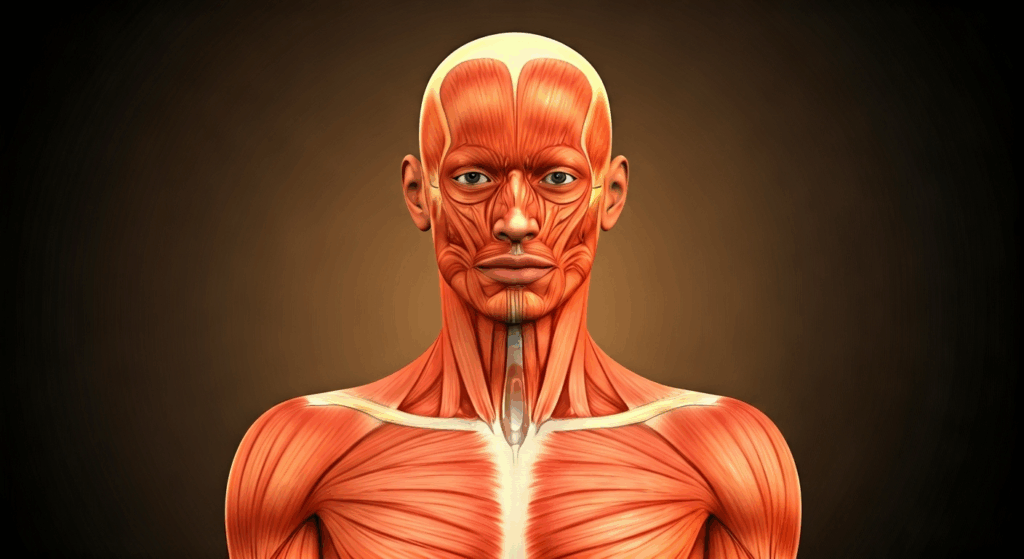
High stress levels can hurt the way your body works. It can make you get sick easier or feel pain more often. Learning about these physical symptoms of stress is step one in breaking the stress cycle. Let’s now look at how constant stress affects different systems in the body.
Effects on the Nervous and Endocrine Systems
Your central nervous system, or CNS, works like the main control center for your stress response. The hypothalamus is a small part in your brain that tells your adrenal glands to put out cortisol and adrenaline. These two hormones help the body get more energy, raise your heart rate, and make blood flow faster.
If the stress goes on too long, the CNS gets pushed too hard. The hypothalamus might not be able to manage hormone production, so the stress response keeps happening. This overactivation can lead to trouble making good choices or make it hard to focus.
Too much cortisol, also known as the “stress hormone,” makes it harder for your body to recover. As stress levels stay high, physical symptoms like feeling tired or easily annoyed get worse. It is also important to look at how stress affects the heart and blood flow to see the full effect it has on your health.
Stress and Cardiovascular Health
Stress puts a lot of pressure on your heart and blood vessels. When you feel stress, stress hormones like adrenaline make your heart rate go up and your blood vessels get tight. This helps your muscles get more oxygen. It is helpful for a short time in emergencies, but if it keeps happening, it can hurt your heart.
Chronic stress over time can raise your blood pressure. High blood pressure is not good for your heart and can put it at risk. Chronic stress also leads to higher cholesterol levels and swelling in the coronary arteries.
Also, when stress does not go away, it can make heart disease or a heart attack more likely. Healthy habits help, but if stress keeps going for a long time, you need to act to stop damage to your heart.
The Emotional and Mental Toll of Stress
Stress is not bad for your body only. It also affects your mind. If you always have stress, it can lead to mental health problems like anxiety and depression. When you feel up and down in your mood, it makes your day-to-day life hard and you get less done.
If you do not manage stress, it can cause bigger problems later. You may find it hard to think clearly or feel happy. Let’s take a closer look at some common mental health issues from stress. These include anxiety, depression, and changes in your mood.
Anxiety, Depression, and Mood Swings
Symptoms of stress do not just show up in your body. They also take a toll on your mental health. When you feel stress, you may notice anxiety start to rise. Even small things can seem too much, making you worry more and relax less.
If this keeps up, depression may set in. You may feel sad or like there is no hope. It gets hard to do simple things, and every day feels like a struggle. Stress hormones can mess with your mind and cause quick changes in mood. This makes things tough with other people and your own stability.
Getting help, using coping tactics like counseling or relaxation, is very important. If you reach out for help early, you can stop many mental health problems that come from symptoms of stress and stress hormones before they get worse.
Cognitive Function and Memory Issues
Chronic stress can hurt the way your mind works. It makes it hard for you to take in and remember things. When you go through a lot of stress, your body makes more cortisol. This hormone slows down the hippocampus, which is the part of the brain that helps you with memory and learning.
Being forgetful or having trouble thinking clearly can be signs that you have been under stress for too long. You may also have other mental health problems if you are under a lot of pressure. Problems like not being able to focus, being forgetful, or having a hard time making up your mind are some big signs to look out for.
This kind of stress can also make your mind feel cloudy or like you just cannot think well at all. Knowing the way stress and things like high cortisol levels affect your mind lets you put mental health first. This helps you look for ways that you can help your mind feel better and work better again.
Effective Ways to Manage and Reduce Stress
Bringing down stress levels is important for both your body and your mind. Simple things like deep breathing and living a healthy life can help stop stress from wearing you down.
When you start with small steps like making time for yourself or getting help from a professional, you can handle stress much better as time goes on. Let’s look at some everyday habits and places to turn for help that can really help your mental health. These can help you regain control over your stress levels.
Healthy Lifestyle Habits for Stress Relief
Making small changes in how you live each day can really help lower stress. Things like deep breathing can calm your body. They work on your autonomic nervous system. This means your breathing gets slower, your muscle tension eases, and other physical symptoms of stress can get better.
If you drink less caffeine, your body won’t be as quick to feel the signs of stress. Having too much every day can make your stress response worse. You might get more rapid breathing or other symptoms of stress. Less caffeine helps you avoid this.
- Engage in regular exercise, as it releases “feel-good” endorphins.
- Maintain a balanced diet to ensure your body’s systems work well.
- Prioritize sleep so your mind and body can have time to rest.
- Take brief technology breaks to get away from all the digital pressure.
Making these simple changes can give you good, long-term stress relief. You might see some of your physical symptoms get better. Over time, your stress response will improve, and you will just feel better in your day-to-day life.
When to Seek Professional Help
Knowing when to get help is important. If the severity of stress is stopping you from living your normal life, you should think about talking to a mental health professional. The therapist can help you find what is making you feel this way and can give you ways that fit your life to deal with it.
If you notice symptoms of stress that will not go away, like not being able to sleep, always feeling tired, or having too much worry, do not ignore them. A mental health professional can be a lifeline. They can guide you right now and give you support over time.
If you are struggling with chronic stress and feel like it is too much, getting expert help is not a sign of weakness. It means you care about your health and want to get back your peace of mind.
Conclusion
To sum up, knowing how stress affects your health is very important for your well-being. Stress can show up in both your body and your feelings. It can be hard on different parts of the body and may cause big health problems if you do not manage it. When you know the common things that bring on stress and use good ways to handle it, you can take steps to live a healthier life. If you are too stressed, do not wait to get help from a professional. Take control of your health now. You can get a free consultation to learn about strategies made for you that help you manage your stress in a better way.
https://order.store.mayoclinic.com/flex/mmv/LIVEY01
https://pubmed.ncbi.nlm.nih.gov/24798553
https://www.sciencedirect.com/science/article/abs/pii/S0022399920308308
https://www.nimh.nih.gov/health/publications/so-stressed-out-fact-sheet
https://www.heart.org/en/healthy-living/healthy-lifestyle/stress-management/women-and-stress