


Understanding What Are Omega-3 Fats and Their Sources

Key Highlights
- Omega-3 fatty acids, essential polyunsaturated fats, provide significant health benefits, including improved heart health, brain function, and immune system support.
- The three main types are alpha-linolenic acid (ALA), eicosapentaenoic acid (EPA), and docosahexaenoic acid (DHA), sourced from plants and marine environments.
- Effective sources include fatty fish, seeds, nuts, and dietary supplements like fish oil or algal oil.
- Omega-3s are known to lower blood pressure, manage chronic inflammation, and reduce cardiovascular disease risks.
- Deficiency in these fats can impact critical stages of life, particularly pregnancy, childhood development, and aging adults.
Introduction
Omega-3 fatty acids are seen as essential nutrients because they help keep the human body in good shape. They have many health benefits that help with heart health, brain work, and dealing with swelling in the body. These polyunsaturated fatty acids are special because the body does not make them. Additionally, foods rich in monounsaturated fat like fatty fish, seeds, nuts, and even vegan choices like algae are good sources. When you know how important omega-3s are, you can work on staying healthy and may be lower your risk of chronic diseases.
What Are Omega-3 Fats?

Omega-3 fats are a type of polyunsaturated fatty acids. These fats are known for having double bonds in their chain. They are an important part of the cell membrane. They help the body work in many ways.
The body cannot make omega-3s on its own. You have to get them from food. The place of the first double bond in omega-3s is special. This double bond helps the cells do their jobs, keep your metabolism working, and protect your body.
Definition and Basic Structure
Omega-3 fatty acids are a type of polyunsaturated fat, which is a category under unsaturated fat. They have a special double bond that sits three carbon atoms away from the end of the fatty acid chain, which is located at the end of the chain. This is what sets them apart and gives them important features key to human health.
The double bond in these fatty acids changes how they act inside the body. It helps keep cell membranes flexible and helps proteins work right. This flexibility plays a big part in how cells talk to each other and how well your body works in many ways.
The three main kinds of omega-3 fatty acids are ALA, EPA, and DHA. They each have a slightly different shape, and each one plays its own part in your body’s processes and in keeping you safe from disease.
History and Discovery of Omega-3s
Omega-3 fatty acids started to get attention when scientists studied groups of people who ate a lot of fish and had fewer cases of cardiovascular disease. These studies, which took place in the middle of the 20th century, showed there could be a strong link between eating omega-3 and the secondary prevention of cardiovascular disease and other chronic diseases.
Early clinical trials backed this up. These trials showed that eating these fats could help lower some big risk factors linked with chronic illnesses. At that time, researchers started to see omega-3 as very important for heart health and a good diet.
Now, groups like the Institute of Medicine say omega-3 is an essential nutrient. Because of this, experts keep making updates to dietary guidelines and keep opening up new chances for research.
Types of Omega-3 Fatty Acids
The three main omega-3 fatty acids are alpha-linolenic acid, eicosapentaenoic acid, and docosahexaenoic acid. These are also called ALA, EPA, and DHA. ALA, which is a type of linoleic acid, comes from plant food sources like seeds and nuts. EPA and DHA are found in cold-water fish such as salmon and sardines. Each one has a special role in the body. When you take them often, you help your body get the most health benefits. It is a good idea to eat foods that have linolenic acid, eicosapentaenoic acid, and docosahexaenoic acid.
Alpha-Linolenic Acid (ALA)
Alpha-linolenic acid, also known as ALA, is a key omega-3 fatty acid that is mostly found in plants. This fatty acid is the main linolenic acid in some foods. ALA works as a building block for two other omega-3 fatty acids called eicosapentaenoic acid and docosahexaenoic acid. These help the human body work well and keep you feeling good.
ALA is a type of fat that is good for you. It can help your heart by lowering blood pressure and cutting down on inflammation. The American Heart Association says eating foods that are high in ALA, like walnuts or flaxseed, can help you get better heart health. By adding these to your diet, you can help your heart in a big way.
Eicosapentaenoic Acid (EPA) and Docosahexaenoic Acid (DHA)
Eicosapentaenoic acid (EPA) and docosahexaenoic acid (DHA) are two key omega-3 fatty acids that are known for their many health benefits. The consumption of EPA helps to control inflammation and is good for the heart. DHA is important for how the brain works and grows, especially in young children and during pregnancy. Many studies say that if you get enough of these fatty acids, you can lower the risk of coronary heart disease and help your brain work better. Eating oily fish or taking quality fish oil supplements is a good way to get EPA and DHA, which can be good for your overall health. These sources of fish oil can help people lower the risk of heart disease and get the most health benefits from EPA and DHA.
How Omega-3s Work in the Body
Omega-3 fatty acids help many important things in the human body. They be needed for the way the body uses food and absorbs nutrients. After you eat them, they go into your body and get added into cells. This way, they help the body work as it should.
Omega-3 fats also have strong properties that fight swelling and irritation. Because of this, they help control how the immune system works. They bring down long-lasting swelling, so they help people battle chronic diseases. You need these fats to help keep your cells safe and strong. By doing this, omega-3s support the well-being of the whole human body.
Metabolism and Absorption
The body starts to break down omega-3 fatty acid with enzymes during digestion in the small intestine. Good absorption helps these fatty acids become part of your cells.
When omega-3s are broken down, they play a big part in heart health. They help lower the chance of heart illness. Taking these fatty acid into active use in the body shows how important your dietary intake of omega-3 is.
If your body does not digest and absorb omega-3s well, you will not get their full benefits. That is why it is important to have a regular dietary intake of them.
Role in Cell Function and Inflammation
Omega-3 fatty acids help keep the cells in your body steady and working well. They help the way cells move and talk to each other. These fatty acids also play a key part in keeping your immune system balanced every day.
Omega-3s fight long-term swelling in the body. By doing this, they help the body react in a good way when it faces stress or gets hurt. This helps the immune system look after the body better.
Their main benefit is the help they give in stopping cardiovascular disease. Omega-3s do this by lowering the risk factors that come from swelling or harm in your blood vessels.
Dietary Sources of Omega-3 Fats
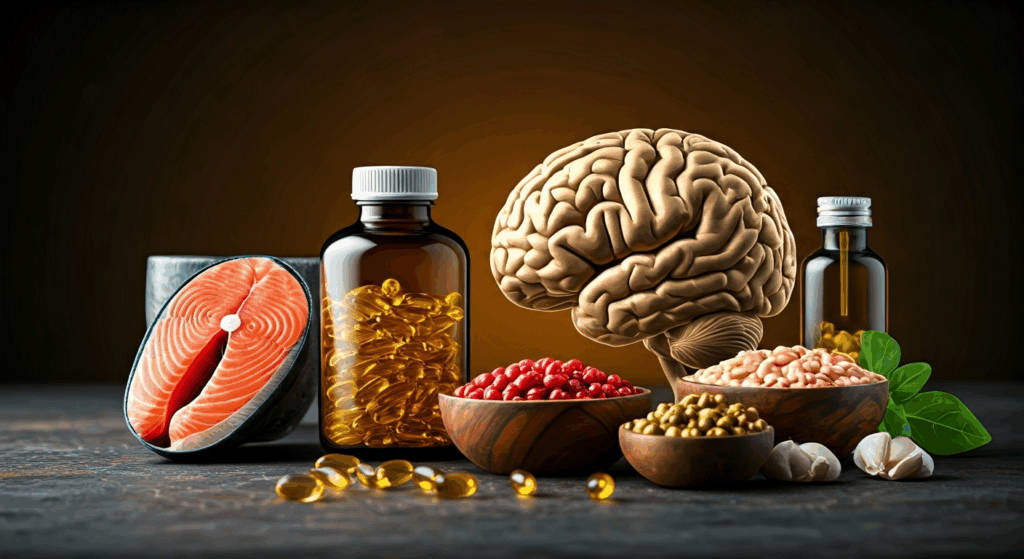
A balanced diet uses both animal and plant sources of omega-3 to help you keep good fatty acid levels. The servings of fish in your meals each week help you get more EPA and DHA.
If you want to go for a plant-based way, you can still get fatty acids. Flaxseed oil, walnuts, and chia seeds are great options. These give you ALA and work well for people on vegetarian diets. When you mix up the food you eat, you help your body get the most from omega-3.
Marine Sources (Fish, Krill, Algae)
Many kinds of marine sources give important omega-3 fatty acids. The main types of fish are eicosapentaenoic acid (EPA) and docosahexaenoic acid (DHA). Fatty fish like salmon, mackerel, and sardines are full of these good fats. They help a lot with heart health and can stop problems from things like coronary artery disease. Another source is krill oil, which comes from small sea animals. It gives a strong amount of omega-3s and is often found in dietary supplements. For people who want a plant-based choice, algal oil from algae is a good pick. This oil gives the body what it needs by adding plenty of DHA. So, it is great for vegetarians who want essential nutrients.
Plant-Based Sources (Flaxseed, Chia, Walnuts)
Flaxseed, chia seeds, and walnuts are great plant-based foods that give you omega-3 fats. These foods are high in alpha-linolenic acid (ALA). They also have other essential nutrients that are good for your health. Flaxseed oil is full of ALA and can help keep your blood pressure lower. It also helps cut down on inflammation and is good for your heart. Chia seeds are easy to use in many foods and give you a lot of fiber. Walnuts are a good source of healthy fats and help your brain work well. Adding these foods to your meals helps you follow dietary guidelines for getting enough omega-3 fats.
Omega-3 Supplements: What to Know
 If people cannot keep the best omega-3 levels, they may need to use supplements. You can find these in different types, like fish oil and algal oil.
When you pick one, you should look at the quality of the product. You should also check how much you need to take and see if it has a proof of purity. Be aware that some fish oil products can contain higher levels of mercury over time, and other marine types can hold risks of contamination. It is good to think about all these things before you buy.
Fish Oil vs. Algal Oil Supplements
Reliable options in fish oil supplements give steady amounts of DHA and EPA. If you compare them:
- Algal oil is growing popular with people who want vegan products.
- Algal oil also lowers the chance of letting in unwanted stuff from outside.
By choosing different sources, people balance cost and make choices that fit their health needs, allergies, or if they have trouble getting things from the sea. This makes fish oil and fish oil supplements open up to more people.
Quality, Dosage, and Potential Contaminants
Regulating how much you can trust dietary pills means there have to be real certifications that show the pills follow the rules. There are set limits for EPA and DHA. These limits are here to keep people safe.
Health Benefits of Omega-3 Fatty Acids
 Many studies show the health benefits of omega-3 fatty acids. The body needs these essential nutrients for good heart health. They help keep the heart strong by lowering blood pressure and reducing swelling in the blood vessels. This helps to lower the chance of getting cardiovascular disease. Omega-3s also support the brain. They help with thinking and memory, no matter the age. Eating enough polyunsaturated fatty acids lowers the chance of getting chronic diseases. This is good for both your body and mind as people grow older or during different stages of life.
Heart Health and Cardiovascular Disease
Adding omega-3 fatty acids to the diet is linked to better heart health and fewer chances of getting cardiovascular disease. Studies show that eicosapentaenoic acid (EPA) and docosahexaenoic acid (DHA) can help lower blood pressure. These can also support healthy blood vessels, which helps to stop coronary artery disease. The American Heart Association says that these polyunsaturated fats can boost the immune system and help lower inflammation that comes with chronic diseases. Eating fish often, especially during the week of fish, or taking fish oil supplements is a good way to keep your heart in good shape. It also helps to keep your cardiovascular well-being at its best.
Brain Function and Cognitive Health
Eicosapentaenoic acid (EPA) and docosahexaenoic acid (DHA) are important for your brain and for how you think. These omega-3 fatty acids are essential nutrients you need for the brain to work well. They help keep nerve cells strong and in good shape. This can help improve memory and how well you think.
Some clinical trials show that having more EPA and DHA can lower the risk of brain problems as you get older. These fats also help to keep the nervous system in good health. Eating more foods with these polyunsaturated fats can boost brain health. This is even more important for the young children in your life and for people growing older, as their brains are changing and need more care.
Omega-3s for Different Life Stages
Different stages in life can change how much you need omega-3 fatty acids. These essential nutrients are very important for pregnant women and young children. They help with the baby’s brain growth and thinking skills, which can lead to better health for both mom and baby. Some studies say that getting enough omega-3s during pregnancy can lower the risk of depression after the baby is born.
When people get older, omega-3s keep helping. They help protect heart health and support brain function as people age. To meet these needs at every age, it is good to eat foods like fatty fish, use flaxseed oil, or take supplements. This can make sure you get enough omega-3s through all parts of life.
Pregnancy and Early Childhood
Essential fatty acids are important for the healthy growth of babies and unborn kids. Alpha-linolenic acid is very important in pregnancy. It helps with the baby’s brain and eye growth. Eicosapentaenoic acid and docosahexaenoic acid also help babies’ minds work well.
Pregnant women should eat foods with omega-3, like fish and flaxseed oil. This is in line with the right dietary guidelines told by doctors. These healthy fats help the immune system, too. They also make sure babies can grow well in their early years.
Adults and Aging Populations
Adding omega-3 fatty acids to the diet can help adults and older people be more healthy. Studies say there is a link between eating eicosapentaenoic acid (EPA) and docosahexaenoic acid (DHA) and having a lower risk of heart disease and less memory loss. For older adults, these polyunsaturated fats are good for heart health. They can lower blood pressure and help the immune system. Eating more of these fats through food or supplements can be a good way to stay healthy as we age.
Omega-3 Deficiency and At-Risk Groups
A lack of omega-3 fatty acids can cause health problems. It often affects the heart and nervous system most. People who eat little or no fish are more at risk. This group includes vegetarians, vegans, and others who avoid seafood for diet reasons. Pregnant women and young children can also be in this group. They need enough omega-3 for good growth and health. It is important to follow dietary guidelines. This will help make sure you get the essential nutrients your body needs. This can help keep you healthy and lower the risk of problems.
Symptoms of Deficiency
Some physical and mental signs can show you do not have enough omega-3 fatty acids. You may have dry skin, feel tired, or notice mood swings. These can change how good you feel every day. You may also have problems with your memory. This is because polyunsaturated fats are important for the brain. Your joints may feel stiff, and this can matter a lot if you have rheumatoid arthritis. It is important to notice these signs because they help you stop chronic diseases. Getting enough essential nutrients through your dietary intake is needed for your body to work well.
Populations at Higher Risk in the United States
Some groups in the United States are more likely to not get enough omega-3. Pregnant women, children, and older people often do not eat enough of these essential nutrients. People who have long-term health problems like cardiovascular disease or rheumatoid arthritis may need to eat more omega-3 to help with heart health and to keep their immune system strong. It is important for these people to check if they are getting enough omega-3 from food or, if needed, take supplements. This can help them avoid some problems linked to not having enough omega-3 fats.
Conclusion
Adding omega-3 fatty acids to your diet is important for good health. These essential nutrients give many health benefits, like helping with heart health and brain function as well as for other important functions. They also help keep you safe from chronic diseases.
You can get omega-3s by eating fatty fish or by choosing plant foods like flaxseed and walnuts. Making sure that you get enough of them can really help with your well-being. Being aware of omega-3s, with help from groups like the American Heart Association and the National Institutes of Health, lets people make better choices about what they eat—both for themselves and for their families.
Frequently Asked Questions
How much omega-3 should I consume daily?
For good health, adults should get at least 250 to 500 mg of both EPA and DHA each day, and regular fish consumption can help achieve this intake. Pregnant women and mothers who are breastfeeding may need more, about 200 to 300 mg of DHA daily, in line with their daily value for essential nutrients. It is always best to talk with a healthcare provider to get advice that fits your needs.
Can I get enough omega-3s from a vegetarian diet?
Yes, you can get enough omega-3s by eating a vegetarian diet rich in vegetable oils. Some good sources are flaxseeds, chia seeds, and walnuts. These plant-based foods have alpha-linolenic acid, also called linolenic acid. The body can turn this type of fat into EPA and DHA. But how well it does this can be different for each person.
Are omega-3 supplements safe for everyone?
Omega-3 supplements can be safe for most people. But, there can be risks for some. For example, people who take blood thinners or have certain health problems should be careful. It is important to talk with your healthcare provider before you start taking any supplements. This way, you can make sure they are right for you and safe to use.
What is the difference between omega-3 and omega-6 fats?
Omega-3 and omega-6 fats are both important for you, but they each have different jobs in the body. Omega-3 fats help lower swelling and are good for heart health. Omega-6 fats, on the other hand, can cause swelling if you eat too many. Eating too much omega-6 compared to omega-3 can lead to an imbalance in your dietary intake.
How do I choose a high-quality omega-3 supplement?
When you pick a good omega-3 supplement, look to see if it has passed a check by a third-party group. Make sure it has both EPA and DHA in it, and check if it contains beneficial ingredients such as vitamin E. Be sure to know if it comes from the sea or plants. Check that the product is fresh. You can do this by seeing if it has low oxidation, so you know it will work well and be safe to use.
https://pubmed.ncbi.nlm.nih.gov/31496103
https://pubmed.ncbi.nlm.nih.gov/31647041
https://pubmed.ncbi.nlm.nih.gov/34817851
https://www.ncbi.nlm.nih.gov/pmc/articles/PMC6732706
https://www.ncbi.nlm.nih.gov/pmc/articles/PMC8612309
https://www.ncbi.nlm.nih.gov/pmc/articles/PMC3625950