
Understanding Digestive Health Probiotics and Their Benefits
Key Highlights
- Digestive health is closely linked to the balance and diversity of probiotics, or good bacteria, in your gastrointestinal tract.
- Probiotics are live microorganisms that support healthy digestion, aid in nutrient absorption, and protect against harmful bacteria.
- Various probiotic strains, such as Lactobacillus and Bifidobacterium, each offer unique benefits for different digestive issues.
- Incorporating probiotic foods and supplements can help manage bloating, constipation, and diarrhea, though some individuals may experience mild side effects.
- Choosing quality probiotic products and understanding potential risks is important for maximizing digestive wellness and maintaining a healthy gut microbiome.
Introduction
In recent years, growing attention has been directed toward the role of friendly microbes in enhancing our digestive health. Beneficial bacteria, commonly referred to as probiotics, significantly impact the functioning of the gastrointestinal tract, promoting healthy digestion and overall well-being. With a deeper understanding of how these live microorganisms interact within the gut microbiome, many are seeking quality probiotic products to support their dietary needs. This interest encompasses various approaches, from integrating fermented foods into lifestyles to exploring advanced probiotic supplements that target specific digestive disorders.
What Are Probiotics and How Do They Affect Digestive Health?
Defining Probiotics: Good Bacteria Explained
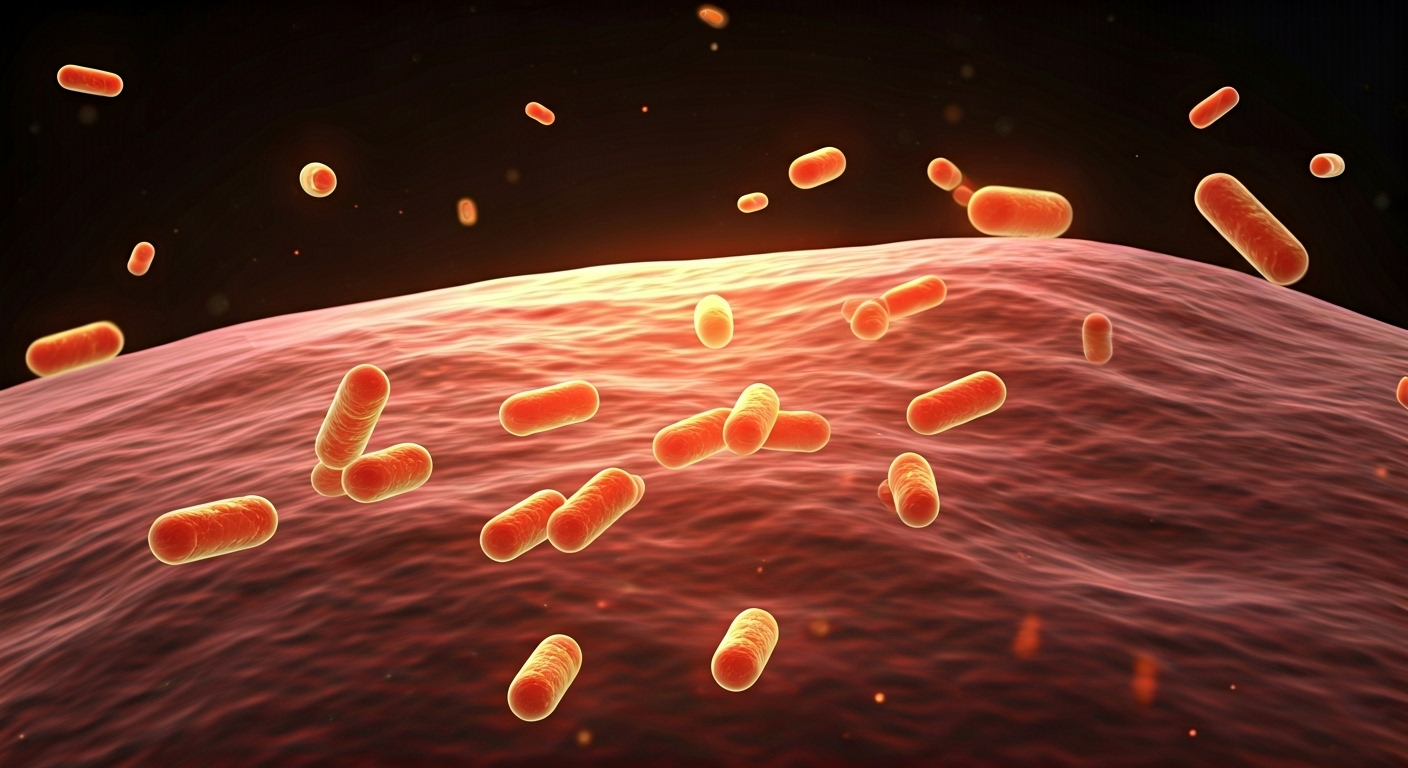
Living microorganisms known as probiotics play a crucial role in promoting digestive health. These friendly microbes help maintain a balanced gut microbiome, which is essential for effective digestion and nutrient absorption. Probiotics consist of various strains that support the gastrointestinal tract by fighting off harmful bacteria and enhancing the body’s immune response. By consuming probiotic products, individuals can improve their gut health and manage digestive disorders like irritable bowel syndrome. Understanding these beneficial bacteria underscores their importance in fostering a healthy digestive system.
The Role of Probiotics in the Human Gut
Probiotics play a pivotal role in maintaining a healthy gut environment by introducing beneficial bacteria that enhance the balance of gut microbiota. These friendly microbes contribute to the digestion of food, prevent overgrowth of harmful bacteria, and support the immune system. Additionally, they produce essential fatty acids and vitamins that aid in nutrient absorption. Their presence can significantly alleviate symptoms associated with gastrointestinal disorders, such as irritable bowel syndrome and inflammatory bowel disease, promoting overall digestive health and well-being.
The Science Behind Probiotics and Digestion
How Probiotics Support Digestive Processes
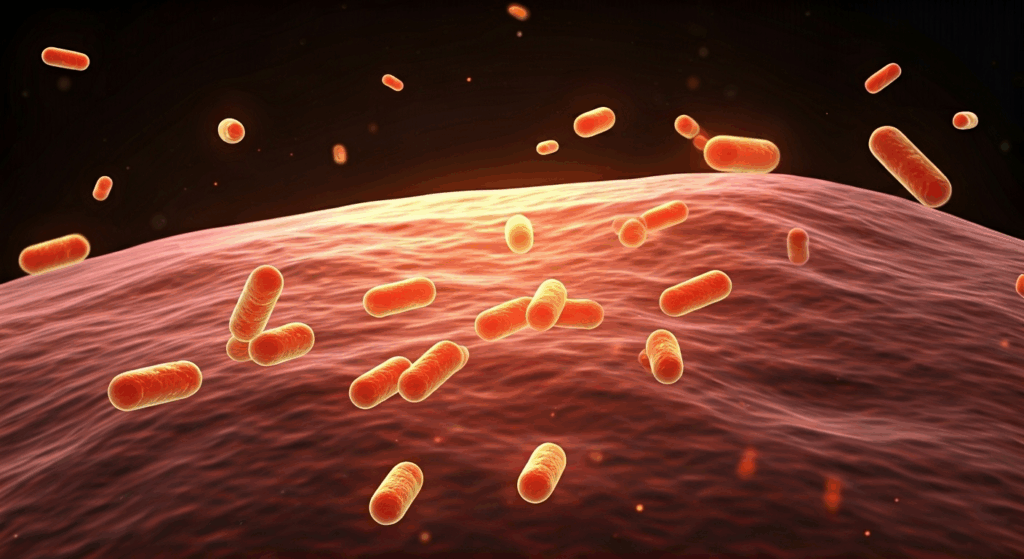
A diverse array of live microorganisms, probiotics play a pivotal role in enhancing digestive processes throughout the gastrointestinal tract. By promoting the balance of gut flora, these beneficial bacteria help in breaking down complex carbohydrates and fats, facilitating nutrient absorption. Additionally, probiotics mitigate symptoms associated with digestive disorders, like irritable bowel syndrome, by improving gut motility and reducing inflammation. This harmonization of the gut microbiome can lead to healthier digestion, ultimately supporting overall well-being and aiding in the prevention of various gastrointestinal issues.
Probiotics and the Gut Microbiome Connection
The gut microbiome consists of trillions of microorganisms that play a crucial role in overall health. Probiotics, often referred to as good bacteria, are live microorganisms that foster a balanced microbiome, enhancing digestive health and supporting the gut’s ecosystem. By interacting with gut microbiota, probiotics can influence various physiological processes, including nutrient absorption and immune function. This symbiotic relationship helps mitigate digestive disorders and promotes a healthy digestive tract. Understanding this connection highlights the importance of incorporating quality probiotic products into one’s diet for optimal gut health.
Key Benefits of Probiotics for Digestive Health

Reducing Bloating, Gas, and Indigestion
Bloating, gas, and indigestion can disrupt daily life, but probiotics offer a promising solution. These friendly microbes work by enhancing the balance of gut microbiota, promoting non-distressing digestion. By introducing beneficial probiotic strains, they help to break down food more efficiently, reducing the likelihood of gas formation and bloating sensations. Moreover, they support gut health by fortifying the digestive system, leading to improved nutrient absorption. Regular intake of probiotic products may not only alleviate symptoms but also contribute significantly to overall digestive wellness.
Balancing Gut Flora to Promote Regularity
Maintaining a balanced gut flora is essential for promoting regularity within the digestive system. Probiotics play a pivotal role by introducing friendly microbes that can restore harmony among gut microbiota. This balance helps combat various digestive disorders, such as irritable bowel syndrome and bloating, by stabilizing the gastrointestinal tract. Moreover, a healthy gut flora can enhance nutrient absorption and support the immune system, improving overall well-being. Incorporating daily probiotic supplements or fermented foods can significantly contribute to achieving optimal digestive health.
Specific Digestive Issues Improved by Probiotics
Probiotics have shown significant efficacy in managing various digestive disorders. For constipation relief, specific probiotic strains can enhance gut motility, promoting regularity and easing discomfort. On the other hand, probiotics are also effective for diarrhea management, stabilizing the gastrointestinal tract and restoring balance to gut microbiota. This dual action helps alleviate symptoms of irritable bowel syndrome and inflammatory bowel disease. By incorporating these friendly microbes into one’s routine, individuals may experience a noticeable improvement in their overall digestive health and well-being.
Probiotics for Constipation Relief
Constipation, characterized by infrequent bowel movements and difficulty in passing stools, can be alleviated through the introduction of specific probiotic strains. These beneficial live microorganisms help regulate the digestive system by enhancing gut motility and balancing gut microbiota. Probiotics, such as Lactobacillus and Bifidobacterium, are particularly effective in promoting regularity and easing discomfort. By incorporating daily probiotic supplements into your routine, not only can you address constipation, but you also support overall digestive health and well-being. This reinforces the crucial connection between gut health and effective elimination.
Managing Diarrhea with Probiotics
Probiotics play a vital role in managing diarrhea by restoring the balance of gut microbiota. These friendly microbes help to compete with harmful bacteria in the gastrointestinal tract, reducing the severity and duration of diarrhea episodes. Certain probiotic strains, such as Lactobacillus and Bifidobacterium, have shown effectiveness in alleviating symptoms associated with gastrointestinal disorders, including irritable bowel syndrome. Incorporating probiotic-rich foods or dietary supplements can enhance gut health, support proper digestion, and improve immune system function, ultimately contributing to a more stable digestive environment.
Common Probiotic Strains for Digestive Wellness
Several probiotic strains play a vital role in nurturing digestive health. Lactobacillus species, known for their ability to produce lactic acid, help maintain a balanced gut microbiota, promoting healthy digestion and combating gastrointestinal disturbances. Bifidobacterium strains also contribute significantly, aiding in the digestion of fiber and enhancing the immune system. These friendly microbes work synergistically to alleviate symptoms associated with digestive disorders like irritable bowel syndrome and inflammatory bowel disease. Incorporating these strains through probiotic supplements or fermented foods can support overall gut wellness and improve digestive function.
Lactobacillus Strains and Their Benefits
Lactobacillus strains, a prominent type of good bacteria, play a crucial role in maintaining gut health. These beneficial microorganisms are known for their ability to aid digestion and support the gastrointestinal tract by producing lactic acid, which creates an inhospitable environment for harmful pathogens. Additionally, they contribute to the balance of gut microbiota, improving nutrient absorption and potentially alleviating symptoms of digestive disorders such as irritable bowel syndrome. Regular intake of Lactobacillus through probiotic supplements or fermented foods promotes overall wellness and a healthy immune system.
Bifidobacterium Strains for Gut Health
Bifidobacterium strains play a vital role in promoting gut health by supporting the balance of beneficial bacteria within the gastrointestinal tract. These friendly microbes are known for their ability to ferment carbohydrates, producing short-chain fatty acids that enhance digestive processes and contribute to overall wellness. By improving the integrity of the intestinal lining, Bifidobacterium can also aid in managing gastrointestinal disorders like irritable bowel syndrome. Incorporating Bifidobacterium-rich probiotics into your diet may significantly help maintain a healthy gut microbiome and bolster your immune system.
Fermented Foods for Digestive Support
Fermented foods play a vital role in promoting digestive health by enhancing the population of friendly microbes in the gut. Rich in live microorganisms, such as Lactobacillus and Bifidobacterium, these foods contribute to the overall gut microbiome balance, supporting a robust digestive system. Options like yogurt, kimchi, and sauerkraut not only deliver probiotic strains but also contain beneficial fatty acids that can reduce inflammation and boost immune system function. Incorporating these delicious, nutrient-dense foods into your diet can significantly improve your digestive processes and enhance general wellness.
Dairy and Non-Dairy Options Rich in Probiotics
A variety of dairy products serve as excellent sources of probiotics, with yogurt being a standout choice due to its active cultures that support gut health. Kefir, a fermented milk drink, is another potent option, containing multiple strains of beneficial bacteria. For those seeking non-dairy alternatives, fermented foods like sauerkraut, kimchi, and miso present flavorful ways to incorporate probiotics into the diet. Additionally, plant-based yogurts made from coconut or almond milk are increasingly popular, ensuring that both dairy and non-dairy consumers can maintain their digestive health.
Probiotics vs. Prebiotics: What’s the Difference?
Probiotics are live beneficial bacteria that promote gut health, while prebiotics are non-digestible fibers that nourish these good bacteria. Both play essential roles in digestion, but they function differently—probiotics enhance the microbiome, whereas prebiotics support the growth of probiotics.
Roles of Probiotics and Prebiotics in Digestion
Probiotics and prebiotics play distinct yet complementary roles in digestion. Probiotics are live microorganisms, often termed ‘good bacteria’, that enhance gut health by balancing the gut microbiome and promoting healthy digestion. In contrast, prebiotics serve as food for these beneficial microbes, facilitating their growth and activity in the digestive tract. Together, they work synergistically to improve gastrointestinal health, support immune function, and alleviate digestive disorders. This dynamic duo ensures optimal digestive processes and contributes to overall wellness, making them vital components of a balanced diet.
Should You Take Both for Optimal Digestive Health?
Taking both probiotics and prebiotics can enhance digestive health synergistically. Probiotics introduce beneficial bacteria, while prebiotics provide nourishment for these microbes. This combination may improve gut flora balance, boost digestion, and support overall wellness, making it a worthwhile consideration for optimal digestive function.
How to Choose a Quality Probiotic Supplement
Identifying a quality probiotic supplement involves scrutinizing the label carefully. Look for specific probiotic strains endorsed by research, which indicates they possess the necessary benefits for enhancing gut health. Check the CFU (colony-forming unit) count to ensure adequate potency, as higher counts often reflect better effectiveness. Additionally, consider the presence of prebiotic ingredients, which can help nourish these live microorganisms. Lastly, ensure that the product has a good shelf life and is free from unnecessary fillers, so that you can enjoy the full health benefits.
What to Look For on a Probiotic Label
Choosing the right probiotic supplement starts with scrutinizing the label. Look for the specific strains included, as different probiotic strains offer various health benefits, particularly for digestive health. The number of active cultures per serving is crucial; a higher count often correlates with enhanced efficacy. Also, check for expiration dates and shelf life to ensure potency. Ingredients matter too; avoid fillers and artificial additives. Lastly, verify that the product has undergone clinical trials or is backed by credible research to ensure quality and effectiveness in promoting gut health.
Tips for Selecting the Right Probiotic for Your Needs
Understanding the specific strains that align with your health goals is crucial. For those dealing with digestive issues like irritable bowel syndrome or constipation, look for targeted probiotic strains known for their efficacy in those areas. Additionally, consider the viability and shelf life of probiotic products; live microorganisms should remain active until the end of the product’s shelf life for maximum benefits. Lastly, evaluate the inclusion of prebiotic supplements, as these can enhance the effectiveness of the probiotics, fostering a more balanced gut microbiome.
Safety, Side Effects, and Considerations Before Use
Probiotic products are generally safe for most individuals, but specific considerations should be kept in mind. Those with a weakened immune system or underlying health issues, such as inflammatory bowel disease or irritable bowel syndrome, may experience side effects like gas or bloating. It’s important to consult a healthcare provider before starting any dietary supplements, especially if you’re on medication or have a history of health issues. Additionally, ensure the probiotic strains you choose have a suitable shelf life and end of product viability for maximum health benefits.
Potential Risks and When to Avoid Probiotics
While often beneficial, probiotics can pose potential risks for certain individuals. Those with a weakened immune system, such as patients undergoing chemotherapy or suffering from serious health conditions, should approach probiotic use cautiously, as introducing live microorganisms could lead to infections. Additionally, people with severe digestive disorders, like inflammatory bowel disease, might experience exacerbated symptoms. It’s essential to consult healthcare professionals before starting any probiotic supplement, ensuring it aligns with individual health issues and dietary needs for safe and effective use.
Typical Side Effects and What to Expect
Incorporating probiotic supplements into your routine can lead to various effects. Initially, some individuals may experience mild gastrointestinal discomfort, such as bloating or gas, as their digestive system adapts to the introduction of live microorganisms. These side effects are typically temporary and subside as the gut microbiota stabilizes. Alterations in bowel habits may also occur, ranging from more regular movements to occasional loose stools. Understanding these potential outcomes prepares you for a smoother transition, contributing to your overall gut health and improved digestion.
Conclusion
Probiotics play a crucial role in maintaining digestive health and overall well-being. By supporting the gut microbiome, these friendly microbes enhance healthy digestion, bolster the immune system, and help mitigate various digestive disorders, including irritable bowel syndrome. Choosing the right probiotic product, whether through fermented foods or dietary supplements, can significantly impact gut health. As research continues to unveil the myriad benefits of probiotics, integrating them into your daily routine is a wise decision for promoting digestive wellness and long-term health benefits.
Frequently Asked Questions
How long do probiotics take to improve digestive health?
Probiotics typically show improvements in digestive health within a few days to weeks of consistent use. However, individual responses can vary based on factors like the specific strain, dosage, and existing gut health. Patience is key for optimal results.
Can shelf-stable probiotics be as effective as refrigerated options?
Shelf-stable probiotics can be effective, offering convenience and longer shelf life. However, their potency may vary compared to refrigerated options, which typically maintain higher viability. Always check labels for specific strains and CFU counts to ensure you’re getting the desired benefits.
Do probiotics help with all types of digestive problems?
While probiotics can alleviate several digestive problems, such as bloating and diarrhea, their effectiveness varies by strain and individual health. Not all digestive issues may respond to probiotics; therefore, it’s crucial to identify specific strains that target your particular concerns.
https://doi.org/10.3389/fmicb.2023.1216674
https://pubmed.ncbi.nlm.nih.gov/24912386
https://pmc.ncbi.nlm.nih.gov/articles/PMC10410452
https://pmc.ncbi.nlm.nih.gov/articles/PMC8796717
https://order.store.mayoclinic.com/flex/MMV/MDCCB01
https://www.fda.gov/Food/GuidanceRegulation/GuidanceDocumentsRegulatoryInformation/ucm619524.htm