
Top Drug Stress Medications: Uses and Side Effects Explained

Key Highlights
Here’s a quick look at what we’ll cover in this guide:
- Stress medications are prescription drugs that help manage mental health conditions and relieve anxiety symptoms.
- The most common types are antidepressants like selective serotonin reuptake inhibitors (SSRIs).
- These medications work by changing brain chemistry to improve mood and reduce stress.
- It’s important to be aware of potential side effects and the risk of withdrawal symptoms.
- Working with a healthcare provider is essential to create a safe and effective treatment plan for you.
Introduction
Navigating the world of mental health can sometimes feel overwhelming, especially when you’re dealing with stress or an anxiety disorder. Medication can be a vital tool in managing these health conditions and helping you feel more like yourself again. This guide is here to walk you through the basics of drug stress medication, from what it is to how it works, so you can feel informed and confident when discussing treatment options with your healthcare provider.
What Is Drug Stress Medication?
Drug stress medications are prescription medicines designed to help manage mental health conditions. They are often used to reduce anxiety symptoms, such as excessive worry, panic attacks, and extreme fear. When you’re exploring treatment options, a doctor can help determine if medication is a suitable choice for your needs.
Before starting any prescription, it’s crucial to understand how the drug administration works and what to expect. These medications can be a key part of your treatment, but they are most effective when used as part of a comprehensive plan. In the following sections, we will explore the different types of medications and how they can help you.
Defining Stress and Its Impact on Mental Health
Stress is more than just feeling busy or overwhelmed; it’s your body’s response to demands or threats. When stress becomes chronic, it can significantly impact your mental health, leading to persistent symptoms of anxiety that interfere with your daily functioning.
This prolonged pressure can wear you down, making it difficult to concentrate, sleep, or even enjoy activities you once loved. Over time, unmanaged stress can contribute to the development of more serious mental illnesses and worsen existing health conditions. Recognizing how stress affects your mind and body is the first step toward finding relief.
If stress and anxiety are affecting your life, various medications can help. The most commonly prescribed medications for stress and anxiety are typically antidepressants, such as selective serotonin reuptake inhibitors (SSRIs), which are considered a first-line treatment.
Overview of Prescription Medications for Stress
When it comes to treating stress and an anxiety disorder, there are several types of prescription medications available. These stress medications work in different ways to help regulate your mood and reduce feelings of anxiety. A healthcare provider will help you find the one that best fits your specific symptoms and needs.
The most commonly prescribed medications for stress and anxiety are antidepressants, particularly serotonin reuptake inhibitors. These are often the first choice because they are effective and have fewer side effects compared to older medications. Yes, many of these modern antidepressants, like SSRIs, are considered non-addictive, making them a safe long-term treatment option.
Here are some of the main classes of medications used:
- Selective Serotonin Reuptake Inhibitors (SSRIs): Increase levels of serotonin in the brain.
- Serotonin-Norepinephrine Reuptake Inhibitors (SNRIs): Boost both serotonin and norepinephrine.
- Tricyclic Antidepressants (TCAs): An older class of antidepressants.
- Benzodiazepines: Fast-acting sedatives for short-term relief.
Most Commonly Prescribed Stress and Anxiety Medications
When you seek treatment for anxiety, your doctor will likely consider a class of drugs called selective serotonin reuptake inhibitors (SSRIs). These anxiety medications are widely used as a first-line treatment of anxiety, panic disorder, and major depression because of their effectiveness and milder side-effect profile.
They work by increasing the amount of serotonin, a mood-regulating chemical, in your brain. Now, we will look closer at SSRIs and another common class of medications, benzodiazepines, to understand their specific uses and characteristics.
Selective Serotonin Reuptake Inhibitors (SSRIs)
Serotonin reuptake inhibitors are a cornerstone in treating conditions like major depressive disorder. Their mechanism involves a process called selective serotonin reuptake, which blocks nerve cells from reabsorbing serotonin. This leaves more of the chemical available in the brain, helping to improve mood and reduce both symptoms of depression and anxiety symptoms.
SSRIs are not habit-forming and are typically prescribed for several months to a year to ensure symptoms are well-managed. Some common SSRIs include:
| Generic Name | Brand Name |
|---|---|
| Citalopram | Celexa |
| Escitalopram | Lexapro |
| Fluoxetine | Prozac |
| Sertraline | Zoloft |
| Paroxetine | Paxil |
For those with treatment-resistant depression, new treatments are available. One emerging drug is esketamine, a nasal spray that acts rapidly to relieve symptoms. It’s used in a clinical setting, often alongside a traditional oral antidepressant to maintain improvement.
Benzodiazepines and Their Usage
Benzodiazepines are a type of sedative medication that can provide rapid relief from the physical symptoms of an anxiety disorder or panic disorder, such as muscle tension. These drugs encourage relaxation and are highly effective for short-term use, like managing anxiety before a flight.
However, their use comes with caution. Doctors rarely prescribe benzodiazepines for long-term use because they can become less effective over time and carry a risk of dependence. Stopping them abruptly can lead to significant withdrawal effects, including renewed anxiety.
Potential side effects of taking benzodiazepines can include drowsiness, dizziness, confusion, and issues with memory or coordination. Due to these risks, healthcare providers typically prescribe them for short periods and will guide you on how to taper off the dosage slowly and safely.
How Stress Medications Work in the Body
Have you ever wondered what’s happening inside your brain when you take stress medication? These drugs work by adjusting the levels of certain chemicals, known as neurotransmitters, that control your mood and stress responses. Proper drug administration is key to achieving these neurochemical effects safely.
Understanding the mechanism of action helps clarify how these medications relieve symptoms. It’s also important to be aware of rare but serious conditions like serotonin syndrome, which can occur if you combine certain medications. Let’s examine these mechanisms more closely.
Mechanisms of Action and Neurochemical Effects
Stress medications work to relieve symptoms by altering the communication between brain cells. The primary mechanism of action for many antidepressants involves blocking the reabsorption, or reuptake, of neurotransmitters. For example, SSRIs specifically target serotonin reuptake, increasing the availability of this “feel-good” chemical in the brain.
Other medications, like serotonin-norepinephrine reuptake inhibitors (SNRIs), have a dual action, affecting both serotonin and norepinephrine. This can help improve mood, alertness, and stress response. Older medications, such as monoamine oxidase inhibitors (MAOIs), work by preventing an enzyme from breaking down these brain chemicals.
By adjusting the levels of these key neurotransmitters, these medications can correct imbalances that may be contributing to mental disorders. This neurochemical change helps stabilize mood and reduce the overwhelming feelings associated with stress and anxiety over time.
Timeframe for Symptom Relief and Effectiveness
Achieving symptom relief with stress medication is not an instant process. It takes time for the medication to build up in your system and for your brain to adapt to the neurochemical changes. You might start to notice improvements in your daily functioning before you feel a significant lift in your mood.
According to clinical trials, most people begin to experience benefits within 4 to 8 weeks. Your provider will likely start you on a low dose to minimize side effects and may gradually increase it to higher doses if needed to achieve the best results.
Here’s what you might notice first:
- Better sleep patterns
- Improved appetite
- Increased energy levels
- Enhanced concentration
Patience is key. It’s important to give the medication a fair chance to work before deciding if it’s the right fit for you.
Side Effects and Risks of Drug Stress Medications
While stress medications can be incredibly helpful, it’s also important to be aware of potential side effects. Most are mild and tend to fade as your body adjusts to the medication. Common possible side effects include things like an upset stomach, headache, or dry mouth.
Another important consideration is the risk of withdrawal symptoms if you stop taking the medication suddenly. Your healthcare provider will guide you on how to manage any side effects and safely stop the medication when the time is right. Let’s look at some of these effects in more detail.
Common Short-Term Adverse Effects
When you first start taking a stress medication, your body needs time to adjust. During this period, you might experience some short-term side effects. These are usually not severe and often resolve on their own within a few weeks.
Common adverse effects can vary depending on the type of medication you are taking. Communicating any bothersome effects to your doctor is important, as they might be able to adjust your dose or suggest taking the medication at a different time of day to help.
Some of the most frequently reported side effects include:
- Nausea or upset stomach
- Dry mouth
- Drowsiness or, conversely, sleep problems
- Changes in appetite, leading to weight gain or loss of appetite
- Sexual problems, such as reduced sex drive
Potential for Dependence or Withdrawal
One of the key things to know before starting a prescription is the potential for dependence or withdrawal. While most modern antidepressants are not considered addictive in the way street drugs are, your body can become accustomed to them. This physical dependence means that stopping them suddenly can lead to unpleasant withdrawal effects.
These withdrawal symptoms can include flu-like feelings, dizziness, irritability, and a return of your anxiety symptoms. To avoid these issues, you should never stop taking your medication without consulting with your health care provider first.
They will create a plan to slowly taper your dose, giving your body time to adjust and minimizing the risk of withdrawal or other serious side effects. This careful approach ensures your transition off the medication is as smooth and safe as possible.
Comparing Antidepressants and Anti-Anxiety Medications
How do antidepressants compare to anti-anxiety medications for treating stress? While there’s overlap, they have distinct differences. Antidepressants are often used as a long-term solution for both symptoms of depression and anxiety disorder. In contrast, some anti-anxiety medications are designed for short-term, rapid relief.
Choosing between them depends on your specific symptoms and health needs. Your doctor will work with you to create a treatment plan that targets your concerns effectively. Now, let’s explore the key differences between these two types of medications.
Key Differences in Use and Effectiveness
The main difference between antidepressants and dedicated anxiety medications lies in their primary use and how they work. Antidepressants are a first-line, long-term approach for the treatment of depression and anxiety, working gradually to correct chemical imbalances that cause mood changes.
On the other hand, certain anxiety medications, like benzodiazepines, offer immediate but temporary relief from acute symptoms like panic attacks. They are best suited for short-term or as-needed use due to the risk of dependence.
Here’s a simple comparison:
| Feature | Antidepressants (e.g., SSRIs) | Anti-Anxiety Medications (e.g., Benzodiazepines) |
|---|---|---|
| Onset of Action | Slow (4-8 weeks) | Fast (within hours) |
| Primary Use | Long-term management of anxiety/depression | Short-term relief of acute anxiety/panic |
| Dependence Risk | Low / non-addictive | High risk with long-term use |
| Prescription | Long-term treatment | Typically for short periods or as needed |
When Each Type Is Prescribed for Stress
Finding the right treatment plan depends entirely on your individual needs. A specific type of antidepressant, like an SSRI, is often the first choice for managing chronic stress and anxiety, especially if you also have co-occurring health conditions like major depression. They provide stable, long-term symptom management.
In situations where you need immediate relief from intense anxiety, such as a panic attack or before a stressful event like public speaking, an anti-anxiety medication like a benzodiazepine might be prescribed. This is usually a short-term solution.
Your healthcare provider will evaluate your symptoms, medical history, and overall mental health to determine which medication is most appropriate. The goal is to tailor the treatment to your unique circumstances, ensuring you receive the most effective and safest care possible.
Combining Medication with Therapy and Lifestyle Approaches
Can medication be combined with therapy to treat stress and anxiety? Absolutely. In fact, research shows that a combination approach often yields the best results for your mental health. A comprehensive treatment plan includes medication to manage symptoms, talk therapy to address root causes, and lifestyle modifications to support overall well-being.
This integrated strategy provides you with a full set of tools to not only feel better but also build long-term resilience. Let’s explore the benefits of combining these approaches and how you can maximize your treatment outcomes.
Benefits of Integrated Treatment Plans
An integrated treatment plan offers a powerful, two-pronged approach. Medication works on a biological level to help regulate brain chemistry and reduce the physical and emotional symptoms of anxiety. This can provide you with the stability needed to fully engage in other forms of treatment.
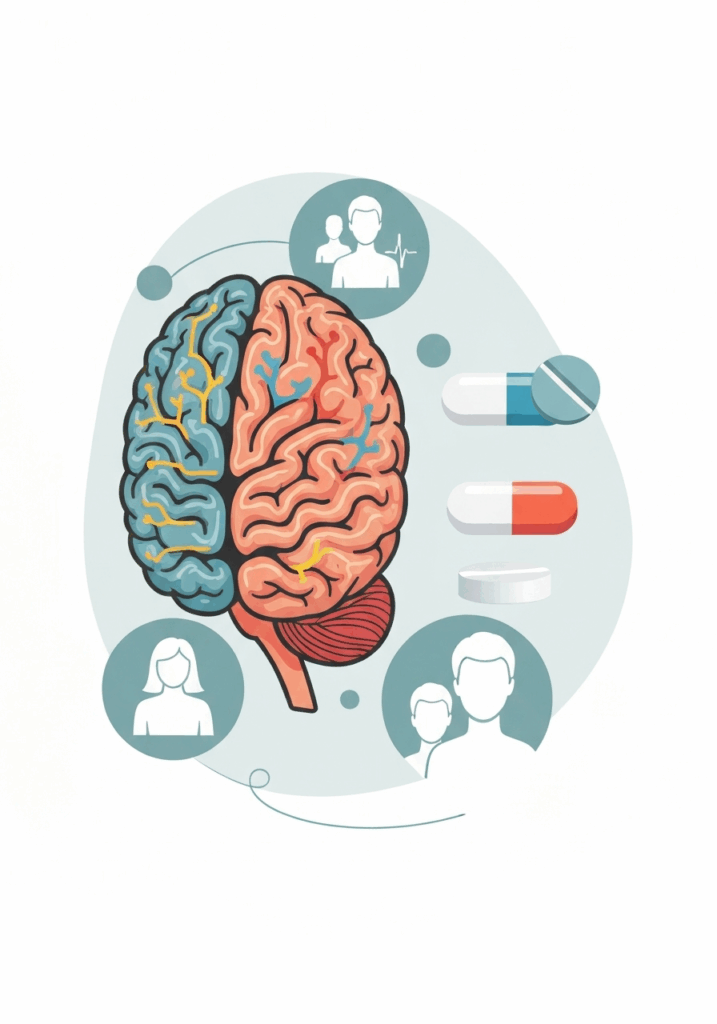
At the same time, talk therapy, such as cognitive-behavioral therapy (CBT), helps you identify the thought patterns and behaviors that contribute to your stress. Therapy equips you with practical coping skills and strategies that you can use in your daily life, long after you’ve stopped taking medication.
By combining these methods, you address both the symptoms and the underlying causes of your anxiety. This holistic approach empowers you to make lasting changes, leading to more significant and sustainable improvements in your mental well-being.
Practical Tips for Maximizing Outcomes
To get the most out of your treatment options, it’s important to be an active participant in your care. One of the most important things to know before starting a prescription is that medication is just one piece of the puzzle. Improving your daily functioning often requires a multi-faceted approach.
Working closely with your healthcare provider is essential. Be open and honest about your symptoms, any side effects you experience, and how the treatment is affecting you. Don’t hesitate to ask questions or express concerns. In addition to professional treatment, simple lifestyle modifications can make a big difference in managing mental illnesses.
Here are some tips to help you maximize your outcomes:
- Take your medication exactly as prescribed.
- Attend all therapy sessions and appointments.
- Incorporate regular exercise and a balanced diet into your routine.
- Prioritize getting enough quality sleep.
- Practice stress-reduction techniques like meditation or deep breathing.
Conclusion
Understanding drug stress medications is crucial for navigating the complexities of mental health treatment. By being informed about how these medications work, their potential side effects, and the benefits of combining them with therapy, you can make better decisions regarding your health. Remember, addressing stress and anxiety is a journey that involves both medical and lifestyle approaches. If you have further questions or need personalized advice, don’t hesitate to reach out for a free consultation. Prioritizing your mental well-being is essential, and support is available to help you along the way.
Frequently Asked Questions
Are there non-addictive medications for stress and anxiety?
Yes, there are non-addictive medications available. Selective serotonin reuptake inhibitors (SSRIs) are commonly prescribed for anxiety symptoms and are not considered habit-forming. They are a safe, long-term option for managing mental health and related health conditions without the risk of dependence.
Can stress medications interact with other drugs or supplements?
Yes, a drug interaction is possible. Combining certain stress medications with other drugs or even herbal supplements like St. John’s wort can cause possible side effects, including the rare but serious serotonin syndrome. Always inform your healthcare provider about everything you take before starting any new drug administration.
Is escitalopram effective for both stress and anxiety relief?
Yes, escitalopram (brand name Lexapro) is one of the selective serotonin reuptake inhibitors commonly used for the treatment of anxiety. It is effective at reducing symptoms of anxiety and can help improve your overall daily functioning by stabilizing your mood and reducing excessive worry.
https://doi.org/10.1517/14728214.2015.1049996
https://www.ncbi.nlm.nih.gov/books/NBK519704/table/ch3.t15
https://www.ncbi.nlm.nih.gov/pmc/articles/PMC7786299
https://www.ncbi.nlm.nih.gov/books/NBK557791
https://effectivehealthcare.ahrq.gov/products/mental-health-apps/report