
Effective Ways on How to Deal with Stress Today
Key Highlights
- Effective stress management is essential for protecting your overall mental health and well-being.
- You can find quick stress relief by practicing simple relaxation exercises, such as deep breathing.
- Building a healthy lifestyle through a balanced diet and regular physical activity provides long-term benefits.
- Learning healthy coping strategies helps you build resilience to handle difficult situations.
- Recognizing the physical and emotional signs of stress is the first step toward managing its impact.
- A strong social support network is a vital component of your stress management toolkit.
Introduction
Stress is a normal and natural part of life. We all experience it, and sometimes, a small amount can even motivate us. However, when your stress level becomes too intense or lasts for a long time, it can seriously affect your mental health and daily life, leading to overwhelming feelings and negative thoughts. You may not be able to avoid stress completely, but learning effective stress management techniques can help you navigate these challenges and regain a sense of control.
Understanding Stress in Everyday Life
Stress is your body’s natural response to situations that feel difficult or out of your control. It’s a normal part of life that everyone experiences, whether it’s pressure from a heavy workload or worry over personal issues. This feeling is a human reaction to life’s stressors in everyday life.
But when do these feelings cross the line? If your stress level feels unmanageable, it can impact your ability to complete daily tasks. Understanding what causes your stress and how to recognize its signs are the first steps toward developing effective management techniques.
What Causes Stress and Its Impact
Many different situations can cause your stress level to rise, and they can vary from person to person. Common triggers include relationship difficulties, arguments, or the illness of a loved one. Work-life balance is another major factor, with long hours and a lack of control contributing to pressure. Financial concerns are also placing a huge strain on many people.
Even a single traumatic event or the buildup of smaller issues can trigger a stress response. When you feel threatened or pressured, your body releases stress hormones. These hormones are designed to help you deal with the immediate situation, giving you a burst of energy to push through.
The problem arises when this response is triggered continuously over a long period. The sustained release of stress hormones can lead to long-term health conditions. This is why learning stress management techniques is so important for your well-being.
Recognizing the Signs of Stress
Learning to identify the symptoms of stress is the first step toward taking control. The signs can be physical, emotional, or behavioral, and they differ for everyone. You might notice physical warnings like tense muscles or frequent headaches, which signal that your stress level is high.
Your emotional health can also be affected. You might feel irritable, constantly worried, or simply overwhelmed by daily tasks. These feelings can make it hard to concentrate or remember things. Recognizing these changes is key to understanding the impact stress is having on you. If these symptoms become persistent and unmanageable, it may be a sign you need professional help to avoid more serious health problems or mental illness.
Common symptoms of stress include:
- Headaches and muscle tension
- Feeling overwhelmed and having difficulty concentrating
- Irritability and mood swings
- Changes to your sleep or eating habits
How Stress Affects Your Body and Mind
The effects of stress are not just in your head; they have a very real impact on your physical health. When you’re stressed, your body releases hormones that prepare you to handle a threat. Over time, this constant state of alert can lead to serious health issues like high blood pressure and even heart disease.
This response also takes a toll on your mind, contributing to anxiety, negative thoughts, and emotional exhaustion. Understanding how stress affects both your body and mind is crucial. Let’s look at the specific physical and emotional symptoms you might experience.
Physical Effects of Stress
Yes, chronic stress can have significant long-term impacts on your physical health. When your body is constantly in a state of high alert, it can weaken your immune system, making you more susceptible to getting sick. This sustained pressure also puts you at a higher risk for developing high blood pressure, which can damage your arteries and increase the chance of heart disease.
Preventing these long-term impacts involves proactive stress management. By identifying your stressors and using coping techniques, you can help your body return to a relaxed state. This approach to disease control is fundamental to protecting your overall health.
Here are some common physical symptoms of stress:
| Symptom | How It Feels |
|---|---|
| Headaches | Can range from dull aches to intense migraines. |
| Muscle Tension | You may feel tightness or pain, often in your neck, shoulders, and back. |
| Racing Heartbeat | Your heart may feel like it’s pounding or fluttering. |
| Stomach Upset | This can include nausea, cramps, or other digestive issues. |
Emotional and Mental Symptoms
Stress significantly impacts your emotional health and can feel like a heavy weight on your mind. You may find yourself stuck in a cycle of negative thoughts, constantly worrying about things that are out of your control. This can make you feel irritable, moody, and emotionally exhausted, affecting your interactions with others.
These feelings can also impact your cognitive functions. Do you ever find it hard to concentrate or feel unusually forgetful? These are common mental symptoms of being over-stressed. Your mind is so busy dealing with perceived threats that it struggles to focus on everyday tasks.
If left unmanaged, chronic stress can contribute to more serious mental health conditions, such as an anxiety disorder or depression. Recognizing these emotional signs is a critical part of protecting your mental well-being before it progresses toward a mental illness.
Quick Tips for Relieving Stress When Overwhelmed
When you start to feel overwhelmed, having some quick stress relief techniques on hand can make a big difference. You don’t always need a long-term plan; sometimes, you just need to calm your nervous system in the moment. Simple relaxation exercises can be done anywhere, anytime.
Techniques like deep breathing and progressive muscle relaxation are powerful stress management techniques that help reduce tension quickly. These simple practices can help you regain composure and feel more in control when things get intense. Let’s explore a few exercises you can use right away.
Breathing and Relaxation Exercises
Absolutely! There are many simple relaxation exercises you can try at home for immediate stress relief. Deep breathing is one of the most effective ways to calm your mind and body. It works by signaling to your nervous system that it’s okay to relax, helping to lower your heart rate and reduce feelings of anxiety.
Another powerful technique is progressive muscle relaxation. This involves tensing and then releasing different muscle groups in your body. By focusing on the physical sensation of letting go, you can release stored tension and promote a sense of calm.
Here are a few simple breathing exercises you can try:
- 4-7-8 Breathing: Breathe in through your nose for 4 seconds, hold your breath for 7 seconds, and then exhale slowly through your mouth for 8 seconds.
- Belly Breathing: Place one hand on your stomach. As you breathe in slowly, feel your belly rise. As you exhale, feel it fall.
- Take Short Breaks: Step away from a stressful situation for a few moments to take several slow, deep breaths.
- Guided Breathing: Use online apps or videos to guide you through different breathing patterns.
Grounding Techniques You Can Try Anywhere
Grounding techniques are practical tools for stress management that you can use to pull yourself out of an anxious or overwhelming moment. These exercises help anchor you in the present moment, shifting your focus away from worrying about the past or future. They are simple, discreet, and can be done anywhere in your daily life.
The goal of grounding is to connect with your immediate surroundings through your senses. By doing so, you can interrupt the cycle of negative thoughts and give your mind a much-needed break. This simple shift can have a powerful effect on your mental health when you’re feeling stressed.
Here are a few grounding techniques you can try anywhere:
- Observe Your Surroundings: Name five things you can see, four things you can feel, three things you can hear, two things you can smell, and one thing you can taste.
- Focus on Your Breath: Pay close attention to the sensation of your breath entering and leaving your body without trying to change it.
- Feel Your Feet: Press your feet firmly into the floor. Notice the sensation of the ground beneath you, supporting you.
Building Resilience to Handle Stressful Situations
Building resilience is about developing the ability to bounce back from stressful situations. It’s not about avoiding hardship, but about learning to cope with it in a positive way. By strengthening your resilience, you can better navigate challenges, maintain a sense of control, and reduce the long-term impact of stress.
This skill isn’t something you’re born with; it’s something you can develop over time. Cultivating a positive mindset and establishing healthy coping strategies are two key ways to build your emotional resilience. Let’s look at how you can start.
Developing a Positive Mindset
A key part of building resilience is developing a positive mindset. When you’re stressed, it’s easy to fall into a pattern of negative thoughts, but you can learn to shift your perspective. This doesn’t mean ignoring problems, but rather approaching them with a sense of curiosity and open-mindedness instead of fear.
Being kind to yourself is a crucial first step. Remind yourself that it’s okay to struggle and that you are not at fault for feeling stressed. This self-compassion can break the cycle of self-criticism that often accompanies stress.
Taking small steps to reframe your thoughts can make a big difference for your mental health. Here are a few ways to start:
- Be Kind to Yourself: Treat yourself with the same compassion you would offer a friend.
- Challenge Negative Thoughts: When a negative thought arises, ask yourself if it’s truly accurate or just a product of stress.
- Focus on What You Can Control: Accept what is out of your hands and direct your energy toward the things you can influence.
Cultivating Healthy Coping Strategies
Another way to build resilience is to find healthy ways to deal with stress instead of turning to unhelpful habits. Developing a set of reliable coping strategies gives you constructive outlets for your feelings and helps protect your emotional health. These habits can become your go-to toolkit when you feel pressure mounting.
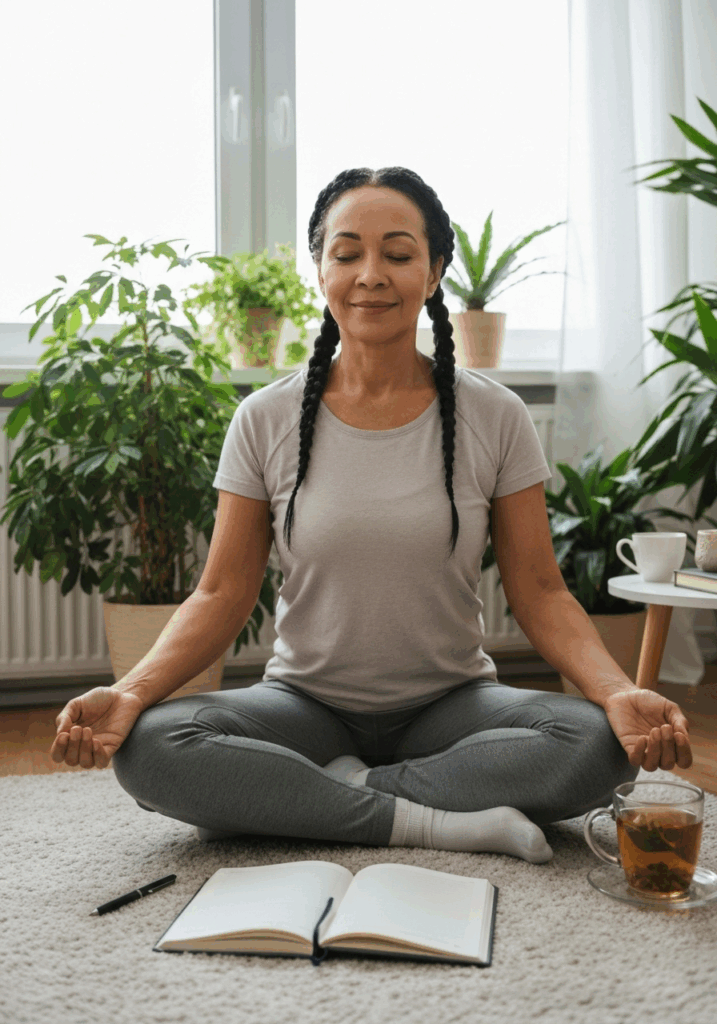
Physical activity is one of the most effective strategies. Even a short walk or dancing in your kitchen can release endorphins and improve your mood. Connecting with others is also vital. Talking to trusted friends or family members provides emotional support and can make you feel less alone.
Here are some healthy coping strategies you can cultivate:
- Get Moving: Incorporate regular physical activity into your routine.
- Connect with Others: Reach out to friends or family members for support.
- Make Time for Hobbies: Engage in activities that you enjoy and that make you feel good.
- Practice Self-Care: Set aside time for relaxation and activities that recharge you.
Lifestyle Changes to Prevent and Reduce Stress
Yes, making certain lifestyle changes is one of the most effective ways to reduce your overall stress levels. A healthy lifestyle acts as a strong foundation for stress management, making you better equipped to handle challenges when they arise. The core pillars of this approach are getting enough sleep, maintaining a healthy diet, and getting regular exercise.
These habits support both your physical and mental well-being, creating a buffer against the negative effects of stress. Let’s explore how you can prioritize sleep and diet to build a more stress-resistant lifestyle.
Prioritizing Restful Sleep and Routine
If stress starts interfering with your sleep, it can create a vicious cycle. A high stress level often leads to sleep problems, and a lack of sleep makes it harder to cope with stress. Prioritizing getting enough sleep is therefore crucial for breaking this pattern and preventing more serious health problems.
Establishing a consistent daily routine can also provide a sense of control when other parts of your life feel chaotic. Sticking to a regular pattern for sleeping, eating, and other activities helps regulate your body’s internal clock and can lower your overall stress. Good time management is a key part of this.
Here are some tips for better sleep and routine:
- Maintain a Consistent Schedule: Try to go to bed and wake up around the same time every day, even on weekends.
- Create a Relaxing Bedtime Routine: Wind down before sleep with a calming activity like reading or taking a warm bath.
- Structure Your Day: Use time management to organize your tasks and avoid feeling overwhelmed.
Maintaining a Balanced Diet and Activity Level
A healthy diet and regular physical activity are powerful tools for stress management. The food you eat can directly impact your mood and energy levels. Eating a balanced diet gives your body the nutrients it needs to function optimally, which can help you feel more equipped to handle stress. Try to avoid too much sugar or processed foods, which can lead to energy crashes and irritability.
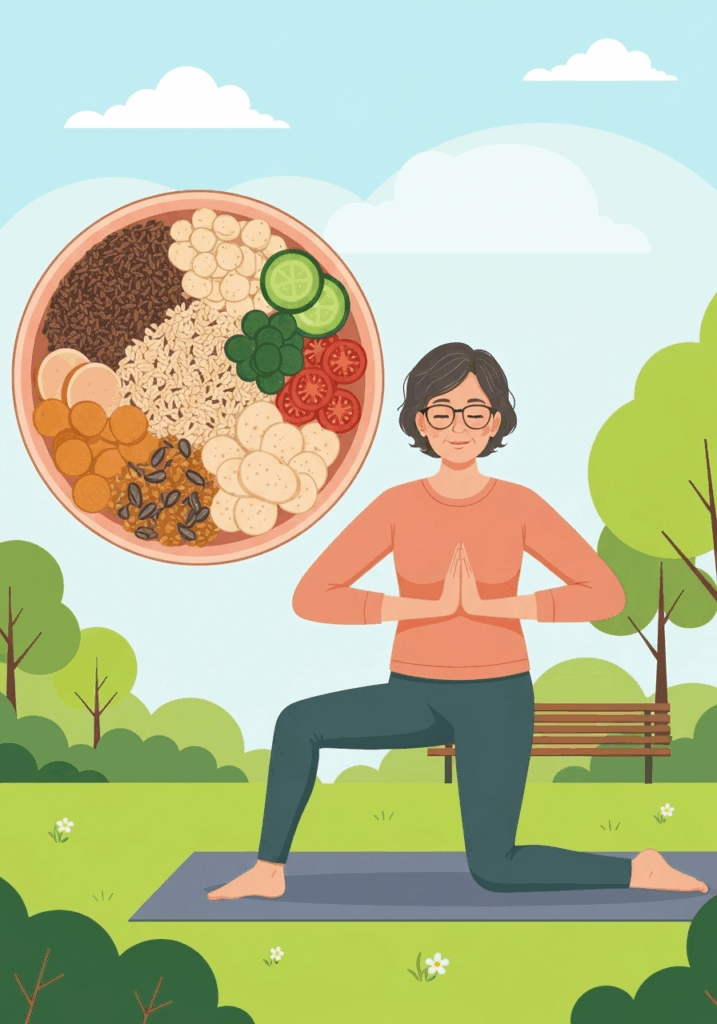
Similarly, physical activity is a natural stress-buster. Exercise releases endorphins, which are chemicals in your brain that act as natural mood elevators. Even just 30 minutes of movement each day can improve your focus, reduce tension, and boost your emotional resilience.
Incorporate these habits into your healthy lifestyle:
- Eat Nutrient-Rich Foods: Focus on a diet with plenty of fruits, vegetables, whole grains, and lean proteins.
- Stay Hydrated: Drink plenty of water throughout the day to support brain health and energy.
- Find Movement You Enjoy: Choose a physical activity you like, whether it’s walking, swimming, or dancing.
- Include Omega-3s: Foods like salmon and walnuts contain omega-3 fatty acids, which can help reduce stress hormones.
Self-Care Practices to Manage Stress Effectively
Self-care means intentionally making time for activities that support your mental, physical, and emotional well-being. It’s an essential part of any effective stress management plan. Self-care isn’t selfish; it’s about recharging your batteries so you can handle life’s pressures more effectively.
These practices can be whatever you need them to be, from quiet mindfulness to having fun with friends. Building social support and knowing when to reach out to mental health services are also forms of self-care. Let’s explore some specific activities that are highly recommended for relieving stress.
Mindfulness and Meditation for Daily Calm
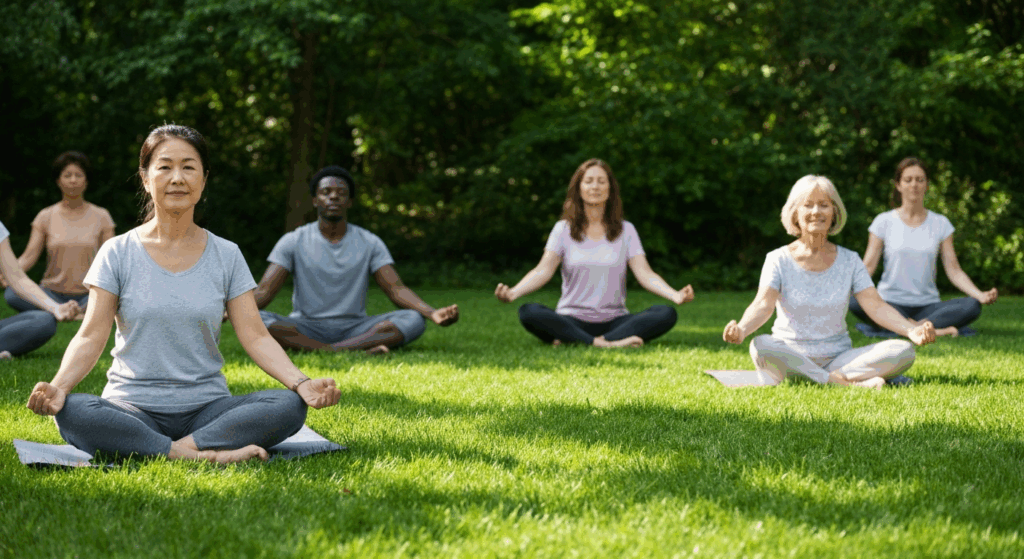
Mindfulness and meditation are excellent self-care activities for daily stress relief. Is the simple practice of paying attention to the present moment without judgment. Research suggests that mindfulness meditation can help reduce the effects of stress, including anxiety, poor concentration, and low moods.
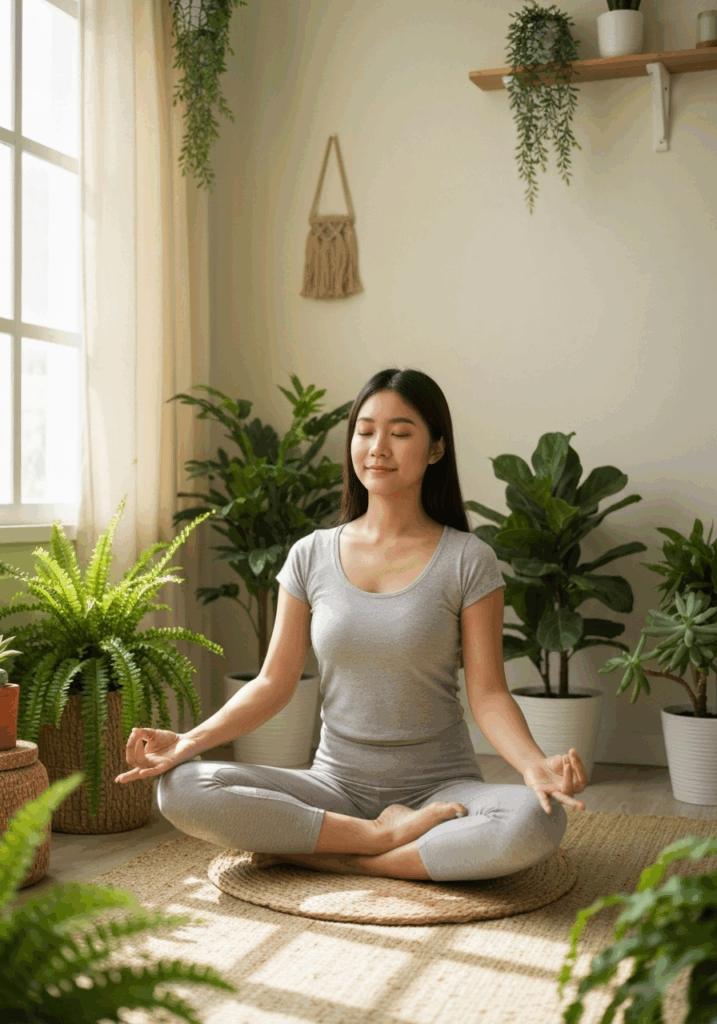
This practice helps you step back from racing thoughts and observe them without getting caught up in them. By focusing on your breath or the sensations in your body, you can create a sense of calm and clarity. It’s a simple tool that can be practiced anywhere, at any time.
Here are some ways to incorporate mindfulness into your day:
- Start Small: Dedicate just 5-10 minutes each day to a mindfulness or meditation practice.
- Use Guided Apps: Many free apps and online videos can lead you through mindfulness meditation exercises.
- Focus on the Present Moment: Throughout your day, take a moment to notice your surroundings and how you are feeling.
Engaging in creative outlets and nurturing your social support system are fantastic self-care activities for stress management. Creative pursuits like art, dancing, or playing music can provide a healthy escape and a way to express emotions without words. They help you focus your mind on something enjoyable and rewarding.
Equally important is connecting with other people. Spending time with friends and family members can offer emotional support and a valuable distraction from stressors. A strong support network provides a safe space to share your feelings and reminds you that you aren’t alone.
Here are some ways to find creative and social outlets:
- Reconnect with Hobbies: Make time for activities you love, whether it’s painting, gardening, or a bike ride.
- Schedule Social Time: Regularly connect with friends and family members who lift you up.
- Join a Group: Consider a community class or support group to meet people with similar interests.
- Spend Time with Loved Ones: Being with people who encourage you can drastically reduce stress.
Conclusion
In summary, managing stress is essential for maintaining both physical and mental well-being. By understanding the causes of stress and recognizing its signs, you can take proactive steps to alleviate its impact on your life. Implementing quick relief techniques, building resilience, and making lifestyle changes can create a solid foundation for stress management. Additionally, incorporating self-care practices like mindfulness and creative outlets will empower you to handle stress more effectively. Remember, taking care of yourself is not just a luxury—it’s a necessity. Prioritize your mental health, and you’ll find it easier to navigate life’s challenges with a positive outlook. If you’re ready to take the next step toward stress relief, consider exploring practical strategies that work best for you!
Frequently Asked Questions
What are healthy habits for long-term stress management?
For long-term stress management, focus on building a healthy lifestyle. This includes getting regular exercise to boost your mood, prioritizing enough sleep to help your body recover, and maintaining a healthy diet to support your physical and mental energy. These habits create a strong foundation for resilience.
When should I seek professional help for stress?
You should seek professional help if the symptoms of stress become overwhelming, persist for a long time, or interfere with your daily life. If you’re struggling to manage chronic stress on your own, reaching out to mental health services for options like talk therapy is a proactive and courageous step.
Are there simple at-home techniques to relieve stress quickly?
Yes, there are many simple techniques for quick relief. Relaxation exercises like deep breathing and progressive muscle relaxation can be done at home or anywhere to lower your stress level. These breathing techniques help calm your nervous system and bring you back to a state of balance.
https://www.cdc.gov/mental-health/living-with
https://medlineplus.gov/ency/patientinstructions/000874.htm
https://www.mayoclinichealthsystem.org/hometown-health/speaking-of-health/the-4-as-of-stress-relief
https://www.cdc.gov/children-mental-health/about/about-anxiety-and-depression-in-children.html