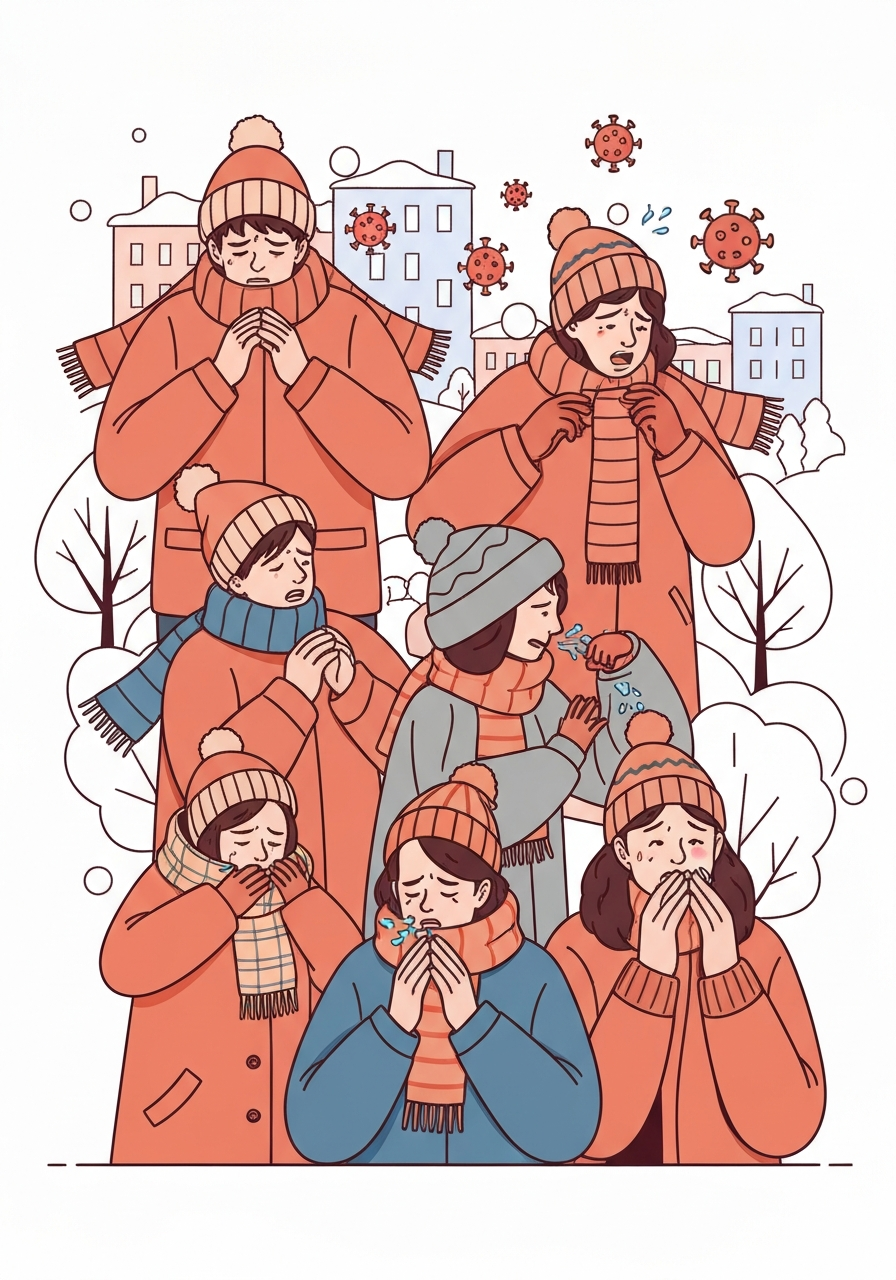

Cold Weather Causes Flu? Facts You Need to Know
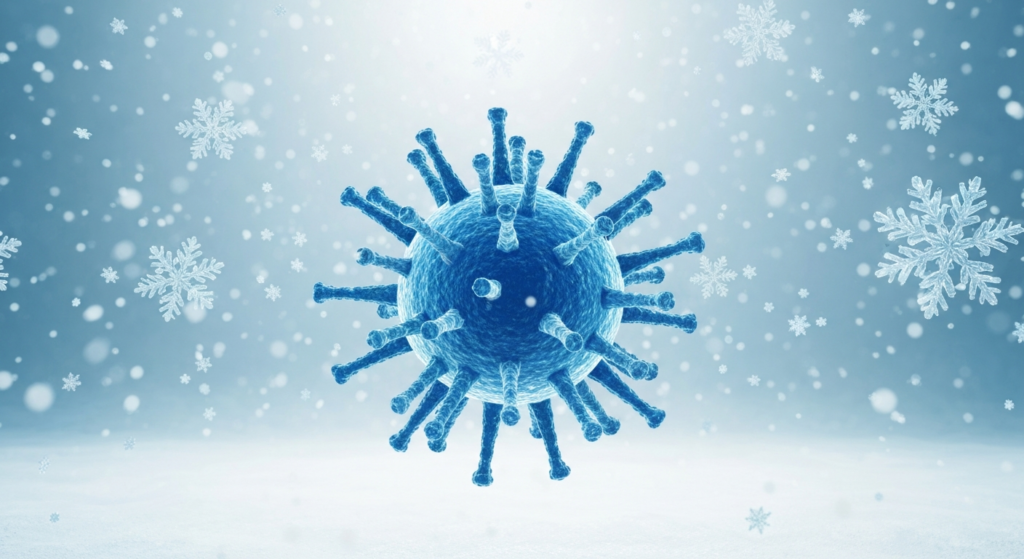
- Cold weather does not directly cause the flu; you must be exposed to the flu virus.
- The influenza virus survives and spreads more easily in cold, dry air, which is common during winter months.
- Spending more time indoors increases your risk of exposure to the virus.
- Exposure to cold temperatures may impact your immune system, making it harder to fight off infections.
- Lower vitamin D levels during the flu season can also affect your body’s defenses.
- These factors combined contribute to a rise in respiratory infections in winter.
Introduction
Have you ever been told to bundle up to avoid catching a cold? It’s a common piece of advice passed down through generations. As the temperature drops, it always seems like the flu season is just around the corner. But does cold weather actually make you sick? This long-held belief isn’t quite the full story. Let’s separate fact from fiction and explore the real connection between chilly days and getting sick with influenza.
Exploring the Connection Between Cold Weather and the Flu
To be clear, cold weather itself cannot make you sick. The flu is caused by the influenza virus, and you have to come into contact with that specific germ to get ill. So, what is the link between a cold day and catching the flu? The answer is a bit more complex than you might think.
The truth is that cold weather creates the perfect conditions for the flu virus to thrive and spread. It’s not the temperature that causes the illness but rather the environment it fosters. Below, we’ll look at how your behavior and the virus’s activity change when the weather gets cold.
Does Cold Air Directly Trigger Flu Viruses?
No, cold air doesn’t magically create a flu virus. To get a viral infection like the flu or the common cold, you must be exposed to the virus itself. Cold weather and frigid temperatures do not manifest these illnesses on their own. A viral component must be present for you to get sick.
That said, some research suggests that certain viruses may function more efficiently in cooler temperatures. For example, rhinoviruses, a primary cause of the common cold, may replicate better at temperatures slightly below our core body temperature. The inside of your nasal cavity is about 91.4°F, which could be an ideal breeding ground for these germs.
Ultimately, while the temperature of cold air might give some viruses a slight edge, it is not the direct cause of your sickness. You still need exposure to the flu virus from another person or a contaminated surface to fall ill.
Understanding Flu Transmission in Winter Months
Flu transmission ramps up significantly during the winter months, and the cold, dry air plays a major role. When an infected person coughs or sneezes, they release tiny droplets containing viral particles into the air. In cold, less humid conditions, these droplets can stay suspended for longer periods, increasing the chance of someone else inhaling them.
This environment makes it easier for the flu to spread for several reasons:
- Viruses like influenza can survive longer in cold, dry air.
- People tend to spend much more time indoors, often in poorly ventilated spaces.
- Closer proximity to others inside means you are more likely to breathe in aerosols from someone who is sick.
For individuals with existing respiratory conditions, this heightened flu transmission poses a greater risk. The increased presence of viral particles in the air makes them more susceptible to catching the flu, which can lead to more severe complications like pneumonia or bronchitis.
Why Are Respiratory Illnesses More Common in Winter?
Have you ever wondered why sniffles and coughs seem to take over as soon as the colder months arrive? The rise in respiratory infections like the common cold and flu during the flu season isn’t a coincidence. It’s the result of a “perfect storm” of factors related to the virus, our behavior, and our bodies.
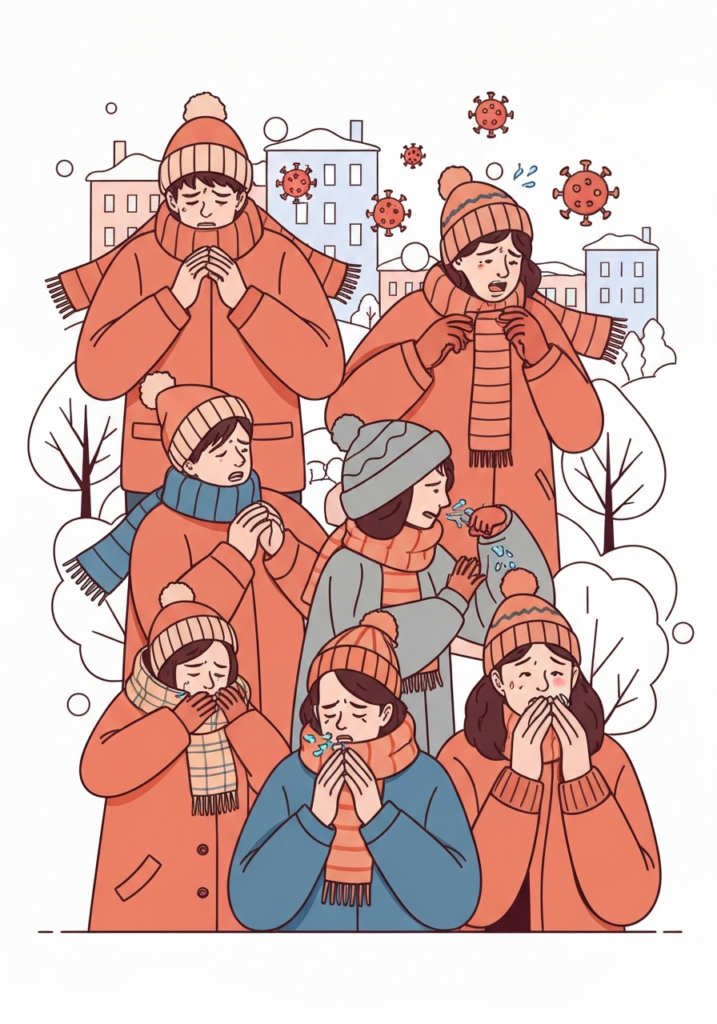
It’s not just one thing but a combination of elements that make winter prime time for getting sick. These include changes in our daily habits and the way viruses behave in different climates. Let’s take a closer look at how our actions and the virus’s activity contribute to this seasonal pattern.
Changes in Human Behavior During Cold Seasons
When the temperature drops during the winter months, our natural instinct is to head indoors to stay warm. While this keeps you comfortable, spending more time inside can significantly increase your risk of getting sick. Indoor environments bring people into close contact, making it easier for viruses to jump from one person to another.
Our behavior shifts in several ways that encourage the flu to spread:
- We spend much more time in shared indoor spaces like offices, schools, and homes.
- Windows are kept shut, reducing ventilation and trapping airborne germs.
- We are physically closer to more people, increasing the chances of direct transmission.
Sudden temperature drops often push everyone indoors at once, creating crowded environments where a single sick person can easily spread germs. Without fresh air to disperse viral particles, these indoor settings become hotspots for transmission. So yes, simply staying indoors more often can raise your risk of catching the flu.
This increased viral activity means the air you breathe is more likely to contain infectious particles, posing a bigger threat to everyone, especially those with pre-existing respiratory conditions. The combination of more active viruses and more time spent indoors is a key reason why the flu peaks in winter.
Impact of Cold Temperatures on the Immune System
Beyond changing how viruses spread, cold temperatures can also have a direct impact on your body’s ability to defend itself. While being cold doesn’t create a virus, some evidence suggests that exposure to cold can affect your immune system, potentially resulting in a weakened immune system.
This doesn’t mean you’re guaranteed to get sick, but it might lower your defenses. A slightly suppressed immune response can make it harder for your body to fight off germs once you’re exposed. Let’s explore how cold weather can specifically affect your body’s natural defenses.
How Cold Weather Can Affect Your Body’s Defenses
Your immune system is a complex network, and several factors associated with cold weather can interfere with its performance. From nutrient deficiencies to physiological responses, the winter season can present unique challenges to your immune system health.
One of the most significant factors is reduced sun exposure, which leads to lower vitamin D levels. Vitamin D plays a crucial role in supporting a healthy immune response. In addition, breathing in cold air triggers a physical reaction in your body that may hinder its defenses.
Here’s a breakdown of how cold weather can affect your immune system:
| Factor | Impact on Immune System Health |
|---|---|
| Reduced Vitamin D | Less sun exposure in winter leads to lower vitamin D levels, which is essential for a healthy immune system. |
| Narrowing Blood Vessels | Breathing cold air causes blood vessels in the upper respiratory tract to constrict, reducing the flow of infection-fighting white blood cells to the area. |
| Affected Airway Cells | Studies on mice suggest that chilled airway cells have a decreased immune response against viruses, making it easier for germs to take hold. |
A sudden, drastic drop in temperature can be a shock to your system. While the change in weather alone won’t make you sick, it can present a challenge to your immune system. Your body has to work harder to acclimate to the new climate, which may temporarily impact your immune response and increase your susceptibility to infection.
These temperature drops also influence our environment. We quickly turn on our central heating systems, which often dehumidify the air. This dry air, combined with our tendency to seal up our homes, can create an ideal setting for flu spread. Your heating and cooling systems may struggle to keep up, leading to poor air quality.
This combination of factors—a challenged immune system, a surge in indoor crowding, and drier air—can contribute to flu outbreaks following a sudden cold snap. Your body is slightly less prepared to fight off germs right as the environment becomes more favorable for them to thrive.
Conclusion
In summary, while cold weather itself does not directly cause the flu, it creates a perfect storm for respiratory illnesses to thrive. Understanding how cold temperatures influence our immune system and behavior can empower you to take proactive steps in maintaining your health during winter months. By recognizing the increased viral activity and our own susceptibility, you can make informed choices about staying healthy. As we navigate this chilly season, prioritize your well-being and stay mindful of the factors that contribute to flu spread. For more personalized advice on keeping healthy during cold and flu season, feel free to reach out for support!
Frequently Asked Questions
Is it a myth that being outdoors in the cold makes you sick?
Yes, it is largely a myth that cold air itself makes you sick. Illnesses like the flu are caused by a respiratory virus, not the weather. You must be exposed to the flu virus to become infected. However, cold weather can create conditions that help the virus spread and may weaken your immune response.
Can staying indoors during winter raise your risk of flu?
Absolutely. During the winter months, we spend more time in indoor environments. This increases close contact with others in spaces that may have poor ventilation. This setting makes it much easier for viruses to spread from person to person, which is a major reason for the increase in flu cases during winter.
What are practical ways to stay healthy during cold and flu season?
For prevention, focus on washing your hands regularly, getting enough sleep, and eating a nutritious diet to support vitamin D levels. Consider getting the annual flu vaccine. You can also improve indoor ventilation by cracking a window to help disperse germs and reduce your risk of getting sick.
https://doi.org/10.1093/ofid/ofad039
https://www.cdc.gov/features/rhinoviruses/index.html