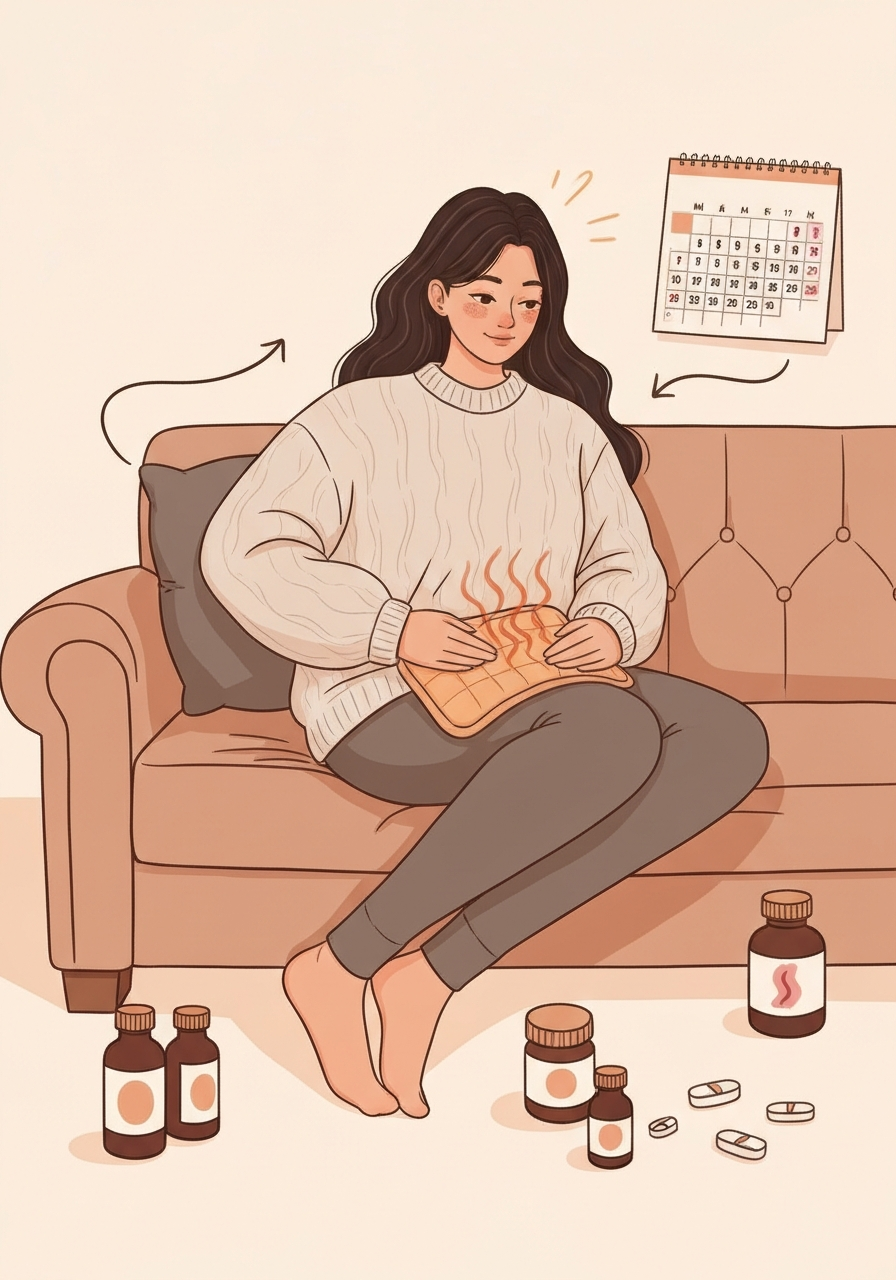

10 Effective Drugs to Relieve Period Cramps Fast

Key Highlights
- Over-the-counter (OTC) pain relief options like ibuprofen and naproxen sodium are often the first choice for managing period cramps.
- These medications work by reducing the production of prostaglandins, which cause uterine contractions and menstrual pain.
- If OTC options don’t provide enough relief, a doctor might suggest prescription-strength medications or hormonal birth control.
- It’s important to be aware of potential side effects, such as stomach upset, and to use these medications as directed for safe pain relief.
- For severe menstrual cramps, consulting a healthcare provider can help identify underlying conditions and find the best treatment.
Dealing with menstrual cramps can be a frustrating part of your monthly menstrual cycle. This common period pain, also known as dysmenorrhea. Can range from a dull ache to severe spasms that disrupt your daily life. Additionally, if you experience heavy bleeding, such as soaking through more than a pad an hour over two hours, it’s essential to seek medical advice. The good news is you don’t have to just endure the discomfort. Many effective medications are available to help you find relief and get back to your routine.
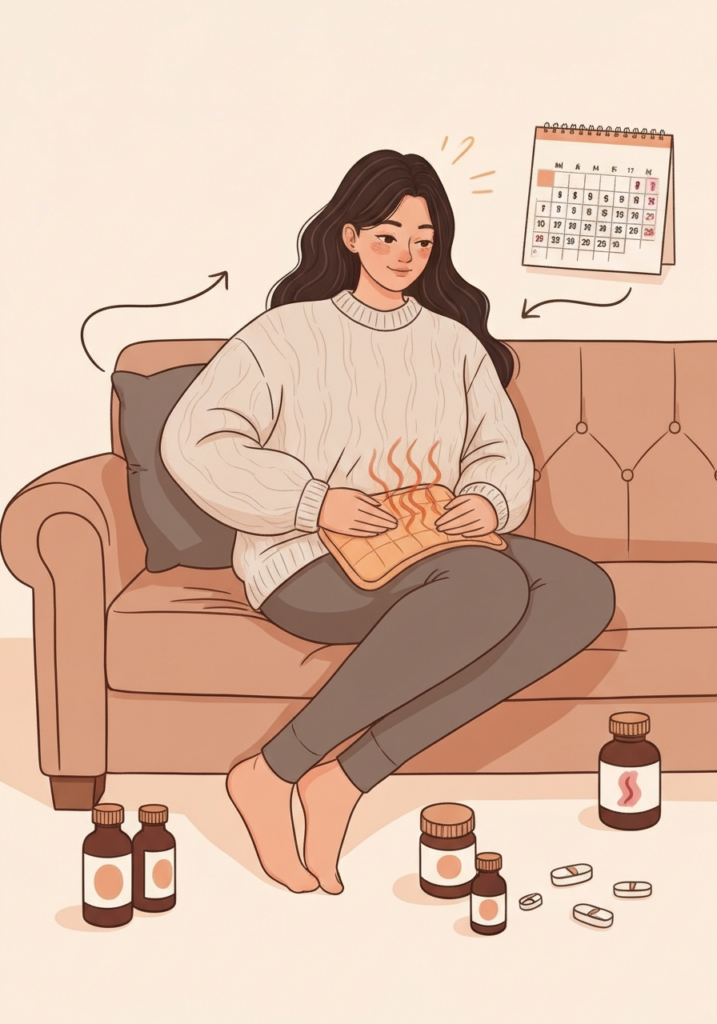
10 Effective Drugs to Relieve Period Cramps Fast
When period cramps strike, finding fast relief from different types of pain is your top priority. A variety of pain medications are available, from over-the-counter (OTC) choices to stronger prescription options. Over-the-counter drugs like ibuprofen are commonly recommended and work well for many people experiencing menstrual pain. They are easily accessible and target the cause of the cramps.
However, if your menstrual cramps are severe and don’t respond to OTC treatments, prescription medications may be necessary. These can include stronger anti-inflammatory drugs or hormonal treatment options that provide more powerful pain relief. Let’s look at 10 effective drugs that can help manage your period pain.
1. Ibuprofen (Advil, Motrin)
Ibuprofen, sold under brand names like Advil and Motrin, is one of the most commonly recommended pain reliever tablets for period pain. As a non-steroidal anti-inflammatory drug (NSAID), it is highly effective at easing the pain you feel in your lower abdomen during your period. It works by blocking the production of prostaglandins, the chemicals responsible for the uterine contractions that cause cramps.
For the best results, many healthcare providers suggest taking ibuprofen a day or two before you expect your period to start. Continuing to take it for the first few days of your cycle can help keep pain levels manageable. According to recommendations from the National Institutes of Health. This proactive approach can prevent cramps from becoming severe.
While ibuprofen is a go-to for many, it’s important to follow the product label for proper dosing. This health information can sometimes include side effects like an upset stomach, so taking it with food may help. If your pain doesn’t improve, it’s always a good idea to chat with your doctor.
2. Naproxen Sodium (Aleve)
Another effective anti-inflammatory drug for menstrual pain is naproxen sodium, widely known as Aleve. Like ibuprofen, naproxen is an NSAID that provides relief from period cramps by inhibiting the body’s production of prostaglandins. OTC pain relievers such as these hormone-like substances are a key factor in inflammation and pain, and reducing them helps to lessen uterine contractions.
What sets naproxen sodium apart is its longer-lasting effect. A single dose can provide pain relief for up to 12 hours, which means you may need to take fewer pills throughout the day compared to other pain medications. This makes it a convenient option for managing persistent period cramps that last all day.
To maximize its effectiveness, you can start taking naproxen sodium a day or two before your period begins. This helps prevent the prostaglandin levels from peaking, which can reduce the severity of your menstrual pain from the start. Additionally, be aware of potential side effects, including swelling of the face. Always read the label for correct dosage and consult a healthcare provider if you have any concerns.
3. Acetaminophen (Tylenol)
Acetaminophen, the active ingredient in Tylenol, is another popular over-the-counter option for pain relief. It is often recommended for those with milder menstrual cramps or for individuals who cannot take NSAIDs due to stomach issues or other health conditions. In addition to acetaminophen, dietary supplements such as vitamin E may also be considered. As they can offer additional support for managing menstrual discomfort. Acetaminophen works differently than NSAIDs, as it targets pain signals in the brain rather than blocking prostaglandin production at the source.
While some studies suggest it may not be as potent for period pain or heavy menstrual bleeding as NSAIDs like ibuprofen. Many people find it provides sufficient relief for their discomfort. It is also gentler on the stomach, which is a significant benefit if other pain medications cause gastrointestinal side effects for you.
Because it works differently, acetaminophen can be a great alternative. It’s available on its own or as a key ingredient in combination products designed specifically for menstrual symptoms. As with any medication, it’s essential to use it as directed, and if you ever have a missed dose, do not exceed the recommended dose.
4. Mefenamic Acid (Ponstel)
When over-the-counter options don’t provide enough pain relief for severe menstrual cramps, your doctor might prescribe mefenamic acid. Sold under the brand name Ponstel, this is a prescription-strength NSAID specifically used to treat menstrual pain, according to the Cleveland Clinic. It’s a powerful option for those who experience debilitating cramps that interfere with their daily activities.
Mefenamic acid works by significantly reducing prostaglandins, the compounds that cause painful uterine contractions. Because it’s a stronger medication, it can offer more substantial relief than what you might get from OTC drugs. This makes it a go-to treatment for primary dysmenorrhea when other methods have failed.
Since mefenamic acid is a prescription medication, it’s crucial to take it exactly as your healthcare provider instructs. They will determine the right dose and duration for you based on your symptoms and medical history. This ensures you get the most effective relief from your severe menstrual pain and severe cramping while minimizing potential risks.
5. Midol Complete
Midol Complete is a well-known name in menstrual pain relief for a reason. This over-the-counter medication is formulated with multiple ingredients to tackle a range of period-related symptoms, not just cramps. It contains acetaminophen for pain relief, caffeine to combat fatigue and bloating, and an antihistamine (pyrilamine maleate) to help with water retention.
This combination approach makes Midol a popular choice for those who experience more than just period pain. If you also deal with bloating, headaches, and tiredness during your cycle, this multi-symptom formula can be particularly helpful. By addressing several issues at once, it helps you feel more like yourself. For optimal hydration, consider keeping a water bottle handy throughout your day.
A typical dose is two caplets every six hours as needed. One of the advantages of its acetaminophen base is that it’s less likely to cause stomach-related side effects compared to NSAIDs. However, the added ingredients can cause other effects like dizziness or a dry mouth, so it’s important to follow the package instructions based on body weight.
6. Diclofenac
Diclofenac is another potent non-steroidal anti-inflammatory drug (NSAID) that can be prescribed to manage moderate to severe period cramps, especially for those with high blood pressure. Like other NSAIDs, it provides pain relief by blocking the enzymes that produce prostaglandins. By reducing these chemicals, diclofenac lessens the intensity of uterine contractions and alleviates menstrual pain.
This medication is available in various forms, including tablets and topical gels, offering different ways to tackle discomfort. When taken orally, it works systemically to reduce inflammation and pain throughout the body. Its strong anti-inflammatory properties make it an effective choice when OTC options like ibuprofen or naproxen are not strong enough, and if you experience severe symptoms, seeking medical attention is crucial.
As a prescription medication, diclofenac should only be used under the guidance of a healthcare provider. They will assess whether it’s the right choice for your level of menstrual pain and ensure you’re using it safely, stored at room temperature if necessary. It’s a valuable tool in the fight against disruptive period cramps for those who need a stronger solution.
7. Celecoxib
Celecoxib is a different type of NSAID known as a COX-2 inhibitor. Prescription medications like Celecoxib differ from OTC options because they target inflammation more specifically, which can mean a lower risk of certain side effects. It works by selectively blocking the COX-2 enzyme, which is primarily responsible for pain and inflammation, while having less effect on the COX-1 enzyme that helps protect the stomach lining. This makes it a preferable choice for those who are allergic to acetylsalicylic acid or other salicylates.
This targeted action makes celecoxib a suitable option for individuals who need strong pain relief for menstrual cramps but are at a higher risk for stomach issues like ulcers, bleeding, or symptoms such as tarry stools from traditional NSAIDs. It provides effective relief from period pain by reducing the production of prostaglandins in the uterus.
Because it is a prescription medication, a discussion with your doctor is necessary to see if celecoxib is right for you. They can evaluate your overall health, possibly conduct a pelvic exam, and the severity of your menstrual pain to determine if this more targeted approach is the best way to manage your symptoms effectively and safely.
8. Birth Control Pills (Oral Contraceptives)
For those dealing with consistently severe menstrual pain, hormonal birth control pills are often recommended as a long-term solution. Oral contraceptives work by preventing ovulation and thinning the lining of the uterus. A thinner lining produces fewer prostaglandins, which leads to lighter periods and significantly less cramping and pain. This makes them a specific and effective medication for severe menstrual cramps.
There are two main types of pills: combination pills, which contain both estrogen and progestin, and progestin-only pills. Your healthcare provider can help you decide which type is best for your needs, especially if you have conditions affecting your fallopian tubes. The goal of these hormonal contraceptives is to regulate your cycle and reduce the underlying cause of painful cramps.
Many people find that their period cramps become much more manageable or even disappear after starting birth control pills. It’s a proactive way to gain relief from issues like pelvic inflammatory disease, rather than just treating the pain as it happens each month. This approach can dramatically improve your quality of life if menstrual pain is a recurring problem.
9. Transdermal Patches (e.g., Estradiol Patch)
Another hormonal option for managing severe period pain is the transdermal patch, such as the birth control patch. This patch is worn on the skin and delivers a steady dose of hormones (estrogen and progestin) directly into your bloodstream. Like oral contraceptives, the patch works by preventing ovulation and thinning the uterine lining and addressing issues related to reproductive organs, which reduces prostaglandin production.

This leads to lighter, less painful periods, providing effective long-term pain relief from menstrual cramps. The patch influences blood vessels, making it a convenient option for those who might forget to take a pill every day. You typically apply a new patch once a week for three weeks, followed by a patch-free week for your period.
Using a transdermal patch can be a very effective way to manage severe menstrual cramps. By regulating your hormones and incorporating omega-3 fatty acids into your diet, it addresses the root cause of the pain. If you’re looking for a low-maintenance, long-term solution, discuss with your doctor whether the patch is a suitable choice for you.
10. Topical NSAID Creams
While pain relief tablets are common, you can also find topical NSAID creams for menstrual pain. These creams or gels are applied directly to the skin over your lower abdomen and lower back, where you feel the cramps most intensely. They work by delivering the anti-inflammatory medication right to the source of the pain, helping to relax the muscles and reduce discomfort.
Topical pain relief can be a great alternative for those who want to avoid the potential stomach-related side effects of oral pain medications. The active ingredients, such as salicylates, are absorbed through the skin to provide localized relief while keeping out of the reach of children, without affecting your entire system in the same way a pill does. Some formulas also contain menthol for a soothing, cooling sensation.
These NSAID creams are generally intended for minor aches and pains, so they may be best for milder period cramps or used in combination with other treatments to promote blood flow. Be sure to apply them only to unbroken skin and follow the product’s directions for use.
Side Effects and Safety Tips for Period Cramp Medications
While period pain medications offer much-needed relief, it’s important to be aware of potential serious side effects and use them safely. Most over-the-counter options are safe for short-term use, but like any medicine, they carry some risks. Knowing the common side effects can help you make informed choices about your menstrual pain management.
Following safety tips, like taking medication with food or adhering to dosage instructions, can minimize risks, including unusual weight gain. Below, we’ll explore some common side effects and discuss how to use these pain relief options safely during your period.
Common side effects of period pain relief drugs
Understanding the possible side effects of drugs used for period pain relief can help you manage your treatment safely. NSAIDs like ibuprofen and naproxen are effective for menstrual cramps, but they can sometimes cause stomach-related issues, particularly for those with inflammatory bowel disease, because they affect the protective lining of your stomach.
Common side effects associated with these pain relief medications can include:
- Upset stomach or nausea
- Heartburn
- Headache
- Dizziness
- Dry mouth (especially with combination products like Midol)
In most cases, these side effects are mild and temporary. Taking your medication with a meal or a glass of milk can often help prevent stomach discomfort. However, if you experience any severe or persistent side effects, it’s important to stop taking the medication and talk to your healthcare provider for guidance on finding relief.
For most people, using over-the-counter painkillers for a few days during their menstrual cycle is generally safe, especially if they experience severe cramps. These medications are designed for short-term pain relief to help you get through the most uncomfortable days of your period. Following the dosage instructions on the package is key to ensuring their safe and effective use.
However, regular use every month raises questions for many. If you find yourself needing pain relief consistently, it’s a good idea to discuss this with a health care provider. They can confirm that there are no underlying health conditions causing your severe pain and help you find the best long-term strategy for managing your period pain.
In conclusion, knowing the right medications to relieve painful menstrual cramps and period cramps can make a significant difference in managing discomfort. From over-the-counter options like Ibuprofen and Naproxen to prescription drugs such as Mefenamic Acid, there are various effective choices available. It’s essential to be aware of potential side effects and safety tips to ensure you’re using these medications appropriately. Remember, every individual’s body reacts differently, so it may take some time to find the best solution for you. If you’re looking for personalized advice and recommendations, don’t hesitate to get a free consultation with our experts to help you navigate your options and find the relief you deserve.
Frequently Asked Questions
How fast do period cramp relief drugs work?
Most over-the-counter drugs for period cramps, like ibuprofen and naproxen, typically start providing pain relief within 30 to 60 minutes. The full effect is usually felt within a couple of hours. Always follow the recommended time between doses and be aware of symptoms of an allergic reaction; do not take your next dose early.
Can teens use the same period cramp medicines as adults?
Yes, teenagers can often use the same over-the-counter (OTC) medicines as adults for period cramps, such as ibuprofen and acetaminophen. However, it’s crucial to follow the age and weight-specific dosing instructions on the product label. Consulting a healthcare provider is always the best approach for personalized advice regarding OTC medicines.
Are there non-drug alternatives for menstrual cramp relief?
Absolutely! Many people find relief from menstrual cramps with non-drug alternative treatments. Popular home remedies include applying a heating pad or taking a warm bath (heat therapy), light exercise and physical activity like walking or yoga, and relaxation techniques. These can be great on their own or with medication.
https://order.store.mayoclinic.com/flex/mmv/fhblc01
https://pubmed.ncbi.nlm.nih.gov/6571974
https://order.store.mayoclinic.com/flex/mmv/HLFBOOK
https://www.ncbi.nlm.nih.gov/pmc/articles/PMC7220209/
https://dailymed.nlm.nih.gov/dailymed/drugInfo.cfm