
Understanding Hearing Aids and Hearing Drugs: A Guide

Key Highlights
Here are the key takeaways from our guide on medications and your hearing health: Certain life-saving drugs, known as ototoxic medications, can unfortunately cause hearing loss. These drugs can damage the delicate hair cells in your inner ear, which are vital for hearing. For individuals experiencing hearing loss due to ototoxic medications, over-the-counter hearing aids may provide some benefit by amplifying sounds. However, the effectiveness of these devices can vary depending on the severity of the damage to the hair cells in the inner ear. It’s important to consult an audiologist or hearing health professional to determine the most suitable solution for your specific hearing needs.
- Certain life-saving drugs, known as ototoxic medications, can unfortunately cause hearing loss.
- These drugs can damage the delicate hair cells in your inner ear, which are vital for hearing.
- Common culprits include some antibiotics, chemotherapy drugs, and even over-the-counter pain relievers.
- Monitoring your hearing and discussing risks with your doctor is crucial for protecting your hearing health.
- If you experience medication-related hearing damage, solutions like hearing aids can significantly help.
When you start a new medication, you probably look out for common side effects like drowsiness or an upset stomach. But did you know some medicines can affect your hearing? This is known as ototoxicity, and it’s an important aspect of your overall hearing health. Understanding which drugs carry this risk isn’t about causing alarm. Instead, it’s about empowering you to be proactive. By learning about the connection between medications and hearing loss, you can have more informed conversations with your doctor and explore solutions like hearing aids if needed. Hearing aids and related devices that address medication-induced hearing loss are regulated by the FDA as medical devices. The FDA oversees the safety and effectiveness of these devices to ensure they meet established standards for people experiencing hearing loss, including that caused by certain medications.
Overview of Hearing Health and Types of Hearing Loss
Your hearing health is a vital part of your well-being, but it’s often overlooked until a problem arises. Hearing loss can occur when any part of the ear, including the delicate inner ear, doesn’t work as it should. Getting a hearing test is the first step to understanding the type and degree of any potential issue.
There are two main types of hearing loss: sensorineural hearing loss, which involves the inner ear, and conductive hearing loss, which relates to the outer or middle ear. Identifying which type you have is key to finding the right treatment.
Key Causes of Hearing Loss in the United States
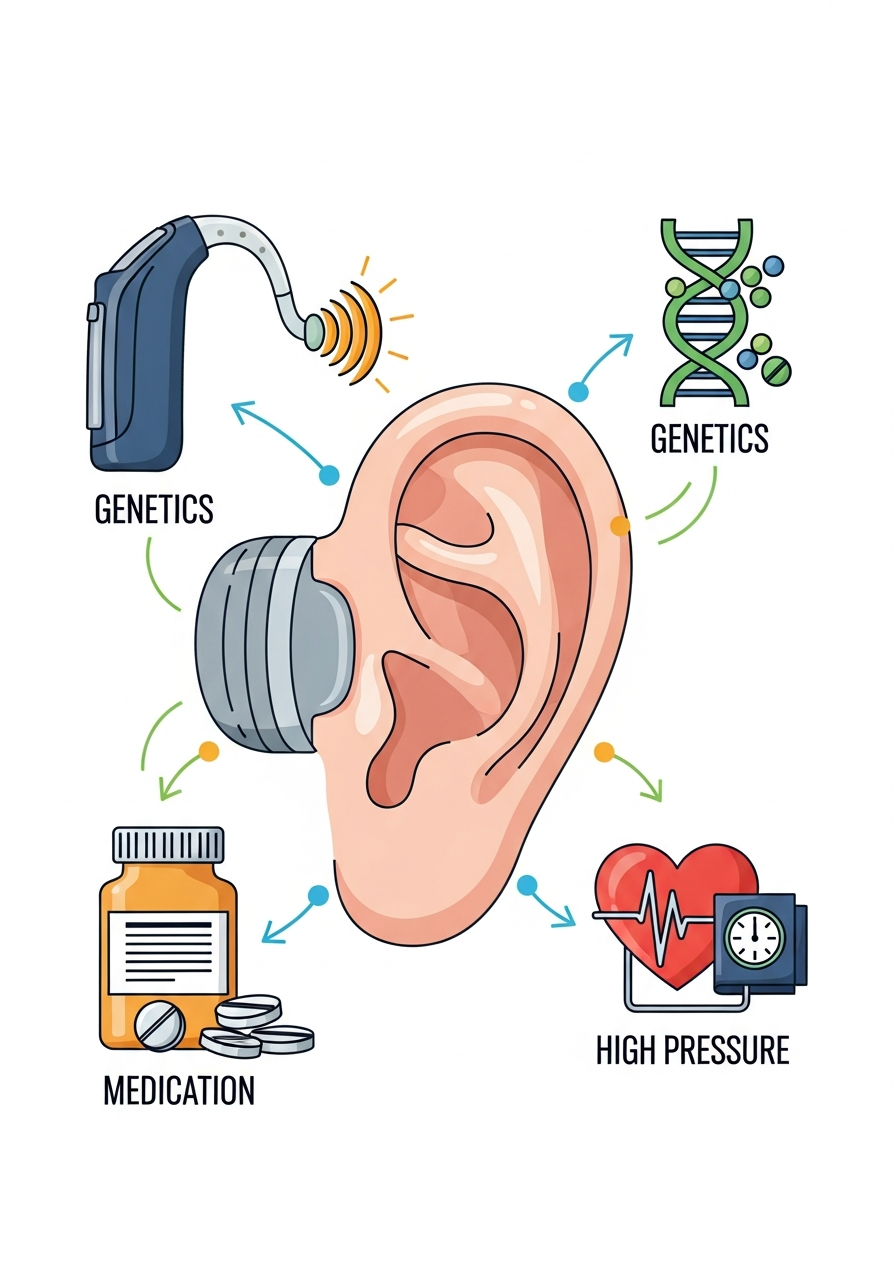
Hearing loss is a common issue affecting many people, especially older adults. While aging is a primary factor, it’s not the only cause. Your family history can play a role, as genetic predispositions can make you more susceptible to hearing problems. Additionally, certain health conditions like high blood pressure can impact the tiny blood vessels in your inner ear, contributing to hearing decline over time.
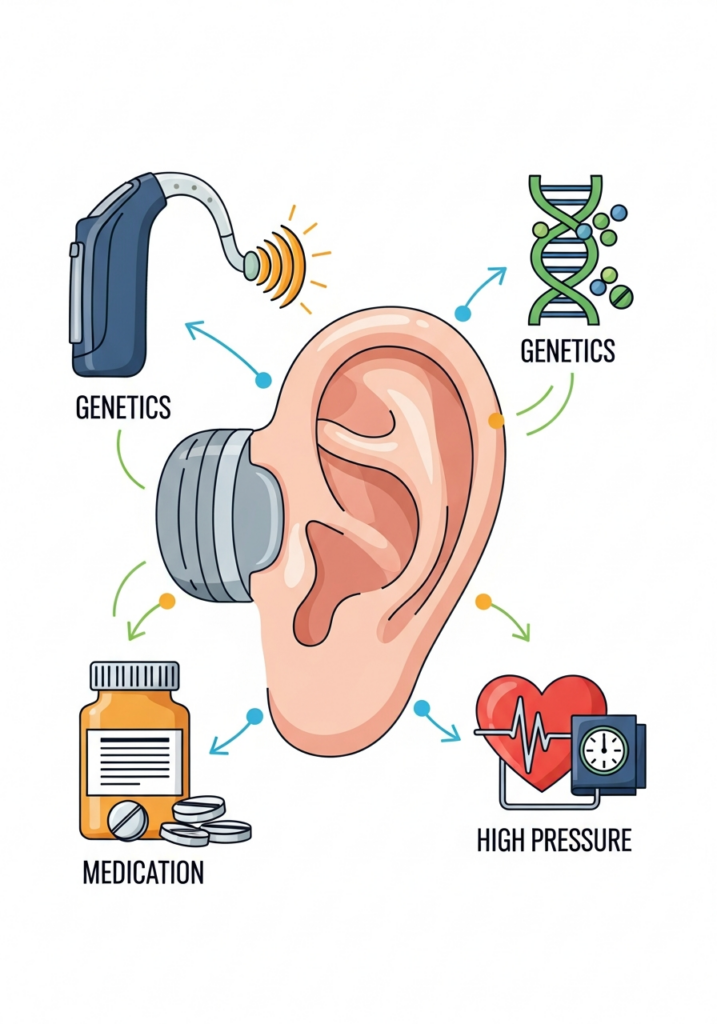
One often-overlooked cause is the use of certain medications. Many prescription and over-the-counter drugs have the potential to damage your hearing. Some of the most common ones include:
- High doses of pain relievers like aspirin and ibuprofen
- Certain antibiotics used for serious infections
- Chemotherapy drugs
If you have concerns about your hearing, especially if you take these types of medications regularly, scheduling a hearing test is a wise move. An evaluation can provide a clear picture of your hearing health and help you and your doctor make informed decisions.
Understanding Sensorineural Versus Conductive Hearing Loss
To understand your hearing, it’s helpful to know the difference between the two main types of hearing loss. Conductive hearing loss happens when sound can’t get through the outer or middle ear. This could be due to something as simple as earwax buildup or as complex as fluid in the middle ear.
On the other hand, sensorineural hearing loss involves a problem with the inner ear or the nerve pathways to the brain. This is the most common type of permanent hearing loss and often results from damage to the delicate hair cells in the cochlea. These cells are responsible for converting sound vibrations into electrical signals your brain can interpret. A hearing test can determine which type you have.
Here’s a simple breakdown: | Feature | Sensorineural Hearing Loss | Conductive Hearing Loss | |—|—|—| | Affected Area | Inner ear (cochlea) or auditory nerve | Outer or middle ear | | Common Causes | Aging, noise exposure, ototoxic drugs | Earwax, fluid, ear infections | | Permanence | Often permanent | Often temporary and treatable |
What Are Ototoxic Drugs and How Do They Affect Hearing?
Ototoxic drugs are medications that can cause hearing damage as a side effect. The term “ototoxic” literally means “toxic to the ear.” These medications can harm the delicate structures within your inner ear, leading to hearing loss, tinnitus (ringing in the ears), or balance problems. The ototoxic effects can range from temporary to permanent, depending on the drug and how it’s used.
These drugs work by harming the sensitive hair cells inside the cochlea, which are responsible for turning sound waves into signals your brain understands. Once these cells are destroyed, they don’t grow back, which can result in permanent hearing damage. It’s important to be aware of these potential side effects and discuss them with your healthcare provider.
Common Ototoxic Medications and Their Mechanisms
Several classes of drugs are known for their ototoxic potential. These medications are often essential for treating serious health conditions, but they carry a risk of harming your hearing. Understanding which ones are riskiest helps you and your doctor monitor your hearing health during treatment.
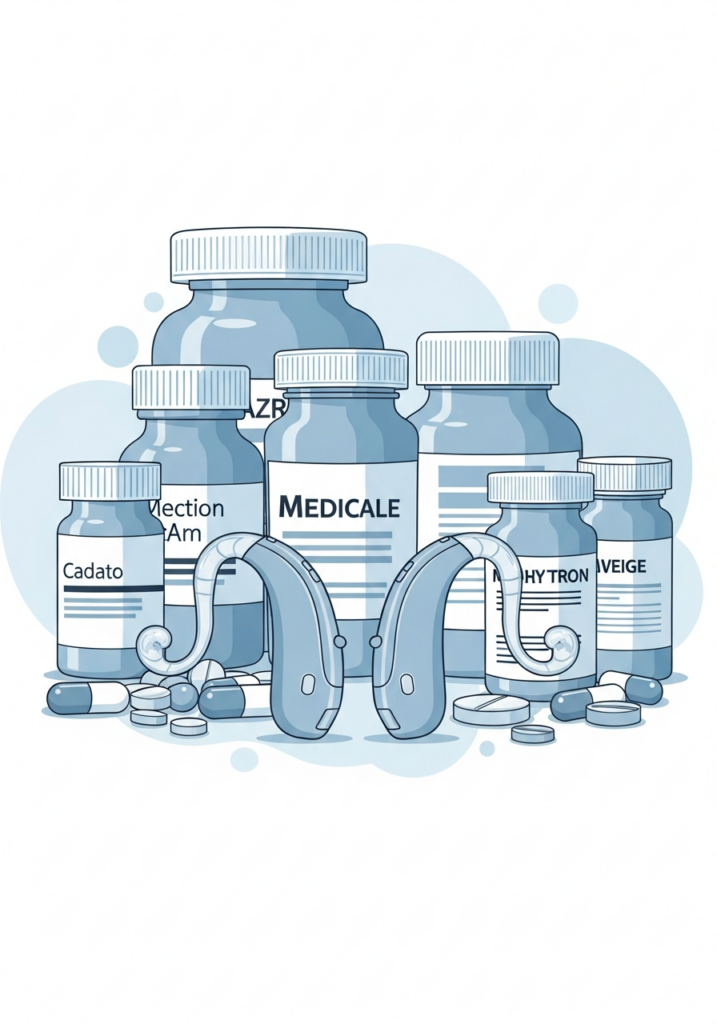
The way these medications cause damage varies. For example, some drugs can disrupt the delicate fluid balance in the inner ear, while others directly attack the sensory cells responsible for hearing. The risk often increases with higher doses or longer treatment periods.
Here are some common ototoxic medications:
- Aminoglycoside antibiotics: Powerful drugs like gentamicin that can cause permanent hearing loss.
- Loop diuretics: Used for high blood pressure, these can affect the inner ear’s fluid levels.
- Chemotherapy drugs: Platinum-based agents like cisplatin are highly toxic to cochlear hair cells.
- High-dose aspirin: Can cause temporary tinnitus and hearing loss.
Recognizing Symptoms of Drug-Induced Hearing Loss
If you are taking a medication with ototoxic potential, it’s vital to be aware of the early signs of hearing damage. These symptoms can appear gradually or quite suddenly, so paying attention to any hearing changes is key. The sooner you notice an issue, the sooner you can address it with your doctor.
One of the most common signs is tinnitus, or ringing in the ears. You might also notice that sounds seem muffled or that you have trouble understanding conversations, especially in noisy places. In some cases, you might experience balance problems, such as dizziness or unsteadiness.
Watch for these specific symptoms:
- A new ringing, buzzing, or hissing sound in your ears (tinnitus symptoms).
- Difficulty hearing high-pitched sounds.
- Sudden hearing loss in one or both ears, which should be treated as a medical emergency.
Medicines Most Commonly Associated with Hearing Problems
You might be surprised to learn that some of the most common medicines can contribute to hearing problems. From life-saving prescription drugs to everyday over-the-counter remedies, the risk of hearing damage is more widespread than many people realize. Certain antibiotics, chemotherapy drugs, and even common pain relievers are known ototoxic medications.
These drugs can cause issues ranging from temporary tinnitus to permanent hearing loss. Understanding the main categories of medications associated with hearing damage can help you have proactive conversations with your healthcare providers about monitoring and managing these risks effectively.
Antibiotics, Chemotherapy, and Other Prescription Drugs
When it comes to prescription drugs, some of the most powerful treatments for serious conditions also carry the highest risk for hearing damage. Aminoglycoside antibiotics, for instance, are used to fight serious infections but are well-known for their potential to cause permanent hearing loss.
Similarly, platinum-based chemotherapy drugs like cisplatin are incredibly effective against cancer but are also among the most aggressively ototoxic substances in medicine. Even hormone therapy used over several years has been linked to an increased risk of hearing loss in postmenopausal women. The risk often depends on factors like the specific drug, the dosage, and the length of treatment.
Key prescription drug classes to be aware of include:
- Aminoglycoside antibiotics (e.g., gentamicin, tobramycin)
- Platinum-based chemotherapy drugs (e.g., cisplatin, carboplatin)
- Certain heart medications and psychotropic drugs
Over-the-Counter Pain Relievers and Diuretics
It’s not just powerful prescription drugs that can affect your hearing; some common over-the-counter medications can also pose a risk. Everyday pain relievers like aspirin and NSAIDs (ibuprofen, naproxen) can cause temporary hearing loss and tinnitus, especially when taken in high doses over a long period.
Loop diuretics, often prescribed to manage high blood pressure and fluid retention, are another category to watch. These medications work by altering fluid and electrolyte levels in the body, which can disrupt the delicate environment of the inner ear. While the hearing loss from diuretics can be temporary, it depends on the dose and duration of use.
Be mindful of these medications:
- Aspirin, ibuprofen, and naproxen, particularly with frequent, high-dose use.
- Loop diuretics like furosemide (Lasix).
- Acetaminophen, which has been linked to hearing issues with long-term, frequent use. A hearing test can help determine if these medications are contributing to any hearing changes.
Identifying and Managing Risks When Using Ototoxic Medications
If you need to take ototoxic medications, you can still take steps to protect your hearing. Proactive management is key. One of the most important things you can do is establish a baseline of your hearing health. Getting a baseline hearing test before or early in your treatment gives your healthcare team a reference point to track any changes.
By knowing your risk factors and carefully monitoring for side effects, you can work with your doctor to catch potential problems early. This allows for adjustments to your treatment plan before any hearing changes become significant or irreversible.
Monitoring Early Signs and Talking to Your Doctor
Being vigilant about your hearing is your first line of defense when taking a drug with ototoxic potential. Early detection of hearing changes can make a significant difference in preventing long-term damage. Don’t dismiss subtle symptoms like a new ringing in your ears or a slight difficulty understanding speech.
If you notice any hearing issues, it’s crucial to speak with your doctor right away. They can help determine if your medication is the cause and discuss potential next steps. This might involve adjusting your dosage, switching to an alternative medication, or scheduling a comprehensive hearing test to assess the situation.
To stay on top of your hearing health:
- Report any new tinnitus, dizziness, or muffled hearing to your doctor immediately.
- Request a hearing test to get a clear picture of your auditory function.
- Have open conversations about the benefits and risks of your treatment.
Strategies for Preventing Medication-Related Hearing Loss
While you can’t always avoid ototoxic drugs, you can take steps to minimize the risk of hearing loss. Prevention starts with awareness and open communication with your healthcare team. Make sure all your providers have a complete list of your medications, including over-the-counter drugs and supplements.
Your doctor can weigh the benefits of a particular treatment against the potential hearing risks. In some cases, they may be able to prescribe the lowest effective dose or consider alternative treatment options with less ototoxic potential. Regular monitoring is also a critical part of the prevention strategy.
Here are some strategies to protect your hearing:
- Ask your doctor if your medication carries a risk of hearing loss.
- Get a baseline hearing test before starting treatment.
- Schedule regular follow-up hearing tests to monitor for changes.
- Never stop taking a prescribed medication without consulting your doctor first.
Hearing Aids as a Solution for Drug-Induced Hearing Loss
If you’ve experienced permanent hearing loss as a side effect of medication, it can be disheartening. However, this doesn’t mean you have to accept a diminished quality of life. Hearing aids are one of the most effective treatment options for managing drug-induced hearing damage and can make a world of difference.
Modern hearing aids are sophisticated devices designed to amplify the specific frequencies you’re missing, helping you reconnect with the sounds around you. A thorough hearing evaluation can determine the extent of your hearing loss and help identify the best type of hearing aid for your unique needs.
How Hearing Aids Work and Who Can Benefit
Hearing aids are small electronic devices that help make sounds louder and clearer. They work by capturing sound with a microphone, amplifying it with a processor, and delivering it to your ear through a tiny speaker. Modern hearing aids are far more advanced than simple amplifiers; they can be programmed to match your specific pattern of hearing loss.
Anyone with hearing loss resulting from damage to the cochlear hair cells—which is common in drug-induced cases—can potentially benefit. If a hearing test shows that you have difficulty with word recognition or hearing certain pitches, hearing aids may be an excellent solution. They help fill in the auditory gaps, making it easier to follow conversations and enjoy everyday sounds.
You may be a good candidate for hearing aids if you:
- Have difficulty understanding speech, especially in noisy environments.
- Frequently ask others to repeat themselves.
- Have been diagnosed with mild to severe hearing loss.
Alternatives and Additional Treatments for Hearing Issues
While hearing aids are a fantastic solution for many, they aren’t the only option for treating hearing issues. Depending on the type and severity of your hearing loss, other treatments may be more suitable. A comprehensive hearing evaluation is the first step in exploring all available treatment options.
For individuals with severe to profound sensorineural hearing loss who don’t get much benefit from hearing aids, cochlear implants can be a life-changing alternative. Unlike a hearing aid, which amplifies sound, a cochlear implant bypasses the damaged part of the inner ear and directly stimulates the auditory nerve.
Other supportive treatments and strategies can include:
- Assistive listening devices (ALDs) for specific situations like watching TV or talking on the phone.
- Auditory training programs to help your brain better process sound.
- Communication strategies for you and your family to learn.
Conclusion
In summary, understanding hearing aids and the impact of ototoxic drugs is essential for maintaining your hearing health. With various types of hearing loss and the potential risks associated with certain medications, being informed can help you take proactive steps. Regular communication with your healthcare provider about any symptoms or concerns is crucial for managing risks effectively. Additionally, exploring the benefits of hearing aids can provide significant improvements for those experiencing drug-induced hearing loss. By prioritizing both awareness and action, you can safeguard your hearing and enhance your quality of life. If you have further questions or need personalized advice, don’t hesitate to reach out for assistance!
Frequently Asked Questions
Can hearing aids help with hearing loss caused by medication?
Yes, absolutely. Hearing aids are one of the most common and effective treatment options for permanent hearing loss caused by ototoxic drugs. They work by amplifying the sounds you’ve been missing, which can significantly improve communication, restore confidence, and enhance your overall quality of life.
Are there ways to reverse or treat drug-induced hearing loss?
In some cases, ototoxic effects are temporary and may reverse after stopping the medication. However, when damage is permanent, it cannot be reversed. Treatment options then focus on management, with hearing aids being the primary solution. A hearing test can confirm the nature of your hearing loss and guide treatment.
Which medicines should people with existing hearing problems avoid?
If you have existing hearing issues, it’s especially important to be cautious with ototoxic drugs. You should discuss any use of aminoglycoside antibiotics, platinum-based chemotherapy drugs, loop diuretics, and high-dose pain relievers with your doctor to weigh the risks and benefits and explore safer alternatives if possible.
https://doi.org/10.2471/BLT.21.286823
https://www.ncbi.nlm.nih.gov/pmc/articles/PMC5209586
https://www.ncbi.nlm.nih.gov/pmc/articles/PMC9855291
https://pubmed.ncbi.nlm.nih.gov/21102332
https://www.youtube.com/channel/UCLS1H0fJxJO2Fg7D6BY3sNQ
https://www.who.int/publications/journals/bulletin