


How to Manage Stress and Drugs Prescription Effectively

Key Highlights
- Several types of anxiety medications, including SSRIs and benzodiazepines, are available to manage stress, and a doctor can help find the right choice for your mental health.
- While effective, these drugs can have side effects, making it crucial to work with a primary care doctor to manage them.
- Anxiety medications like benzodiazepines can become less effective over time and may lead to physical dependence.
- Lifestyle changes and alternative treatment options like cognitive behavioral therapy can also help manage the physical symptoms of anxiety.
- Doctors consider your medical history and the severity of your symptoms before creating a treatment plan with anxiety medications.
Introduction
When you’re overwhelmed by constant worry or the physical symptoms of anxiety, finding relief is a top priority. While medication can be a helpful tool in the treatment of anxiety, it’s not the only solution. Understanding the different types of drugs, their effects, and the role they play in your overall mental health is key. This guide will walk you through how to manage stress and prescription medications effectively, empowering you to make informed decisions about your well-being.
Understanding Stress and Its Effects
Stress is a natural part of life, but when it becomes chronic, it can significantly impact your mental and physical well-being. Your body’s response to stressful situations can trigger a cascade of physical symptoms, from a racing heart to tense muscles.
Recognizing how stress affects you is the first step toward managing it. For some, it manifests as emotional turmoil, while for others, the physical symptoms are more pronounced. Effective mental health care involves understanding these responses and finding healthy ways to cope. Let’s explore what causes stress and how your body reacts.
What Causes Stress in Daily Life
Everyday life is filled with potential stressors that can contribute to mental health problems. These triggers vary from person to person, but some common sources include work pressure, financial difficulties, relationship issues, and major life changes. Even seemingly minor daily hassles can accumulate and lead to significant stress over time.
Identifying your personal stress triggers is a crucial step in managing your response to them. Understanding the different types of anxiety and what causes them can help you develop targeted coping strategies. Some common causes of stress include:
- Work or school demands: Deadlines, heavy workloads, and challenging colleagues.
- Financial worries: Bills, debt, and unexpected expenses.
- Relationship conflicts: Disagreements with partners, family, or friends.
- Major life events: Moving, changing jobs, or dealing with an illness.
Are there safer alternatives to prescription drugs for managing everyday stress? Yes, many people find relief through non-medical approaches. Lifestyle changes like exercise, mindfulness, and therapy are powerful tools for managing the physical symptoms of anxiety without the side effects of medication. These alternatives often address the root cause of stress rather than just the symptoms.
Physical and Emotional Responses to Stress
When you encounter a stressful situation, your nervous system kicks into high gear, activating the “fight-or-flight” response. This reaction floods your body with stress hormones like norepinephrine, preparing you to face a perceived threat. You might notice physical symptoms like a rapid heart rate, sweating, and trembling hands.
These physical responses are often accompanied by emotional ones. You might feel irritable, agitated, or overwhelmed. Chronic stress can lead to persistent anxiety symptoms, making it difficult to relax or concentrate. These feelings are your brain’s way of signaling that it’s under too much pressure.
Understanding this connection between your mind and body is essential for effective mental health management. Recognizing that your physical symptoms are linked to your emotional state can help you address the root cause of your stress. By managing your stress levels, you can often alleviate the uncomfortable physical sensations that come with them.
When Is Prescription Medication Considered for Stress
If stress and anxiety begin to disrupt your daily life, prescription medication might be a helpful part of your treatment plan. A health care provider may suggest medication when symptoms are severe and interfere with your ability to function at work, school, or in your relationships.
The decision to use medication is not taken lightly. It’s usually considered after other treatment options, like therapy and lifestyle changes, have been tried without enough success. Your doctor will help you weigh the benefits against the potential risks to find the best path forward. This process involves evaluating your symptoms and getting a professional diagnosis.
Evaluating Stress Severity and Triggers
Before a doctor recommends medication, they will want to understand the severity of your stress and what triggers it. How often do you experience symptoms of anxiety? Do they prevent you from completing daily tasks? Answering these questions helps your provider gauge the impact stress has on your life.
Your doctor will also look for patterns. For example, if your anxiety is linked to specific situations, like public speaking, the treatment plan might differ from someone with generalized anxiety disorder who feels worried most of the time. People with severe, persistent anxiety may have a higher risk of developing other health issues, making timely treatment important.
This evaluation helps create a personalized treatment plan. Medication might be a short-term solution to help you get through a crisis or a longer-term strategy to manage a chronic anxiety disorder. The goal is always to find the most effective approach with the fewest side effects.
Professional Assessment and Diagnosis
Getting a proper diagnosis is a critical step in managing stress and anxiety. Your primary care doctor or a mental health care specialist will conduct a thorough assessment. This often involves a physical exam to rule out any underlying medical conditions that could be causing your symptoms.
The American Psychiatric Association provides criteria that help professionals diagnose different types of anxiety disorders. Your doctor will compare your symptoms to this guide to make an accurate diagnosis. They will ask about:
- The nature of your worries and fears.
- How long you have been experiencing symptoms.
- The impact of your symptoms on your daily life.
When should someone consider medication instead of therapy for stress management? This is a key question in the assessment. Medication might be recommended if symptoms are severe and debilitating, providing quicker relief while therapy works on long-term coping skills. Often, a combination of both is the most effective approach for many types of anxiety.
Common Types of Prescription Drugs for Stress and Anxiety
There are several types of medication available for the treatment of anxiety. A doctor can help you understand the different treatment options and determine which one is most suitable for you. These anxiety medications work in different ways to help manage your symptoms and improve your mental health.
What are the most common types of prescription drugs used to manage stress and anxiety? The main categories include antidepressants like SSRIs and SNRIs, as well as benzodiazepines. Each class of drugs has its own benefits and potential side effects. Let’s explore some of these common types of medication in more detail.
Selective Serotonin Reuptake Inhibitors (SSRIs)
Selective serotonin reuptake inhibitors, or SSRIs, are a type of antidepressant commonly prescribed for anxiety. Doctors often consider them a first-line treatment for generalized anxiety disorder and OCD. These serotonin reuptake inhibitors work by increasing the levels of serotonin, a chemical in the brain that helps regulate mood.
It typically takes two to six weeks for SSRIs to become fully effective. While they are not considered habit-forming, it’s important to consult a doctor before stopping them to avoid withdrawal effects. Though generally causing fewer side effects than older antidepressants, some people may experience issues.
Some examples of SSRIs used for anxiety include:
| Generic Name | Brand Name |
|---|---|
| Citalopram | Celexa |
| Escitalopram | Lexapro |
| Fluoxetine | Prozac |
| Paroxetine | Paxil |
| Sertraline | Zoloft |
These medications are often used for the treatment of depression as well as anxiety.
Benzodiazepines and Their Role
Benzodiazepines are sedatives that provide rapid relief from the physical symptoms of anxiety, such as muscle tension. Drugs like Xanax and Valium work quickly, often within an hour, making them effective for short-term issues like a panic disorder episode. They work by slowing down the central nervous system, which promotes relaxation.
However, these drugs come with significant risks. Benzodiazepines can become less effective over time and have a high potential for physical dependence. Because of this, doctors rarely prescribe them for long-term use. Abruptly stopping them can lead to severe withdrawal symptoms, including increased anxiety and even seizures.
Due to the risk of addiction, experts recommend that benzodiazepines not be used continuously for more than six months. They are sometimes prescribed alongside an SSRI for a few weeks to manage anxiety symptoms until the antidepressant takes full effect. How do benzodiazepines work to reduce anxiety and stress? They enhance the effect of a neurotransmitter that calms brain activity.
Other Prescription Options: SNRIs, Beta Blockers, and Buspirone
Besides SSRIs and benzodiazepines, other medications can help manage stress. Serotonin-norepinephrine reuptake inhibitors (SNRIs) are another class of antidepressants effective for anxiety. Like SSRIs, they are considered a first-line treatment. SNRIs, such as Effexor XR, work by increasing levels of both serotonin and norepinephrine in the brain.
Beta-blockers, typically used for high blood pressure, can be prescribed off-label to control the physical symptoms of anxiety like a racing heart. Buspirone is a slower-acting anti-anxiety drug with a lower risk of dependence. Other options include:
- Tricyclic Antidepressants (TCAs): An older class of antidepressants that may be used if other medications aren’t effective.
- Monoamine Oxidase Inhibitors (MAOIs): An early type of antidepressant, rarely prescribed now due to serious side effects and dietary restrictions.
- Buspirone: Can treat long-term anxiety with fewer side effects of buspirone compared to other drugs.
- Beta-blockers: Help reduce physical symptoms by lowering blood pressure and heart rate.
How Doctors Choose the Right Stress Medication
Selecting the right medication for stress is a collaborative process between you and your health care provider. A doctor will carefully consider several factors before creating a treatment plan. Your overall health, medical history, and specific symptoms all play a role in this important decision.
The goal is to find a type of medication that effectively manages your anxiety with the fewest possible side effects. How do doctors decide which medication to prescribe for stress-related conditions? They start by looking at your individual health profile and then weigh the potential benefits against the risks of each option.
Individual Health Factors and Medical History
Your personal medical history is a crucial piece of the puzzle when a doctor is choosing a stress medication. Certain mental health conditions, like bipolar disorder, can be worsened by some antidepressants. A history of substance abuse might make a doctor hesitant to prescribe medications with a high potential for dependence, like benzodiazepines.
Physical health is just as important. For example, some anxiety medications can affect blood pressure or heart rate, so if you have pre-existing heart conditions, your doctor will need to select a medication that won’t put you at risk. They will also consider any other medications you are taking to avoid harmful interactions.
By thoroughly reviewing your past and present health, your provider can narrow down the options to those that are safest and most likely to be effective for you. This personalized approach is key to a successful treatment plan and minimizes the risk of complications.
Balancing Benefits and Potential Risks
Every medication comes with potential benefits and risks, and a key part of your doctor’s job is to balance these for your specific situation. The ideal medication for the treatment of anxiety is one that provides significant relief with fewer side effects. For many people, newer antidepressants like SSRIs fit this description.
However, what works for one person might not work for another. Some individuals may not respond to first-line treatments or may experience bothersome side effects. In these cases, a doctor might consider an older medication or a different class of drug, even if it carries a higher risk of serious side effects. The potential benefit must outweigh the risk.
Your doctor will consider factors like:
- Your specific type of anxiety disorder.
- The severity of your symptoms.
- Your tolerance for potential side effects, such as weight gain or high blood pressure.
This careful balancing act ensures that your treatment plan is tailored to your unique needs, maximizing relief while keeping you safe.
Mechanisms of Stress and Anxiety Medications
Anxiety medications work by altering the chemistry of your brain to help regulate mood and reduce feelings of stress. They primarily target neurotransmitters, which are the chemical messengers that your brain cells use to communicate with each other. Different classes of drugs affect different neurotransmitters.
For example, serotonin reuptake inhibitors and norepinephrine reuptake inhibitors increase the availability of specific chemicals linked to well-being. Others, like monoamine oxidase inhibitors, work by preventing the breakdown of these chemicals. Understanding how these drugs affect your nervous system can help you see why they are prescribed for certain conditions.
How Benzodiazepines Work to Reduce Stress
Benzodiazepines exert their calming effect by targeting the central nervous system. They work by enhancing the effects of a neurotransmitter called gamma-aminobutyric acid (GABA). GABA is an inhibitory neurotransmitter, meaning it slows down brain activity. By boosting GABA’s effects, benzodiazepines produce a sedative effect, reducing anxiety and relaxing muscles.
This is why these medications act so quickly to relieve the acute symptoms of a panic attack or intense stress. They essentially put the brakes on an overactive brain, providing almost immediate relief. This mechanism is what makes them so effective for short-term use in crisis situations.
However, this same mechanism is also what leads to risks like physical dependence and withdrawal effects. The brain adapts to the presence of the drug, and when it’s stopped, a rebound effect can occur, leading to increased anxiety. This is why they are not recommended for long-term, continuous use.
How Antidepressants Affect Stress Response
Antidepressants, particularly types of antidepressants like SSRIs, work differently than benzodiazepines. Instead of producing an immediate calming effect, they gradually alter brain chemistry over several weeks. Serotonin reuptake inhibitors work by blocking the reabsorption of serotonin into nerve cells. This increases the levels of serotonin available in the brain.
Higher levels of serotonin are associated with improved mood and reduced feelings of anxiety. By regulating this key neurotransmitter, antidepressants can help stabilize your emotional response to stress over the long term. This makes them a suitable option for the treatment of chronic anxiety disorders and the treatment of depression.
While they are generally safer for long-term use than benzodiazepines, they can still cause side effects. What are the typical side effects of stress and anxiety medications? For antidepressants, these can include nausea, headaches, and sleep problems, though these often subside as your body adjusts to the medication.
Side Effects and Safety of Prescription Stress Medications
While prescription medications can be very effective for managing stress, they all come with potential side effects. These can range from mild and temporary discomfort to more serious issues. It’s also important to be aware of the risks of physical dependence, withdrawal symptoms, and substance abuse, particularly with certain classes of drugs.
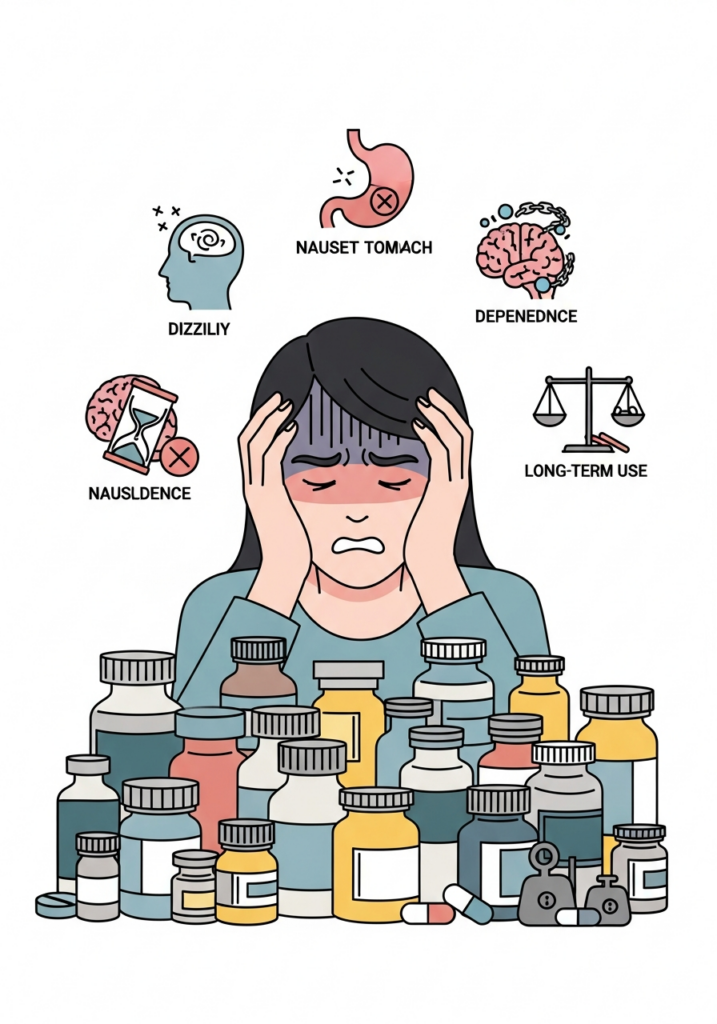
Understanding these potential downsides is crucial for making an informed decision about your treatment. Working closely with your doctor can help you manage any adverse effects and ensure you are using the medication safely. Let’s look at some of the common side effects and safety concerns.
Common Short-Term Side Effects
When you first start taking a stress medication, it’s common to experience some short-term side effects as your body adjusts. These often resolve within a few weeks. For antidepressants like SSRIs and SNRIs, these can include nausea, headaches, and drowsiness.
These common side effects can be bothersome but are usually not dangerous. Taking your medication with food or at bedtime can sometimes help minimize them. However, other effects like sexual dysfunction or weight gain can be more persistent and may require a change in medication if they become too problematic.
Some common side effects across different medications include:
- Drowsiness or fatigue
- Nausea or stomach upset
- Headaches
- Dry mouth
It’s important to report any side effects to your doctor, especially if they are severe or don’t go away. For conditions like social anxiety disorder, managing side effects is key to sticking with treatment.
Understanding Dependency and Long-Term Use
Can long-term use of anxiety medications lead to dependence? Yes, with certain medications, this is a significant concern. Physical dependence is most common with benzodiazepines. When taken regularly, the body adapts to the drug, and larger doses are needed to achieve the same effect. This can happen within weeks or months.
Stopping these medications abruptly can trigger unpleasant withdrawal symptoms, such as increased anxiety, insomnia, and restlessness. In severe cases, withdrawal can be dangerous. This is why a doctor will create a tapering schedule to slowly reduce the dose over time, minimizing the withdrawal reaction.
While antidepressants are not considered addictive in the same way, stopping them suddenly can also cause withdrawal-like symptoms. It’s crucial to follow your doctor’s instructions for your treatment plan and never stop taking your medication without their guidance to avoid these issues and potential substance abuse problems.
Interactions with Other Medications
What should I know about mixing stress medications with other prescriptions? It’s vital to tell your primary care doctor about every medication you take, including over-the-counter drugs and supplements. Stress medications can interact with other drugs, leading to dangerous side effects. For example, mixing benzodiazepines with alcohol or opioid painkillers can cause a fatal overdose.
Some antidepressants can interact with drugs that affect your heart rate or blood pressure, creating a risk for both young adults and older adults. Even common medications like antihistamines can amplify the sedative effects of anti-anxiety drugs, leading to excessive drowsiness and impaired coordination.
Your doctor and pharmacist are your best resources for understanding potential interactions. They can review your full medication list and advise you on which combinations to avoid. Never start a new medication without first checking if it’s safe to take with your current prescriptions.
Alternative and Complementary Approaches for Managing Stress
Medication is not the only path to managing stress. Are there safer alternatives to prescription drugs for managing everyday stress? Absolutely. Many people find significant relief through lifestyle changes, coping techniques, and other non-pharmaceutical treatment options. These approaches can be used on their own or alongside medication.
A systematic review of various studies shows that strategies like exercise and therapy can be just as effective as medication for some people. Exploring these alternatives can provide you with a more holistic approach to mental health care. Let’s examine some of these powerful tools for stress management.
Lifestyle Changes and Coping Techniques
Making simple lifestyle changes can have a profound impact on your stress levels and mental health care. Regular physical activity is one of the most powerful tools available. Studies show that exercise can be as effective as medication at easing the physical symptoms of anxiety. It helps burn off nervous energy and releases mood-boosting endorphins.
Developing healthy coping techniques is also essential. Practices like mindfulness, meditation, and deep breathing exercises can help calm your nervous system in the moment. Cognitive behavioral therapy (CBT) is a highly effective form of therapy that teaches you to identify and change the negative thought patterns that fuel anxiety.
Other beneficial lifestyle changes include:
- Getting enough sleep: Poor sleep can worsen anxiety, so prioritizing rest is key.
- Eating a balanced diet: A healthy diet can support stable moods and energy levels.
- Connecting with others: Strong social support can buffer the effects of stress.
Non-Prescription Remedies and Their Effectiveness
Beyond lifestyle changes, several non-prescription remedies may help manage anxiety. Herbal supplements like chamomile, lavender, and valerian root have been used for centuries to promote relaxation. While some people find them helpful, their effectiveness is not as rigorously studied as prescription medications, and they can still have side effects or interact with other drugs.

It’s important to approach these remedies with caution. Always talk to your doctor before trying a new supplement, especially if you have an anxiety disorder like social phobia or are taking other medications. Quality and dosage can vary widely between products, so choosing a reputable brand is important.
While these alternative treatment options can be a useful part of a stress management plan, they may not be sufficient for severe anxiety. They are often best used as a complement to other proven strategies like therapy and lifestyle adjustments rather than a replacement for professional medical advice.
Conclusion
In summary, managing stress effectively, especially when considering prescription medications, requires a comprehensive understanding of both the benefits and potential drawbacks involved. It’s vital to evaluate the severity of your stress and seek professional guidance to determine the best treatment options tailored to your individual needs. Remember, while medications like SSRIs and benzodiazepines can provide relief, they should be used judiciously and in conjunction with alternative strategies such as lifestyle changes and coping techniques. Don’t hesitate to consult with healthcare professionals who can guide you through this journey. Taking charge of your mental health is an essential step toward a balanced life. If you’re looking for personalized support, reach out today for a consultation!
Frequently Asked Questions
Can prescription drugs for stress treat the underlying causes?
Do prescription drugs for stress treat the cause or just the symptoms? Primarily, they manage the symptoms of an anxiety disorder by altering brain chemistry. They do not treat the underlying causes, such as trauma or negative thought patterns. Combining medication with therapy is often recommended for addressing the root issues of mental health conditions.
How long does it take for stress medication to show results?
How long does it usually take for stress medication to start working? It varies by drug type. Benzodiazepines can provide relief within an hour. However, most anxiety medications, like antidepressants, take two to six weeks to become fully effective as they gradually adjust the nervous system for long-term mental health treatment.
When should you consider combining therapy with medication for stress management?
You should consider combining therapy with medication when your symptoms of anxiety are severe or when medication alone isn’t providing complete relief. Cognitive behavioral therapy can teach you coping skills that medication can’t. This combined treatment plan often yields the best long-term results for many types of anxiety.
https://medlineplus.gov/pain.html
https://www.ncbi.nlm.nih.gov/books/NBK279594
https://effectivehealthcare.ahrq.gov/products/depression-harms/research
https://www.fda.gov/safety/medwatch-fda-safety-information-and-adverse-event-reporting-program
https://www.nlm.nih.gov/medlineplus/druginfo/meds/a681039.html
https://medlineplus.gov/druginfo/meds/a688005.html
https://www.ncbi.nlm.nih.gov/books/NBK557791
https://doi.org/10.1001/archpsyc.1993.01820230054005