
Essential Women’s Health Tips for Every Stage of Life

- Women’s health encompasses every stage of life and requires attention to lifestyle changes, regular screenings, and balanced diets.
- Preventive health care, including tailored health screenings, plays a pivotal role in reducing the risk of major illnesses like heart disease and cancer.
- Incorporating a balanced diet rich in whole grains and essential nutrients supports metabolism, bone health, and long-term wellness.
- Physical activity, including strength training and everyday movement, is vital for maintaining overall fitness and healthy aging.
- Regular vaccinations, such as the HPV vaccine and flu shots, help boost the immune system and prevent life-threatening diseases.
- Managing stress through lifestyle changes like quality sleep and exercise ensures emotional and mental well-being.
Women’s health changes as women go through different stages of life. It is important to make smarter choices each day to help stay well and be in good shape. The journey to a healthy life is not about doing one huge thing. It’s about making small changes that add up over time. Simple lifestyle changes can have a big effect. Eating a nutritious diet, moving your body, and getting health screenings on time help look after your well-being. By putting these things first, women can avoid many health problems that may happen as they get older. These good habits make it more likely for women to have a healthy and happy life for many years.
Prioritizing Preventive Health Care

By watching your blood sugar and blood pressure, and getting health screenings the doctor suggests, you can catch things like diabetes and high cholesterol early. When you choose to focus on prevention, you lower your risk of big health problems and make your life better overall.
Essential screenings at every age
Health screenings play a big part in finding problems early and helping people stay well. For women, having tests like mammograms, Pap tests, and colonoscopies at the right time in life is very important. These health screenings help spot early signs of breast cancer and cervical cancer. The tests also help doctors look for risk of other health issues. You can often save lives with early checks like these.
Most of these checks start at certain ages. For example, women start having cervical cancer screenings with a Pap test at about 21 years old. Routine mammograms start at about 40 years old. If you have a family history of cancer or some health problems, you may need to start testing sooner.
| Screening Type | Recommended Start Age | Frequency (Based on Normal Results) |
|---|---|---|
| Pap Test (Cervical Cancer) | 21 years old | Every 3 years (21-29); Every 5 years with HPV test (30-65) |
| Mammogram (Breast Cancer) | 40 years old | Every 1-2 years |
| Colonoscopy (Colorectal) | 45 years old | Every 10 years |
Talk to your doctor about these tests to make sure you have the right plan for your health and for your family history.
Staying current with vaccinations
Vaccines help keep the immune system strong and protect you from many common illnesses. It is important to stay up to date with vaccines like the flu and Tdap. This will help people of every age stay protected. Young women should get the HPV vaccine, because it helps stop cervical cancer. Older adults should make sure they get the shingles and pneumonia vaccines.
Women need shots at every age, just as kids do. Timely immunizations matter for us all. If a woman has not taken the HPV vaccine or had an HPV test by age 26, it is still a good idea to get one.
“Vaccination is a main part of staying healthy,” says Dr. Ashley Drews. She says it is smart to talk with your doctor about your vaccine schedule. This way, you know you are doing what you need to do to avoid common diseases. Vaccines are now easy to get. Taking a bit of time to get them could save you from big health problems later. They help keep your immune system working well, so you can feel your best for years to come.
Building a Balanced, Nutritious Diet
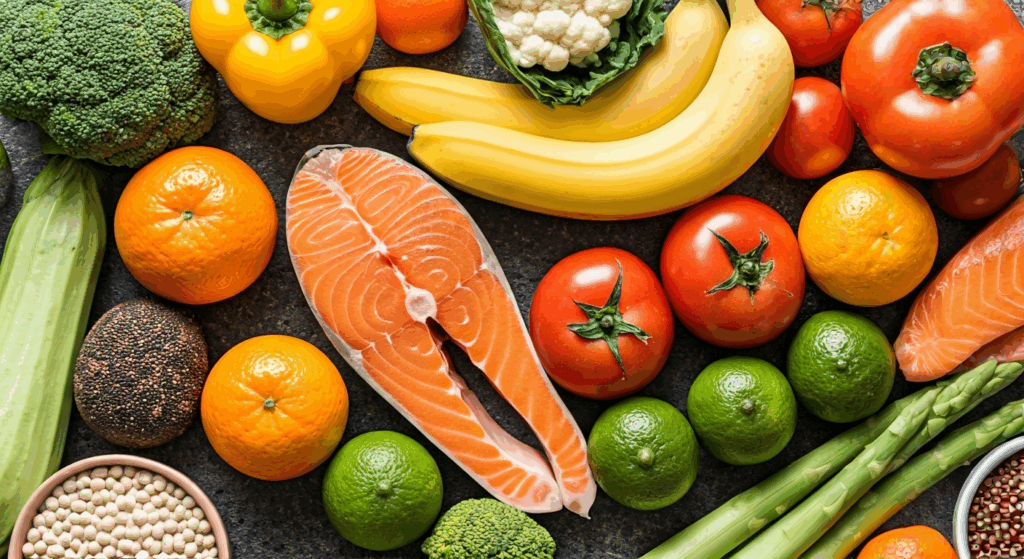
The good news is you do not have to change everything at once—small steps in what you eat can have big results for you. A healthy diet can help keep your blood sugar steady. It can help your metabolism work as it should. It also keeps your immune system strong and helps your body do its job every day. When you take charge of what you eat, you help yourself feel good now and later on.
Key nutrients for women’s health
Women’s nutritional needs change as they get older. It is important to focus on the right nutrients to stay in good health and maintain quality sleep. These vitamins and minerals help bones stay strong, make you feel more relaxed, and help your body work well.
- Calcium: This is key for strong bones. It helps lower the risk of osteoporosis.
- Iron: It helps with your energy and fights against anemia.
- Magnesium: It helps keep blood pressure normal and helps you relax.
- Vitamin D: It works with calcium to help keep your bones healthy.
- Omega-3 fatty acids: These help support your brain and lower swelling in the body.
The American Diabetes Association says adding these nutrients to your diet can help you control blood sugar and keep your metabolism in check. Eating enough of the right foods does not have to be hard. You just need to be mindful and pay attention to what your body needs as the years go by.
Tips for healthy eating habits
Adopting healthy eating habits is not about strict rules. It is about having balance and being steady with your choices. You can keep your diet in line with your health goals by doing the things below:
- Eat small and regular meals. This will help keep your metabolism stable.
- Cut back on sugary drinks. Try water or herbal tea instead.
- Keep fresh fruits and vegetables where you can grab them for snacks.
- Be mindful while eating so you can enjoy your food and not eat too much.
- Make sure to get enough sleep because it helps control hunger hormones.
Healthy eating habits do more than help your body. They help your mind be clear and help you feel better, too. You do not need a tablet or something fancy. Start small, make these changes over time, and remember, the key is to be steady and not give up.
Staying Active Throughout Life
Staying active is important for a healthy life. If you do regular physical activity, it will be good for your heart health, make your muscles stronger, and help you keep your weight in check. Being active will also cut down on your screen time, and that is a big issue for many people today.
You can do so many types of physical activity. Some like strength training, while others may want to try something easier on the body. Everyone can find something that suits them. Change up your routine with what fits your age and your lifestyle. This helps you stick with it over time. The aim is to have both your body and your mind feeling strong. Try to pick active habits you can keep up with in your day-to-day life.
Exercise recommendations for each life stage
Women’s exercise needs change as they get older, and knowing about these changes can help keep you healthy.
- In your 20s: Do some cardio and also strength training. This will help you build a good base for your body.
- In your 40s: Try to add in some stretching or flexibility moves, such as yoga or Pilates.
- Post-menopause: Go for low-impact activities, like swimming or walking, to keep your joints feeling good.
- Older adults: Work to make muscles stronger with resistance bands or light weights.
The American Heart Association says you should do about 150 minutes of moderate physical activity every week and also add some strength training. No matter where you start, the best thing is to keep at it. You can always begin your fitness journey, whether you are young or older.
Easy ways to incorporate movement daily
Finding the time for physical activity can feel hard, but small changes help a lot. Try these ideas:
- Use the stairs at your home or work as part of your daily workout.
- Take short walks during your work breaks to get up and move.
- Join your family whenever they do outdoor activities.
- Swap some of your screen time for a hobby that makes you move.
- Stay consistent with exercises that fit into your day.
When you move often, you get closer to healthy aging. You may also see your productivity and mental clarity go up. Having a regular sleep schedule along with active habits really makes a difference.
To sum up, putting women’s health first at every stage of life is very important for good health. It helps to have important health checks, necessary vaccines, balanced food, and regular physical activity. All these things matter a lot in keeping your body and mind well. As women move through different years, it is good for them to change their health plans. This lets them get the care, food, and exercise that matches what they need. If you stay informed and act early, you can have a better life. If you want advice made just for you and your health goals, get in touch for a free consultation.
Frequently Asked Questions
What are the most important health screenings for women?
Health screenings are very important for finding diseases early. Tests like Pap smears for cervical cancer, mammograms for breast cancer, and colonoscopies for colorectal cancer help with this. These health screenings can spot sickness early. When that happens, the doctor can treat it in a better way. You should always follow your own plan for these tests. This will depend on your age, family history, and risk factors.
How can women manage stress effectively?
Managing stress means you have to make some changes in your daily life. Try adding regular exercise, get quality sleep each night, and choose healthy habits. These things help to ease headaches and lower stress. They can also make you feel better in your mood. For a good night’s sleep, set up a calming bedtime routine and stick with it. Add things like yoga or mindfulness to your day, as these activities can help you feel more calm and relaxed before bed.
What dietary changes benefit women at different ages?
Eating a healthy diet helps a lot with blood sugar and how your body works. Whole grains, calcium, and vitamins are some of the things you need. Foods like dairy and leafy greens are good because they make your bones stronger, especially after menopause. As you get older, your body needs may change. It is important to adjust what you eat to stay well and keep your health in good shape.
How much exercise do women really need?
The American Heart Association says you should get 150 minutes of moderate physical activity every week. Or, you can do 75 minutes of workouts that are very strong. You need to add strength training at least two times a week. This helps your muscles stay in good shape. Moving your body like this is good for heart health. It will also help you feel better at any age.
Are there specific health concerns for women in midlife and beyond?
Yes, people tend to have issues like menopause, osteoporosis, heart disease, and high blood pressure more often as they get older. For older adults, it is good to focus on heart health and bone density. You can help lower these risks by getting the right screenings, eating well, and getting regular exercise. Going to the doctor for check-ups is important during this time.
https://www.ncbi.nlm.nih.gov/pmc/articles/PMC8373626
https://www.nia.nih.gov/health/menopause/what-menopause
https://www.womenshealth.gov/healthy-living-age
https://order.store.mayoclinic.com/flex/mmv/AGELES2
https://links.e.response.mayoclinic.org/EmailPreview-GeneralHealth