
Understanding Dry Mouth Causes and Remedies for Relief

Key Highlights
- Dry mouth, or xerostomia, occurs when your salivary glands do not produce enough saliva to keep your mouth moist. Common symptoms of dry mouth include a sticky feeling in the mouth, bad breath, cracked lips, and difficulty chewing or swallowing. Some natural treatments and supplements that may help with symptoms of dry mouth include increasing water intake, chewing sugar-free gum to stimulate the salivary gland, and using oral rinses with xylitol. Certain supplements like vitamin C or omega-3 fatty acids may also support oral moisture, but it’s important to consult your healthcare provider before starting any new supplement.
- Common symptoms of dry mouth include a sticky feeling in the mouth, bad breath, cracked lips, and difficulty chewing or swallowing.
- The main causes of dry mouth range from medications and dehydration to underlying medical conditions and lifestyle habits.
- Adequate saliva production is crucial for your overall oral health, helping to prevent tooth decay and gum disease.
- Relief often involves simple remedies, lifestyle changes, and addressing the root cause with a healthcare provider.
Introduction
Have you ever experienced that uncomfortable, sticky feeling of a dry mouth? While everyone feels it occasionally, persistent dryness can be more than just a minor annoyance. This condition, known as xerostomia, happens when you don’t produce enough saliva. Understanding the symptoms of dry mouth is the first step toward finding relief. This condition can impact your comfort and overall oral health, making it difficult to talk, chew, and swallow. Natural treatments and supplements like sipping water frequently, chewing sugar-free gum, using mouth rinses formulated for dry mouth, and taking certain supplements such as xylitol can sometimes help stimulate saliva and ease symptoms. Let’s explore what causes it and how you can manage it effectively.
What Is Dry Mouth and Why Does It Occur?
Dry mouth is the condition you experience when your salivary glands fail to ensure the production of saliva needed to keep your mouth wet and comfortable. Without enough saliva, your mouth can feel unpleasantly dry. This lack of moisture can interfere with basic functions like tasting food, chewing, and swallowing. Saliva is your mouth’s natural defense system, so a decrease in its production can lead to other health issues.
So, what are the most common causes of dry mouth? The reasons are varied and can include being a side effect of hundreds of different medications, the result of certain health conditions, or even nerve damage. Lifestyle habits like tobacco use and persistent mouth breathing, especially at night, can also contribute to the problem. Identifying the specific cause of dry mouth is key to finding the right treatment and restoring comfort.
How Saliva Functions in Oral Health
Your saliva plays a much bigger role in your oral health than you might think. Its primary job is to moisten and break down food, making it easier to chew and swallow. Proper saliva production is essential for digestion to begin right in your mouth.
Another critical function is cleansing. A healthy saliva flow constantly rinses away food particles and debris from your teeth and gums. This action helps reduce the plaque-causing acids that lead to tooth decay. A sufficient amount of saliva is your first line of defense against cavities.
Without adequate saliva, you might start noticing certain symptoms. Are you experiencing a sticky feeling, frequent thirst, or a rough-feeling tongue? These could be signs that your saliva flow is too low. This lack of cleansing can also lead to bad breath and a higher risk of mouth infections, highlighting the importance of saliva in maintaining a healthy mouth.
Common Causes of Dry Mouth
Many factors can lead to a decrease in saliva. One of the most common causes of dry mouth is medication. In fact, it is a known side effect of over 400 different prescription and over-the-counter drugs.
Certain health issues can also be the culprit. An underlying medical condition like Sjögren’s syndrome, diabetes, or HIV can directly affect your salivary glands. Additionally, treatments for other conditions, such as radiation and chemotherapy, can damage the glands and reduce saliva production.
Other contributing factors include lifestyle choices and physical changes. These common causes of dry mouth can include:
- Nerve damage: An injury to the head or neck can damage the nerves that signal your salivary glands to produce saliva.
- Dehydration: Not drinking enough fluids can temporarily cause dryness.
- Tobacco use: Smoking or chewing tobacco can aggravate dry mouth symptoms and reduce saliva production over time.
Recognizing the Symptoms of Dry Mouth
Figuring out if you have dry mouth often starts with paying attention to how your mouth feels. The most obvious sign is a persistent feeling of dryness or stickiness. You might also find yourself constantly thirsty, even if you are drinking fluids regularly.
Other common dry mouth symptoms can affect your throat and voice. Do you ever feel a tickle in your throat that won’t go away or notice that your voice sounds hoarse? These could be subtle signs that you aren’t producing enough saliva. Recognizing these symptoms of dry mouth early can help you seek relief before more serious issues develop.
Signs You May Have Dry Mouth
If you suspect you have dry mouth, there are several specific signs to watch for. The feeling is often described as “cotton mouth,” where your mouth feels uncomfortably dry and sticky. This can make simple actions like speaking or swallowing feel difficult.
Beyond the general feeling of dryness, you may notice physical changes inside and around your mouth. These dry mouth symptoms can be a clear indicator that something is wrong. A persistent sore throat, a burning sensation on your tongue, and cracked lips are all common signs.
Look out for these specific symptoms of dry mouth:
- A dry, red, or raw-feeling tongue
- Mouth sores or split skin at the corners of your mouth
- Difficulty tasting your food properly
- Frequent bad breath that doesn’t go away with brushing
Potential Complications Linked to Persistent Dry Mouth
A consistently dry mouth is more than just uncomfortable; it can lead to significant oral health problems. Because saliva helps wash away food and neutralize acids, its absence creates a perfect environment for harmful bacteria to thrive. This dramatically increases your risk of cavities and tooth decay.
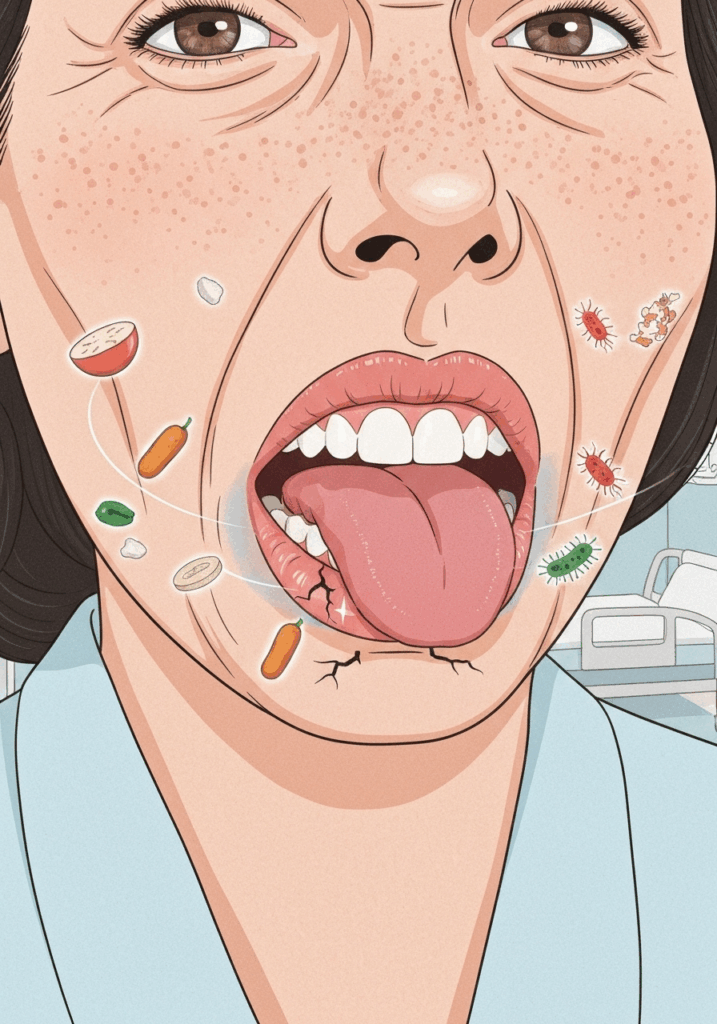
The complications don’t stop there. Persistent dry mouth can also lead to gum disease (gingivitis), which can progress to more serious periodontal issues if left untreated. You may also experience frequent mouth sores and infections of the mouth, such as thrush, because your mouth’s natural defenses are down.
These issues, combined with chronic bad breath, can negatively impact your confidence and overall quality of life. If your dry mouth is persistent, it could be a sign of an underlying health problem that needs attention, making it important to address the root cause.
Major Risk Factors and Medications That Cause Dry Mouth
Certain factors can put you at a higher risk for developing dry mouth. For instance, older adults are more susceptible, partly because they are more likely to take multiple medications for conditions like high blood pressure. These medications often list dry mouth as a common side effect.
Additionally, specific medical treatments can be major risk factors. Patients undergoing radiation therapy for head and neck cancers may experience damage to their salivary glands, leading to reduced saliva production. Understanding these risks is the first step toward managing the condition, especially when it’s linked to necessary medications or treatments.
Prescription and Over-the-Counter Drugs Associated with Dry Mouth
A vast number of medications can cause your mouth to feel dry. This is one of the most common side effects reported for both prescription and over-the-counter medications. From antihistamines for allergies to drugs that manage high blood pressure, the list is extensive.
Pain relievers, muscle relaxants, and medications for anxiety and depression are also frequent culprits. These drugs can interfere with the signals that tell your salivary glands to produce saliva. If you suspect your medication is the cause, speak to your doctor about your options. They may be able to adjust your dose or suggest an alternative.
For those who must continue their medication, there are solutions like using an artificial saliva product to find relief. Here are some categories of drugs known to cause dry mouth:
| Drug Category | Used For |
|---|---|
| Antihistamines & Decongestants | Allergies and colds |
| Antidepressants & Anxiety Meds | Mental health conditions |
| Diuretics & Blood Pressure Drugs | High blood pressure, heart conditions |
| Pain Relievers & Muscle Relaxants | Pain and muscle spasms |
| Sedatives | Sleep or relaxation |
Health Conditions That Can Lead to Dry Mouth
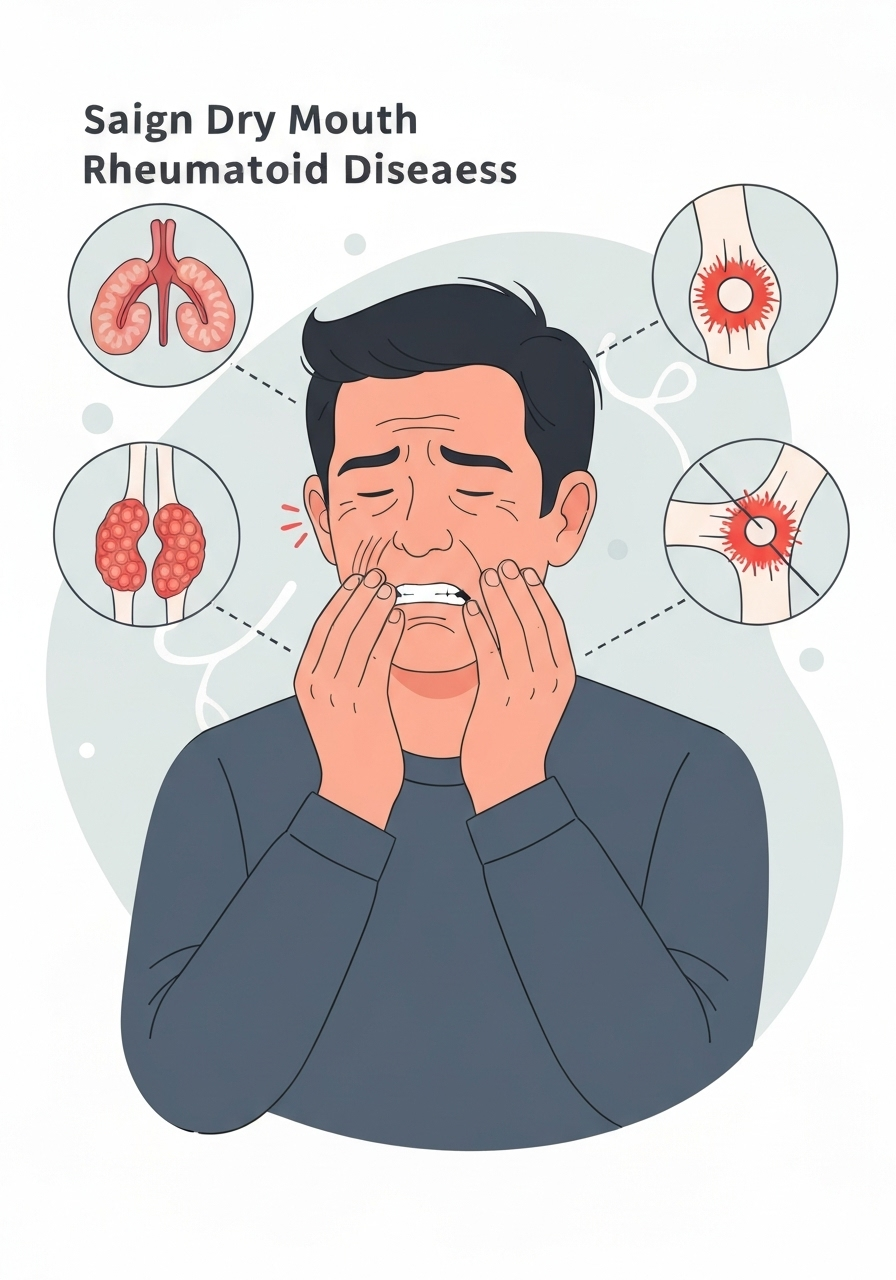
Beyond medications, a chronic medical condition is often the answer to”Is dry mouth a sign of an underlying health problem?” Autoimmune diseases are a major cause, with Sjögren’s syndrome being a prime example where the immune system attacks the salivary gland and tear glands. Other conditions like rheumatoid arthritis can also lead to dryness.
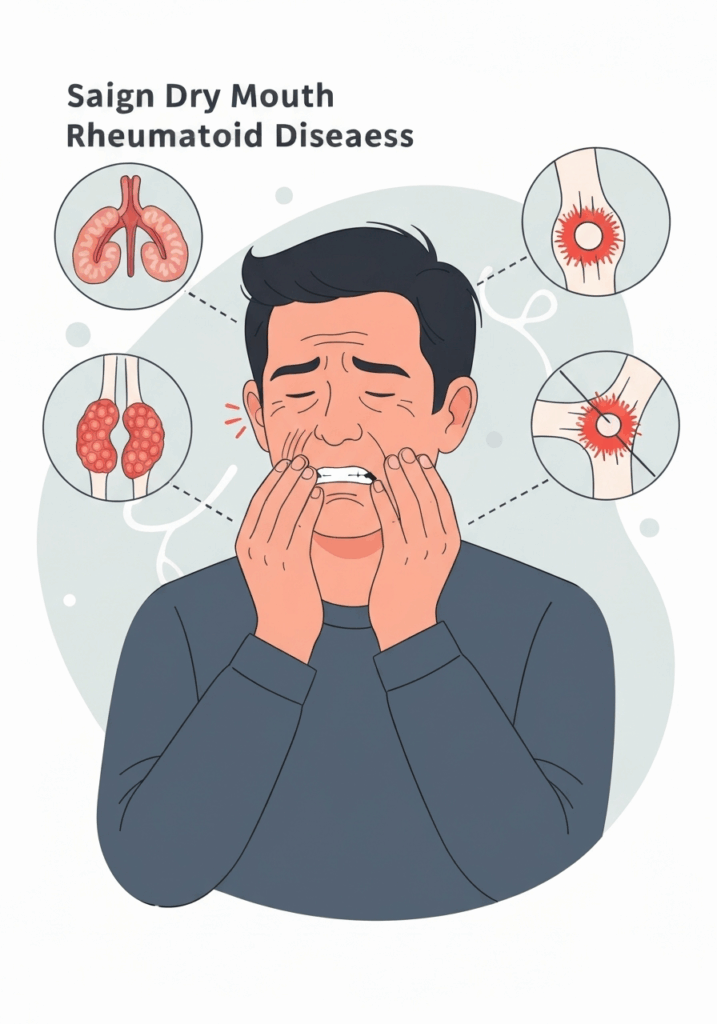
Systemic diseases such as diabetes, HIV/AIDS, and Parkinson’s disease are also linked to reduced saliva production. In these cases, dry mouth is a symptom of the broader condition affecting your body’s systems. Similarly, people who have sleep apnea and breathe through their mouths at night often wake up with significant dryness.
Finally, some of the most intensive medical treatments can have a profound impact. Cancer treatments, including chemotherapy and radiation to the head and neck, can damage the salivary glands, either temporarily or permanently. This damage disrupts saliva production and leads to chronic dry mouth.
FAQ (Frequently Asked Questions About Dry Mouth)
Dry mouth can raise several questions for many individuals. Commonly, people wonder what causes this condition and how it can affect oral health. Many treatments are available, such as drinking plenty of water, chewing sugarless gum, or using artificial saliva. It’s essential to consult with a health care provider if dry mouth persists, as it may be linked to existing medical conditions. Addressing these inquiries can significantly improve one’s quality of life and oral hygiene practices.
Can dehydration cause dry mouth?
Yes, dehydration is a common cause of temporary dry mouth. When your body doesn’t have enough fluids from conditions like fever or vomiting, it can lead to a lack of saliva. To combat this, be sure to drink plenty of water throughout the day to help restore moisture.
What foods or drinks should I avoid if I have dry mouth?
If you have dry mouth, it’s best to avoid foods and drinks that can make it worse. Steer clear of spicy foods, salty foods, and very dry foods like crackers. You should also limit alcohol and caffeine, as they can further dry out your mouth and negatively affect your oral health.
When should I see a doctor about dry mouth?
You should see a health care provider if you experience persistent dry mouth that doesn’t improve with simple remedies. A professional can review your medical history, discuss your symptoms, and may recommend blood tests to identify an underlying cause and ensure your good oral health is protected.
Conclusion
In summary, understanding dry mouth is crucial for maintaining oral health and overall well-being. With various causes ranging from medications to health conditions, recognizing the signs and symptoms can help you take proactive measures. Implementing remedies such as staying hydrated, using saliva substitutes, and avoiding certain foods can offer relief. Don’t let dry mouth affect your quality of life—being informed and seeking the right solutions is key. If you’re looking for personalized advice or treatment options, feel free to reach out for a consultation. Your comfort and health are worth it!
https://order.store.mayoclinic.com/flex/mmv/SLEEP01
https://order.store.mayoclinic.com/flex/mmv/HLFBOOK
https://www.nidcr.nih.gov/espanol/temas-de-salud/la-boca-seca