
Effective Bladder Infection Drugs: Dosage and Treatment Tips
Key Highlights
Here are the main things you need to know about treating a bladder infection:
- Antibiotics are the only medications that can cure a urinary tract infection; you will need a prescription from a healthcare professional.
- Recognizing the symptoms of a UTI, like burning during urination, is the first step toward getting relief.
- The best antibiotic for you depends on your medical history and the specific type of infection.
- Finishing the entire course of antibiotics is crucial to prevent the infection from returning.
- Stopping treatment early can lead to antibiotic resistance, making future infections harder to treat.
Introduction
Dealing with a bladder infection can be incredibly uncomfortable, bringing disruptive symptoms that you want to resolve fast. These infections happen when bacteria enter the urinary tract, and they are quite common. Fortunately, effective antibiotic treatment is available to clear the infection and get you back to feeling like yourself. Understanding your medication options, including the correct dosage and treatment tips, is key to a swift and complete recovery. Let’s explore how to manage a bladder infection effectively.
Understanding Bladder Infections and Their Symptoms
A bladder infection, a type of urinary tract infection (UTI), can disrupt your daily life with its uncomfortable symptoms. Recognizing the signs early is important so you can seek medical attention promptly. When you visit a healthcare professional, they may ask you to provide a urine sample to confirm the diagnosis and identify the bacteria causing the problem.
Understanding what causes these infections and what specific symptoms of a UTI to look for can help you take action quickly. This knowledge empowers you to get the right treatment and avoid potential complications.
What causes a bladder infection?
Bladder infections are most commonly caused by bacteria entering the urinary system. The specific type of bacteria responsible for most UTIs is Escherichia coli, often called E. coli. This bacterium normally lives in the gut and can be transferred from the area around the anus to the urethra.
This transfer can happen in several ways. For some people, sexual activity can introduce bacteria into the urinary tract. Wiping from back to front after a bowel movement is another common way bacteria can spread and cause an infection.
Certain individuals have a higher risk of developing these infections. Understanding the root cause is the first step in both treatment and prevention. Your doctor will consider the cause when deciding on the best course of action for your specific situation.
Common signs to watch for in bladder infections
The symptoms of a UTI are usually distinct and hard to ignore. If you experience a burning sensation when you urinate, it’s a classic sign that you might have a bladder infection. Paying attention to these signals is crucial for getting timely treatment, especially if you suffer from frequent UTIs.
Your healthcare provider might request a urine culture to identify the bacteria causing your symptoms, but you can often recognize the infection based on how you feel. Here are some common signs to watch for:
- Pain or a burning sensation while urinating
- An increased urge or frequency of urination
- Feeling like you can’t completely empty your bladder
- Cloudy, dark, or foul-smelling urine
- Blood in your urine
- Pain in your pelvis or back
If you notice any of these symptoms, it’s a good idea to see a doctor. Early diagnosis allows you to start treatment sooner, which is the fastest way to find relief and prevent the infection from getting worse.
Overview of Drug Options for Bladder Infection Treatment
When it comes to treating a bladder infection, antibiotic treatment is the primary solution. These medications are designed to kill the bacteria causing the infection. There are several common antibiotics that healthcare providers prescribe, and the best one for you will depend on your unique circumstances.
In addition to prescription drugs, some people explore alternative treatments to help manage symptoms. It’s helpful to understand the full range of options, from powerful antibiotics to supportive therapies.
Most commonly prescribed antibiotics in the United States
In the United States, several common antibiotics are trusted to treat bladder infections effectively. These are typically oral antibiotics that you can take at home. For more severe infections, such as a complicated UTI that has spread, a doctor may need to use intravenous antibiotics in a hospital setting.
The choice of antibiotic depends on factors like your medical history, any allergies you have, and local patterns of antibiotic resistance. Your healthcare professional will select the most appropriate drug to ensure your infection is cleared completely.
Here are some of the most frequently prescribed antibiotics for bladder infections:
| Antibiotic Name (Brand Name) | Typical Use |
|---|---|
| Trimethoprim/sulfamethoxazole (Bactrim) | A common first choice, but resistance can be an issue. |
| Nitrofurantoin (Macrobid) | Specifically treats bladder infections (cystitis). |
| Fosfomycin (Monurol) | A single-dose treatment, useful for resistant bacteria. |
| Cephalexin (Keflex) | A good choice for simple bladder infections. |
| Ciprofloxacin (Cipro) | Often used for more complicated or severe UTIs. |
Non-antibiotic prescription options and alternative treatments
While antibiotics are necessary to cure a bladder infection, some non-antibiotic options can help manage your symptoms. For instance, your doctor might suggest a prescription medication called phenazopyridine (Pyridium) to relieve pain and burning. An over-the-counter version is also available. However, these products only provide temporary relief and do not treat the underlying infection.
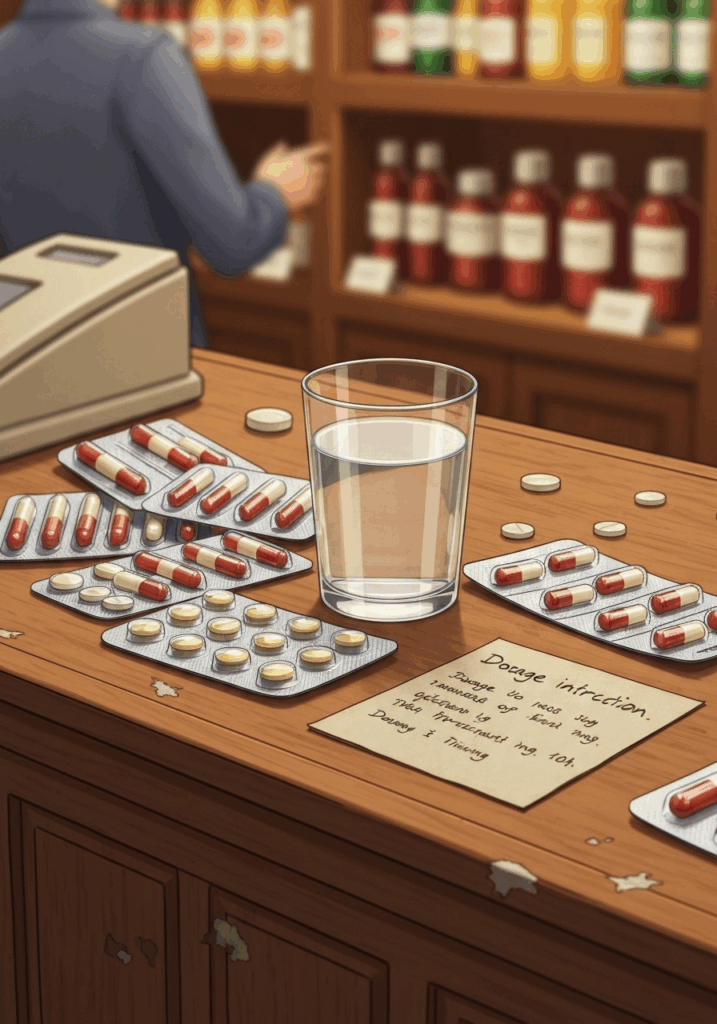
Many people turn to home remedies and alternative treatments to soothe discomfort. While there isn’t strong scientific evidence that these methods can cure a UTI, some may offer support.
- Cranberry products: Drinking cranberry juice or taking cranberry supplements is a popular remedy, though studies don’t confirm it can treat an active infection. It may help with prevention.
- Drinking plenty of water: This helps flush bacteria from your system and dilutes your urine, which can lessen the burning sensation.
- Probiotics: Some research suggests probiotics may be useful in preventing recurrent UTIs.
Always remember that these alternative treatments should not replace the antibiotics prescribed by your doctor. They can be used alongside medical treatment to help you feel more comfortable.
How Antibiotics Work Against Bladder Infections
Have you ever wondered how antibiotics actually fight off a bladder infection? These powerful medications work by targeting the bacteria causing the infection. Depending on the drug, they either kill the bacteria directly or stop them from multiplying, allowing your body’s immune system to clear the rest.
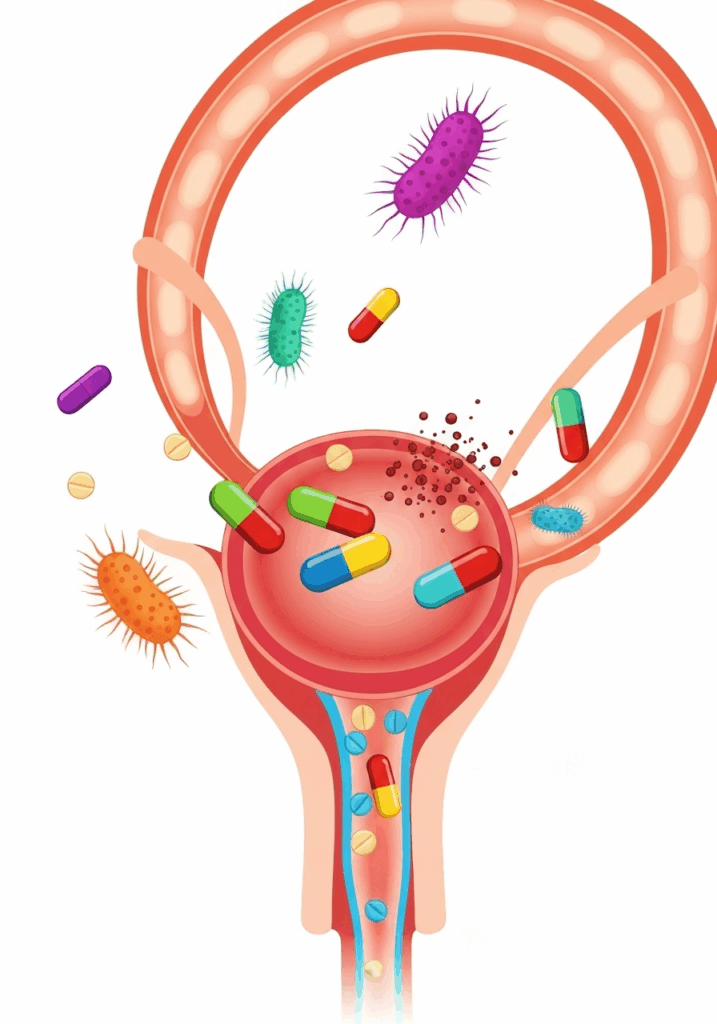
Understanding the mechanism of action helps explain why it’s so important to complete the full course of antibiotics. Stopping early can lead to antibiotic resistance, a serious issue where bacteria learn to survive the medication.
Mechanism of action for popular bladder infection drugs
Different antibiotics attack bacteria in unique ways to stop an infection. For example, some antibiotics like cephalexin (Keflex) and amoxicillin work by destroying the bacterial cell wall. The cell wall is a protective outer layer, and without it, the bacterium cannot survive.
Other antibiotics have a different approach. Drugs like nitrofurantoin (Macrobid) work by getting into the bacteria and damaging their DNA, which prevents bacterial growth and replication. Similarly, ciprofloxacin (Cipro) stops bacteria from copying their DNA, effectively halting their ability to multiply and spread.
This targeted attack is what makes antibiotics so effective against bacteria like E. coli and Staphylococcus saprophyticus, two common culprits behind UTIs. By disrupting these essential life processes, antibiotics eliminate the infection at its source.
Why correct dosage and timing are important
Taking your medication exactly as prescribed is one of the most critical parts of treating a bladder infection. Following the correct dosage and timing ensures that the drug levels in your body are high enough to kill all the harmful bacteria.
If you stop your course of antibiotics early, even if you start feeling better, some bacteria might survive. These survivors can be stronger and may develop antibiotic resistance, making future infections much harder to treat. This is a growing public health concern. Adhering to your prescription helps prevent this.
- It ensures the infection is fully eliminated.
- It reduces the risk of the infection returning.
- It helps prevent the development of antibiotic resistance.
- It minimizes the chance of experiencing unwanted side effects from improper use.
Ultimately, completing the full treatment is the best way to ensure a complete recovery and protect your future health.
Dosage Guidelines for Effective Recovery
To get the best results from your bladder infection treatment, it’s essential to follow the dosage instructions from your healthcare provider. Your doctor will determine the right medication and one of the standard dosing schedules based on the severity of your infection and your overall health. Never adjust your dose without seeking medical care first.
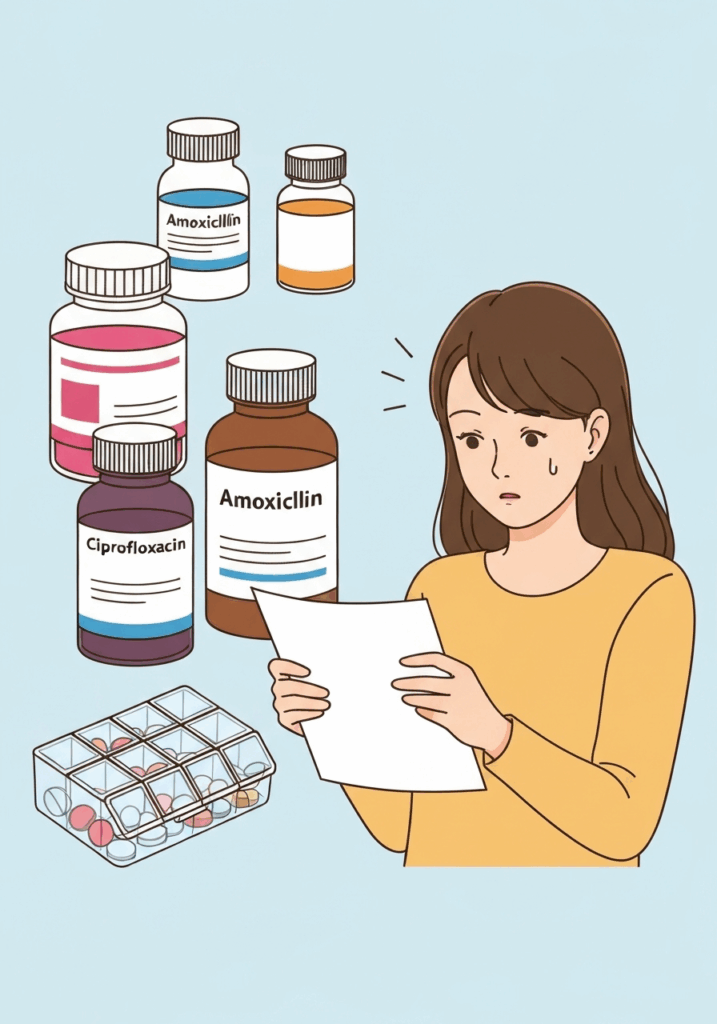
Your healthcare provider is your best resource for understanding your prescription. Let’s look at some typical dosing guidelines for adults and special considerations for other groups.
Standard dosing schedules for adults
For adults with an uncomplicated bladder infection, also known as uncomplicated cystitis, the course of antibiotics is often relatively short. You might start to feel better within a day or two, but it’s vital to finish the entire prescription to ensure the infection is gone for good.
The length of treatment varies by drug. For example, a typical treatment for Bactrim might be one tablet twice a day for just three days. For nitrofurantoin (Macrobid), a common prescription is 100 mg twice a day for five days. Fosfomycin is unique because it often requires only a single dose to be effective.
These standard dosing schedules are designed to be long enough to eradicate the bacteria without being longer than necessary. Always follow the specific instructions given to you, as your dosage may differ based on your individual needs.
Special considerations for children and seniors
Dosage and drug choice for bladder infections are not one-size-fits-all. There are special considerations for certain groups, particularly young children and seniors. Their bodies process medications differently, and they may be more susceptible to side effects.
For children, a healthcare provider will calculate the dose based on weight. The treatment course may also be longer, sometimes up to 10 days, to ensure the infection is completely cleared. Seniors, especially those with kidney problems, may require lower doses or different antibiotics to avoid complications. If prescribed drugs don’t seem to be working, it’s crucial to contact your healthcare professional immediately.
Key considerations include:
- Age: Children and seniors often need different dosages.
- Kidney Function: Poor kidney function can affect how a drug is cleared from the body.
- Other Health Conditions: Underlying conditions can influence drug choice.
- Pregnancy: This is a high-risk category requiring careful medication selection.
Comparing Different Bladder Infection Drugs
With several antibiotics available, you might wonder how they stack up against each other. A drug comparison often looks at factors like effectiveness, how long you need to take it, and the potential side effects. Not all antibiotics are created equal, and some are better suited for certain types of infections or individuals.
Your doctor will weigh these factors to choose the best option for you. Let’s examine how these drugs differ in their performance and what you should consider when starting treatment.
Effectiveness and typical duration of treatment
The effectiveness of an antibiotic for a bladder infection is high, but the typical duration of treatment can vary significantly. For example, fosfomycin (Monurol) is known for its convenience, as it is a single-dose therapy. You take it once, and it works to clear the infection.
Other common antibiotics require a multi-day course. Bactrim treatments often last for three days, while nitrofurantoin (Macrobid) and cephalosporins like Keflex are usually prescribed for five to seven days. Fluoroquinolones like Cipro are highly effective but are often reserved for more complicated infections due to a higher risk of side effects.
The choice between a short course and a longer one depends on the drug’s properties and the specific infection. A shorter duration can improve convenience, but the most important factor is choosing a drug with proven effectiveness against the bacteria causing your UTI.
Factors to consider when choosing a drug
Choosing the right antibiotic isn’t as simple as picking one from a list. Your healthcare provider considers many factors to ensure your treatment is both safe and effective. Your personal medical history is a key piece of this puzzle, as are any allergies you may have.
Another major consideration is local antibiotic resistance patterns. In some areas, common bacteria have become resistant to certain drugs, making them less effective. Your doctor will also think about the specific type of bacteria suspected to be causing your infection and any risk factors you may have for complications.
Here are some factors your doctor will consider:
- Your complete medical history, including kidney problems
- Any known drug allergies
- Whether you are pregnant or could be pregnant
- The severity of your infection
- Patterns of antibiotic resistance in your community
- The potential side effects of the medication
Side Effects and Safety Considerations
While antibiotics are lifesavers, they can come with potential side effects. Most are mild and go away after you finish the medication, but it’s important to be aware of them. In rare cases, more serious side effects can occur.
Knowing the safety considerations and what to watch for can help you manage your treatment confidently. We’ll review the common side effects and discuss which medications are generally considered safe during pregnancy.
Common side effects of bladder infection medications
Most antibiotics can cause some stomach upset. These are often the most common side effects you might experience. This can include nausea, vomiting, or diarrhea. Usually, these symptoms are mild and manageable.
However, it’s good to know what else to look for. While issues like high blood pressure are not typical side effects of these specific antibiotics, other reactions can occur. A skin rash, for example, could be a sign of a mild sensitivity or a more serious allergic reaction. Here are some common side effects associated with bladder infection antibiotics:
- Nausea and vomiting
- Diarrhea
- Loss of appetite
- Headache
- Dizziness
- Abdominal pain
- Skin rash or hives
If you experience severe diarrhea that lasts more than two days, or if you develop a severe skin reaction, you should contact your healthcare provider right away.
Which drugs are considered safe during pregnancy?
Treating a bladder infection during pregnancy is extremely important, as an untreated UTI can lead to serious complications for both you and your baby. However, not all antibiotics are considered safe drugs to use during this time. Your healthcare provider will carefully select a medication with a strong safety record in pregnancy.
Some antibiotics, like certain cephalosporins (e.g., Keflex) and amoxicillin, are often prescribed because they are generally considered safer options. Other drugs, such as fluoroquinolones (like Cipro) and tetracyclines (like doxycycline), are typically avoided due to potential risks. It’s also wise to discuss your birth control methods, as some antibiotics can affect their effectiveness.
Ultimately, you must seek medical care if you suspect a UTI during pregnancy. Your doctor will weigh the benefits and risks to choose the best and safest treatment for you, ensuring you get the care you need without compromising your health or your baby’s.
In summary, understanding bladder infections and their treatment options is essential for effective recovery. With the right knowledge about symptoms, drug options, and proper dosing, you can make informed decisions to alleviate discomfort and promote healing. Remember that antibiotics and alternative treatments come with their own set of considerations, including potential side effects and safety during pregnancy. Always consult with a healthcare professional to determine the most suitable approach for your individual situation. If you have any questions about bladder infection treatments or want personalized advice, feel free to reach out and get a free consultation. Taking proactive steps towards your health can lead to better outcomes and improved well-being.
Frequently Asked Questions
Are over-the-counter medications effective for bladder infections?
No, over-the-counter medications are not effective for curing a bladder infection. While some products can help relieve symptoms like pain and burning, they do not kill the bacteria causing the infection. You will need to seek medical care to get a prescription for a course of antibiotics to properly treat it.
What should I do if prescribed drugs don’t work?
If your symptoms don’t improve after a few days on prescribed drugs, contact your healthcare professional. They may need to perform another urine culture to see if the bacteria are resistant to the antibiotic. This is especially important if you experience recurrent UTIs or concerning side effects.
How long does it take for bladder infection medication to show results?
You should start to notice an improvement in your symptoms of a UTI within one to three days of starting antibiotic treatment. However, it is vital to complete the full course of your medication, even after you feel better, to ensure the bladder infection is completely gone.
https://www.ncbi.nlm.nih.gov/pmc/articles/PMC3046948
https://www.ncbi.nlm.nih.gov/pmc/articles/PMC3767713
https://www.qxmd.com/r/18295684
https://medlineplus.gov/antibiotics.html
https://medlineplus.gov/birthcontrol.html
https://medlineplus.gov/druginfo/meds/a682231.html
https://pubmed.ncbi.nlm.nih.gov/20927755
https://www.urologyhealth.org/urology-a-z/u/urinary-tract-infections-in-adults