
Effective Sciatic Nerve Pain Drugs for Quick Relief

- Over-the-counter (OTC) medications like NSAIDs are often the first choice for sciatica pain relief.
- Prescription medications, including muscle relaxants and anti-seizure drugs, are available for more severe sciatic nerve pain.
- Topical creams and medicated patches can provide localized pain relief directly to the affected area.
- When other treatments fail, steroid injections may be considered for short-term relief from sciatica pain.
- All medications have potential side effects, making it crucial to talk with your doctor before starting a new treatment.
Introduction
Dealing with sciatic nerve pain can be a frustrating and disruptive experience. This type of pain often starts in your lower back and can travel down into your leg, making simple daily activities feel like a major challenge. Fortunately, you don’t have to just endure it. A variety of medications are available to provide effective pain relief and help you get back to your life. Understanding your options is the first step toward managing sciatica pain and finding comfort.
Understanding Sciatic Nerve Pain and Its Impact
Sciatica pain occurs when your sciatic nerve, the longest nerve in your body, becomes irritated or compressed. This nerve starts from nerve roots in your spinal cord, runs through your hips and buttocks, and extends down each leg. When something puts pressure on it, you can experience a range of uncomfortable symptoms.
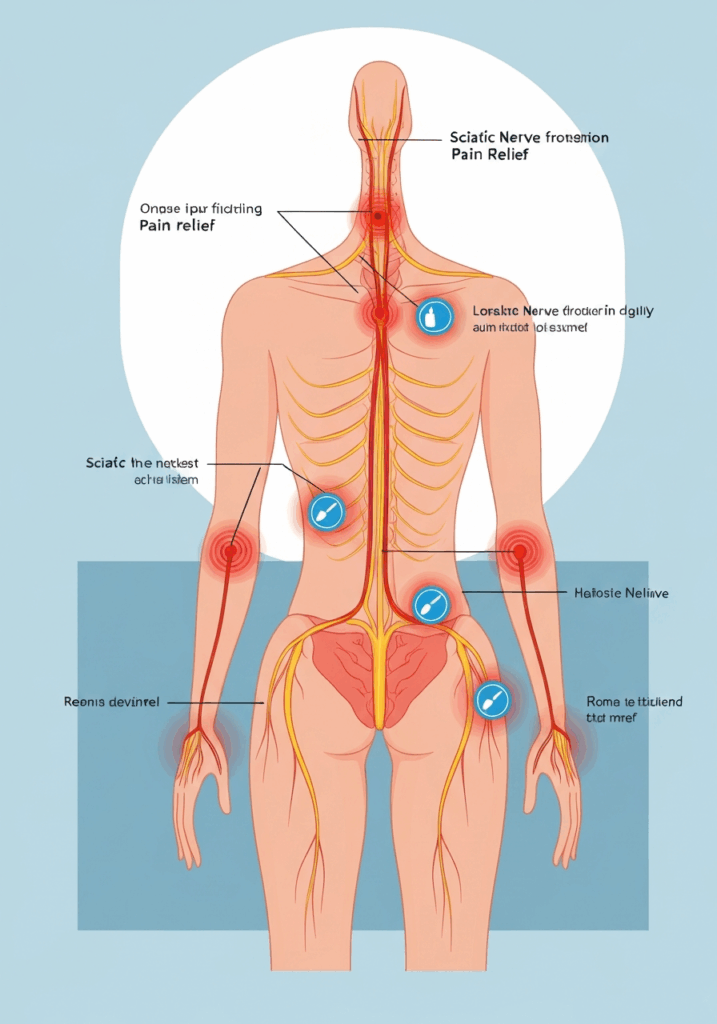
This discomfort isn’t just typical lower back pain. Because the sciatic nerve is so long, the symptoms of sciatica can radiate far from the source of the problem. For some, this can become a form of chronic pain that significantly impacts mobility and quality of life, making it important to understand its causes and symptoms.
What Causes Sciatic Nerve Pain?
The most common cause of sciatica is the compression of the sciatic nerve or the nerve roots in your lower back. This pressure can come from several underlying conditions. A herniated disk is a frequent culprit, where a spinal disk bulges out and presses on the nerve.
Other conditions like spinal stenosis, which is a narrowing of the spinal canal, or bone spurs can also lead to nerve compression. Even normal age-related wear and tear, previous injuries, or excess body weight can contribute to chronic low back pain and increase your risk of developing sciatica.
When simpler treatments like OTC medications don’t provide relief, your doctor might suggest prescription medications. The most commonly prescribed drugs for sciatic nerve pain include oral steroids, muscle relaxants, and certain antidepressants or anti-seizure medications for chronic nerve pain.
Common Symptoms Experienced with Sciatica
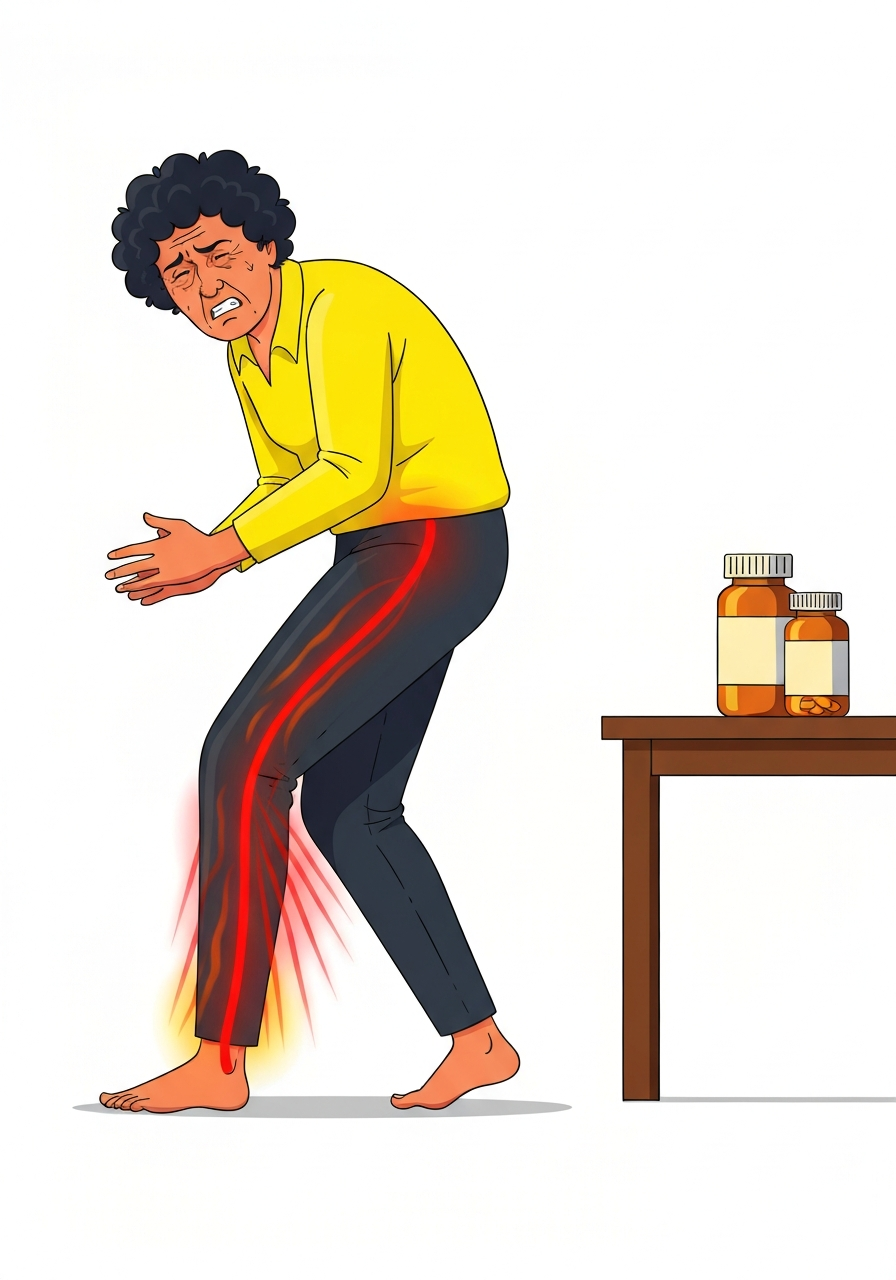
Sciatica symptoms are distinct and usually affect only one side of your body. The pain often originates in your lower spine and can travel down the back of your affected leg, sometimes even reaching your foot. This isn’t just a dull ache; many people describe it as a burning sensation or an electric shock.
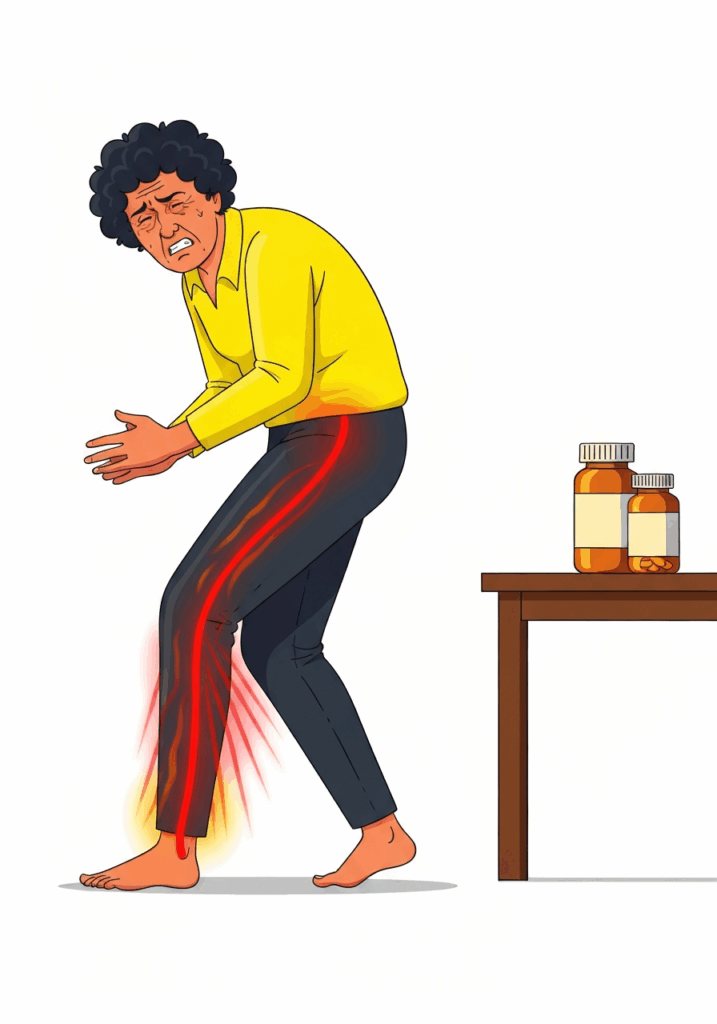
Beyond the pain, you might experience other sensations. The most common sciatica symptoms include:
- Tingling or a “pins and needles” feeling.
- Numbness in your leg or foot.
- Muscle weakness in the affected leg.
In cases of severe pain, these symptoms can make walking or standing difficult. While medications can help, it’s good to be aware of their potential side effects, which vary from stomach irritation with NSAIDs to drowsiness with muscle relaxants. Always discuss these possibilities with a healthcare professional.
Over-the-Counter Medications for Sciatica Relief
When you first experience sciatica pain, reaching for over-the-counter medications is a common and often effective strategy. These readily available options can help manage mild to moderate back pain and inflammation, providing the initial pain relief you need to stay active.
Many people find that OTC medications are sufficient to get them through a bout of sciatica. However, if your pain persists or becomes chronic, it’s a sign that you may need to explore other treatments. Let’s look at some specific counter medications that can help.
Non-Steroidal Anti-Inflammatory Drugs (NSAIDs) for Quick Pain Relief
Non-steroidal anti-inflammatory drugs (NSAIDs) are often recommended for rapid relief from sciatic nerve pain. By effectively reducing inflammation, these medications alleviate discomfort associated with sciatica symptoms. Popular options such as ibuprofen and naproxen work by blocking pain signals in the nervous system, providing temporary respite for individuals suffering from chronic or acute low back pain. While NSAIDs are generally safe when used as directed, it’s essential to discuss any possible side effects with your healthcare provider, especially for ongoing usage.
Effectiveness of Acetaminophen and Other OTC Analgesics
While NSAIDs are a go-to for inflammation, other OTC analgesics can also offer pain relief. Acetaminophen works differently than NSAIDs by targeting the way your brain perceives pain. For some individuals, this may be a suitable alternative, especially if they cannot take NSAIDs due to stomach or kidney issues.
The effectiveness of over-the-counter pain medications can depend on the severity and cause of your sciatica. For mild to moderate pain, they often provide adequate relief of pain. Combining these medications with self-care like ice packs or gentle stretching can further improve your results.
Remember that all medications have potential side effects. It’s always a good idea to speak with a pharmacist or your doctor to determine which OTC pain reliever is the best and safest choice for your specific situation and health profile.
Prescription Drugs Commonly Used for Sciatic Nerve Pain
If over-the-counter options aren’t cutting it, your doctor may recommend prescription medications. These drugs are stronger and often work in different ways to target the specific type of nerve pain associated with sciatica, especially in cases of chronic sciatica.
These treatment options are typically considered when your medical condition doesn’t improve after a few weeks. They can provide more powerful pain relief and are often used for a short period before considering more invasive treatments like injections. Let’s explore some of the most common prescription drugs for this purpose.
Gabapentin and Pregabalin: How They Work for Nerve Pain
For chronic nerve pain, also known as neuropathic pain, doctors sometimes prescribe anti-seizure medications like gabapentin and pregabalin (Lyrica). These drugs are effective for sciatic nerve pain because they work on the nervous system to calm overactive nerves and disrupt pain signals sent to the brain.
Instead of just masking the pain, they change how your body communicates it, which can be very helpful for the burning or shooting sensations common with sciatica. Treatment with these medications is usually started at a low dose and gradually increased to find the most effective amount with the fewest side effects.
Here is a quick look at these medications:
| Medication | Drug Class | How It Helps |
|---|---|---|
| Gabapentin | Anti-seizure | Calms overactive nerves to reduce neuropathic pain signals. |
| Pregabalin | Anti-seizure | Works similarly to gabapentin to disrupt nerve pain signals. |
Muscle Relaxants for Sciatic Nerve Pain Management
Yes, muscle relaxants can absolutely help relieve sciatic nerve pain. Often, the underlying issue causing sciatica, like a herniated disk, can lead to painful muscle spasms in your low back. These spasms create tension and can worsen your discomfort, creating a painful cycle.
Medications like cyclobenzaprine work by helping these tight, tense muscles to relax. By reducing muscle spasms, they can provide significant pain relief and help ease the stiffness associated with acute sciatica. This can make it easier to rest and perform gentle stretches that aid in your recovery.
Because muscle relaxants can cause drowsiness and have a risk of dependency, they are typically prescribed for short-term use. They are particularly beneficial for managing the acute phase of low back pain and sciatica.
Amitriptyline and Other Antidepressants in Sciatica Treatment
It might seem unusual, but certain antidepressants are an effective medication for managing chronic pain, including the nerve pain from sciatica. Tricyclic antidepressants, such as amitriptyline, can provide pain relief by affecting chemical messengers in the brain and spinal cord that are involved in pain signaling.
These medications are especially useful when the pain has become chronic and doesn’t respond well to other treatments. Amitriptyline is not prescribed for its antidepressant effects in this context but specifically for its ability to modulate nerve pain.
To minimize side effects, your doctor will typically start you on a very low dose and increase it gradually. This approach helps find the lowest effective dose for pain relief, making it a valuable tool in the long-term management of persistent sciatica.
Topical and Localized Pain Relief Options
Beyond oral medications, you can find pain relief through treatments applied directly to your skin. This approach, known as topical therapy, includes medicated patches, gels, and creams that work on the specific area where you feel pain, offering a more localized solution.
These options can be a great addition to your treatment plan, often used alongside physical therapy or other alternative therapies. They provide a way to manage discomfort without the systemic side effects that can come with oral drugs. Let’s look at how these topical products can help.
Medicated Patches and Creams for Fast Symptom Relief
Creams and medicated patches are excellent for providing fast, targeted pain relief. When you apply these products, it’s best to place them on your rear pelvis or lower back, near the sciatic nerve roots, rather than just on your leg where the pain radiates. This helps numb the pain at its source. Common preparations include ingredients like:
- Menthol or camphor (which create cooling or warming sensations)
- Capsaicin (derived from chili peppers)
- Lidocaine (a local anesthetic)
This type of topical therapy can provide a continuous numbing effect, and adhesive patches containing lidocaine can be worn discreetly under your clothing. While generally safe, some people may experience skin irritation, so it’s wise to test a small area first. These treatments are great alternatives or supplements to oral drugs, and they pair well with physical therapy and stretching for long-term relief.
When Should Injections Be Considered for Sciatic Nerve Pain?
If your sciatic nerve pain is severe and hasn’t responded to conservative treatments like oral medications and physical therapy, your doctor might suggest spinal injections. These are generally considered a next step before surgery becomes a topic of discussion.
Corticosteroid injections are the most common type. A steroid medication is injected near the affected nerve root to powerfully reduce inflammation and swelling. This can provide significant, though often temporary, relief of pain for up to three months. This period of reduced pain can create a valuable window for you to make progress with physical therapy.
Like any procedure, there are possible side effects, so it’s essential to have a thorough discussion with your doctor about the benefits and risks. Injections are a useful tool for managing intense flare-ups of sciatic nerve pain.
Potential Side Effects of Sciatic Nerve Pain Drugs
While medications offer much-needed pain relief, it’s important to remember that all of them come with potential side effects. The risks associated with a drug can depend on your unique medical condition, the dosage you take, and how long you take it.
Understanding these possible side effects is a key part of using medication safely and effectively. Before starting any new drug, you should be aware of what to look out for. Let’s examine some of the common risks associated with both OTC and prescription options.
Safety and Risks of Commonly Used OTC and Prescription Medications
The potential side effects of drugs used for sciatic pain vary widely. Over-the-counter NSAIDs, for instance, are known to cause stomach irritation, and long-term use can pose risks to your kidneys or heart. This is why they are recommended for short-term pain relief and should be taken with food.
Prescription medications carry their own unique risk of side effects. Muscle relaxants can cause drowsiness and dizziness, making it unsafe to drive or operate machinery. Other drugs, like those for nerve pain, may also cause dizziness or fatigue, especially when you first start taking them.
Your healthcare provider will weigh the benefits of pain relief against these risks. Being open about your health history helps them choose the safest option for you and monitor for any adverse effects.
Important Precautions to Discuss with Your Doctor Before Starting Medication
Before starting any new drug for sciatica, having an open conversation with your healthcare provider is essential for your safety. They need a complete picture of your health to prescribe the most appropriate medication and dosage for your specific needs.
Being prepared for your appointment can help ensure you cover all the important points. A clear discussion can help you avoid negative interactions and minimize the risk of possible side effects.
Be sure to talk about these key topics with your doctor:
- Any other medical condition you have, especially heart, kidney, or stomach problems.
- All other medications you are taking, including supplements and OTC drugs.
- Any past adverse reactions you’ve had to medications.
- Your lifestyle, including whether you use tobacco products.
Conclusion
Sciatic nerve pain can be debilitating, but understanding the available medications for relief can make a significant difference in your quality of life. From over-the-counter options like NSAIDs and acetaminophen to prescription treatments such as gabapentin and muscle relaxants, there are numerous pathways to manage this pain effectively. It’s essential to consider potential side effects and consult your doctor to determine the best course of action tailored to your needs. Remember, taking proactive steps toward pain management can enhance your daily activities and overall well-being. If you have questions or need personalized advice, don’t hesitate to reach out for a free consultation with our healthcare professionals. Your journey to relief starts now!
Frequently Asked Questions
Are over-the-counter drugs effective for relieving moderate to severe sciatic nerve pain?
For mild to moderate pain, OTC medications can be quite effective. However, they may not be strong enough for severe pain. If your sciatica pain is intense or doesn’t improve, you will likely need prescription-strength options to achieve adequate pain relief and manage your symptoms effectively.
How quickly can prescription medications provide relief from sciatica symptoms?
The speed of pain relief from prescription medications varies. Muscle relaxants and oral steroids can relieve sciatica symptoms relatively quickly, sometimes within a few days. Treatment options for chronic nerve pain, like gabapentin, may take a few weeks to reach their full effect as the dose is gradually increased.
Are there any alternative treatments to medication for sciatic nerve pain relief?
Yes, many effective alternative therapies are available. Physical therapy is a cornerstone of sciatica pain treatment, focusing on exercises to relieve nerve pressure. Other helpful options include chiropractic adjustments, acupuncture, and massage therapy, all of which can provide significant pain relief and improve mobility without medication.
https://www.sciencedirect.com/science/article/abs/pii/S0304395910005841
https://www.sciencedirect.com/science/article/abs/pii/S1090380106000760
https://www.sciencedirect.com/science/article/abs/pii/0304395987900364
https://www.cochranelibrary.com/cdsr/doi/10.1002/14651858.CD014682.pub2/full