

Common Diseases During the Autumn: What to Know

Key Highlights
- The autumn season often brings an increase in common illnesses like colds, flu, and allergies due to weather changes.
- Strengthening your immune system with a healthy diet and exercise is your first defense against fall illnesses.
- Recognizing flu symptoms early is key to managing the infection and avoiding serious complications.
- Good hygiene, including frequent handwashing, is one of the most effective ways to prevent the spread of germs.
- Annual flu shots are highly recommended to protect yourself and others during the flu season.
As the leaves change color and the air turns crisp, the autumn season ushers in a time for cozy sweaters and festive gatherings. Unfortunately, this time of year also signals an increase in fall illnesses. Understanding the common health challenges that arise can help you stay healthy and enjoy everything the season has to offer. A proactive approach to wellness, focused on supporting your immune system, ensures you and your family can navigate the season without unnecessary sniffles and coughs.
Why Illnesses Peak in the Autumn Season
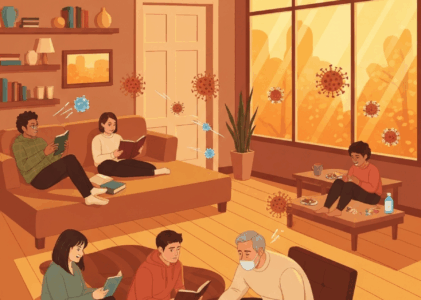
Have you ever wondered why you seem to get sick more often during the fall season? As the weather cools, we spend more time indoors and in crowded places, creating the perfect environment for germs to spread. This increase in close contact makes the transmission of seasonal illnesses much more likely.
Your body also faces stress as it adjusts to changing temperatures and less sunlight, which can weaken your immune system. This combination of environmental and physical factors makes your body more vulnerable to the viruses and bacteria that cause common fall sicknesses. Let’s explore how weather changes and indoor gatherings play a role.
Changes in Weather and Their Impact on Health
When the weather cools, your body is put under significant stress. This rapid temperature drop forces your system to work harder to maintain its internal temperature, which can lower your natural defenses. A weakened immune system has a harder time fighting off invading viruses and bacteria.
The cold, dry air also has a direct effect on your respiratory system. It can cause inflammation in the mucous membranes of your nose and throat, creating a more favorable environment for pathogens to thrive. This is why many people experience body aches and the first signs of a cold as the seasons change.
Furthermore, the autumn season brings shorter days and less sunlight. This leads to a decrease in your body’s production of Vitamin D, an essential nutrient for a strong immune system. This dip in vitamin levels can make you more susceptible to infections.
Increased Indoor Gatherings and Germ Transmission
With colder temperatures outside, you naturally spend more time inside. This shift leads to more indoor gatherings, from family get-togethers to time spent in schools and offices. These crowded places become hotspots for the spread of illness through close contact.
Germs easily travel from person to person in enclosed spaces. When someone who is sick coughs or sneezes, they release tiny respiratory droplets containing viruses or bacteria into the air. In a poorly ventilated room, these droplets can linger on surfaces and in the air, increasing the risk for everyone present.
To minimize the spread of germs during indoor gatherings, it’s important to:
- Wash your hands frequently with soap and water.
- Avoid touching your face, especially your eyes, nose, and mouth.
- Regularly disinfect high-touch surfaces like doorknobs and phones.
Recognizing Common Autumn Diseases
Knowing what to watch for is the first step in managing fall illnesses. Many of these common illnesses share similar symptoms, but understanding their key differences can help you seek the right care. From respiratory illnesses to stomach bugs, autumn brings a variety of health challenges.
Being able to identify these conditions early helps you take the correct steps to recover and prevent spreading germs to others. A prepared immune system can fight off many of these threats, but it’s always good to be informed. Let’s look at some of the most prevalent diseases you might encounter this fall.
Cold and Influenza (Flu)
The common cold and influenza (flu) are two of the most frequent fall illnesses. Colds are generally milder and caused by various viruses. They typically involve symptoms like a runny nose, stuffy nose, and a sore throat. While annoying, colds usually resolve on their own with rest.
Influenza, on the other hand, is more severe and comes on suddenly. The flu season often begins in the fall, and flu symptoms can be much more intense. It’s common to get both types of illnesses during this time of year if you’re exposed.
Key flu symptoms to watch for include:
- High fever and chills
- Severe body aches and headache
- Intense fatigue or weakness
While most people recover from the flu, it can lead to serious complications, especially for vulnerable individuals.
Respiratory Infections and Bronchitis
Beyond the common cold, other respiratory infections become more prevalent in the fall. An upper respiratory infection can sometimes lead to more serious conditions like bronchitis, which is the inflammation of the airways in your lungs.
Bronchitis often develops after a cold or flu virus enters the respiratory tract. The main symptom is a persistent cough, which may produce mucus. You might also experience mild chest pain, shortness of breath, or wheezing. It’s important to monitor your symptoms if you have a cough that won’t go away.
If your symptoms include difficulty breathing, a high fever, or a worsening cough, it’s crucial to seek medical attention. These could be signs that the infection is progressing to something more serious, like pneumonia, which requires prompt treatment.
Seasonal Allergies in Autumn
Not all sniffles and sneezes in the fall are due to illness. For many people, the fall season marks the beginning of uncomfortable seasonal allergies. These allergies are triggered by specific environmental factors that become more widespread during this time of year.
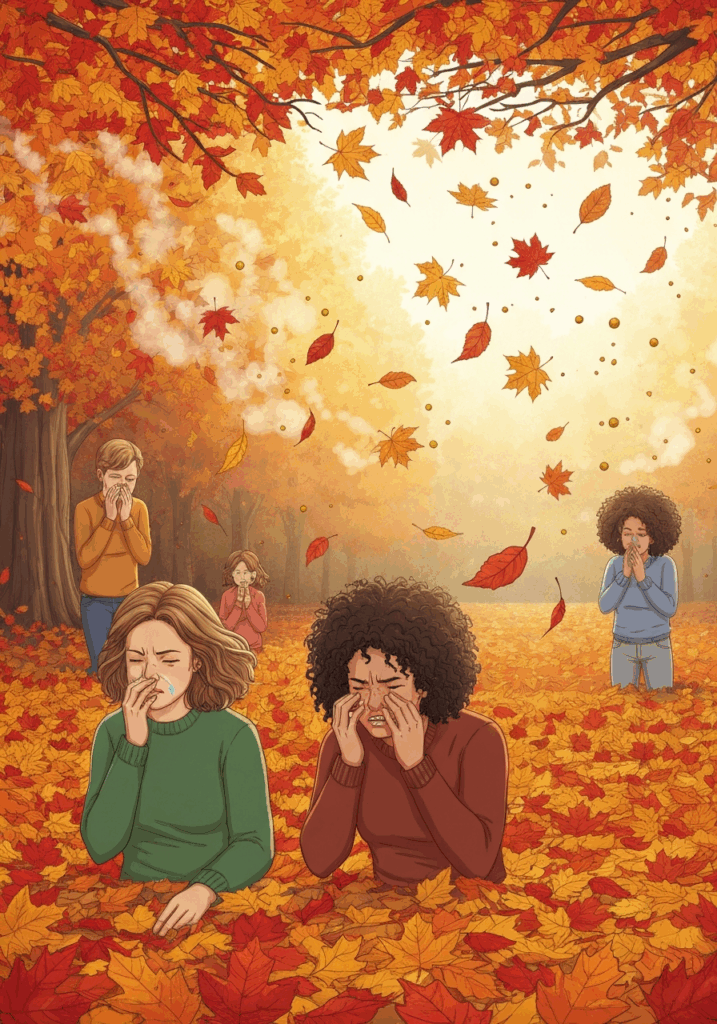
Common fall allergens can cause symptoms that mimic a cold, making it tricky to tell the difference. Understanding what triggers fall allergies can help you manage your symptoms and feel better. Let’s examine the types of allergens that flare up in autumn and how to distinguish allergy symptoms from an illness.
Types of Allergens That Rise During Fall
As the seasons change, so do the allergens in the air. Certain types of allergens thrive in the autumn environment, leading to a spike in seasonal allergies. One of the most significant culprits is ragweed pollen, which can travel for hundreds of miles on the wind.
Another major trigger is mold spores. Damp, fallen leaves create the perfect breeding ground for mold, which releases spores into the air you breathe. As you spend more time indoors with the windows closed, you may also experience increased reactions to indoor allergens like dust mites.
Common fall allergens that worsen during this season include:
- Ragweed pollen
- Mold spores from decaying leaves
- Dust mites stirred up by heating systems
Symptoms and How to Distinguish Allergies from Illness
Is it allergies or a cold? This is a common question in the fall, as symptoms can overlap. However, there are key differences. Allergies often cause itchy eyes, nose, and throat, which are less common with a cold. While both can cause a stuffy nose, colds are more likely to be accompanied by a sore throat and body aches.
A fever is a clear indicator of an illness, not allergies. Allergy symptoms tend to last as long as you’re exposed to the allergen, which could be weeks, while cold symptoms usually clear up within a week or two. Over-the-counter antihistamines and nasal sprays are often effective for managing allergy symptoms.
Here’s a simple guide to help tell the difference:
| Symptom | Allergies | Cold/Flu |
|---|---|---|
| Itchy Eyes | Common | Rare |
| Fever | Never | Common (especially with flu) |
| Body Aches | Never | Common |
| Onset | Sudden | Gradual (cold) or Sudden (flu) |
Stomach Viruses and Gastrointestinal Illnesses
Respiratory issues aren’t the only concern during autumn. This season also sees a rise in gastrointestinal illnesses, often called the “stomach flu.” These unpleasant viral infections can spread quickly, especially in close-contact environments like schools and offices.
These fall illnesses are typically caused by viruses like norovirus, not the influenza virus that causes the flu. While uncomfortable, knowing the causes and signs of these stomach bugs can help you manage them effectively and prevent spreading them to others. We will look into what causes these illnesses and what signs to watch for.
Causes and Prevalence in Autumn
Gastrointestinal illnesses, or stomach flu, become more common in the fall for reasons similar to why respiratory illnesses peak. Increased time indoors means more opportunities for viral infections to spread from person to person. Norovirus, a leading cause of gastroenteritis, is highly contagious.

These viral infections are transmitted through contact with an infected person or by touching contaminated surfaces, food, or water. Norovirus is particularly resilient and can survive on surfaces for days, making it difficult to control the spread of illness in public places.
Unlike some fall illnesses caused by bacteria, there is no specific medication to cure viral stomach bugs. The focus is on managing symptoms and preventing dehydration until the virus runs its course. Good hygiene is critical to stopping transmission.
Key Signs to Watch For and Management Tips
When you have the stomach flu, the symptoms are hard to miss. The most common signs are nausea, vomiting, diarrhea, and stomach pain or cramps. You might also experience a loss of appetite, general weakness, or a low-grade fever. While a high fever is less common, it can occur.
Since there’s no cure for these viral infections, management focuses on symptom relief and preventing dehydration, which is the main risk. It’s crucial to drink plenty of fluids, such as water or electrolyte solutions, in small, frequent sips. Getting adequate sleep and plenty of rest is also essential for recovery.
To help manage stomach flu symptoms:
- Drink plenty of fluids to stay hydrated.
- Slowly reintroduce bland foods like crackers or bananas.
- Get as much rest as possible to let your body recover.
Preventing Common Diseases During Autumn
The best way to enjoy the autumn season is to avoid getting sick in the first place. Taking proactive steps to protect your health can make a huge difference. Prevention is all about supporting your immune system and reducing your exposure to germs.
Simple habits like practicing good hygiene, eating a balanced diet, and getting the annual flu vaccine can go a long way. These measures strengthen your body’s defenses and help you stay well all season long. Let’s explore some key strategies for fortifying your health before fall arrives.
Strengthening Your Immune System Before Fall
A strong immune system is your best defense against seasonal sickness. You can start supporting it before fall even begins. Focus on a balanced diet rich in vitamins and minerals. Eating foods with vitamin C, like citrus fruits, and foods with antiviral properties, like garlic, can give your body the tools it needs to fight off infections.
Don’t forget about the importance of regular exercise. Physical activity improves circulation and helps immune cells move through your body more efficiently. It’s also vital to get enough sleep and manage your stress levels, as both can negatively impact your immune function.
Here are a few ways to boost your immunity:
- Eat a diet full of fruits, vegetables, and probiotics.
- Aim for at least 30 minutes of moderate exercise most days.
- Ensure you get 7-9 hours of quality sleep per night.
Good hygiene is a simple yet powerful tool for preventing illness. Frequent handwashing with soap and water is one of the most effective ways to remove germs and stop their spread. When soap and water aren’t available, use an alcohol-based hand sanitizer.
To stay healthy, make these practices a priority:
- Wash your hands thoroughly and often, especially before eating.
- Avoid touching your eyes, nose, and mouth.
- Talk to your healthcare provider about getting your annual flu vaccine.
Conclusion
As the autumn season approaches, it’s essential to stay informed about the diseases that can arise during this time. With changes in weather, increased indoor gatherings, and seasonal allergens, being proactive about your health is crucial. Recognizing symptoms early and understanding how to strengthen your immune system can help you navigate through this season with confidence. Remember to practice good hygiene and consider vaccinations as preventative measures. By taking these steps, you can enjoy all that fall has to offer while minimizing your risk of illness. If you’re looking for personalized advice on staying healthy this autumn, don’t hesitate to reach out for a free consultation.
Frequently Asked Questions
Are children more likely to get sick during autumn in the United States?
Yes, young children are often more likely to get fall illnesses. Their immune systems are still developing, and they are in close contact with other kids at school or daycare, which increases the spread of respiratory infections. This environment makes it easier for germs to pass from one child to another.
Do autumn illnesses differ from winter diseases?
Many illnesses, like the flu and respiratory illnesses, are common in both the fall season and the winter months. However, the flu season often begins in the fall and peaks in the winter. Fall is also marked by a spike in allergies, while winter may bring on more intense body aches from the colder weather.
Who is at higher risk for autumn season diseases?
Certain groups are at a higher risk for serious complications from autumn illnesses. This includes older adults, young children, pregnant women, and anyone with a weakened immune system or underlying health conditions like asthma or heart disease. For these individuals, prevention is especially important.
https://www.cdc.gov/rsv/infants-young-children/index.html
https://www.webmd.com/cold-and-flu/ear-infection/default.htm