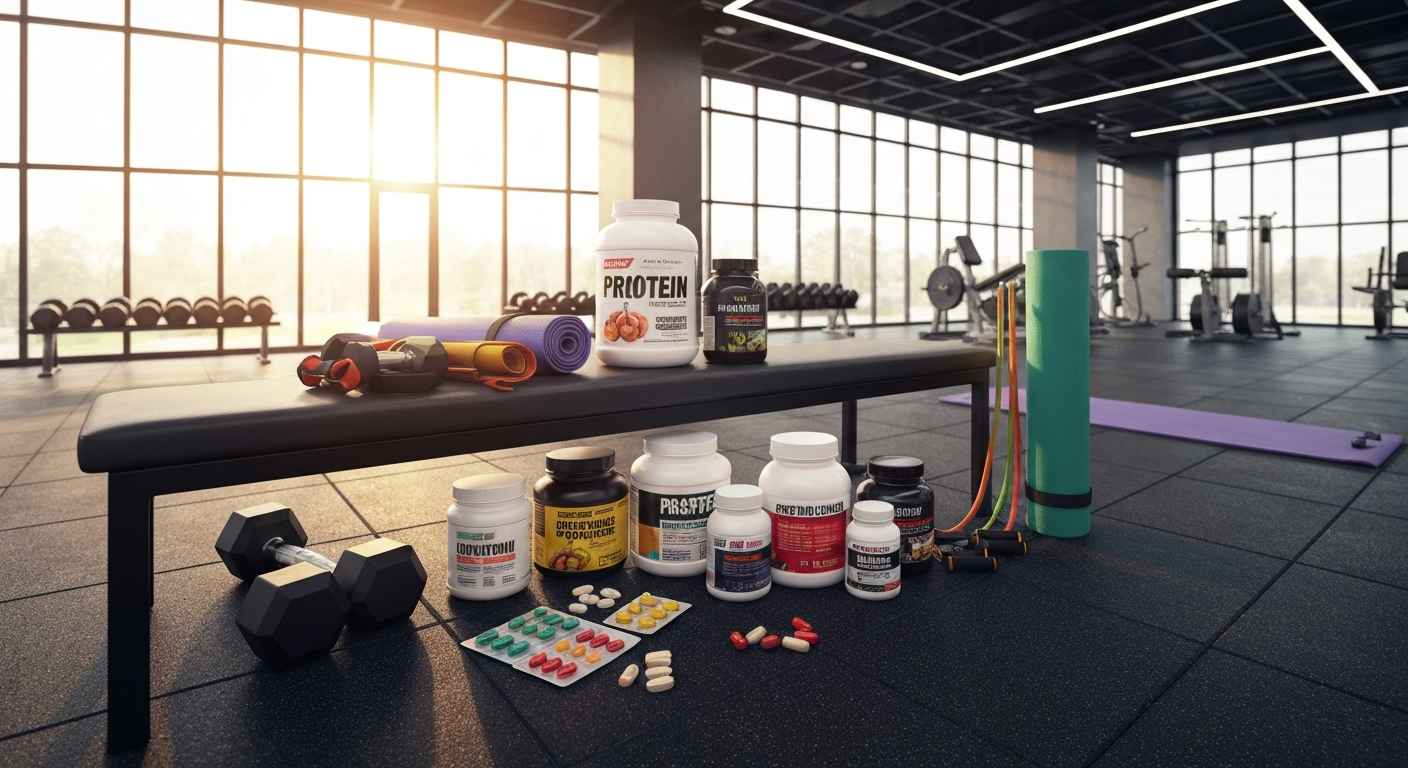

Understanding Diet & Fitness Supplements and Drugs: A Guide
Key Highlights
- A dietary supplement is different from a drug, as it is not reviewed for safety or effectiveness by the FDA before being sold. Effective sports nutrition can enhance athletic performance, with some supplements aiding muscle growth or weight loss. If you’re looking to buy reputable diet and fitness supplements online, consider shopping through well-known retailers such as Amazon, GNC, or Bodybuilding.com, which offer a variety of trusted brands and customer reviews to help guide your choices.
- Effective sports nutrition can enhance athletic performance, with some supplements aiding muscle growth or weight loss.
- Creatine and whey protein are two of the most studied supplements for improving strength and muscle mass.
- Vitamins and minerals play a crucial role, but a balanced diet is often sufficient for most people.
- Always be aware of potential side effects and consult a healthcare professional before starting a new supplement.
Introduction
Welcome to the world of diet and fitness supplements! You have likely seen them promoted online and in stores, promising to boost your physical performance and help you reach your goals faster. The field of sports nutrition is vast, and understanding which dietary supplement, if any, is right for you can feel overwhelming. This guide is here to break down the differences between supplements and drugs, explore the most common options, and help you make informed and safe choices for your fitness journey.
Overview of Diet & Fitness Supplements and Drugs
Navigating the landscape of fitness products means understanding the fundamental differences between a dietary supplement and a drug. While both can influence your athletic performance and overall health, they are regulated very differently. Fitness supplements are intended to add to your diet, while drugs are used to treat or prevent diseases.
Proper drug administration is strictly controlled, but supplements have a much lower barrier to market. Knowing these distinctions is the first step toward using these products safely and effectively. We will explore the definitions, roles, and popularity of these items to give you a clearer picture.
Defining Dietary Supplements, Fitness Supplements, and Drugs
A dietary supplement is a product you take to supplement your diet. This can include vitamins, minerals, herbs, or amino acids. Fitness supplements are simply a category within this broad group, specifically marketed to improve exercise and athletic performance. They are not intended to treat or cure any disease.
On the other hand, a drug is a substance intended for use in the diagnosis, cure, mitigation, treatment, or prevention of disease. The process of drug administration is highly regulated by the Food and Drug Administration (FDA) to ensure safety and efficacy before products reach consumers.
Understanding this key difference in the world of sports nutrition is vital. Some of the most effective dietary supplements for performance, such as creatine and certain proteins, have strong scientific backing but are still not regulated with the same rigor as over-the-counter medications.
Common Roles in Health, Wellness, and Performance
Supplements and drugs play distinct but sometimes overlapping roles in personal health. Many people use dietary supplements to fill nutritional gaps in their diet, supporting their general well-being. For example, someone with a diagnosed deficiency may be advised by a health care professional to take a specific vitamin.
In the context of fitness, these products are often used to enhance sports performance. An athlete might use a pre-workout supplement for an energy boost or a protein shake to aid muscle recovery. These can certainly help you achieve better fitness results when used correctly and in combination with a solid training and nutrition plan.
Ultimately, the goal is to support your body’s needs. Whether for general health or peak performance, these products should complement a healthy lifestyle, not replace it. Always consider your individual needs and consult a professional if you are unsure.
The Growing Popularity of Supplements in the United States
The market for sports supplements is booming, with sales reaching nearly $14 billion in 2020 and projected to grow. But what is fueling this trend? A major factor is the influence of social media, where fitness gurus and athletes frequently promote products as essential for achieving peak performance.
This visibility, combined with compelling marketing, makes it seem like you cannot have an effective workout without them. Information from sources like the National Institutes of Health provides a more balanced view, but marketing claims often drown out the science. Athletes commonly use products that have some evidence to support their claims.
Reasons for the surge in popularity include:
- The desire for a competitive edge in sports and fitness.
- Promises of faster results, such as rapid muscle growth or fat loss.
- Increased accessibility through online stores and social media marketing.
Types of Dietary Supplements for Fitness
When you walk into a nutrition store, the sheer variety of products can be dizzying. However, most dietary supplements for fitness fall into a few key categories. The most common supplements are designed to help with energy, recovery, and muscle growth.
Protein supplements, amino acids, and creatine are among the most popular and well-researched options available. These products are often used by athletes and fitness enthusiasts looking to increase their muscle strength and improve their workout results. Let’s look at some of these types in more detail.
Protein Powders and Shakes
Protein powders and shakes are perhaps the most recognizable fitness supplements. Their main purpose is to provide a convenient and concentrated source of protein to help repair and build muscle mass after a workout. When choosing a protein supplement, it is a good idea to know what you are getting.
A protein powder can be derived from various sources, and they often contain other ingredients like vitamins, sweeteners, or flavorings. Since they are not reviewed by the FDA for safety, reading the label is essential.
Common types of protein include:
- Whey protein: A milk-based protein that is digested and absorbed quickly.
- Casein protein: Also from milk, but it digests slowly, providing a sustained release of amino acids.
- Plant-based proteins: Options like soy, pea, and hemp protein are great for vegans or those with dairy sensitivities.
Branched-Chain Amino Acids (BCAAs)
Branched-chain amino acids, or BCAAs, are a group of three essential amino acids: leucine, isoleucine, and valine. They are considered building blocks of protein and play a role in muscle protein synthesis. You can find them in protein-rich foods like meat and eggs or as a standalone supplement.
In the world of sports nutrition, BCAAs are often marketed to enhance muscle recovery and reduce soreness after exercise. Leucine, in particular, is known to stimulate the process of building muscle.
However, while short-term studies show a mechanistic role, longer-term trials have generally not found a significant performance-enhancing benefit from BCAA supplementation. Some research even suggests that a high intake of BCAAs could have a negative effect on glucose metabolism. This highlights a common risk: not all supplements deliver on their promises, and some may have unintended side effects.
Creatine and Its Benefits
Creatine is one of the most studied and effective supplements for athletes. It is a compound your body produces naturally and is found in foods like red meat and seafood. Its primary function is to help your muscles produce energy during heavy lifting or high-intensity exercise.
Creatine supplementation, typically with creatine monohydrate, is popular because it works. Research shows it can increase your training volume, allowing you to perform more reps, which leads to greater gains in lean muscle mass and muscle strength. It is especially beneficial for athletes in power and strength sports.
Numerous organizations, including the International Society of Sports Nutrition, support its use for high-performance athletes. While generally safe at recommended doses, it can cause water retention and weight gain, so it is always wise to consult a doctor before starting creatine.
Pre-Workout and Post-Workout Supplements
Pre-workout and post-workout sports supplements are designed to optimize different phases of your exercise routine. Pre-workouts are taken before exercise to boost energy and endurance. They often contain stimulants like caffeine and ingredients like beta-alanine to help you push harder.
Post-workout supplements focus on recovery. They typically contain carbohydrates to replenish energy stores and protein to repair muscle tissue. Ingredients that boost nitric oxide are also sometimes included to improve blood flow.
When choosing a supplement, consider what is inside. For pre-workouts, check the caffeine content, as some can exceed the daily recommended amount. For post-workouts, look for a good balance of protein and carbohydrates. However, for most people engaging in moderate exercise, a healthy meal or snack is just as effective for recovery.
Vitamins and Minerals in Athletic Performance
While much of the focus is on protein and creatine, vitamins and minerals are the unsung heroes of athletic performance. A healthy, balanced diet should provide most of the micronutrients you need, but intense training can increase your body’s requirements for certain ones.
Deficiencies in key nutrients like vitamin D or iron can negatively impact your energy levels and endurance. In these cases, targeted supplementation with products like iron supplements can make a real difference. Let’s examine some of the most important vitamins and minerals for active individuals.
Essential B Vitamins for Energy and Recovery
The family of B vitamins is vital for your body to convert food into usable energy. They play a direct role in the metabolism of carbohydrates, fats, and proteins, which fuel your workouts. A deficiency in B vitamins, such as B-12 or B-6, can leave you feeling tired and can hinder your exercise performance.
For this reason, B vitamins can certainly help you achieve better fitness results, but there is a catch. Research shows that if your levels are already sufficient, taking extra B vitamins is unlikely to provide an additional boost. Therefore, supplementation is most effective when correcting an existing deficiency.
Female athletes, vegetarians, and vegans may be at a higher risk for certain B vitamin deficiencies. If you feel constantly fatigued, it may be a good idea to speak with a doctor and get your levels checked before you start taking a supplement.
The Role of Iron and Calcium
Iron and calcium are two minerals that are critical for athletes. Essential in iron for carrying oxygen to your muscles, and low iron levels can cause significant fatigue and reduce endurance. Deficiency in iron is particularly common among female athletes, especially in endurance sports.
Calcium is well-known for its role in building strong bones, but it is also crucial for proper muscle function, including contraction. Maintaining adequate calcium levels helps you maintain muscle mass and reduces the risk of stress fractures and other injuries.
While you can get these minerals from your diet, some people may need supplements. However, it is important to be cautious with iron supplements. Taking too much iron can cause side effects and be dangerous, so you should only supplement if a blood test confirms you have a deficiency.
Vitamin D for Strength and Bone Health
Vitamin D, often called the “sunshine vitamin,” plays a huge role in your overall strength and bone health. It works hand-in-hand with calcium, helping your body absorb it to build and maintain strong bones. This is a critical function for any active person, as it helps reduce the risk of injuries like fractures.
Beyond bones, vitamin D is also important for maintaining muscle mass and function. Some studies suggest that adequate vitamin D levels can contribute to improved physical performance and strength, making it a key nutrient for fitness enthusiasts.
While you can get vitamin D from sun exposure and some foods, many people have insufficient levels, especially in colder climates. If you are concerned about your vitamin D status, a simple blood test can determine if you need a supplement to help you achieve better fitness results.
Other Key Micronutrients for Fitness Enthusiasts
Beyond the major vitamins and minerals, several other micronutrients can support your fitness goals. These substances often work in different ways, from fighting oxidative stress to buffering muscle acidity during intense exercise. Many of these are used by athletes looking for every possible advantage.
For example, antioxidants like vitamin C and vitamin E help protect your cells from damage caused by strenuous physical activity. Other compounds work more directly on performance, helping you push through fatigue.
Here are a few other micronutrients and compounds that athletes sometimes use:
- Sodium bicarbonate: Also known as baking soda, it can help reduce muscle acidity during high-intensity exercise, delaying fatigue.
- Beetroot juice: Rich in nitrates, it can improve blood flow and exercise efficiency.
- Fish oil: Contains omega-3 fatty acids that may help reduce inflammation and muscle soreness.
Fitness Drugs: What You Need to Know
The term “fitness drugs” covers a range of substances used to enhance performance, but they are very different from supplements. Unlike supplements, these drugs are often subject to strict regulations, and their legal status can vary significantly.
Understanding the difference is crucial for your health and safety. The path of drug administration is carefully controlled, and many fitness drugs are available only by prescription or are banned in competitive sports. Before considering any of these substances, it is essential to be aware of their purpose, effects, and the laws governing their use.
Understanding Prescription vs. Over-the-Counter Fitness Drugs
Fitness-related drugs can be separated into two main categories: prescription and over-the-counter (OTC). Prescription drugs are those that a doctor must prescribe for you. They are intended to treat specific medical conditions and are monitored for safety and effectiveness by the FDA.
Over-the-counter drugs, like certain pain relievers or stimulants, can be purchased without a prescription. While more accessible, they still carry risks and potential side effects. It is important to follow the directions for any drug administration carefully, whether it is prescribed or not.
In both cases, these substances are regulated as drugs, not supplements. This means they have undergone testing to prove they work for their intended purpose. However, using them for off-label purposes, such as performance enhancement, can be risky and should only be done under medical supervision.
Popular Fitness Drugs and Their Uses
Several types of performance-enhancing drugs are known in the fitness world, though many are illegal or banned in sports. These substances are often used to increase muscle mass, strength, or endurance beyond what is possible with training and nutrition alone.
Their use is controversial due to their powerful effects and significant health risks. The legal status of these drugs is strict, and using them without a valid medical reason can have serious consequences. They are very different from the common supplements athletes use.
Some categories of popular fitness drugs include:
- Anabolic Steroids: Synthetic variations of testosterone used to build muscle, but with many dangerous side effects.
- Stimulants: Drugs that can increase alertness and reduce fatigue but may also cause anxiety and high blood pressure.
- Human Growth Hormone (HGH): Used to increase muscle mass, but its use for physical activity enhancement is illegal and risky.
Legal and Regulatory Status in the United States
In the United States, the legal status of supplements and drugs is vastly different. The FDA heavily regulates drugs, requiring rigorous testing for safety and efficacy before they receive FDA approval. This process ensures that a drug is safe and effective for its intended use.
Dietary supplements, however, fall under a different set of rules. Manufacturers are responsible for ensuring their products are safe, but they do not need to prove it to the FDA before selling them. The FDA and its Office of Dietary Supplements can only take action after a harmful product is already on the market.
This table highlights the key differences in how you can know if a product is safe:
| Category | Regulation & Approval |
|---|---|
| Prescription Drugs | Must get FDA approval for safety and efficacy before market. |
| Over-the-Counter Drugs | Must be proven safe and effective under FDA monograph system. |
| Dietary Supplements | Not approved by the FDA for safety or efficacy before market. |
How Supplements Work to Improve Exercise Performance
So, how exactly do supplements claim to improve exercise performance? Different ingredients work through various biological mechanisms to give you an edge. Some are designed to boost your endurance, while others focus on stimulating muscle growth and speeding up recovery.
A few supplements may also have a modest effect on your metabolism. By targeting these specific pathways, supplements can help you train harder, last longer, and recover faster. Let’s look at how they achieve these effects.
Enhancing Endurance and Stamina
For athletes in endurance sports, fighting fatigue is the name of the game. Certain supplements are specifically designed to help you go the distance. One of the most effective is beta-alanine, an amino acid that helps buffer acid in your muscles. This reduces the burning sensation you feel during intense exercise, allowing you to maintain your pace for longer.
Caffeine is another powerful and effective supplement for improving endurance. It works by stimulating your central nervous system, which can reduce your perception of effort and make exercise feel easier. This can significantly increase your time to exhaustion.
While supplements can help, basic nutrition is still key. For exercise lasting over an hour, sports drinks containing carbohydrates and electrolytes can help maintain energy levels and hydration, boosting your overall exercise capacity. For most workouts, however, plain water is sufficient.
Supporting Muscle Growth and Recovery
One of the primary goals for many fitness enthusiasts is muscle growth. This process, known as hypertrophy, happens when your body repairs the micro-tears in skeletal muscle fibers caused by resistance training. Supplements can play a key role in this repair and growth cycle.
Protein is the most critical nutrient for muscle recovery. Consuming enough protein, whether from food or supplements, provides the amino acids needed to rebuild and grow muscle tissue. Whey protein is particularly effective after a workout because it digests quickly, delivering amino acids to your muscles rapidly.
Creatine is another highly effective supplement for muscle growth. It increases the availability of energy in your muscles, allowing you to lift heavier weights for more reps. This increased training volume is a powerful stimulus for building more muscle over time.
Boosting Metabolism and Fat Loss
Many supplements are marketed with bold claims about boosting metabolism and melting away fat. While some ingredients can have a minor effect, it is crucial to have realistic expectations. No supplement is a magic pill for weight loss.
Ingredients like caffeine can slightly increase your metabolic rate, causing you to burn a few extra calories. However, this effect is generally small and not enough to cause significant fat loss on its own. These supplements are not necessary for weight loss, but they can provide a small supporting role.
True and lasting weight loss comes from a consistent calorie deficit, achieved through a healthy diet and regular exercise. Supplements might give you a small edge by increasing energy for a workout or slightly boosting your metabolism, but they are no substitute for the hard work of a healthy lifestyle.
Evaluating Supplement Safety and FDA Approval
When it comes to supplement safety, you are largely on your own. Unlike medications, supplements do not require FDA approval before they are sold. This means that potentially dangerous substances can make their way into products on store shelves.
Because of this lack of pre-market oversight, it is up to you to be a savvy consumer. Learning how to evaluate products, read labels, and recognize red flags is essential for protecting your health. Let’s explore what FDA regulation means and how to spot safe products.
What Does FDA Approval Mean for Supplements?
A common misconception is that if a dietary supplement is sold in a store, the FDA has approved it as safe. This is not true. The FDA does not provide pre-market FDA approval for supplements. The responsibility for safety and accurate labeling falls on the manufacturers themselves.
The FDA’s role is primarily reactive. If it receives reports that a supplement is causing harm or contains illegal substances, it can investigate and take action, such as issuing warnings or requesting a recall. However, this often happens after many people have already been exposed to the harmful product.
This regulatory gap makes it difficult to know for sure if a supplement is safe. Unlike with prescription drugs, there is no official seal of approval to look for. This is why it is so important to do your own research and consult a health care professional.
Recognizing Safe vs. Dangerous Substances
With no pre-market approval, how can you improve supplement safety and avoid dangerous substances? The first step is to be skeptical of products that make outrageous claims. If a supplement promises drug-like effects, such as rapid, extreme weight loss or muscle gain, it is a major red flag.
These products may be adulterated with hidden prescription drugs or other illegal ingredients, which can cause serious side effects. Powdered caffeine is another example of a dangerous substance, as a small amount can be lethal, and it has been linked to several deaths.
To protect yourself, watch out for these warning signs:
- Promises of a quick fix or miraculous results.
- Products marketed in a foreign language or with poor labeling.
- Formulas with “proprietary blends” that hide the exact amounts of each ingredient.
How to Read Supplement Labels for Safety
Reading supplement labels carefully is one of your best tools for ensuring safety. A trustworthy product will have a clear and transparent label that tells you exactly what is inside and in what amounts. Avoid products that use vague terms or hide their formulas.
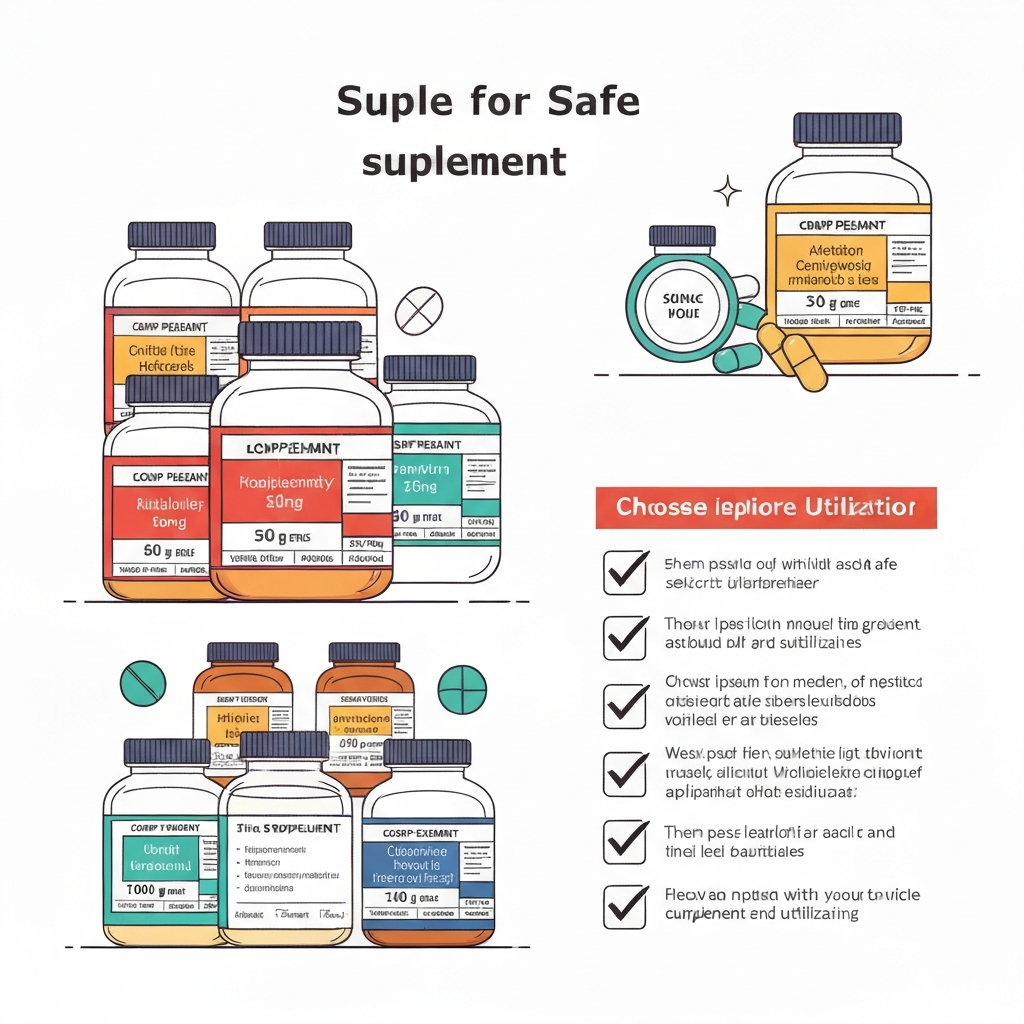
When evaluating a label, look for scientific evidence to back up the product’s claims. A quick search of the ingredients can help you perform a systematic review of their effectiveness and safety. Be wary of supplements that rely only on testimonials instead of research.
Here are some key things to check on supplement labels:
- Third-party certifications: Look for seals from organizations like NSF or USP, which verify that the product contains what the label says it does.
- Clear ingredient list: The label should list all active ingredients and their specific dosages.
- Contact information: Reputable companies provide contact information for consumer questions.
Choosing the Right Supplement for Your Fitness Goals
The best supplement for you depends entirely on your personal fitness goals. Are you trying to build muscle, lose weight, or run a faster marathon? Your supplement selection should align directly with these objectives.
There is no one-size-fits-all solution. For example, someone focused on strength training will benefit more from protein supplementation and creatine, while an endurance athlete might prioritize carbohydrates and electrolytes. Defining your goals is the first step in making a smart choice.
Identifying Your Needs: Weight Loss, Muscle Gain, or Endurance
Before you buy any supplement, take a moment to identify your primary fitness goal. Supplements are not necessary for making progress, but the right ones can support your efforts when combined with proper training and a healthy diet.
For example, if your goal is weight loss, a supplement containing a stimulant like caffeine might help by providing energy for your workouts. If muscle gain is your focus, products that support muscle protein synthesis are your best bet.
Here is a quick guide to matching supplements with goals:
- Muscle Gain: Creatine and protein powders are the most effective supplements for increasing muscle mass and strength.
- Endurance Sports: Beta-alanine, caffeine, and carbohydrate-rich sports drinks can help you perform longer and stronger.
- Weight Loss: While no supplement causes significant weight loss on its own, some may help manage appetite or boost energy levels.
Top Ingredients to Look for in Protein Supplements
When you are in the market for a protein supplement, the ingredient list is your best friend. The type of protein and the amount per serving are the most important factors to consider. Different protein sources are absorbed at different rates, making them suitable for different purposes.
Look for a product that clearly states the grams of protein per serving. A good quality supplement will typically provide 20-25 grams of protein. Also, check for added sugars or artificial ingredients if you prefer a cleaner product.
Consider these top protein ingredients:
- Whey Protein: Ideal for post-workout recovery because it is absorbed quickly by the body.
- Casein Protein: Digests slowly, making it a good option to take before bed to support muscle recovery overnight.
- Soy Protein: A complete plant-based protein that is a great alternative for vegans or those with dairy allergies.
Tips for Selecting High-Quality Products
Choosing high-quality products is key to ensuring both effectiveness and supplement safety. With so many options online and in stores, it can be hard to know which brands to trust. A reputable company will be transparent about its ingredients and manufacturing processes.
Look for products backed by scientific evidence. Avoid companies that rely on flashy marketing and celebrity endorsements without any real data to support their claims. Doing your own research on the ingredients is always a smart move.
Here are some tips for finding high-quality products:
- Look for third-party testing seals (e.g., NSF, USP) to verify ingredient accuracy and purity.
- Choose products with simple, clear ingredient lists over complex “proprietary blends.”
- Buy from well-known, reputable retailers or directly from the manufacturer’s website to avoid counterfeit products.
Risks, Side Effects, and Common Myths
While many supplements are safe, the industry is filled with risks, side effects, and pervasive myths. It is important to approach supplementation with a healthy dose of caution and to be aware of the potential downsides.
Some supplements can cause unwanted side effects, interact with medications, or simply be a waste of money. Understanding these risks, from ingredient interactions to drug administration concerns, is crucial for protecting your health. Let’s debunk some common myths and highlight the real risks.
Potential Side Effects to Watch Out For
Just because a supplement is “natural” does not mean it is free from side effects. Many common ingredients can cause adverse reactions, especially when taken in high doses. For example, too much caffeine can lead to anxiety, insomnia, and nausea.
People with pre-existing health conditions are at a higher risk for negative reactions. Supplements can put extra strain on the kidneys or liver or interfere with your body’s normal functions. This is why consulting a doctor is so important.
Here are some potential side effects to be aware of:
- Digestive issues like bloating, gas, or diarrhea from protein powders or creatine.
- A tingling or pins-and-needles sensation from beta-alanine.
- Increased heart rate and anxiety from high doses of stimulants.
Separating Fact from Fiction: Supplement Myths
The fitness world is full of supplement myths that can be confusing and misleading. To distinguish fact from fiction, it is best to rely on scientific evidence rather than marketing claims or anecdotal stories. A quick systematic review of research on an ingredient can tell you a lot.
One of the biggest myths is that supplements can replace a healthy diet. In reality, they are meant to supplement a diet, not substitute for whole foods. Another common myth is that more is always better, but taking excessive doses can be ineffective and even dangerous.
Here are some common myths to watch out for:
- Myth: Supplements will do all the work for you. Fact: They only work when combined with consistent training and nutrition.
- Myth: All supplements are safe because they are natural. Fact: Many natural substances can be harmful in high doses or interact with medications.
- Myth: A “proprietary blend” is a special, effective formula. Fact: It is often used to hide low, ineffective doses of key ingredients.
Interactions with Medications or Health Conditions
A critical risk of taking supplements is their potential to interact with medications you are already taking. These interactions can make your medication less effective or increase the risk of harmful side effects. This is a serious concern for anyone managing health conditions.
For example, stimulants found in pre-workout supplements can be dangerous for people with high blood pressure or heart conditions. Certain vitamins and minerals can also interfere with the absorption or function of prescription drugs. Proper drug administration relies on knowing everything you are putting into your body.
Before starting any new supplement, always:
- Consult your health care provider or pharmacist.
- Provide them with a full list of all supplements and medications you are taking.
- Discuss any underlying health conditions, such as high blood pressure, diabetes, or kidney disease.
Conclusion
In conclusion, understanding diet and fitness supplements is essential for anyone looking to enhance their health and performance. With a plethora of options available, from protein powders to vitamins and fitness drugs, it’s crucial to choose wisely based on your individual goals. Always consider the safety and efficacy of these products, focusing on high-quality ingredients and proper dosing. Remember, supplements are meant to complement a balanced diet and regular exercise, not replace them. If you’re still unsure about which supplements might be right for you, we invite you to get a free consultation with our experts to help guide you on your wellness journey.
Frequently Asked Questions
Are fitness supplements necessary for weight loss or muscle gain?
No, supplements are not necessary. The keys to weight loss and building muscle mass are a proper diet and consistent exercise. However, products like protein supplementation can make it easier to meet your nutritional needs for muscle repair, and others can enhance exercise performance to support fat loss goals.
Which supplements do athletes use most, and do they work?
Athletes often use protein supplements, creatine, and amino acids. Scientific evidence strongly supports the use of creatine supplementation for improving strength and power. Protein is effective for muscle repair. The effectiveness of other sports nutrition products varies, so it is important to check the research.
Can natural alternatives support fitness as well as supplements?
Yes, absolutely. A well-balanced diet rich in whole grains, lean proteins, leafy greens, and healthy fatty acids provides the essential nutrients needed for excellent exercise performance. For most people, a healthy diet and proper hydration are more effective and safer than relying on supplements.
https://pubmed.ncbi.nlm.nih.gov/19812387
https://link.springer.com/article/10.1186/1550-2783-4-6
https://www.ncbi.nlm.nih.gov/pmc/articles/PMC10058045
https://www.fda.gov/consumers/consumer-updates/spilling-beans-how-much-caffeine-too-much
https://academic.oup.com/nutritionreviews/article-abstract/76/4/243/4851715
https://www.fda.gov/consumers/consumer-updates/caution-bodybuilding-products-can-be-risky
https://jissn.biomedcentral.com/articles/10.1186/s12970-018-0242-y