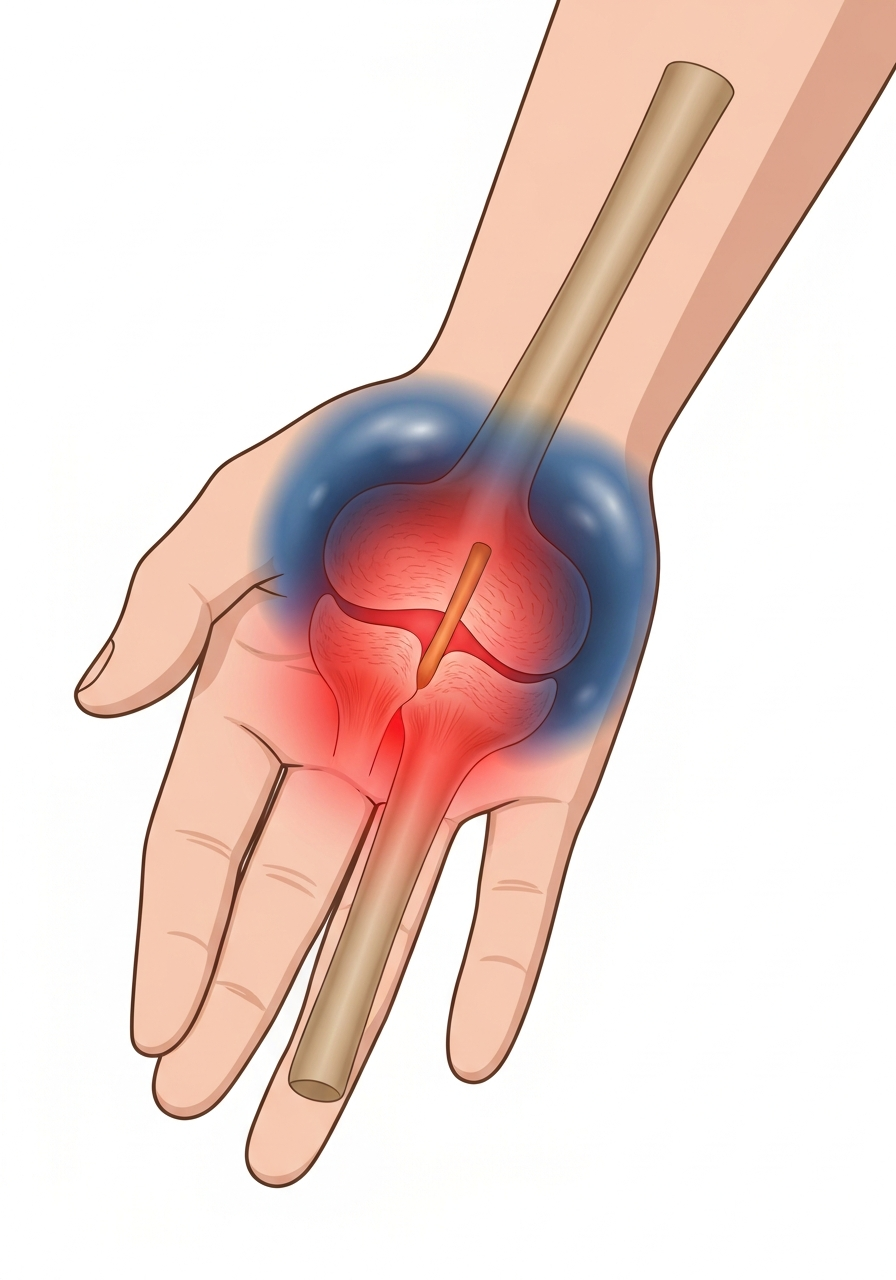

What is Tendinitis and Best Drugs for Pain Relief?

Key Highlights
Here are the key takeaways from our discussion on tendinitis and pain relief:
- Tendinitis is the inflammation of a tendon, typically caused by overuse or repetitive movements.
- Common symptoms include pain, swelling, tenderness, and warmth around the affected joint.
- Over-the-counter NSAIDs like ibuprofen and naproxen are often the first line of treatment for pain.
- For more severe pain, a doctor might recommend prescription drugs, including corticosteroid injections.
- Rest, ice, compression, and elevation (the RICE method) are crucial for recovery.
- Physical therapy can help strengthen the tendon and prevent the issue from returning.
Introduction
Have you ever felt a nagging pain in your shoulder, elbow, or heel that just won’t go away? You might be dealing with tendinitis. This common condition is essentially an inflammation of a tendon, the tough, flexible cord that connects your muscles to your bones. When a tendon gets overworked, it can become irritated and painful, making everyday movements difficult. Understanding what causes this inflammation and how to treat it is the first step toward feeling better and getting back to your activities.
Understanding Tendinitis
Tendinitis, sometimes spelled tendonitis, is a frequent source of musculoskeletal pain. It happens when a tendon experiences inflammation, leading to discomfort and other symptoms of tendinitis in the affected area. This condition is different from arthritis, which involves joint inflammation, as tendinitis specifically impacts the tendon itself.
The primary cause is usually repetitive stress or overuse, which injures the tendon and triggers an inflammatory response from your body. To better manage this condition, it’s helpful to explore what tendinitis is in more detail and identify the common activities and factors that put you at risk.
What is Tendinitis?
So, what exactly is tendinitis? It’s the medical term for tendon inflammation. Your tendons are strong, rope-like tissues that anchor your muscles to your bones, allowing you to move your limbs. When these tendons are strained beyond their limit, they can get inflamed, causing pain and discomfort.
This condition is one of the most common reasons people experience soft-tissue pain. The main symptom of tendonitis is pain felt directly at the site of the injured area, which can feel sharp and sudden or develop into a chronic ache. You might also notice swelling and warmth around the tendon.
It’s important to distinguish this pain from a typical muscle strain, where the discomfort is in the muscle belly itself. With tendinitis, the pain is concentrated near the point where the tendon attaches to the bone, signaling a specific type of overuse injury.
Common Causes and Risk Factors
Most cases of tendonitis are the result of an overuse injury. This happens when you engage in repetitive movements over a long time, putting continuous stress on the affected tendon. Think about activities at work or in sports that involve the same motion over and over again.
Certain risk factors can make you more susceptible to developing this condition. For instance, age plays a significant role; adults over 40 are more prone to tendinitis because tendons become less flexible and tolerate less stress as we get older.
Other key risk factors for this repetitive strain injury include:
- Your Profession: Jobs that require repetitive motions increase your risk.
- Physical Activity: Sports like tennis, golf, and running can lead to tendinitis due to repeated actions.
- Health Conditions: Certain conditions, such as diabetes, can make you more likely to develop tendon problems.
Recognizing Symptoms of Tendinitis
Knowing the key tendinitis symptoms can help you identify the problem early. The most obvious sign is tendon pain, especially when you move the affected joint. This discomfort might be accompanied by noticeable swelling, redness, and tenderness to the touch.
If you suspect you have tendinitis, a health care provider can confirm it with a physical exam. Recognizing the signs and knowing how a diagnosis is made are the first steps toward getting the right treatment. Let’s look at the typical signs and the diagnostic process.
Typical Signs to Look For
When it comes to the symptoms of tendonitis, the primary complaint is tendon pain in the affected area. This pain often worsens with activity and may feel sharp or like a dull, persistent ache. You might also notice that the area feels tender when you press on it.
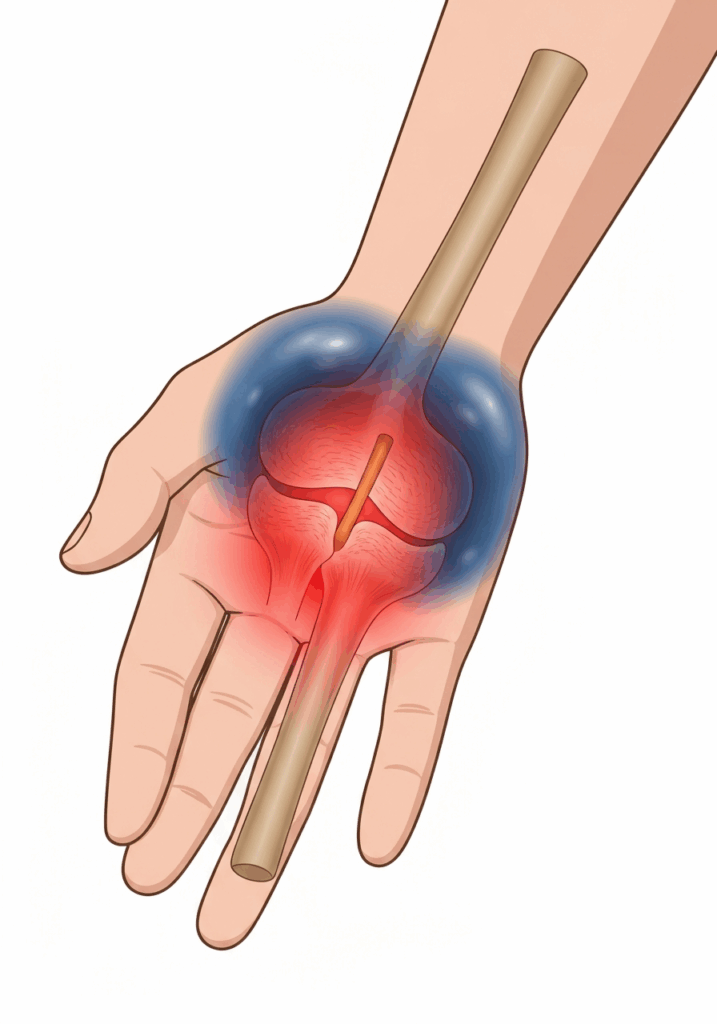
Other common signs to watch for include visible swelling, a feeling of warmth, and redness over the injured tendon. In some cases, you may notice a grating or catching sensation when you move the joint, which happens when the tendon sheath becomes inflamed.
Specific types of tendinitis are named after the body part they affect, each with characteristic pain locations:
- Tennis Elbow: Pain on the outer side of the elbow.
- Golfer’s Elbow: Pain on the inner side of the elbow.
- Jumper’s Knee: Pain at the front of the knee.
- Achilles Tendinitis: Pain at the back of the ankle and heel.
How Tendinitis is Diagnosed
Diagnosing tendinitis usually begins with a visit to your health care provider. They will start by discussing your medical history and asking questions about your symptoms, including when the pain started and what activities make it worse.
Next, your doctor will perform a physical exam. During this exam, they will gently press on the painful area to check for tenderness and may move the affected joint to assess your range of motion and identify specific movements that trigger pain. This hands-on evaluation is often enough to make a diagnosis.
In some situations, if the diagnosis isn’t clear or your symptoms don’t improve with initial treatment, your provider might order additional tests. Imaging tests like an ultrasound or MRI can reveal swelling of the tendon sheath, while an X-ray can show calcium deposits around the tendon, helping to confirm the diagnosis.
Approaches to Tendinitis Pain Relief
When you’re dealing with the pain of tendinitis, finding effective relief is a top priority. The good news is that there are several treatment options available. Many people find success with over-the-counter pain relievers, which can help manage pain and reduce inflammation.
For more persistent or severe cases of this tendinopathy, prescription medications may be necessary. Understanding the different types of medication, from common NSAIDs to more powerful prescription drugs, can help you and your doctor decide on the best approach for you.
Over-the-Counter Medications for Tendinitis
For many people with tendinitis, the first line of defense against joint pain is over-the-counter (OTC) medication. Nonsteroidal anti-inflammatory drugs, or NSAIDs, are particularly effective because they target both pain and inflammation.
Commonly recommended NSAIDs include ibuprofen (found in brands like Advil) and naproxen (found in Aleve). Aspirin is another option that can help alleviate discomfort. These medications work by blocking the body’s production of chemicals that cause inflammation, providing relief from the soreness and swelling associated with tendinitis.
Always be sure to follow the dosage instructions on the package or consult with your doctor before starting any new medication.
| Medication Type | Common Examples |
|---|---|
| NSAIDs | Ibuprofen (Advil, Motrin), Naproxen (Aleve), Aspirin |
Prescription Drugs for Managing Tendinitis Pain
If over-the-counter medications aren’t enough to manage your tendinitis pain, your doctor might suggest prescription drugs. These options are typically stronger and reserved for more severe or persistent cases of tendinopathy. While not usually considered emergency medicine, they provide powerful relief when other methods fail.
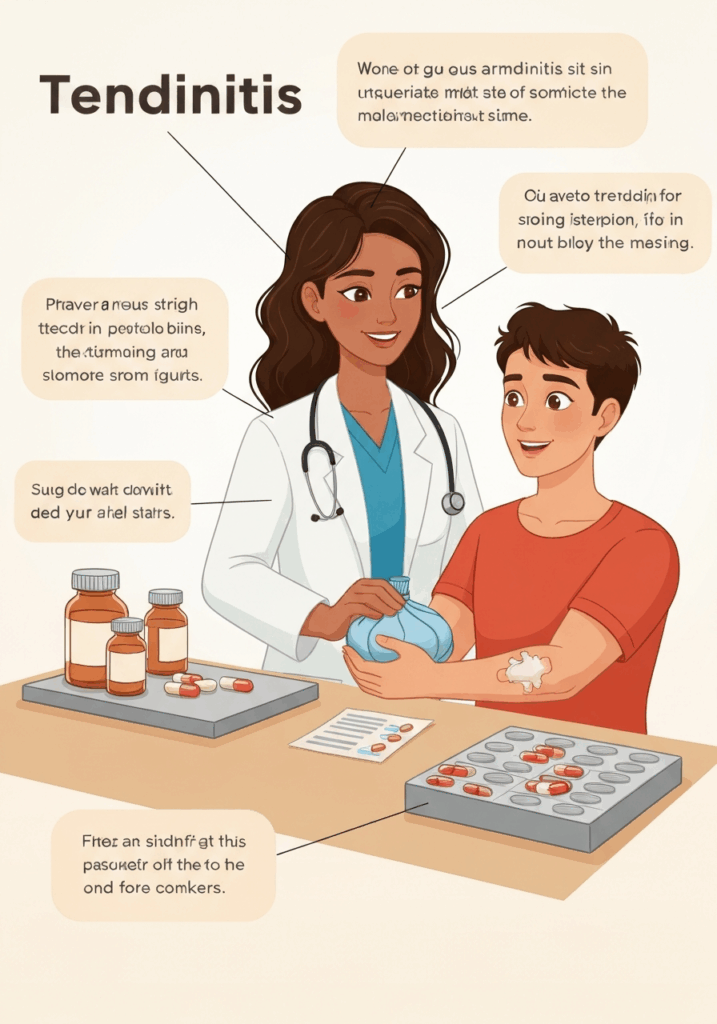
One of the most common prescription treatments is corticosteroid injections. A doctor injects this potent anti-inflammatory medication directly into the area around the inflamed tendon. These shots can significantly decrease pain and inflammation, offering relief that can last for several weeks or months.
However, corticosteroid injections are used carefully. Repeated injections in the same area can potentially weaken the tendon over time, so your doctor will discuss the benefits and risks with you. They are a tool for managing severe symptoms, not a long-term cure.
Role of NSAIDs and Corticosteroids in Treatment
Both NSAIDs and corticosteroids play a vital role in managing tendinitis, but they work in different ways to provide pain relief. NSAIDs are typically the first choice for reducing mild to moderate tendon inflammation and are available over the counter.
Corticosteroids, on the other hand, are powerful anti-inflammatory agents used for more severe pain. They are usually administered as injections directly at the site of inflammation. This targeted approach delivers a high concentration of medication to the problem area, offering rapid and significant relief.
Here’s how they help with treatment:
- NSAIDs: Reduce the body’s inflammatory response, which eases both pain and swelling.
- Corticosteroids: Offer potent and localized anti-inflammatory effects, quickly reducing severe pain.
- Pain Relief: Both help you return to daily activities with less discomfort, aiding your recovery.
Additional Treatment Options and Tips
While medication is great for pain, a complete recovery plan often includes other strategies. The classic RICE method—Rest, Ice, Compression, and Elevation—is a fundamental part of treating tendinitis. Using a splint or brace can also help immobilize the area and allow the tendon to heal.
For long-term improvement, physical therapy is highly recommended. A physical therapist can guide you through exercises to restore strength and flexibility, helping to prevent the problem from coming back. Let’s explore some of these other helpful remedies.
Using Topical Creams and Alternative Remedies
Beyond pills and injections, topical creams and other alternative remedies can offer significant relief. Many topical creams contain NSAIDs or other pain-relieving ingredients that you can apply directly to the affected area. This allows the medicine to be absorbed through the skin, targeting pain right at the source with fewer systemic side effects.
In addition to creams, simple remedies like hot packs can soothe a sore tendon after the initial 48-hour injury window. For chronic cases with calcium deposits, your doctor might suggest a procedure like extracorporeal shock wave therapy, which uses sound waves to break up these deposits and promote healing.
Working with a professional can also make a big difference. Consider these options:
- Physical Therapy: To stretch and strengthen the tendon.
- Skin Balms: For soothing heat and relief.
- Massage: To improve blood flow and reduce tension.
- Activity Modification: Learning new ways to perform tasks to reduce strain.
Conclusion
In summary, understanding tendinitis and its management is crucial for effective pain relief. By recognizing the symptoms early and exploring various treatment options, including over-the-counter medications, prescription drugs, and alternative remedies, you can take proactive steps towards recovery. Remember that everyone’s experience with tendinitis is unique, and what works for one person may not work for another. Stay informed about your treatment options and consult with a healthcare professional for tailored advice. If you’re seeking a personalized approach to managing your tendinitis pain, feel free to reach out for expert guidance!
Frequently Asked Questions
How quickly does tendinitis pain improve with medication?
The time it takes for tendinitis pain to improve with medication varies. Some people feel relief within a few days, while more severe cases of tendinopathy may take longer. Combining medication with rest and physical therapy often speeds up recovery and provides more lasting results.
Are there risks or side effects with tendinitis pain medications?
Yes, all medications carry some risk. Overuse of NSAIDs can lead to stomach issues, while repeated corticosteroid injections may weaken the tendon. It’s important to use prescription drugs as directed by your doctor and discuss any concerns about side effects related to your joint pain treatment.
Can topical treatments provide effective pain relief for tendinitis?
Yes, topical creams can provide effective pain relief for tendinitis. Applying them directly to the affected area allows the medication to target the inflammation locally. These creams are excellent alternative remedies to oral medications and can be used alongside other treatments like wearing a splint for support.
https://www.qxmd.com/r/23016111
https://www.qxmd.com/r/23059860
https://www.ncbi.nlm.nih.gov/books/NBK551702
https://www.ncbi.nlm.nih.gov/pmc/articles/PMC3435941