
Stress and Sleep Drugs and Remedies: Your Complete Guide
Here’s a quick look at what we’ll cover in this guide to managing stress and sleep:
- Stress and sleep have a two-way relationship; one often worsens the other, leading to sleep disorders.
- Prescription drugs offer a powerful solution for severe sleep problems but come with potential side effects.
- Over-the-counter sleep aids are accessible for occasional sleeplessness but are not meant for long-term use.
- Natural remedies and lifestyle changes can improve sleep quality without the risks of medication.
- Choosing the right approach—from prescription sleep drugs to natural sleep aids—depends on your unique health needs.
- Always consult a healthcare provider before starting any new treatment for stress or sleep issues.
Introduction
In our busy world, getting a peaceful night’s rest can feel like a distant dream. Many people find themselves tossing and turning, battling anxious thoughts that keep them awake. If you’re struggling with sleep problems, you’re not alone. The connection between stress and poor sleep quality is strong, creating a cycle that can be hard to break. This guide will explore the different options available, from prescription sleep aids to natural remedies, to help you find the right solution for better sleep.
Understanding Stress-Related Sleep Problems
When you’re under stress, your body goes into high alert, which can seriously disrupt your ability to rest. This response is designed to keep you awake and aware, but when it becomes chronic, it can lead to significant sleep issues. Your nervous system stays activated, making it difficult to relax and fall asleep.
Over time, these stress-induced sleep problems can evolve into more serious sleep disorders. Understanding how stress impacts your rest is the first step toward finding an effective solution. We will explore the specific ways stress affects your sleep and what symptoms to look out for.
How Stress Impacts Sleep Quality and Patterns
Stress has a direct and disruptive effect on your sleep quality. It keeps your nervous system in a state of hyperarousal, making it difficult for your mind and body to wind down. This can prevent you from falling asleep easily or cause you to wake up frequently throughout thenight. High levels of stress hormones can interfere with your natural sleep patterns, reducing the amount of deep, restorative sleep you get.
This disruption can create a vicious cycle. Poor sleep can make you feel more anxious and less equipped to handle stress, which in turn makes it even harder to sleep. If this pattern continues, it can lead to chronic insomnia, where sleep difficulties become a regular occurrence.
To combat this, natural remedies like establishing a relaxing bedtime routine, practicing mindfulness meditation, or using herbal supplements can be very effective. These approaches help calm the nervous system, making it easier to achieve restful sleep. Combining these techniques with good sleep hygiene can significantly improve your sleep quality.
Symptoms of Stress-Induced Insomnia
Recognizing the signs of stress-induced insomnia is key to addressing it. This type of insomnia often manifests as a persistent difficulty with falling or staying asleep due to worry and racing thoughts. You might find yourself lying awake for hours, replaying stressful events from your day or worrying about the future.
The primary challenge is often with sleep onset, meaning you struggle to fall asleep in the first place. You might also experience frequent awakenings during the night followed by difficulty getting back to sleep. These sleep difficulties can lead to daytime fatigue, irritability, and trouble concentrating, which are common side effects of poor rest.
Symptoms to watch for include:
- Trouble falling asleep despite feeling tired.
- Waking up often during the night.
- Waking up too early and not being able to fall back asleep.
- Feeling unrefreshed upon waking.
- Daytime drowsiness and irritability.
When to Seek Help for Stress and Sleep Issues
If your sleep problems are starting to impact your daily life, it might be time to seek professional help. Occasional sleepless nights are normal, but when insomnia becomes chronic and interferes with your work, relationships, or overall well-being, a healthcare provider can offer guidance. They can help determine if your sleep issues are due to stress or an underlying medical condition.
Choosing the right approach for the treatment of insomnia can be overwhelming. A healthcare professional can assess your specific situation, including the severity of your symptoms and your medical history, to recommend the best course of action. This personalized advice is crucial for finding a safe and effective solution, whether it’s therapy, medication, or lifestyle adjustments.
You should consider contacting your healthcare provider if you experience:
- Insomnia that lasts for several weeks.
- Sleep problems that interfere with your daily functioning.
- Concerns that your sleep issues are linked to an underlying health problem.
- Questions about which sleep aid is right for you.
Prescription Medications for Sleep Disturbances Caused by Stress
For those facing severe or chronic sleep disturbances caused by stress, prescription drugs can be a highly effective solution. These medications are powerful and work quickly to improve both sleep onset and the ability to stay asleep through the night. A doctor will evaluate your situation before deciding if this is the right path for you.
Proper drug administration is crucial, as these medications are intended for short-term use to avoid dependence. Your healthcare provider will guide you on how and when to take them. Next, we will cover the common types of prescription medications and how they work.
Common Prescription Sleep Drugs and Their Uses
When stress leads to persistent insomnia, your doctor might recommend prescription sleep medications. These sleep aids are designed to help you fall asleep faster and stay asleep longer. They work by targeting brain pathways that control sleep and wakefulness, often producing sedative effects that promote rest.
Some of the most effective prescription options are known as “Z-drugs” or non-benzodiazepine hypnotics. Others fall into different classes, such as orexin receptor antagonists or tricyclic antidepressants used at low doses. The choice of medication depends on your specific symptoms—whether you have trouble initiating sleep or maintaining it.
Proper drug administration is key to their effectiveness and safety. Here are some common prescription sleep medications:
| Medication (Brand Name) | How It Works | Best For |
|---|---|---|
| Zolpidem (Ambien) | A sedative-hypnotic that helps you fall asleep faster. | Trouble falling asleep (sleep onset). |
| Eszopiclone (Lunesta) | A sedative-hypnotic that helps you fall and stay asleep. | Sleep onset and maintenance. |
| Doxepin (Silenor) | A tricyclic antidepressant that blocks histamine receptors to prevent awakenings. | Trouble staying asleep (sleep maintenance). |
| Suvorexant (Belsomra) | An orexin receptor antagonist that suppresses wakefulness signals in the brain. | Sleep onset and maintenance. |
Anxiety-Relief Medications That Aid Sleep
Yes, certain prescription drugs are designed to tackle both anxiety and sleep problems at the same time. If your sleepless nights are fueled by worry and a racing mind, your doctor might prescribe a medication that calms the central nervous system, making it easier to relax and drift off. These medications often address the root cause of the sleep issue—anxiety.
Benzodiazepines, for example, are a class of drugs that enhance the effect of the neurotransmitter GABA, which promotes relaxation and reduces neuronal activity. While effective for short-term relief from anxiety and insomnia, they carry a risk of dependence and are prescribed cautiously.
Certain antidepressants with sedative properties, like trazodone or mirtazapine, are also used. They can improve sleep quality by increasing levels of mood-regulating neurotransmitters while also providing a calming effect. This dual-action approach can be particularly helpful for people whose anxiety peaks at night.
Criteria for Prescribing Sleep Medications in Stress Cases
A health care provider doesn’t prescribe sleep medication lightly, especially when stress is the underlying cause. They follow specific criteria to ensure the treatment is both safe and appropriate for your individual needs. The primary goal is to provide relief without creating new problems, like dependence or significant side effects.
Before prescribing, your provider will conduct a thorough evaluation. This includes discussing your sleep patterns, the severity of your stress, your overall health, and any existing medical conditions. They will also consider non-pharmacological options, like therapy, as a first-line treatment. Choosing the right sleep aid involves balancing the benefits with potential risks.
Key criteria for prescribing a sleep medication include:
- Chronic insomnia that significantly impacts daily functioning.
- Failure of behavioral therapies (like CBT-I) to improve sleep.
- The presence of underlying medical conditions that contribute to sleeplessness.
- A careful assessment of the patient’s risk for dependence or abuse.
- Short-term use for an acute stressor, like recovering from a procedure.
Over-the-Counter Sleep Aids: Benefits and Limitations
For those dealing with occasional sleep problems, over-the-counter (OTC) sleep aids offer an accessible solution. You can purchase these without a prescription, making them a convenient option for mild sleeplessness. They are generally less potent than prescription medications and are intended for short-term use.
However, it’s important to be aware of their limitations. While helpful for a rough night here and there, they are not a cure for chronic insomnia and can have side effects. Let’s look at how they differ from prescription options and what to keep in mind when using them.
Differentiating OTC vs. Prescription Sleep Solutions
Understanding the difference between over-the-counter (OTC) and prescription sleep aids is crucial when you’re experiencing stress-related sleep issues. The main distinction lies in their strength, regulation, and intended use. Prescription sleep aids are more powerful and are prescribed by a doctor for specific sleep disorders like chronic insomnia.
OTC options, on the other hand, are less potent and designed for occasional, mild sleeplessness. While they are readily available, they are not intended for long-term management of sleep problems. Prescription sleep medication often targets specific brain receptors to induce sleep, whereas many OTC products rely on side effects like drowsiness.
Here’s a quick comparison:
- Strength: Prescription medications are generally stronger and more effective for severe insomnia.
- Accessibility: OTC aids are available at any pharmacy, while prescription drugs require a doctor’s consultation.
- Regulation: Prescription sleep aids are strictly regulated by the FDA for specific conditions, with monitored dosage.
- Intended Use: OTC options are for short-term, occasional use, whereas prescription medications can be part of a longer-term treatment plan under medical supervision.
- Side Effects: Both can have side effects, but those from prescription drugs can be more significant and require careful monitoring.
Popular Over-the-Counter Options for Stress-Related Sleeplessness
When stress causes temporary sleep disturbances, several over-the-counter (OTC) sleep aids can provide relief. These are considered generally safe for short-term, occasional use and can help with sleep onset on particularly restless nights. The most common options work in different ways to promote drowsiness.
One popular category is antihistamines, such as diphenhydramine (found in Benadryl) and doxylamine. These medications are primarily for allergies, but their sedative side effect makes them effective sleep aids. Another widely used option is melatonin, a hormone your body naturally produces to regulate the sleep-wake cycle. Melatonin supplements are especially useful for resetting your internal clock due to jet lag or shift work.
For occasional use during stressful times, consider these options:
- Diphenhydramine: An antihistamine that causes drowsiness.
- Doxylamine Succinate: Another antihistamine with strong sedative effects.
- Melatonin: A supplement that helps regulate your circadian rhythm.
- Valerian Root: An herbal supplement known for its mild calming properties.
Safety, Dosage, and Occasional Use Guidelines
While OTC sleep aids are easy to access, using them safely is essential. It is not considered safe to use most sleep aids, including OTC options, for long-term management of stress-related sleep problems. Long-term use can lead to tolerance, meaning you’ll need higher doses to get the same effect, and it doesn’t address the root cause of your sleep issues.
Always start with the lowest effective dosage and use these aids only when necessary. Proper drug administration is just as important with OTC products as it is with prescriptions. Be aware of potential side effects, such as next-day grogginess, dry mouth, or dizziness, and avoid activities like driving until you know how the medication affects you.
Follow these safety guidelines for occasional use:
- Read the Label: Always follow the recommended dosage and instructions on the package.
- Short-Term Only: Use OTC sleep aids for a few consecutive nights at most. If your sleep problems persist, consult a doctor.
- Check for Interactions: Talk to a pharmacist or doctor about potential interactions with other medications you’re taking.
- Avoid Alcohol: Combining alcohol with sleep aids can increase sedative effects and be dangerous.
Natural Remedies for Stress and Sleep Challenges
If you prefer a gentler approach to managing stress and sleep problems, natural remedies offer a wealth of options. These strategies focus on promoting relaxation and improving sleep quality without the use of pharmaceuticals. From herbal remedies to lifestyle adjustments, a holistic approach can provide long-term benefits.
Many natural solutions have been used for centuries and are supported by modern research. They work with your body to reduce anxiety and create the right conditions for restful sleep. We’ll now look at some popular herbal supplements and other natural techniques to help you unwind.
Herbal Supplements for Sleep and Stress Reduction
Herbal remedies are a popular choice for managing sleep problems linked to stress because they are often perceived as gentler than pharmaceuticals. Several supplements have been studied for their calming and sleep-promoting properties, making them effective tools for reducing anxiety and improving rest.
Valerian root is one of the most well-known herbal sleep aids. Research suggests it may increase levels of GABA in the brain, a neurotransmitter that helps regulate nerve impulses and promote relaxation. Chamomile, often enjoyed as a tea, contains an antioxidant called apigenin that binds to specific brain receptors, decreasing anxiety and initiating sleep.
For stress-related sleep disturbances, these herbal supplements are often recommended:
- Valerian Root: Known to reduce the time it takes to fall asleep and improve sleep quality.
- Chamomile: Has mild sedative effects that can help calm anxiety before bed.
- Passionflower: Shown to boost GABA levels, which helps quiet the brain.
- Lavender: Used in aromatherapy, its scent is proven to lower heart rate and promote relaxation.
- Lemon Balm: Often used to reduce stress and anxiety and improve sleep.
Botanical and Nutritional Options Backed by Research
Beyond common herbs, other natural supplements are backed by scientific research for their ability to improve sleep quality. These botanical and nutritional options can be effective natural remedies for sleep problems caused by stress. Melatonin, for instance, is a hormone supplement that helps regulate the body’s internal clock. Clinical trials have shown it can be particularly effective for people with circadian rhythm disorders.
Magnesium is another nutritional supplement that plays a crucial role in sleep. This mineral helps regulate neurotransmitters that promote calm and can help quiet the nervous system. A magnesium deficiency has been linked to troubled sleep, so ensuring you have adequate levels can support better rest.
L-theanine, an amino acid found in green tea, is another promising option. It promotes relaxation without causing drowsiness, making it useful for reducing stress and anxiety that can interfere with sleep. These natural supplements offer a targeted way to support your body’s sleep processes, but it’s always wise to consult a healthcare provider before starting a new regimen.
Creating a Bedtime Routine With Natural Relief Techniques
Implementing lifestyle changes and establishing a consistent bedtime routine are powerful natural ways to combat sleep problems. Good sleep hygiene signals to your brain and body that it’s time to wind down, making it easier to fall asleep and improve overall sleep quality. This routine should be relaxing and free of stressors.
Start by setting a consistent sleep schedule—going to bed and waking up around the same time every day, even on weekends. An hour before bed, disconnect from screens like your phone or TV, as the blue light can interfere with melatonin production. Instead, engage in calming activities like reading a book, taking a warm bath, or listening to soothing music.
Incorporate these natural relief techniques into your routine:
- Mindfulness Meditation: Practice for 10-15 minutes to quiet a racing mind and reduce stress.
- Deep Breathing Exercises: Simple breathing techniques can activate your body’s relaxation response.
- Gentle Stretching or Yoga: Release physical tension built up from a stressful day.
- Aromatherapy: Use calming essential oils like lavender in a diffuser to create a tranquil environment.
Comparing Prescription, OTC, and Natural Sleep Strategies
Choosing among the many available sleep strategies can be confusing. Each approach—prescription medications, over-the-counter sleep aids, and natural remedies—comes with its own set of benefits and drawbacks. The best choice depends on the severity of your sleep issues, your health history, and your personal preferences.
Prescription options tend to be the most potent for improving sleep onset, but they also carry a higher risk of side effects. OTC and natural options are gentler but may be less effective for severe insomnia. Let’s compare these strategies in terms of effectiveness, safety, and ideal use.
Effectiveness and Onset of Action for Each Type
When comparing sleep aids, a key difference is how quickly they work and how effective they are. Prescription drugs typically have the fastest sleep onset, with many designed to take effect within 30 minutes. Their powerful sedative effects make them highly effective for moderate to severe insomnia.
Over-the-counter antihistamines also work relatively quickly, but their primary purpose isn’t sleep, so their effectiveness can vary. Natural sleep aids, like herbal teas or supplements, generally have the slowest onset of action. Their effects are milder and work by gently promoting relaxation rather than inducing sleep directly, which can be preferable for managing stress-related insomnia without strong side effects.
Here’s a breakdown of their effectiveness and onset:
- Prescription Drugs: Fast onset, high effectiveness for severe insomnia.
- OTC Antihistamines: Moderate onset, can be effective for occasional sleeplessness.
- Melatonin (OTC): Onset varies; helps regulate sleep cycles over time.
- Herbal Remedies: Slow onset, mild effects, best for promoting relaxation.
- Lifestyle Changes: Gradual improvement in sleep quality over time, most sustainable.
Potential Side Effects and Safety Considerations
Every type of sleep aid comes with potential side effects and safety considerations. Prescription medications often have the most significant adverse effects. Common side effects include daytime sleepiness, dizziness, cognitive impairment, and complex sleep behaviors. Long-term use can also affect the central nervous system and lead to dependence.
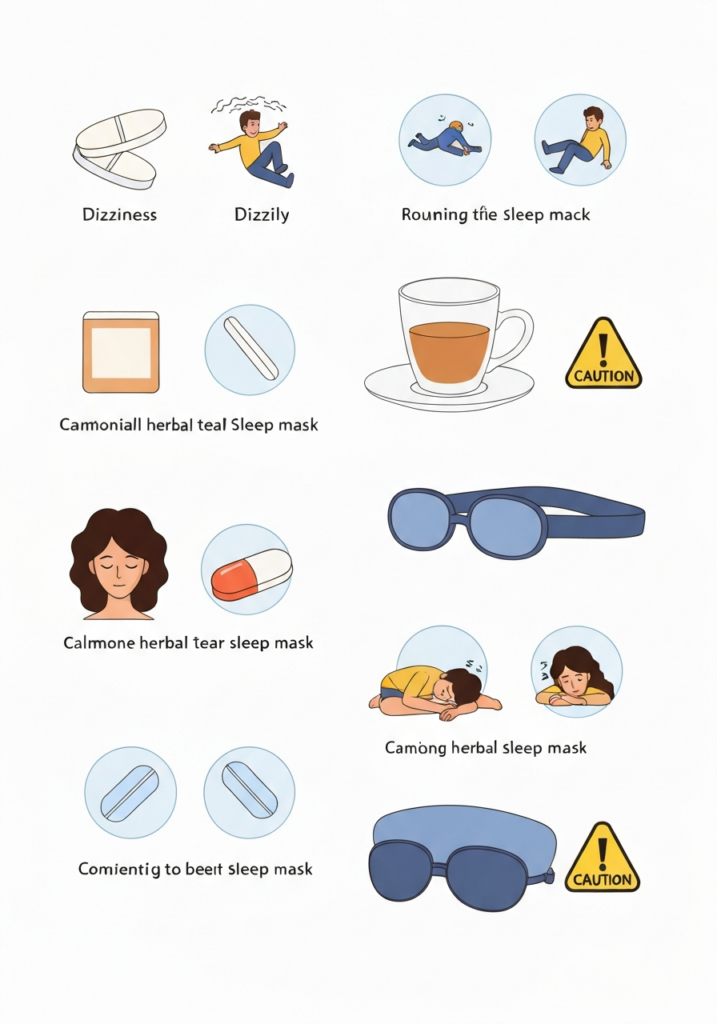
Over-the-counter aids, particularly antihistamines, can cause next-day grogginess, dry mouth, and confusion, especially in older adults. While melatonin is generally safe, high doses can disrupt your natural sleep cycle and cause headaches or nausea.
Natural remedies are typically the safest, but they aren’t entirely without risk. Some herbs can interact with other medications or cause mild side effects. Here are some common side effects to be aware of:
- Prescription Meds: Drowsiness, dizziness, risk of dependence.
- OTC Antihistamines: Daytime sleepiness, dry mouth, constipation.
- Melatonin: Headaches, dizziness, nausea.
- Herbal Supplements: Upset stomach or headaches (e.g., with valerian root).
Long-Term and Short-Term Use Insights
The safety of using sleep aids for stress-related sleep problems largely depends on the duration of use. Prescription medications and OTC aids are generally recommended for short-term use only. Using them long-term significantly increases the risk of dependence, where your body relies on the drug to sleep.
When you stop taking certain prescription drugs abruptly, you may experience withdrawal symptoms or rebound insomnia, where your sleep problems return even worse than before. This is why doctors typically prescribe them for brief periods to manage acute sleep disorders. Orexin receptor antagonists are a newer class of prescription drugs that may have a lower risk of dependence, making them a potential option for longer use under medical supervision.
In contrast, natural remedies and lifestyle changes are considered safe and beneficial for long-term use. They address the underlying issues of stress and poor sleep hygiene without the risk of dependence or withdrawal symptoms. For sustainable management of chronic sleep issues, a holistic approach is often the best strategy.
Choosing the Right Sleep Aid for Stress Management
Finding the right sleep aid for stress management is a personal journey. The best choice for you will depend on a combination of factors, including the nature of your sleep problems, your overall health, and any underlying health conditions. What works for one person might not be suitable for another.
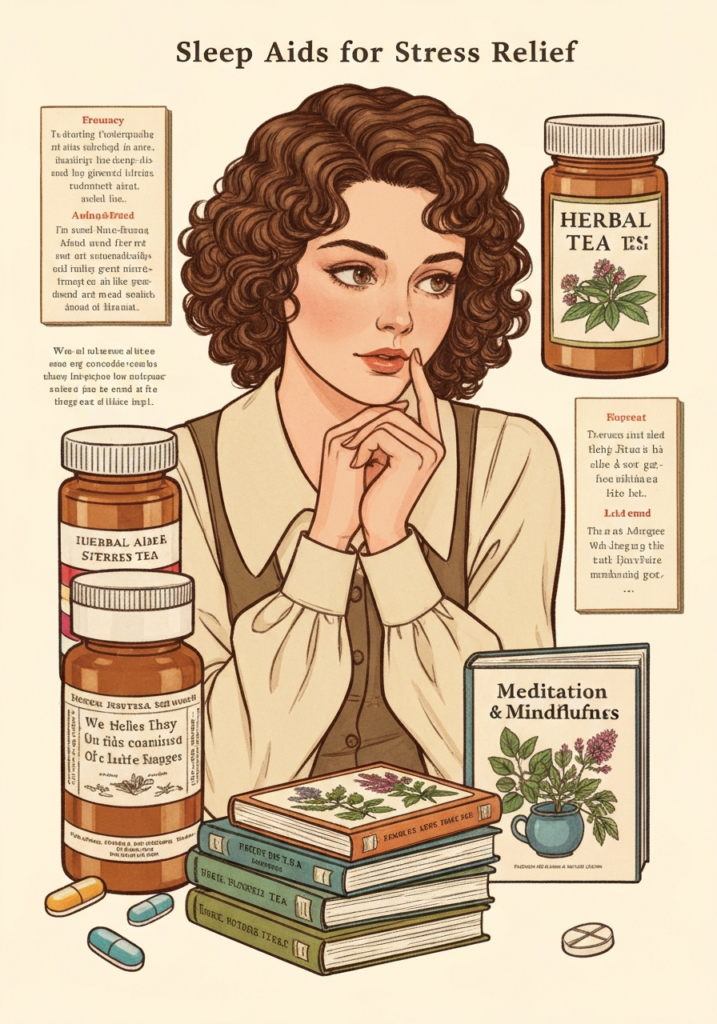
A balanced approach often involves more than just a pill. Effective stress management combined with the right sleep support can lead to lasting relief. Before making a decision, it’s important to consider several personal factors and consult with a professional.
Factors to Consider: Age, Severity, Medical History
Choosing the right sleep aid requires careful consideration of your individual circumstances. Your age is a significant factor, as older adults may be more sensitive to the side effects of medications, such as dizziness and confusion, which can increase the risk of falls. A health care provider can recommend options with a better safety profile for this age group.
The severity of your sleep problems is another key consideration. For mild, occasional sleeplessness due to stress, a natural remedy or an OTC aid might be enough. However, for chronic or severe insomnia that impacts your daily life, a prescription medication may be necessary. Your complete medical history, including any pre-existing medical conditions like sleep apnea or kidney issues, will also influence which treatments are safe for you.
When choosing a sleep aid for stress or anxiety, consider the following:
- Age: Older adults may need lower doses or different medications.
- Severity: Is your insomnia mild and occasional or chronic and severe?
- Medical History: Existing health conditions can limit your options.
- Other Medications: Potential interactions must be evaluated.
- Personal Preference: Do you prefer a pharmaceutical or natural approach?
Consulting Healthcare Providers for Personalized Advice
Ultimately, the safest and most effective way to choose a sleep aid is by consulting a healthcare provider. A professional can give you personalized advice based on a comprehensive evaluation of your sleep problems, stress levels, and overall health. They can help diagnose any underlying sleep disorders and create a tailored treatment plan.
A healthcare provider can guide you through the various options for the treatment of insomnia, explaining the pros and cons of each. They will help you weigh the benefits of a medication against its potential risks and ensure it won’t interact with other drugs you’re taking. This professional guidance is invaluable for making an informed decision.
When you talk to your healthcare provider, be prepared to discuss:
- Your specific sleep patterns and symptoms.
- Your daily stress levels and triggers.
- Your full medical history and any current medications.
- Your treatment goals and preferences.
Conclusion
In conclusion, navigating the landscape of sleep aids—whether prescription, over-the-counter, or natural remedies—can be challenging, especially when stress is a factor. It’s essential to understand how each option works, their effectiveness, and potential side effects. Tailoring your choice to your unique circumstances, such as age and medical history, can lead to better outcomes. Always consult with a healthcare provider to ensure your approach is safe and effective. Remember, prioritizing your sleep health is a crucial step in managing stress. If you’re ready to explore personalized solutions for your sleep challenges, get a free consultation with our experts today!
Frequently Asked Questions
Is it safe to use sleep medications or aids for chronic stress?
Using sleep medications long-term for chronic stress is generally not recommended due to the risk of dependence, tolerance, and adverse effects. It’s crucial to consult a health care provider to address the root cause of chronic insomnia and explore safer, more sustainable strategies with fewer side effects.
Are there sleep drugs that can help with nighttime anxiety?
Yes, some sleep drugs also help with anxiety. Certain prescription sleep aids, like benzodiazepines or specific antidepressants, have sedative effects that calm the nervous system, reducing nighttime anxiety. A doctor can determine if these dual-action medications are right for your situation and help you manage your anxiety.
Which natural supplements are best for stress-related sleep disturbances?
For stress-related sleep disturbances, herbal remedies like valerian root, chamomile, and passionflower are excellent natural supplements. They are known to promote relaxation and improve sleep quality without the side effects of medication. Melatonin is another effective option for regulating your sleep cycle and getting better rest.
https://www.drugs.com/mtm/doxepin-capsules-oral-concentrate.html
https://www.drugs.com/trazodone.html
https://pmc.ncbi.nlm.nih.gov/articles/PMC9633504
https://medlineplus.gov/druginfo/natural/1439.html
https://www.research.va.gov/about
https://order.store.mayoclinic.com/flex/mmv/sleep01
https://www.mentalhealth.va.gov