


Best Heart Exercises and Drugs for Optimal Heart Health

Key Highlights
- Improving your heart health involves a combination of physical activity and, when needed, medication.
- The best exercises for your heart include aerobic activities, strength training, and flexibility work.
- Following the American Heart Association’s physical activity guidelines is a great way to start.
- If you’ve had a cardiac event, cardiac rehab can help you recover safely and effectively.
- Always consult your healthcare provider before starting a new exercise routine, especially if you’re taking heart medication.
- Combining exercise and prescribed drugs can significantly lower your risk of heart disease and improve your quality of life.
Introduction
Taking care of your heart is one of the most important things you can do for your overall health. A strong heart pumps blood efficiently, delivering oxygen and nutrients throughout your body. Regular physical activity is a cornerstone of good heart health, helping to manage blood pressure and strengthen your cardiovascular system. Have you ever wondered what simple exercises you can do daily to improve your heart? This guide will explore the best exercises and medications to help you achieve optimal heart health and live a fuller, healthier life.
Understanding the Importance of Heart Health in the United States
Heart disease remains a significant health concern across the United States, affecting millions of people. Understanding the risk factors and the importance of a healthy heart is the first step toward prevention. Simple lifestyle changes can make a huge difference in your long-term cardiovascular health.
By focusing on proactive measures, you can protect your heart from potential issues down the road. Let’s look at why maintaining your heart health matters and what common risk factors you should be aware of.
Why maintaining optimal heart health matters
Your heart is the engine of your body, and keeping it in top shape is crucial for your overall well-being. Maintaining optimal heart health ensures your cardiovascular system functions correctly, supplying your body with the oxygen-rich blood it needs to thrive. A healthy heart supports everything from cognitive function to physical stamina.
When your heart is healthy, you have more energy for daily activities and enjoy a better quality of life. Proactive care helps prevent serious conditions that can limit your abilities and independence. Think of it as an investment in your future, allowing you to stay active and engaged for years to come.
What are the best exercises for people with heart disease?
The best exercises for people with heart disease typically include low-impact activities like walking, swimming, and cycling. These exercises improve cardiovascular health without excessive strain. Always consult a healthcare professional before starting any new workout regimen to ensure safety and effectiveness tailored to individual health conditions.
Ultimately, a strong cardiovascular system reduces your risk of life-threatening events and helps you live a longer, more vibrant life. Small, consistent efforts to support your heart can lead to significant long-term benefits for your physical and mental health.
Common risk factors for heart disease in the US
Several factors can increase your risk of heart disease, and many are common among Americans. Being aware of these risk factors is essential for taking preventive action. High blood pressure, for example, forces your heart to work harder, straining the muscle over time.
High cholesterol levels can lead to plaque buildup in your arteries, narrowing them and restricting blood flow. Other chronic conditions, like diabetes and obesity, also place significant stress on your cardiovascular system, increasing your risk of heart disease.
Some of the most prevalent risk factors include:
- High blood pressure
- High cholesterol levels
- Obesity
- Diabetes
- A sedentary lifestyle
Managing these factors through lifestyle changes and, if necessary, medical treatment is key to protecting your heart.
Key Principles of Exercise for Optimal Heart Health
Engaging in regular physical activity is fundamental to strengthening your heart. The key is to find an exercise routine that gets your heart rate up and that you can stick with in the long term. Consistency is more important than intensity, especially when you’re just starting out.
A well-rounded plan helps improve your overall cardiovascular health. Let’s explore how exercise supports healthy heart function and review the American Heart Association’s guidelines to help you create a safe and effective plan.
How exercise supports healthy heart function
Regular exercise is like a tune-up for your heart. When you engage in physical activity, your heart muscle has to work harder to pump blood, which, over time, makes it stronger and more efficient. This improved heart function means your heart can pump more blood with each beat, delivering oxygen throughout your body more effectively.
This process also benefits your blood vessels. Exercise helps keep your arteries flexible and clear, promoting healthy blood flow and reducing the strain on your heart. A robust cardiovascular system is better equipped to handle physical stress and is less prone to disease.
Ultimately, a consistent exercise routine can lower your resting heart rate and blood pressure, two key indicators of cardiovascular health. By making your cardiovascular system more resilient, you’re taking a powerful step toward a longer, healthier life.
American Heart Association physical activity guidelines
The American Heart Association (AHA) provides clear physical activity guidelines to help you improve your cardiovascular health. These recommendations are designed to be achievable and offer a great starting point for building a regular exercise habit. Following these suggestions can significantly reduce your risk of heart disease.
The AHA emphasizes the importance of consistent aerobic activity, also known as cardio. This type of exercise strengthens your heart and lungs and improves how your body uses oxygen. The guidelines also recommend including muscle-strengthening activities in your weekly routine.
Here are the key recommendations for adults:
- Get at least 150 minutes per week of moderate-intensity aerobic activity.
- Alternatively, get 75 minutes per week of vigorous aerobic activity.
- You can also do a combination of both, spread throughout the week.
- Add moderate- to high-intensity muscle-strengthening activity at least two days per week.
- Spend less time sitting and move more throughout your day.
Best Heart-Healthy Exercises to Incorporate
Ready to get moving? Incorporating a mix of the best exercises is the most effective way to boost your heart health. A balanced routine should include aerobic exercise to build cardiovascular endurance and strength training to support your muscles and metabolism.
This variety not only keeps your workouts interesting but also ensures you’re targeting different aspects of your physical fitness. We will now look at specific types of exercises, including aerobic, resistance, and flexibility movements, that you can add to your routine.
Aerobic exercises for cardiovascular strength
Aerobic exercise is any activity that gets your heart rate up and makes you breathe harder. It’s one of the most effective ways to improve your cardiovascular fitness. When you consistently perform aerobic exercises, your heart becomes more efficient at pumping blood, which can help lower blood pressure and improve circulation.
The great thing about aerobic activity is that there are many options to choose from, so you can find something you enjoy. A brisk walk, for instance, is a simple and accessible way to get your heart pumping. The key is to maintain a pace that challenges you without leaving you completely breathless.
Consider incorporating these activities into your week:
- Brisk walking
- Cycling or riding a stationary bike
- Swimming
- Using an elliptical trainer
These exercises are excellent for building endurance and strengthening your entire cardiovascular system.
Resistance and strength training for the heart
While cardio is often the star of heart health, strength training plays a crucial supporting role. Building muscle strength helps your body in multiple ways that benefit your heart. Stronger muscles can improve your body’s ability to use oxygen and reduce the overall demand on your heart during daily activities.
Regular strength training also helps increase muscle mass, which can boost your metabolism and help you maintain a healthy weight—a key factor in reducing heart disease risk. You don’t need to lift heavy weights to see benefits; using your body weight, resistance bands, or light free weights is very effective.
Focus on working all major muscle groups for a balanced routine. Here are some examples:
- Lifting free weights
- Using resistance bands
- Bodyweight exercises like squats and push-ups
- Using cable machines at a gym
Flexibility and balance exercises and their benefits
Flexibility and balance exercises might not seem directly related to heart health, but they are an important part of a well-rounded fitness plan. These activities help improve your range of motion and stability, which can prevent injuries that might sideline you from your cardio and strength workouts. Good flexibility allows you to perform other exercises with proper form, maximizing their benefits.
For older adults, balance exercises are particularly crucial as they help reduce the risk of falls. A fall can lead to serious injuries and a long period of inactivity, which is detrimental to cardiovascular health. By maintaining your balance, you can stay active and independent for a longer time.
Activities like yoga and tai chi are excellent for improving both flexibility and balance. They also have a calming effect that can help reduce stress, another factor that contributes to heart problems. Incorporating these movements ensures your body stays limber and stable.
Cardiac Rehab Workouts and What To Expect
If you’ve recently had a heart attack, heart surgery, or another cardiac event, your doctor might recommend cardiac rehabilitation. This medically supervised program is designed to help you recover, get stronger, and improve your overall heart health in a safe environment through exercise training and education.
A cardiac rehab program is personalized to your specific needs and fitness level. It typically involves more than just exercise; it also includes counseling on nutrition, stress management, and medication. Let’s look at what happens during cardiac rehab and how you can progress safely.
Phases of cardiac rehabilitation and recommended activities
Cardiac rehabilitation programs are typically structured in phases to help you gradually and safely return to your daily activities. This phased approach ensures that you build strength and confidence without putting too much strain on your heart. Your healthcare team will guide you through each stage of your cardiac rehab program.
The process often begins while you are still in the hospital and continues in an outpatient setting before you transition to maintaining the habits on your own. Each phase of the cardiac rehabilitation programs has specific goals and activities designed to improve your cardiovascular health.
Here is a breakdown of the typical phases:
| Phase | Setting | Recommended Activities |
|---|---|---|
| Phase 1 | Inpatient (in the hospital) | Gentle activities like sitting up, walking down the hall, and learning about your condition and recovery. |
| Phase 2 | Outpatient (at a rehab center) | Supervised exercise like walking on a treadmill or using a stationary bike, along with education on diet and stress management. |
| Phase 3 | On Your Own (maintenance) | Continuing exercises independently at home or a gym, maintaining heart-healthy lifestyle habits for the long term. |
Safe progression of exercise during cardiac rehab
Progressing safely during cardiac rehab is essential for a successful recovery. Your healthcare provider and the rehab team will closely monitor you to ensure you’re exercising at a level that is both safe and effective for your current fitness level. You’ll start slowly and gradually increase the intensity and duration of your workouts.
Listening to your body is a key part of this process. It’s important to exercise with proper form to prevent injury and get the most out of each session. The rehab staff will check your heart rate and blood pressure regularly to make sure your body is responding well to the physical activity.
To ensure a safe progression, always remember to:
- Follow the instructions of your cardiac rehab team.
- Start slowly and increase intensity gradually.
- Pay attention to any symptoms like dizziness or chest pain and report them immediately.
- Communicate openly with your healthcare provider about how you’re feeling.
Drugs Commonly Prescribed for Heart Health
In addition to lifestyle changes, many people need medication to manage their heart health effectively. Doctors prescribe various drugs to control conditions like high blood pressure and high cholesterol levels, which are major risk factors for coronary artery disease and other heart problems.
These medications work in different ways to support your heart and reduce your risk of a heart attack or stroke. Understanding how these drugs work is an important part of managing your health. Let’s explore some common heart medications and what they do.
Overview of commonly prescribed heart medications
Doctors prescribe a range of medications to help manage heart conditions and reduce risk factors. These drugs are often used to control high blood pressure, lower cholesterol levels, or prevent blood clots. Your doctor will choose the right medication based on your specific health needs and medical history.

For example, statins are a widely used class of drugs that help lower “bad” LDL cholesterol, which can build up in arteries. Beta-blockers are another common type, prescribed to lower blood pressure and reduce the heart’s workload, which is particularly helpful after a heart attack.
Other medications might include ACE inhibitors to relax blood vessels, diuretics to reduce fluid buildup, or blood thinners to prevent clots. It’s crucial to take any heart medication exactly as prescribed by your healthcare provider to achieve the best results for your heart health.
How different drugs support optimal heart function
Different heart medications have specific jobs that contribute to better heart function and overall health. For instance, some drugs work by relaxing your blood vessels, which makes it easier for your heart to pump blood. This action helps to lower blood pressure and reduces the strain on your heart muscle.
Other medications are designed to manage issues like heart failure by helping your heart pump more strongly or by reducing fluid retention in your body. Drugs that control cholesterol prevent the buildup of plaque in your arteries, which keeps them open and allows for smooth blood flow.
By targeting specific problems, these medications play a vital role in preventing future cardiac events and managing chronic conditions. They are a powerful tool in a comprehensive plan to protect your heart and improve your quality of life.
Combining Exercise and Medication for Best Results
For many people with chronic conditions, the most effective approach to heart health is combining a regular exercise routine with prescribed heart medication. This dual strategy can significantly improve your outcomes, as exercise and drugs often work together to lower blood pressure, control cholesterol, and strengthen your heart.
However, it’s essential to approach this combination safely. Always talk to your healthcare provider before starting or changing your exercise plan, especially when you are on medication. Let’s discuss important safety considerations and the value of personalized medical guidance.
Safety considerations when mixing exercise and heart drugs
When you’re taking heart drugs, it’s very important to be mindful of how exercise might affect you. Some medications can alter your heart rate or blood pressure response to physical activity. For example, beta-blockers can lower your heart rate, so using a target heart rate chart might not be accurate for you.
Being aware of potential side effects is also crucial. Dizziness, lightheadedness, or unusual fatigue during exercise could be signs that you need to adjust your activity or speak with your healthcare provider. Your safety is the top priority.
Before you begin, discuss your exercise plans with your doctor. They can provide personalized advice based on your condition and medications. Remember to:
- Talk to your healthcare provider about a safe exercise plan.
- Be aware of how your medications can affect your body during exercise.
- Listen to your body and stop if you feel unwell.
- Stay hydrated and warm up properly before each session.
Consulting your healthcare team for personalized guidance
Your healthcare provider is your best resource for creating a heart health plan that is right for you. They can offer personalized guidance on your exercise routine, taking into account your medical history, current fitness level, and any heart conditions you may have. This tailored advice is key to exercising safely and effectively.
Don’t hesitate to ask questions. Whether you’re wondering about the best types of exercise for your condition or how your medications might interact with physical activity, your doctor can provide the answers you need. They can help you set realistic goals and monitor your progress.
Working with your healthcare team ensures that your efforts to improve your heart health are both safe and successful. Regular check-ins can help you adjust your plan as your fitness improves, keeping you on track for a healthier future.
Choosing the Right Heart Exercises for Your Age and Condition
Not all exercises are suitable for everyone. The best heart exercises for you depend on your age, current fitness level, and any existing chronic conditions. Tailoring your exercise routine to your individual circumstances is essential for safety and effectiveness.
For example, activities that are great for a younger adult might be too strenuous for a senior. It’s all about finding what works for your body. Let’s explore recommendations for different age groups and how to customize your plan if you have a heart condition.
Recommendations for younger adults, adults, and seniors
Exercise needs change as we move through different life stages. For different age groups, the focus of a heart-healthy fitness plan will vary. Younger adults often have more latitude to engage in high-intensity activities that build a strong cardiovascular base for the future.
As we enter middle adulthood, the focus may shift to maintaining fitness and preventing chronic disease. For older adults, the priority is often on maintaining mobility, preventing falls, and managing existing conditions to preserve quality of life and independence in their daily activities.
Here are some general recommendations:
- Younger Adults (20s-30s): Focus on vigorous activities like running, HIIT, and team sports, combined with regular strength training.
- Adults (40s-50s): Incorporate a mix of moderate aerobic exercise like brisk walking or cycling, along with strength and flexibility training.
- Seniors (60s+): Prioritize low-impact activities like swimming and walking, plus balance and flexibility exercises like tai chi or yoga.
Customizing exercise based on existing heart conditions
If you have an existing heart condition, it’s crucial to customize your exercise plan with your healthcare provider’s guidance. What’s safe and beneficial for one person might be risky for another, depending on their specific diagnosis. Someone with stable angina, for example, will have different limitations than someone recovering from heart surgery.
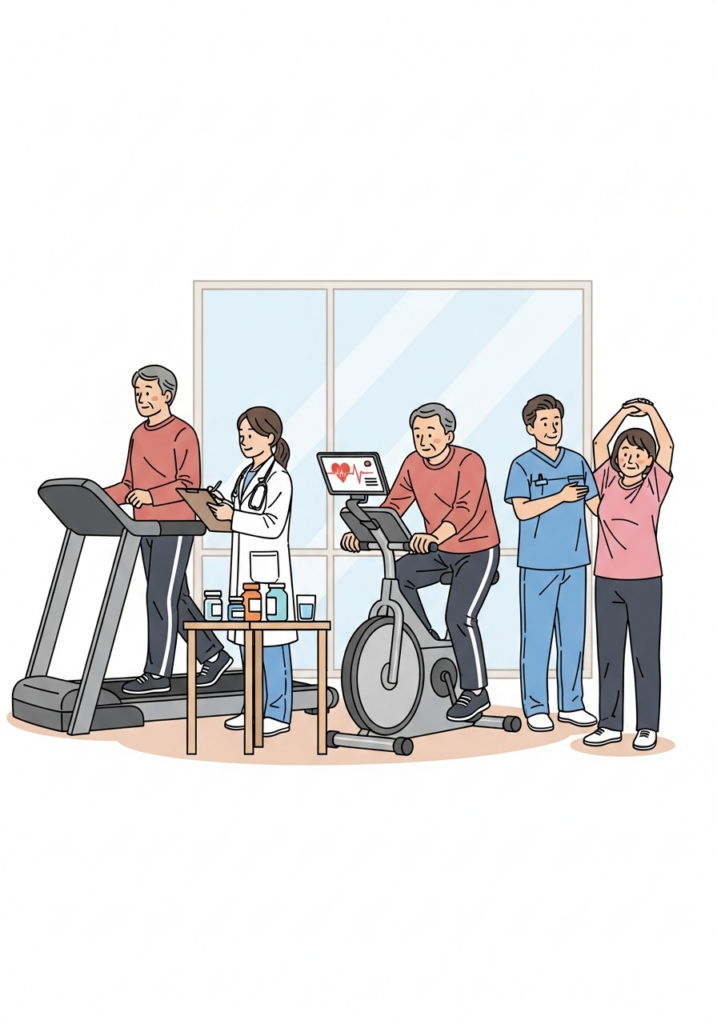
For many people with chronic conditions, a structured program like cardiac rehabilitation is the safest and most effective starting point. These programs are designed by medical experts to help you gradually build strength and confidence in a supervised setting.
Your healthcare provider can help you understand your limits and create a plan that supports your recovery and long-term health. The goal is to stay active in a way that helps your heart without putting it under undue stress. Never start a new exercise program without first getting medical clearance.
Frequently Asked Questions (FAQ)
Understanding heart health is essential for everyone. Many people wonder about the best exercises and drugs to maintain cardiovascular fitness. Incorporating regular physical activity into your routine can significantly lower blood pressure and reduce the risk of heart disease. Questions often arise about the effectiveness of aerobic activities versus strength training. Consulting a healthcare provider can help tailor a plan suited to individual fitness levels and health goals, ensuring that all parts of your body receive the attention they need for overall well-being.
Can I do heart exercises if I’m on medication?
Yes, you can and should exercise if you’re on heart medication, but it’s essential to do so safely. Always consult your healthcare provider before starting a new exercise routine. They can give you personalized advice based on your chronic conditions and medications to ensure your plan is both safe and effective for your heart health.
What’s the simplest way to start improving my heart health?
The simplest way to start improving your heart health is to increase your daily physical activity. Begin with simple exercises like a brisk walk for 30 minutes most days of the week. This form of aerobic exercise is easy to incorporate, requires no special equipment, and is a great way to strengthen your heart.
How does research support combining exercise with heart medication?
Research consistently shows that combining exercise with heart medication leads to better outcomes. Studies in publications like the Journal of the American Heart Association demonstrate that this combination more effectively lowers blood pressure and cholesterol, improving cardiovascular health more than either approach alone. An exercise routine complements the effects of medication.
Conclusion
In summary, prioritizing heart health is essential for overall well-being, and combining the right exercises with prescribed medications can significantly enhance your heart function. From aerobic workouts to strength training, understanding which activities suit your age and condition can lead to powerful health benefits. Always consult with your healthcare team for tailored advice, especially if you’re on medication. Taking proactive steps today, such as incorporating heart-healthy exercises and following your doctor’s recommendations, will pave the way for a healthier tomorrow. Embrace these practices and make heart health a top priority in your life! If you’re ready to take the next step, reach out for a free consultation to discuss your heart health journey.
https://order.store.mayoclinic.com/flex/mmv/HRBAL02
https://heart.donorsupport.co/-/XHURLDNM
https://order.store.mayoclinic.com/flex/mmv/incon01
https://scholar.google.com/scholar_lookup
https://links.e.response.mayoclinic.org/EmailPreview-GeneralHealth