

Comprehensive Guide to Chronic Pain Drug Management Options

Key Highlights
- Effective chronic pain management requires a personalized approach, as what works for one person may not work for another.
- Pain medications are categorized into non-opioids (NSAIDs, acetaminophen), opioids, and adjuvant medications like antidepressants.
- Non-opioid drugs are often the first choice for mild to moderate pain, offering pain relief with fewer risks than opioids.
- Opioids are reserved for severe pain due to significant risks of tolerance, dependence, and serious side effects.
- Choosing the right medication involves balancing pain relief with safety, a decision made between you and your healthcare provider.
- A comprehensive pain management plan often includes more than just medication to improve your overall quality of life.
Introduction
Living with chronic pain can be a challenging journey, affecting not just your physical well-being but also your mental health and daily activities. It’s a persistent condition that can diminish your quality of life, making it hard to work, socialize, or even sleep. Finding an effective pain management strategy is crucial. While the path to relief is personal and often complex, understanding your medication options is a powerful first step toward regaining control and living a more enjoyable, fulfilling life.
Understanding Chronic Pain and Drug Management
Navigating the world of chronic pain treatment can feel overwhelming, but drug management is a cornerstone of modern clinical practice. Medications work in various ways to interrupt pain signals in your nervous system, offering much-needed pain relief.
The goal is to find a solution that helps you function better day-to-day. Your healthcare team will consider many factors to determine the best approach for you, from the type of pain you have to your overall health. Let’s explore what chronic pain is and why medication plays such a vital role.
What Is Chronic Pain?
Simply put, chronic pain is pain that is long-lasting, often defined in clinical practice as pain that persists for more than three months. Unlike acute pain, which is your body’s normal response to an injury, chronic pain signals can keep firing in the nervous system for weeks, months, or even years. This can happen even after the initial injury has healed.
The experience of chronic pain is highly individual. It can stem from an initial injury, an ongoing condition like arthritis, or even have no clear cause. The pain signals that travel through the spinal cord to the brain can manifest in many ways, leading to different types of pain, from a dull ache to a sharp, shooting sensation.
Because the cause, biology, and personal history of each person are unique, treatment must also be personalized. Understanding your specific type of pain is the first step your doctor will take in creating an effective management plan for you.
Why Drug Management Matters
Effective drug management is a critical component of a comprehensive chronic pain management plan. While medication alone is often not enough, it plays a key role in providing pain relief that allows you to engage in other important therapies, such as physical therapy or exercise. By controlling persistent discomfort, you can regain function and improve your daily life.
The primary purpose of medication in pain management is to interrupt or dampen the pain signals your body sends to your brain. This can help you sleep better, reduce anxiety and depression associated with chronic pain, and maintain your ability to work and socialize. Finding the right medication can make a significant difference.
Ultimately, proper drug management contributes to overall disease control and can prevent the downward spiral that chronic pain often causes. It’s about more than just masking symptoms; it’s about giving you the ability to live your life more fully while managing your condition.
The Goals of Chronic Pain Medication
When you and your doctor decide to use pain medication, the main goal isn’t always to eliminate pain completely. Instead, the focus is on achieving a level of pain control that significantly improves your function and quality of life. This means reducing pain enough so you can participate in daily activities, work, and hobbies you enjoy.
A key principle in clinical practice is to use the lowest effective dose for the shortest time necessary. This approach helps maximize the benefits of the medication while minimizing the risk of side effects and dependence. Your doctor will work with you to find this balance.
The objective is to find a long-term, sustainable solution. This involves finding a pain medication regimen that provides consistent relief without causing new problems. It’s a collaborative process aimed at helping you manage your symptoms and lead a productive, fulfilling life despite your chronic pain.
Key Factors Influencing Medication Choices
Choosing the right pain medicine is a complex and personal process. There is no single “best” medication for everyone, as the ideal choice depends on several unique factors. Your health care provider will carefully evaluate your situation to find the safest and most effective option.
Key considerations include the specific types of pain you’re experiencing, your overall health, any existing medical conditions, and your lifestyle. Understanding these risk factors and personal details helps your doctor tailor a treatment plan specifically for you.
Evaluating Pain Severity and Type
One of the first steps your doctor will take is to evaluate your pain severity and type. Is your pain mild, moderate, or severe? Does it come and go, or is it constant? The answers to these questions help guide the characteristics of initial prescription episodes. For example, mild pain might be treated with over-the-counter medication, while severe pain may require a stronger approach.
The type of pain is also crucial. For instance, pain from inflammation, such as arthritis or some forms of low back pain, often responds well to nonsteroidal anti-inflammatory drugs (NSAIDs). These medications target the swelling that contributes to discomfort.
In contrast, chronic nerve pain (neuropathic pain), which often feels like a burning or shooting sensation, may not respond to traditional painkillers. In these cases, your doctor might prescribe adjuvant medications, such as certain antidepressants or anti-seizure drugs, which are better at calming damaged nerves.
Considering Patient Lifestyle and Health Conditions
Your unique health profile and patient lifestyle are critical factors in choosing a safe medication. For example, if you have a history of stomach ulcers or kidney disease, your doctor will likely advise against regular use of NSAIDs, as these can increase the increased risk of complications. Age is another consideration, as older adults can be more sensitive to the side effects of certain drugs.
Specific conditions also influence medication choice. A person with diabetic neuropathy might benefit from anti-seizure medications that target nerve pain, while someone with arthritis or menstrual cramps may find relief with NSAIDs that reduce inflammation. It’s all about matching the medication to the underlying cause and your body’s ability to handle it.
Your daily habits, such as alcohol consumption, also matter. Mixing alcohol with certain pain relievers, like acetaminophen, can significantly raise the risk of liver or kidney damage. Being open with your doctor about your health and lifestyle is essential for your safety.
Doctor-Patient Decision Making Process
The best approach to the management of pain is a collaborative one. The doctor-patient relationship is a partnership where you and your health care provider work together to find the most suitable treatment. Your input about your symptoms, lifestyle, and treatment goals is invaluable.
Your doctor will use their expertise and follow established clinical practice guidelines to recommend options. These guidelines are based on extensive research and are designed to ensure safe and effective care. They help your doctor weigh the benefits and risks of each medication for your specific situation.
Ultimately, the final decision is one you make together. This shared decision-making process ensures that the chosen treatment plan aligns with your preferences and lifestyle, which can lead to better outcomes. Don’t hesitate to ask questions and express any concerns you have.
Main Categories of Chronic Pain Medications
When it comes to treating chronic pain, pain medications are generally grouped into three main categories. Understanding these groups can help you have a more informed conversation with your doctor about what might work best for you.
The primary categories are non-opioid analgesics, opioid pain medications, and adjuvant medications. Each class works differently in the body and comes with its own set of benefits and risks. Your doctor will determine which category is most appropriate based on your type of pain, its severity, and your overall health.
Non-Opioid Analgesics
Non-opioid analgesics are often the first line of defense for mild to moderate pain. This broad category includes common over-the-counter and prescription medications that provide effective pain relief without the high risk of dependence associated with opioids.
The most well-known types are NSAIDs (nonsteroidal anti-inflammatory drugs) like ibuprofen and naproxen. Another common option is acetaminophen (Tylenol), which works differently from NSAIDs and is often recommended for those who can’t take them. These drugs are used for everything from headaches to arthritis.
A more specific type of NSAID is the class of COX-2 inhibitors. These prescription drugs were designed to be gentler on the stomach than traditional NSAIDs while still offering anti-inflammatory benefits. They are particularly useful for conditions like arthritis.
Opioid Medications
Opioid pain medications are powerful prescription drugs used to treat severe pain, such as pain after surgery or from a serious injury. They are synthetic relatives of opium and work by blocking pain signals in the brain, providing strong, short-term relief.
However, the use of opioids for chronic pain is highly controversial and carefully managed. Research shows that over time, the body can build a tolerance, meaning higher doses are needed to achieve the same effect. This increases the risk of dependence, addiction, and accidental overdose, which is a major public health crisis in the United States.
Because of these serious risks, opioids are typically considered a last resort for chronic noncancer pain. If they are used, it is at the lowest possible dose for the shortest duration, with close monitoring by a healthcare professional.
Adjuvant Medications
Adjuvant medications, also known as co-analgesics, are drugs whose primary purpose isn’t pain relief but have been found to be effective for certain types of chronic pain. They are often used to treat neuropathic (nerve) pain, which doesn’t always respond well to traditional painkillers.
This category includes several classes of drugs. For example, some tricyclic antidepressants and other antidepressants can help relieve pain from conditions like diabetic neuropathy and fibromyalgia, often at lower doses than those used for depression.
Similarly, certain antiepileptic drugs (anti-seizure medications) are effective at calming the overactive nerve signals that cause shooting or burning pain. Other adjuncts, such as muscle relaxants, may be used for pain related to muscle spasms. These medications can be a valuable part of a multi-faceted pain management plan.
Non-Opioid Drug Options
Non-opioid analgesics are a cornerstone of chronic pain management, offering effective relief for many people with fewer risks than opioids. This group includes well-known drugs like NSAIDs and acetaminophen, as well as prescription options like COX-2 inhibitors.
These medications are often the first choice for mild to moderate pain, especially pain involving inflammation. A pain management specialist can help you determine which non-opioid is safest and most appropriate for your specific condition and health history. Let’s look at these options in more detail.
NSAIDs (Nonsteroidal Anti-Inflammatory Drugs)
NSAIDs are one of the most commonly used classes of drugs for pain and inflammation. This type of NSAID includes familiar medications like ibuprofen (Advil, Motrin) and naproxen sodium (Aleve). They work by blocking enzymes that trigger the production of prostaglandins, which are substances in the body that cause pain and swelling.
They are particularly effective for conditions like arthritis, muscle sprains, back and neck pain, and menstrual cramps. While generally safe for short-term use, long-term or high-dose use can lead to adverse effects. The most common risks include:
- Nausea and stomach pain
- Stomach ulcers
- An increased risk of stomach bleeding
- Kidney problems and high blood pressure
Because of these potential side effects, it’s important to use the lowest effective dose and talk to your healthcare provider if you plan to take NSAIDs regularly. They can monitor you for any issues, especially if you are older or have other health conditions.
Acetaminophen
Acetaminophen (Tylenol) is another widely used pain reliever, often recommended as a first option for mild to moderate pain. It is thought to work by blocking pain signals in the central nervous system. Unlike NSAIDs, it doesn’t target inflammation at the site of injury, which makes it a different choice for certain types of pain.
One of the main benefits of acetaminophen is that it has fewer side effects on the stomach compared to NSAIDs, reducing the risk of ulcers and bleeding. This makes it a generally safer option for many people, especially for long-term use when taken correctly. It’s often prescribed for osteoarthritis and back pain.
However, it’s not without risks. Taking more than the recommended dose, or taking it with alcohol, can cause severe kidney and liver damage. As with any medication, it is crucial to use the lowest effective dose and consult your doctor to ensure it’s a safe choice for you, especially if you take other medications.
COX-2 Inhibitors
COX-2 inhibitors, such as celecoxib (Celebrex), are a specific type of NSAID available by prescription. They were developed to provide the same anti-inflammatory benefits as traditional NSAIDs but with a lower risk of stomach damage. They work by selectively blocking the COX-2 enzyme, which is primarily responsible for pain and inflammation, while leaving the COX-1 enzyme, which protects the stomach lining, alone.
These medications are effective for pain management in conditions like arthritis and pain from injuries. By being more targeted in their action, they can be a good alternative for people who have experienced stomach-related side effects from other NSAIDs.
However, they are not risk-free. Potential adverse effects can include headaches, dizziness, and fluid retention. At higher doses, they have been linked to an increased risk of high blood pressure, heart attack, and stroke. Therefore, they should be used at the lowest effective dose for the shortest time possible under a doctor’s supervision.
Opioid Medications for Chronic Pain
Opioid pain medications are powerful drugs that act on the nervous system to relieve severe pain. They are most effective for acute pain, such as after surgery or a major injury. However, their role in managing chronic pain is limited and comes with significant caution.
The use of opioids long-term is approached carefully due to the high risk of tolerance, dependence, and addiction. Because of these dangers, doctors reserve them as a last-resort option for chronic noncancer pain that hasn’t responded to any other treatments.
Types of Prescription Opioids
There are several types of opioid pain medications, each with a similar mechanism of action but varying in strength and duration. They mimic the body’s natural pain-relieving chemicals, called endorphins, to turn down the volume on pain signals. These are primarily prescribed for severe pain.
Commonly prescribed opioids include hydrocodone, oxycodone, and fentanyl. They are sometimes combined with other analgesics like acetaminophen. While they can be effective for conditions like severe acute pain, their use for chronic issues like chronic low back pain is highly restricted.
The choice of opioid depends on the patient’s specific needs and medical history. Below are a few examples of common prescription opioids.
| Opioid Name | Common Brand Names |
|---|---|
| Hydrocodone | Hysingla ER |
| Oxycodone | OxyContin, Roxicodone |
| Fentanyl | Actiq, Duragesic |
| Hydrocodone/Acetaminophen | Vicodin, Lortab |
| Oxycodone/Acetaminophen | Percocet, Oxycet |
Guidelines and Restrictions for Use
Due to the significant risks involved, the use of opioids for chronic pain is strictly regulated. An official government organization, the Centers for Disease Control and Prevention (CDC), has published the CDC Clinical Practice Guideline for Prescribing Opioids for Pain. These guidelines help doctors make safer decisions.
The CDC clinical practice recommendations are designed to reduce the risks of opioid use disorder and overdose. Your doctor will follow these principles closely if an opioid is considered for your treatment plan.
The core tenets of these guidelines emphasize patient safety and careful monitoring. Key points include:
- Prioritizing non-opioid therapies first.
- Starting with the lowest effective dosage if opioids are necessary.
- Prescribing immediate-release opioids instead of extended-release/long-acting ones.
- Limiting the duration of use, often to just a few days for acute pain.
- Regularly evaluating the benefits and harms of continued opioid therapy.
Potential Risks and Side Effects
The use of opioid pain medication carries an increased risk of several serious side effects. These drugs work by depressing the central nervous system, which not only muffles pain but also slows other essential body functions like breathing and heart rate. Common short-term side effects include drowsiness, constipation, nausea, and dizziness.
Over time, more significant problems can develop. One of the greatest concerns is tolerance, where your body adapts to the drug, requiring higher doses for the same pain relief. This can quickly lead to physical dependency, where your body experiences withdrawal symptoms if the medication is stopped.
The most severe risk is addiction, or opioid use disorder, which is a chronic disease that can develop even when opioids are taken as prescribed. Researchers have found that the likelihood of long-term use increases after just five days on an opioid. This, in turn, elevates the risk of accidental overdose, which is a leading cause of death in the United States.
Adjuvant Medications in Chronic Pain Management
Beyond traditional painkillers, a diverse group of medications known as adjuncts or adjuvant analgesics play a crucial role in managing chronic pain. These are drugs developed for other conditions, such as depression or seizures, that have been found to provide significant pain relief for certain pain types.
This category includes tricyclic antidepressants, antiepileptic drugs, and muscle relaxants. They are especially effective for treating neuropathic pain (nerve pain), which often doesn’t respond well to standard analgesics. Let’s look at how these medications can help.
Antidepressants for Pain Relief
Certain antidepressants are highly effective at providing pain relief, particularly for chronic nerve pain. They work by interfering with chemical processes in the brain and spinal cord that transmit pain signals. The doses used for pain are often much lower than those used to treat depression.
The most established group is the tricyclic antidepressants, such as amitriptyline. Another class, serotonin and norepinephrine reuptake inhibitors (SNRIs) like duloxetine and venlafaxine, are also commonly prescribed.
These medications have been proven to help with conditions like fibromyalgia, diabetic neuropathy (nerve pain from diabetes), and postherpetic neuralgia (lingering pain from shingles). Because chronic pain and depression often coexist, these drugs can offer the dual benefit of improving both mood and pain. Side effects are generally mild but can include drowsiness or nausea.
Anti-Seizure Medications
Antiepileptic drugs, also known as anti-seizure medications, are a mainstay for treating neuropathic pain. They work by calming overactive nerves that send erratic and painful signals. This makes them particularly well-suited for the stabbing, shooting, or burning sensations associated with chronic nerve pain.
Medications like gabapentin and pregabalin are frequently prescribed for this purpose. They can be very effective for pain resulting from conditions such as spinal cord injury, shingles (postherpetic neuralgia), and diabetic neuropathy.
It may take several weeks to feel the full effects of these medications, as your doctor will likely start you on a low dose and increase it gradually to minimize side effects. Common side effects can include dizziness, drowsiness, and weight changes, but they are often mild and manageable.
Muscle Relaxants and Other Adjuncts
In addition to antidepressants and anti-seizure drugs, other types of pain medicine can serve as useful adjuncts. Muscle relaxants are one such category, often prescribed for pain related to muscle spasms, tension, or a specific trigger point. They can help reduce tightness and improve mobility, especially in cases of acute back or neck pain.
Other therapies can also be considered adjuncts to a medication plan. For example, some topical treatments work by increasing blood flow or providing a cooling or warming sensation to the affected area, offering localized relief.
In more complex cases, interventional procedures like spinal cord stimulation may be used alongside oral medications. This involves a device that sends low levels of electricity directly to the spinal cord to block pain signals. These varied approaches highlight how a comprehensive pain plan often combines different types of treatments.
Individualizing Medication Plans
Effective chronic pain management is not a one-size-fits-all approach. Your treatment plan must be tailored to your specific needs, which involves customizing dosages, monitoring effectiveness, and managing side effects.
The goal is to find the lowest effective dose that provides adequate pain relief while minimizing risks. This requires a dynamic and collaborative relationship with your healthcare provider, with regular adjustments to ensure your plan remains safe and beneficial over the long term.
Customizing Dosages and Schedules
Finding the right dosages and schedules for your pain medication is a crucial step in creating a personalized pain treatment plan. Dosages can vary significantly from one person to another, even for the same condition. Factors like your age, weight, kidney and liver function, and the severity of your pain all play a role.
A pain management specialist will typically start you on a low dose of a new medication and gradually increase it. This “start low, go slow” approach helps your body adjust and minimizes the risk of initial side effects. This method is supported by evidence from numerous clinical trials.
The schedule for taking your medication is also important. Some medications are taken as needed for breakthrough pain, while others, particularly for chronic pain, are prescribed on a regular schedule to maintain a consistent level of the drug in your system and provide steady relief.
Monitoring Effectiveness and Adjustments
Once you begin a medication plan, monitoring effectiveness is an ongoing process. Your doctor will regularly check in to see how well the treatment is working. Are you experiencing adequate pain relief? Are you able to function better in your daily life? This feedback is essential for making any necessary adjustments.
If a medication isn’t providing enough relief or is causing intolerable adverse effects, your doctor may adjust the dose, switch you to a different medication, or add another type of treatment to your plan. The goal is to find the best combination to control your pain signals effectively.
For example, someone with chronic back pain might find that an NSAID works well initially, but its effectiveness wanes over time. By monitoring this, a doctor can explore other options, such as adding physical therapy or trying an adjuvant medication, to ensure the pain management strategy remains successful.
Managing Side Effects and Drug Interactions
An important part of the management of pain is actively managing side effects and avoiding harmful drug interactions. Almost every pain medicine has potential side effects, ranging from mild drowsiness or nausea to more serious issues. It’s important to report any new or bothersome symptoms to your doctor.
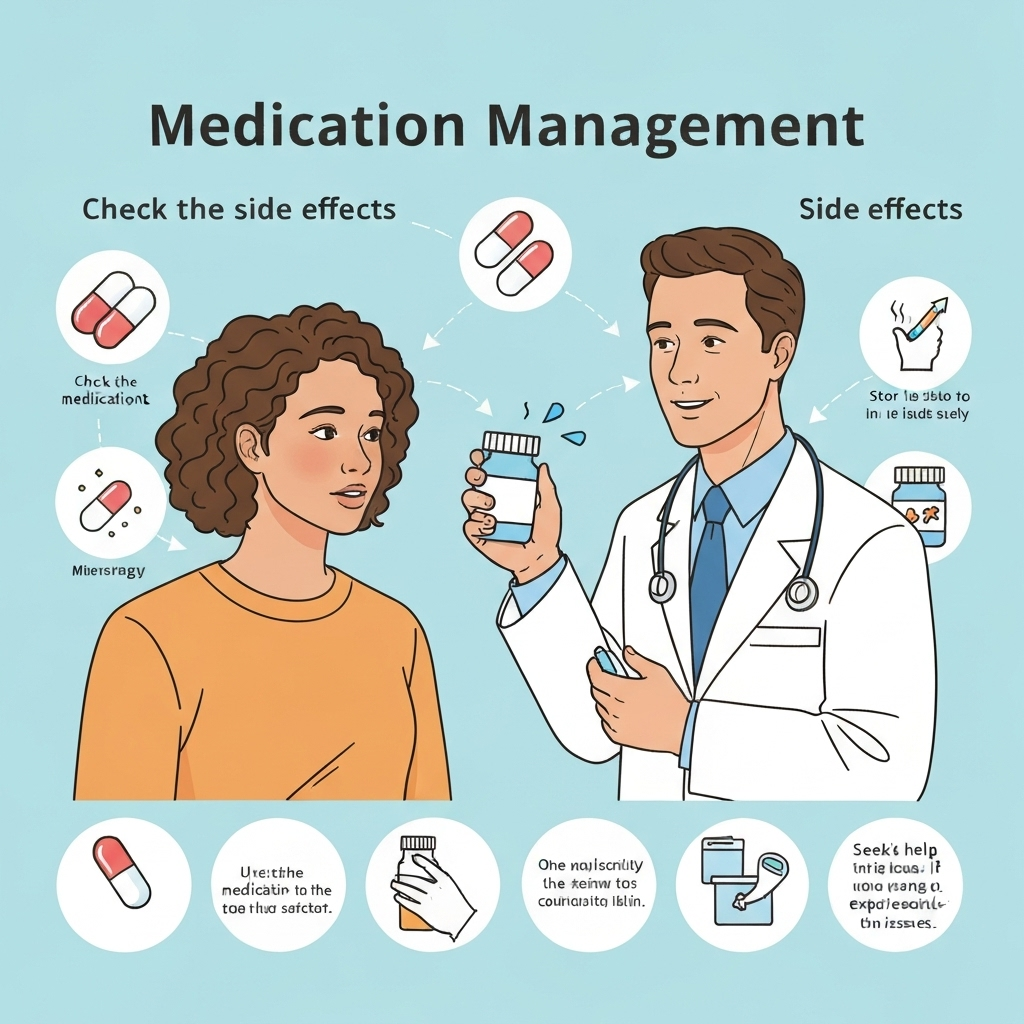
Working with family physicians or specialists, you can often find simple strategies to manage mild side effects. For example, taking a medication with food can reduce stomach upset. To avoid dangerous interactions, always inform your doctor about every medication you take, including over-the-counter drugs, supplements, and herbal remedies.
Here are some key steps to manage side effects and interactions:
- Keep a detailed list of all your medications and share it with every healthcare provider.
- Ask your pharmacist to check for potential drug interactions.
- Read the information leaflet that comes with your prescription.
- Do not mix pain medications with alcohol without your doctor’s approval.
- Report any unexpected side effects to your doctor immediately.
Safety and Long-Term Use Considerations
When managing chronic pain, considering the safety of long term medication use is essential. Over time, the risks of issues like drug tolerance and dependence can increase, especially with certain classes of drugs. This requires a careful and proactive approach to your treatment plan.
Finding the safest medications for extended use involves balancing effectiveness with potential harm. Based on systematic review and clinical evidence, your doctor will help you navigate these choices to ensure your pain management plan is sustainable for years to come.
Minimizing Drug Tolerance and Dependence
Drug tolerance occurs when your body adapts to a medication, requiring higher doses to achieve the same effect. This can lead to physical dependence, where your body needs the drug to function normally and experiences withdrawal without it. While dependence is not the same as addiction, it’s a serious concern, especially with the long-term use of opioids.
To minimize these risks, your doctor will follow several key strategies. A systematic review of your treatment plan will be conducted periodically to ensure the benefits still outweigh the risks. The primary goal is to maintain function and quality of life without escalating doses unnecessarily.
Here are some ways you and your doctor can work together to minimize tolerance and dependence:
- Always use the lowest effective dose.
- Incorporate non-drug therapies like exercise and physical therapy.
- Consider “drug holidays” (short, planned breaks from a medication), if appropriate and guided by your doctor.
- Avoid using opioids for chronic noncancer pain whenever possible.
- Schedule regular follow-up appointments to review your medication plan.
Safest Medications for Extended Treatment
When it comes to long term treatment, some medications are generally considered safer than others. The safest medications are typically those with a lower risk of serious adverse effects and a lower potential for dependence. However, “safe” is relative and depends on your individual health profile.
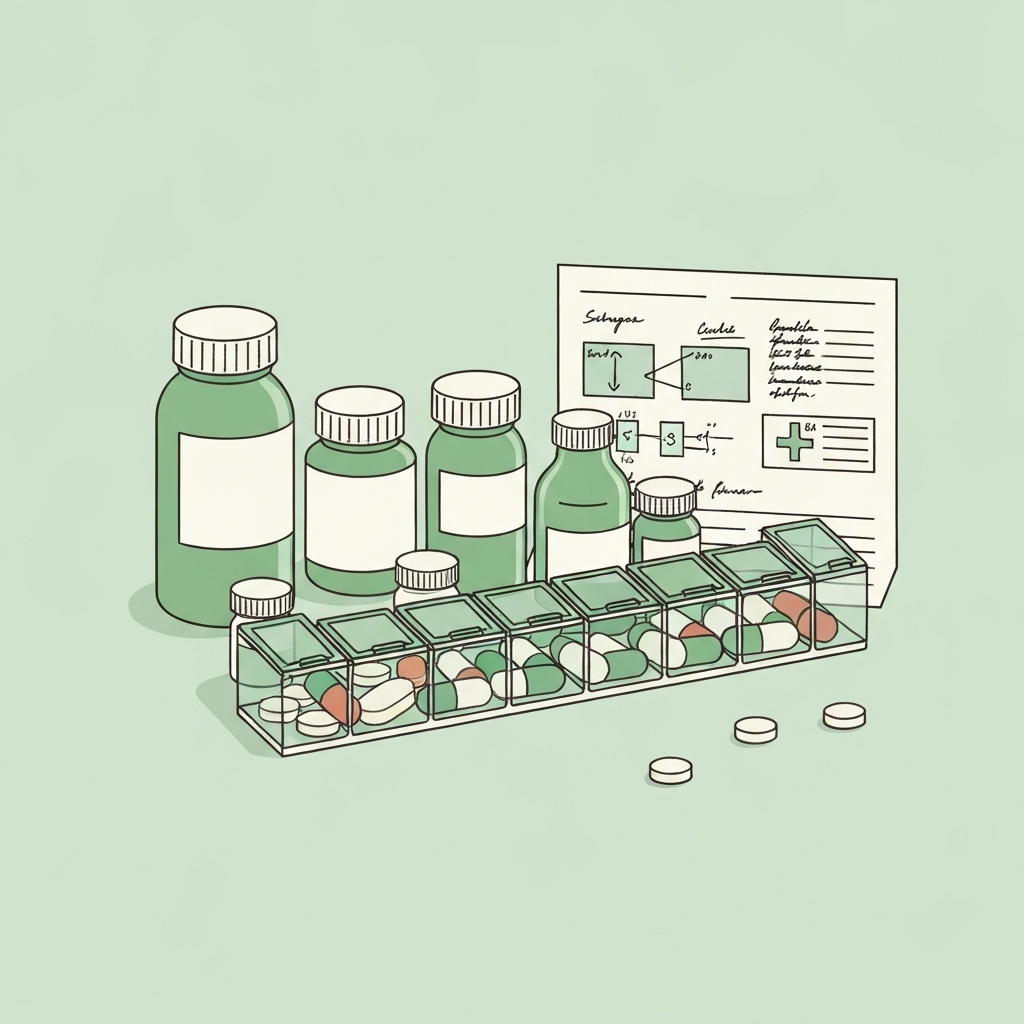
In general clinical practice, non-opioid options are preferred for extended use. Acetaminophen is often considered safe for long-term management, provided you strictly adhere to the recommended dosage to avoid liver damage. Certain NSAIDs can also be used long-term, but they require regular monitoring for potential stomach, kidney, and cardiovascular issues.
Adjuvant medications, such as certain antidepressants and anti-seizure drugs, can also be safe and effective for long-term use, especially for neuropathic pain. The key is close collaboration with your doctor, who will monitor your health and ensure the medication continues to be a good choice for you over time.
Emerging Drugs and Innovations in Pain Therapy
For health information seekers living with chronic pain, the future of pain therapy holds promise. Researchers are constantly working on innovations and emerging drugs designed to provide more effective relief with fewer side effects. Many of these new treatments are currently in clinical trials.
The focus of much of this research is to develop non-opioid alternatives that can target pain pathways more precisely. This includes creating medications that can block specific pain signals without affecting the central nervous system in the way opioids do.
While it takes time for new drugs to become widely available, progress is being made. Some emerging areas of interest include:
- Drugs that target specific nerve growth factors.
- New formulations of existing medications to improve delivery and reduce side effects.
- Therapies derived from natural compounds with pain-relieving properties.
- Advanced neuromodulation techniques like more sophisticated spinal cord stimulators.
Conclusion
In summary, managing chronic pain through drug options requires a comprehensive understanding of various medications and their implications. Each patient’s journey is unique, and it’s vital to consider factors like pain severity, lifestyle, and existing health conditions when determining the most suitable treatment plan. By collaborating with healthcare professionals and personalizing medication strategies, individuals can achieve better outcomes while minimizing risks associated with long-term use. Staying informed about emerging therapies can also open new doors for effective pain management. If you’re seeking tailored advice on chronic pain management, don’t hesitate to get in touch for a free consultation with our experts. Your path to relief starts here!
Frequently Asked Questions
Are medications alone enough to manage chronic pain or should other therapies be included?
Medications are an important part of pain management, but they are rarely sufficient on their own. For the best pain relief, your health care provider will likely recommend a comprehensive pain treatment plan that includes other therapies like physical activity, stress management, and physical therapy to improve your overall quality of life.
What side effects should I be aware of while taking chronic pain medications?
Common side effects of pain medication include nausea, drowsiness, and stomach upset. More serious adverse effects can include kidney or liver damage with some non-opioids, and dependence or overdose with opioids. Always discuss potential side effects with your family physicians before starting a new medication for chronic pain.
Are there any new drugs approved for chronic pain treatment?
The field of pain therapy is always evolving, with emerging drugs constantly undergoing clinical trials. While specific approvals change, research focuses on non-opioid options. Talk to your doctor or consult an official government organization like the FDA for the most current information on new treatments for chronic pain.
https://doi.org/10.3390/pharmaceutics15041165
https://doi.org/10.1155/2018/1302835
https://www.fda.gov/media/86875/download
https://www.ncbi.nlm.nih.gov/books/NBK549795
https://order.store.mayoclinic.com/books/GNWEB60
https://es.familydoctor.org/medicamentos-analgesicos-de-venta-libre
https://familydoctor.org/safe-use-storage-and-disposal-of-opioid-drugs
https://www.mayoclinic.org/tests-procedures/cortisone-shots/about/pac-20384794
https://www.samhsa.gov/medication-assisted-treatment/find-treatment/treatment-practitioner-locator