
Understanding Stress Drugs and Medications: A Guide
Key Highlights
- Medication can be an effective tool to manage anxiety and reduce symptoms, improving your overall mental health.
- The most common medications prescribed by doctors are SSRI and SNRI antidepressants.
- Other anxiety medication options include benzodiazepines, buspirone, hydroxyzine, and beta-blockers.
- All medications have potential side effects, which should be discussed with your healthcare provider.
- The best treatment options often combine medication with other approaches like cognitive behavioral therapy and lifestyle adjustments.
- A psychiatrist can help determine the right medication and treatment plan for your specific needs.
Introduction
Feeling stressed or nervous is a normal part of life. However, if symptoms like a racing heart or a constant feeling of being on edge start to interfere with your daily activities, it might be time to seek help. Mental health professionals have many tools for treating anxiety disorders, and one of those is medication. While these drugs can be very effective, they also come with potential side effects. Talking to a psychiatrist can help you understand if medication is the right choice for your mental health journey.
Understanding Stress and Its Effects on Health
When you feel overwhelmed by heart-pounding panic or are exhausted from sleepless nights filled with worry, you’ll do almost anything for relief. Severe stress can be disabling, impacting your ability to function in your daily life and affecting your mental health.
The symptoms of anxiety can disrupt your quality of life and may even point to underlying health conditions. Understanding how stress affects you is the first step toward finding the right solution, whether that involves medication, therapy, or lifestyle changes. Now, let’s explore how stress impacts both your body and mind and when medical help might be necessary.
How Stress Impacts the Body and Mind
Stress doesn’t just stay in your head; it triggers a powerful physical response. When you feel anxious, your body’s fight-or-flight response kicks in, releasing hormones like adrenaline. This can cause a variety of physical symptoms, including a rapid heart rate, sweating, trembling, and dizziness. Your nervous system goes on high alert, preparing you to face a perceived threat.
This biological reaction is designed for short-term survival, but when stress is chronic, it keeps your central nervous system in an overexcited state. This constant activation can take a toll on your physical health, potentially leading to issues like high blood pressure and other cardiovascular problems.
Ultimately, persistent stress significantly lowers your quality of life. The mental and emotional strain, combined with the physical symptoms, can make it difficult to concentrate, sleep, or enjoy activities you once loved. Addressing these impacts is crucial for restoring your overall mental health and well-being.
When Is Medical Intervention for Stress Necessary?
Deciding if you need medication for managing your stress should always be a conversation with a healthcare professional. If you find that your anxiety is consistently interfering with your daily life, relationships, or work, it may be time to consider medical intervention. How do I know if I need medication for managing my stress? A key indicator is when symptoms of severe anxiety become overwhelming and prevent you from functioning as you normally would.
When self-help strategies, exercise, and other coping mechanisms are not enough to manage your symptoms, a mental health professional can help. They can assess your situation, rule out other health conditions, and determine if medication should be part of your treatment plan.
A psychiatrist can create a personalized treatment plan tailored to your specific needs. This plan might include medication to provide relief from acute symptoms, allowing you to engage more effectively in other therapies and regain control over your daily life.
Overview of Stress Drugs and Medications
Many different types of medication are used to treat anxiety disorders and related mental health conditions. These drugs are a safe and effective way to minimize your symptoms, helping to calm your fear signals and fight-or-flight responses so you can feel less nervous and more in control.
Anti-anxiety medications are a broad class that can include antidepressants, benzodiazepines, beta-blockers, and others. Each works differently to provide anxiety relief, and a doctor will help determine the best option for you. Let’s look at what anxiolytics are and the differences between various stress medications.
What Are Anxiolytics and How Do They Work?
Anxiolytics are a class of drugs specifically designed to prevent or treat anxiety symptoms. The term is often used interchangeably with “anti-anxiety medication.” These medications work by targeting key chemical messengers in the brain to reduce excessive activity in the central nervous system, leading to a calming effect.
What are anxiolytics and how are they different from other stress medications? While some anxiolytics, like benzodiazepines, offer fast-acting relief by slowing down the nervous system, others, like buspirone, work more gradually. Benzodiazepines, for instance, enhance the effect of a neurotransmitter called GABA, which has a sedative effect. Buspirone, another type of anxiolytic, interacts with serotonin and dopamine receptors.
Different anxiolytics serve different purposes and have unique mechanisms. Some common types include:
- Benzodiazepines: Provide rapid, short-term relief.
- Buspirone: A milder, slow-acting option with a lower risk of dependence.
- Hydroxyzine: An antihistamine that has a calming effect and is not a controlled substance.
Differences Between Anti-Anxiety, Antidepressant, and Other Stress Medications
While often grouped, there are important distinctions between different medications used for stress. Anti-anxiety drugs, like benzodiazepines, provide fast but short-term relief. In contrast, antidepressants, such as selective serotonin reuptake inhibitors (SSRIs) and serotonin-norepinephrine reuptake inhibitors (SNRIs), are often used for long-term management.
Antidepressants work by balancing neurotransmitters in the brain, like serotonin and norepinephrine, which helps regulate mood and alleviate anxiety over time. They typically take several weeks to become fully effective. What are the most common medications used for treating stress and anxiety? SSRIs and SNRIs are considered a first-line treatment by many professionals because they are effective with relatively fewer side effects compared to older anti-depressants.
Other medications, like beta-blockers, target the physical symptoms of anxiety rather than the emotional ones. Here’s a simple breakdown of these different medications:
| Medication Type | How It Works | Common Use |
|---|---|---|
| Benzodiazepines (Anti-Anxiety) | Slows the central nervous system for rapid calming. | Short-term relief for panic attacks, severe anxiety. |
| SSRIs/SNRIs (Antidepressants) | Balances brain chemicals like serotonin over time. | Long-term management of various anxiety disorders. |
| Beta-Blockers | Blocks adrenaline to reduce physical symptoms like a racing heart. | Situational anxiety, such as performance anxiety. |
Most Common Medications Used for Stress and Anxiety
When it comes to the treatment of anxiety, doctors have several effective anxiety medication options. The most widely prescribed drugs for various types of anxiety disorders, and even conditions like major depressive disorder, are antidepressants. Specifically, SSRIs and SNRIs are often the first choice for professionals.
However, other medications play an important role as well. These include fast-acting benzodiazepines for short-term relief and other prescription options like buspirone and beta-blockers. The following sections will provide more detail on these common choices for managing stress and anxiety.
Benzodiazepines: Short-Term Relief and Considerations
Benzodiazepines are fast-acting medications that can provide immediate anxiety relief. Drugs like Xanax, Klonopin, and Valium are highly effective for managing panic attacks or other episodes of overwhelming anxiety. How do benzodiazepines work for stress and what should I consider before using them? They work by slowing down the central nervous system, which promotes a sense of calm and helps you relax both physically and mentally.
Because they work so quickly, they are typically prescribed for short-term use during anxiety flare-ups. However, a significant consideration is the risk of dependence. When taken regularly, your body can build a tolerance, meaning you need larger doses for the same effect. This can potentially lead to substance abuse issues.
If you abruptly stop taking them, you can experience difficult withdrawal symptoms. For these reasons, they are not recommended for long-term treatment. Key considerations include:
- High risk of dependence: Physical addiction can develop quickly.
- Best for short-term use: Ideal for acute anxiety, not chronic management.
- Withdrawal symptoms: Stopping suddenly can cause increased anxiety, insomnia, and other issues.
SSRI and SNRI Antidepressants for Long-Term Management
Selective serotonin reuptake inhibitors (SSRIs) and serotonin-norepinephrine reuptake inhibitors (SNRIs) are widely prescribed for the long-term management of anxiety and other mental health conditions like major depressive disorder. SSRIs, such as Zoloft and Lexapro, work by increasing the availability of serotonin in the brain. SNRIs, like Effexor and Cymbalta, increase both serotonin and norepinephrine.
What are the pros and cons of the most popular anxiety medications? The primary advantage of these antidepressants is that they are effective for ongoing treatment and have a lower risk of dependence compared to benzodiazepines. They help regulate mood and reduce anxiety symptoms over weeks or months. However, they are not a quick fix; it can take four to six weeks to feel their full benefits.
The cons include potential side effects, which can range from nausea and headaches to sexual dysfunction and weight gain. Additionally, stopping these medications abruptly can lead to withdrawal symptoms, so it’s important to taper off under a doctor’s guidance. Despite these drawbacks, their effectiveness and safety profile make them a first-line choice for many patients.
Other Prescription Options for Stress (Buspirone, Beta-Blockers, Hydroxyzine)
Besides antidepressants and benzodiazepines, there are several alternative medications for stress. Buspirone, also known as BuSpar, is a mild tranquilizer that increases serotonin and decreases dopamine. It’s slow-acting but has a low risk of dependence and is less sedating, making it a good option for older adults.
Another option is beta-blockers. These drugs, typically used for high blood pressure and heart conditions, are prescribed “off-label” for anxiety. A beta-blocker works by blocking adrenaline, which helps control physical symptoms like a racing heart and trembling. They are particularly useful for performance anxiety, like before public speaking. What are the most common medications used for treating stress and anxiety? While SSRIs are most common, these alternatives play a crucial role.
Hydroxyzine is an antihistamine that has been FDA-approved for the short-term treatment of anxiety. It works quickly and is not addictive, making it an effective alternative to benzodiazepines.
- Buspirone: A slow-acting, non-addictive choice for generalized anxiety.
- Beta-Blockers: Best for controlling the physical symptoms of situational anxiety.
- Hydroxyzine: A fast-acting, non-addictive antihistamine for short-term use.
How Doctors Decide on the Right Stress Medication
Choosing the right stress medication is a collaborative process between you and your healthcare provider. A mental health professional, like a psychiatrist, has extensive training in medication management and will develop a treatment plan that fits your unique situation. They don’t just pick a drug at random; the decision is based on careful evaluation.
Your doctor will consider your diagnosis, medical history, specific symptoms, and personal preferences. This initial assessment helps them narrow down the options. We’ll now look at the specific factors that influence their choice and how treatment is personalized for you.
Factors Influencing Medication Choice
How do doctors decide which stress or anxiety medication is best for a patient? The decision is highly individualized and based on a combination of factors. Your specific diagnosis is a primary consideration. For example, a doctor might choose an SSRI for generalized anxiety disorder but a beta-blocker for performance anxiety. The nature of your symptoms of anxiety—whether they are primarily physical or emotional—also guides the choice.
Your complete medical and family history is another critical piece of the puzzle. The presence of other health conditions, such as heart problems or a history of substance abuse, will influence which medications are safe for you. Your doctor will also ask about your tolerance for potential side effects, as some people may prefer to avoid drugs known for causing weight gain or drowsiness.
Finally, your personal preferences and treatment goals matter. The process is a conversation. Being open and honest with your clinician about your concerns and what you hope to achieve helps them select the most suitable medication. They will weigh the benefits of anxiety relief against the potential risks and side effects to find the best fit.
Personalized Treatment Approaches in the United States
In the United States, the standard of care for mental health emphasizes personalized treatment. How do doctors decide which stress or anxiety medication is best for a patient? It begins with a thorough diagnosis. Psychiatrists use established criteria, often from the Diagnostic and Statistical Manual of Mental Disorders (DSM), to accurately identify conditions like panic disorder, social phobia, or major depression with anxious features.
Once a diagnosis is made, the psychiatrist devises a treatment plan tailored to you. This includes selecting a medication that aligns with your symptoms, medical history, and goals. For instance, if you have both anxiety and major depression, an SSRI or SNRI that treats both conditions would likely be the first choice. This ensures a more comprehensive and effective treatment.
The personalization doesn’t stop after the first prescription. Treatment is an ongoing conversation. You’ll have regular check-ins with your psychiatrist to monitor your progress, discuss any side effects, and make adjustments as needed. This dynamic approach helps ensure you receive the most effective treatment over the long term.
Main Side Effects and Risks of Stress Medications
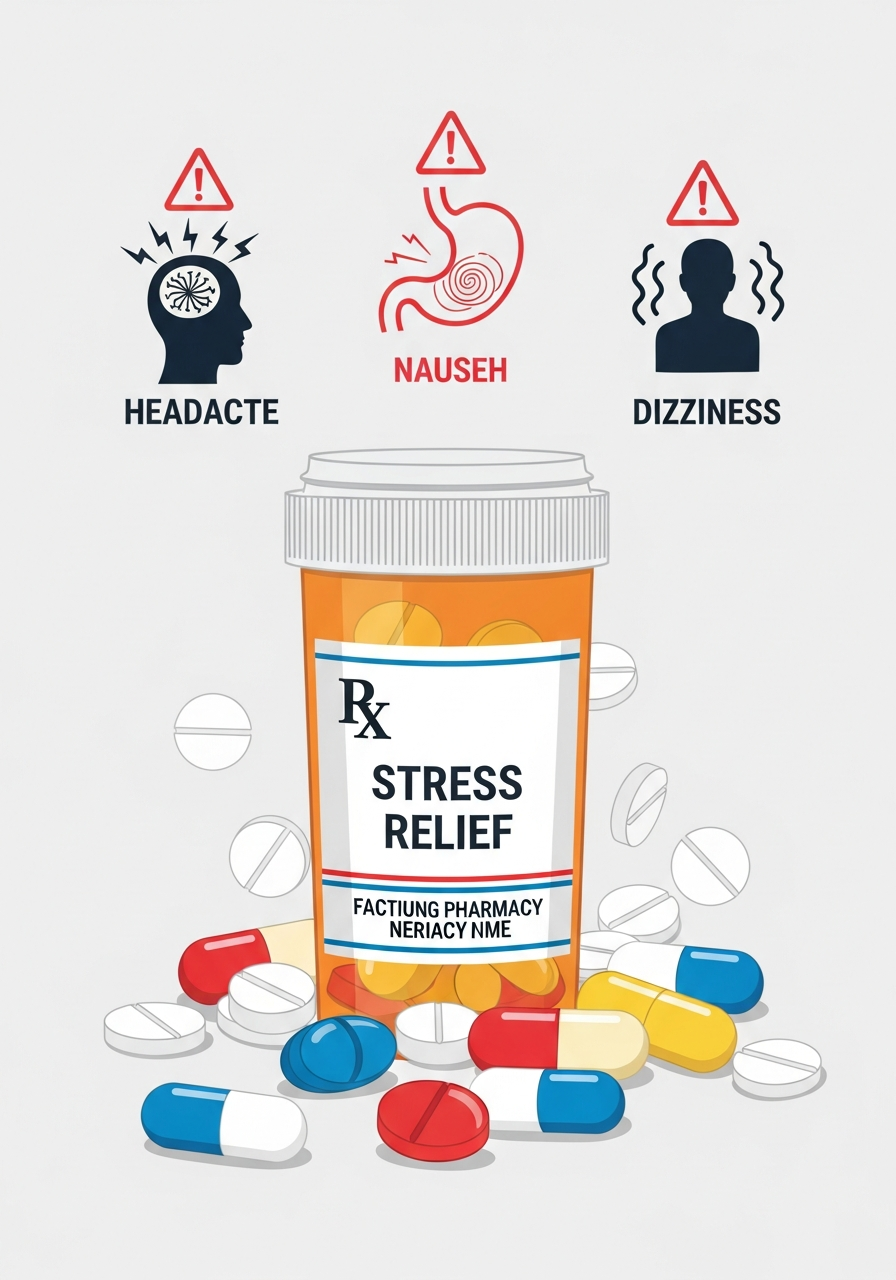
While stress medications can be very helpful, they also come with potential side effects and risks. These can range from mild annoyances like dry mouth to more significant issues affecting your central nervous system. Common side effects often include drowsiness, dizziness, headaches, and nausea.
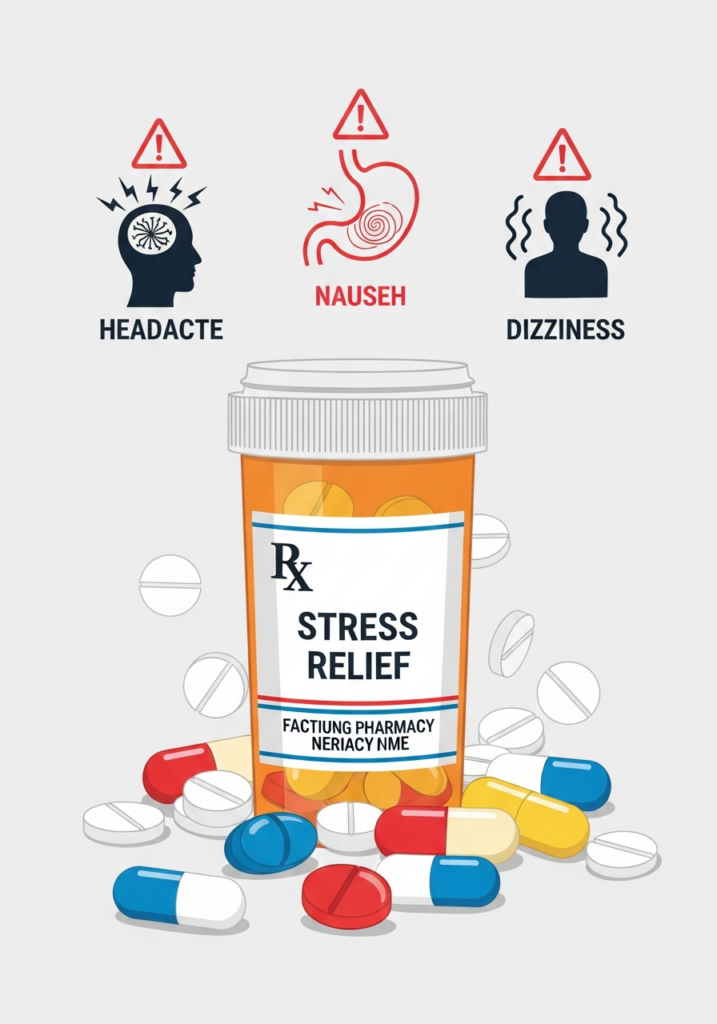
Some medications can also cause sexual side effects or lead to dependence and withdrawal symptoms if stopped suddenly. It’s crucial to be aware of these risks before starting any new prescription. The following sections will explore both the short-term and long-term effects, as well as other important safety considerations.
Short-Term vs. Long-Term Effects
The side effects of stress medications can differ depending on whether you’re using them for a short-term period or for a long time. In the short-term, you might experience effects as your body adjusts to the new drug. What are the main side effects of stress and anxiety medications? Initially, many people report feeling drowsy, dizzy, or having an upset stomach.
These initial side effects often fade after a few weeks. However, some medications, particularly benzodiazepines, can impair coordination and memory even with short-term use. For antidepressants like SSRIs, initial side effects might include a temporary increase in anxiety or agitation before the therapeutic benefits kick in.
When used for a long time, other concerns may arise. Long-term use of certain antidepressants can be associated with weight gain or sexual dysfunction. For benzodiazepines, the most significant long-term risk is dependence, which can lead to severe withdrawal symptoms if the medication is stopped.
- Short-term effects: Drowsiness, dizziness, nausea, and poor coordination are common.
- Long-term concerns: Risks include weight gain, sexual side effects, and physical dependence.
- Withdrawal symptoms: Can occur with many medications if not tapered off correctly.
Dependence, Withdrawal, and Other Safety Considerations
One of the most significant safety considerations with certain stress medications is the risk of dependence and withdrawal. Benzodiazepines, in particular, are known for being physically addictive. Regular use can lead to tolerance, where you need higher doses for the same effect, and this can increase the risk for substance abuse. Abruptly stopping these medications can trigger severe withdrawal symptoms, including increased anxiety, insomnia, and even seizures.
Is it safe to use stress medications for a long period of time? For many medications, like SSRIs, long-term use is generally considered safe and effective under a doctor’s supervision. However, they are not without risks. Antidepressant withdrawal can also be difficult, causing flu-like symptoms, irritability, and depression if not managed properly.
Other safety factors include potential drug interactions. It’s dangerous to mix benzodiazepines with alcohol, painkillers, or sleeping pills, as it can lead to a fatal overdose. Older adults are also at a higher risk, as they are more sensitive to the sedating effects, which can lead to falls, confusion, and cognitive impairment.
Non-Medication Treatments: Therapy and Lifestyle Approaches
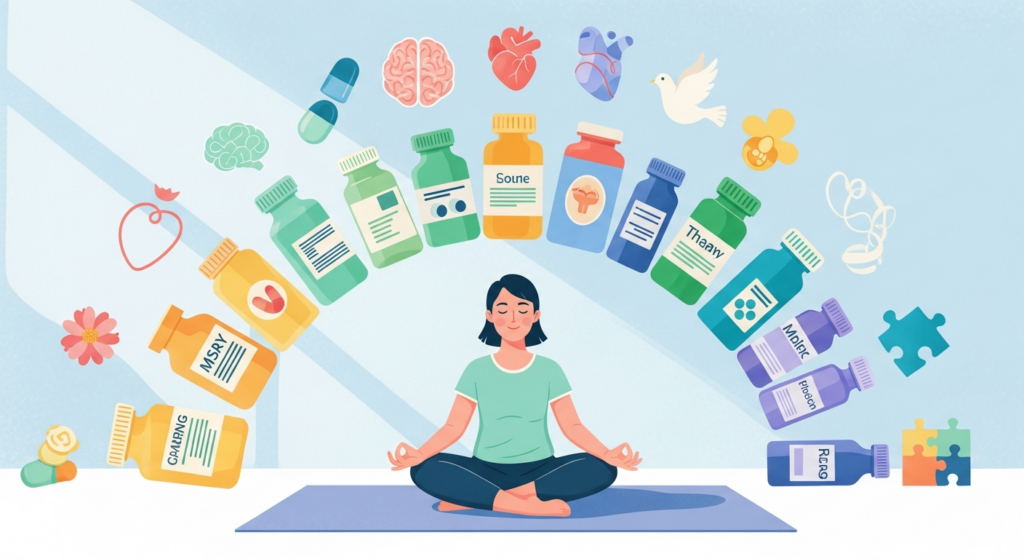
Medication isn’t the only answer for managing stress and anxiety. In fact, non-drug treatments like therapy and lifestyle changes can produce lasting, long-term relief. These approaches teach you how to handle your anxiety without relying on medication and can be just as effective.
Techniques such as cognitive behavioral therapy (CBT), talk therapy, and other stress management techniques empower you to control your symptoms. Let’s explore some of these powerful alternatives and how they can be combined with medication for even better outcomes.
Counseling, Psychotherapy, and Alternative Therapies
Counseling and psychotherapy, often called talk therapy, are highly effective stress management techniques. Working with a mental health professional can help you understand the root causes of your anxiety and develop strategies to cope with it. Cognitive behavioral therapy (CBT), for example, is a popular approach that teaches you to identify, challenge, and change negative thought patterns and behaviors.

Can I rely on medication alone to manage my stress, or should I try other treatments too? While medication can relieve symptoms, therapy addresses the underlying issues. Relying on medication alone is often not the most effective long-term strategy. Therapy provides you with skills that last a lifetime.
In addition to traditional therapy, many people find relief through alternative therapies that focus on the mind-body connection. These can be powerful tools for reducing stress and promoting relaxation.
- Exercise: A powerful and natural anxiety treatment.
- Yoga and Tai Chi: Mind-body practices that reduce anxiety.
- Mindfulness and Meditation: Teaches you to observe your thoughts without judgment, fostering a sense of calm.
Combining Medication with Non-Drug Approaches for Better Outcomes
For many people, the most effective path to managing anxiety involves combining medication with non-drug treatment options. Can I rely on medication alone to manage my stress, or should I try other treatments too? The answer for most is that a combined approach yields the best results. Medication can provide rapid relief from debilitating symptoms of anxiety, making it easier to engage in and benefit from therapy.
Think of medication as a tool that creates stability. Once your anxiety is at a more manageable level, you can more effectively participate in psychotherapy or make meaningful lifestyle changes. This integrated approach addresses both the biological and psychological aspects of anxiety.
Ultimately, this combination can lead to a higher quality of life and more sustainable, long-term relief. As you develop new coping skills through therapy and lifestyle adjustments, you and your doctor may even decide to gradually reduce or stop your medication. This holistic strategy empowers you with a full toolkit to manage your mental health.
In conclusion, understanding stress medications is crucial for making informed choices about your health. While drugs can provide temporary relief, they are often part of a broader treatment plan that includes therapy and lifestyle changes. By collaborating with healthcare professionals and considering individual needs, you can find the most effective approach to managing stress. Remember, the journey to mental well-being is multidimensional, and seeking help is a brave and important step. If you’re interested in learning more about managing stress effectively, don’t hesitate to reach out for a free consultation with our experts!
Frequently Asked Questions
Are there new or emerging drugs for the treatment of stress and anxiety?
Yes, research into new drugs for mental health issues is ongoing. Scientists are exploring emerging drugs that target different brain pathways to offer new treatment options for stress and anxiety. These future anxiety medication developments aim to provide more effective relief with fewer side effects than current options.
Is it safe to use stress medications for a long period of time?
For many medications like SSRIs, long-term use is considered safe under a doctor’s care. However, using certain drugs for a long time, especially benzodiazepines, carries a higher risk of dependence, requiring higher doses and causing difficult withdrawal symptoms. Always discuss the long-term plan for your mental health with your provider.
Can I rely on medication alone to manage my stress?
While medication can reduce the symptoms of anxiety, it’s often not enough on its own for long-term success. The most effective approach typically combines medication with therapy, lifestyle changes, and other stress management techniques to address the root causes of your stress and build lasting coping skills.
https://www.bannerhealth.com/healthcareblog/better-me/myths-about-bipolar-disorder
https://clinicaltrials.gov/ct2/show/NCT01108393
https://www.ncbi.nlm.nih.gov/books/NBK539848
https://www.aafp.org/afp/2000/0401/p2121.html
https://www.psychologytoday.com/profile/787385
https://www.rcpsych.ac.uk/mental-health/treatments-and-wellbeing/antidepressants