
Exploring Your Options for Diabetes Drugs: What to Know
Key Highlights
- Diabetes medications are crucial for managing blood sugar in both type 1 and type 2 diabetes.
- Treatment varies based on the type of diabetes, with insulin being essential for type 1, while oral drugs are common for type 2.
- Oral medications like metformin, sulfonylureas, and DPP-4 inhibitors work in different ways to control glucose.
- Injectable medications include various types of insulin and non-insulin options like GLP-1 receptor agonists.
- Some diabetes drugs offer additional benefits, such as weight loss and heart health protection.
- Common side effects can include low blood sugar or digestive issues, depending on the medication.
Introduction
Living with diabetes mellitus means you have to watch your blood sugar levels closely. Medication is often a big part of a treatment plan that works well. This health problem happens when the body does not make enough insulin or it can’t use insulin the way it should. This can make blood glucose go up. In Canada, there are several diabetes medications available, including insulin, metformin, sulfonylureas, DPP-4 inhibitors, SGLT2 inhibitors, GLP-1 receptor agonists, and other oral and injectable drugs, each prescribed based on individual needs and type of diabetes. If you are looking for a complete list of diabetes medications, resources like Diabetes Canada and Health Canada’s official website provide comprehensive listings and up-to-date information on all approved diabetes drugs currently used in Canada.
People who are health information seekers often want to know about choices they have for medicine. Knowing the different drugs out there is important before you talk with a healthcare provider. Are you thinking about what tablets might be used for managing diabetes? This guide will look at some medicines that can help with blood sugar.
Understanding Diabetes and the Need for Medication

There are different types of diabetes drugs. The type you need depends on your type of diabetes and how healthy you are in general. Your doctor will think about these things. They will make a plan just for you. They look at what is good for you and also watch for any side effects. If you are looking for a complete list of diabetes medications, you can find reliable information on trusted medical websites such as the American Diabetes Association (ADA) or the Mayo Clinic. These sources offer comprehensive lists and details about each type of diabetes drug.
Type 1 vs. Type 2 Diabetes: Why Treatment Differs
The type of diabetes you have will change how you treat it. If you have type 1 diabetes, your immune system attacks the pancreas. The pancreas cannot make its own insulin anymore. So, you need to get insulin from outside your body. That is why using insulin is important to stay alive. In Canada, there are several diabetes medications currently available to help manage blood sugar levels. These include various forms of insulin for type 1 diabetes, as well as oral medications and non-insulin injectables for type 2 diabetes, such as metformin, sulfonylureas, DPP-4 inhibitors, SGLT2 inhibitors, GLP-1 receptor agonists, and others. Your healthcare provider will help choose the best medication based on your specific type of diabetes and individual needs.
Type 2 diabetes works another way. Here, the problem comes from insulin resistance. Your body makes insulin, but your cells do not use it well. Over the years, the pancreas may also fail to make enough insulin to help your body overcome this issue. The goal for this form of diabetes is to help your body use the insulin better or lower extra sugar levels in your blood.
Because of this major difference, most oral medications are made for people with type 2 diabetes. These medicines target insulin resistance or get the pancreas to give out more insulin. People with type 1 diabetes must use injectable insulin instead, because their bodies cannot make any insulin at all.
When Are Diabetes Medications Prescribed?
Medication is often started as part of a full treatment plan for blood glucose management. For people who have type 2 diabetes, trying to control blood sugar usually begins with a healthy diet and regular physical activity. When these changes do not get your blood glucose levels into the target range, your doctor may give you medicine for extra help.
Diabetes is a disease that changes over time. This means the treatment plan you have now may need to change later. Your body will change, so you might have to switch medication or add new ones to keep your glucose levels steady. For you, this means that taking medicine is not losing. It is a smart way to handle a long-term health problem and keep your blood sugar stable.
Your doctor might also give you medicine in special cases, like:
- When your A1C is still high after diet and regular physical activity.
- When you face bigger physical stress, such as surgery or a bad infection, because it’s tough to keep your blood glucose levels in the right range then.
How Diabetes Drugs Work in the Body
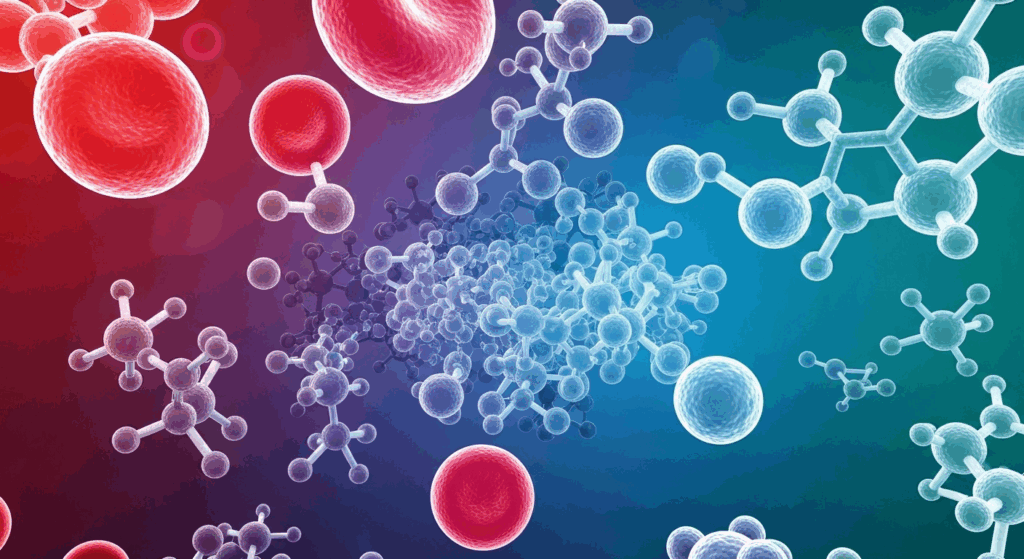
For example, a drug may help your pancreas give off more insulin. Other drugs, called receptor agonists, act like natural hormones in the body to better control blood sugar. Knowing about these ways can help you see how your treatment plan deals with your own issues, like insulin resistance or problems with making insulin.
Mechanisms of Glucose Control
Different types of diabetes medications help manage blood sugar in their own ways. One way is pushing the pancreas’s beta cells to make more insulin. Older diabetes medications like sulfonylureas use this method. They help the body get more of the hormone that’s needed to handle glucose.
Another way prefers working on insulin resistance. Metformin is a common diabetes medication for this. It helps muscle tissue use insulin better so it can take in glucose for energy. This one also lowers how much glucose your liver puts out. So, you get a drop in blood sugar from two directions.
A different idea is to slow down how food breaks down in you. Some diabetes medications like alpha-glucosidase inhibitors keep starchy foods from breaking down in your intestine. This can stop glucose levels going up too fast after eating, and helps keep blood sugar steady all day.
Effects Beyond Blood Sugar (e.g., Weight Loss, Heart Health)
Modern diabetes medications now do more than lower blood sugar. Many new drugs can help your overall health, especially if you have heart failure or changes in your body weight. Because of this, the way doctors treat people has changed, especially for those with more than one health problem.
The American Diabetes Association suggests certain diabetes medications for people who have problems like atherosclerotic cardiovascular disease, heart failure, or kidney disease. These drugs give extra protection for your heart, kidneys, and body beyond just controlling blood sugar.
Some of the extra things these drugs can do are:
- Weight loss: Some GLP-1 receptor agonists and SGLT2 inhibitors can help you lose weight or keep your body weight steady.
- Heart health: Some types of GLP-1s and SGLT2 inhibitors can lower the chance of having big heart problems, like a cardiovascular event.
- Blood pressure and cholesterol: A few medicines can lower blood pressure a little or help reduce LDL cholesterol levels.
These new choices let people with diabetes get more out of their treatment by taking care of their heart, kidney disease, body weight, and cholesterol levels, not just blood sugar.
Key Types of Oral Diabetes Medications
For many people who have type 2 diabetes, taking pills is a big part of treatment. These oral medications make drug administration easy. There are different groups of these pills, and each works to lower your blood sugar in a different way.
Some oral drugs help your body use insulin better, while others help your pancreas make more. You and your healthcare provider can look at the options and pick the type, or mix of types, that will help you control your glucose levels.
Biguanides (Metformin and Its Role)
Metformin is the most common medication in the biguanides class and is often the first oral drug prescribed for type 2 diabetes. Its primary role is to lower the amount of glucose produced by your liver. It also helps your muscles use insulin more effectively, a key strategy for overcoming insulin resistance.
Because of its effectiveness and safety profile, it’s considered a cornerstone of diabetes treatment. Metformin is available under several brand names and is also a component in many combination pills, where it’s paired with other diabetes drugs to provide more comprehensive blood sugar control.
While generally well-tolerated, its most common side effect is diarrhea, which often improves when the medication is taken with food. A rare but serious side effect is lactic acidosis.
| Feature | Description |
|---|---|
| Class | Biguanide |
| Primary Action | Reduces liver glucose production and improves insulin sensitivity. |
| Common Brand Names | Glumetza, Riomet |
| Common Side Effect | Diarrhea, which can be managed by taking it with food. |
Sulfonylureas and Meglitinides
Sulfonylureas and meglitinides both help by telling your pancreas to put out more insulin. But, they do this in different ways across time. Sulfonylureas, like glimepiride and glipizide, have been used by people for many years. You usually take these drugs once or twice a day. When you do, they keep your insulin going strong to help lower your blood sugar.
Meglitinides, for example, repaglinide and nateglinide, work much faster than sulfonylureas. They don’t last as long in your body. This is why you take them just before eating, to help manage the jump in blood sugar levels after you eat. This can be good for people who do not eat at the same time every day. Meglitinides let you adjust your dosage to your needs.
Both types of medication can have possible side effects like low blood sugar and weight gain. Your doctor will talk to you about these risks. The doctor will say what you should do about them to stay safe and manage your health.
DPP-4 Inhibitors and Alpha-Glucosidase Inhibitors
Dipeptidyl peptidase-4 (DPP-4) inhibitors help to lower blood glucose. These drugs do not usually cause hypoglycemia. One example is sitagliptin (Januvia). These work by blocking an enzyme that breaks down incretins. Incretins are natural hormones that help your body make insulin when needed. By stopping this enzyme, the incretins stay active in your body for a longer time.
Alpha-glucosidase inhibitors, like acarbose, work in your digestive system. They keep starches from foods like bread and potatoes from breaking down too quickly. This means your body digests these foods slower, so your blood sugar goes up more slowly after you eat. Some common side effects that people may get from these drugs are gas and diarrhea. This happens because of how these drugs work in your body.
The medications listed here for blood sugar are approved for use in the United States. If you live in another country, like Canada, it is good to check with your local healthcare authority. They can tell you which drugs are there for you to use and what side effects there may be.
Injectable Options for Diabetes Management
While oral drugs are often used for type 2 diabetes, shots are also important for many people to help control the condition. People with type 1 diabetes always need these shots. These medicines are given under the skin. They include different kinds of insulin plus other drugs that are not insulin. Both kinds help manage blood glucose and keep your levels where they should be.
Your healthcare provider will say if a shot is right for your treatment plan. They will show you how to use it and tell you when to take it. The right drug administration can help you get the best results for your health and keep your blood glucose levels steady.
Insulin Therapies: Types and Uses
Insulin therapies are the main way to treat type 1 diabetes. They are also used in type 2 diabetes when insulin resistance gets worse or when other medications do not work enough. The aim is to replace or add to the body’s own insulin to help manage blood sugar.
There are different types of insulin. They get grouped by how fast they work and how long they last. Your treatment plan for diabetes might have more than one type of insulin to act like a healthy pancreas. This gives you both background coverage and extra insulin at mealtimes.
Two main types are:
- Rapid-acting insulin: This kind of insulin starts to work within 15 minutes, and you usually take it before you eat to cover the sugar you get from food. It works for about two to four hours.
- Long-acting insulin: This type gives a steady and even supply of insulin. It can last for 24 hours or longer. It helps to keep blood sugar under control between meals and at night.
GLP-1 Receptor Agonists and Dual Agonists
GLP-1 receptor agonists are a group of injectable medicines. They offer more than lowering blood sugar. They help people lose weight by acting like a hormone that makes the body release insulin, lowers your hunger, and slows down how food moves through the stomach.
Medicines like semaglutide (Ozempic) and dulaglutide (Trulicity) also help protect people from heart and kidney disease if they are at risk. Most of these drugs are taken by shot every week or every day. There is an oral form of semaglutide, called Rybelsus.
A new medicine is tirzepatide (Mounjaro), which works as both a GIP and GLP-1 receptor agonist. It helps control blood glucose and weight loss better by working on two hormone paths. The most common side effects are nausea and vomiting, especially when starting.
So, these drugs give help for blood sugar problems, weight loss, and also offer protection for heart and kidney disease. People need to look out for side effects when using them.
Amylinomimetic Medications
Amylinomimetic medications are another kind of injectable drug that help manage diabetes. The main medication for this is pramlintide (SymlinPen). It be given to people who have type 1 or type 2 diabetes and who already use mealtime insulin. The drug administration here is an injection that you take just before you eat.
Pramlintide does the work of amylin, a hormone in the body that is released with insulin by the pancreas. It helps lower blood sugar. Pramlintide makes your stomach empty food more slowly after meals. It also slows down glucagon, which is a hormone that makes blood sugar go up.
The way this drug slows digestion can also make you less hungry. For some people, this be a good thing. Like with any drug, there can be possible side effects. Talk to your healthcare provider to know if pramlintide is safe and how it will work in your treatment.
Choosing the Right Diabetes Drug
Finding the right drug for diabetes is not easy. You need to talk with your healthcare provider. This is so you both can make a treatment plan that works for you. The idea is to help you manage your blood glucose levels and still fit this plan into your life. It also needs to look at your other health risk factors.
Your doctor will look at more than your blood sugar readings. They will look at your whole health. The aim is to find a medicine that is safe, works well, and fits what you need. The next parts talk about the things they check and the common side effects you should know about.
Factors Doctors Consider in Personalizing Treatment
When the doctor makes your treatment plan, they look at many things to find the right type of medication for you. Their goal is not just to pick a drug to lower blood sugar. They want you to get to your target range safely. They also want to help your overall health.
Doctors now follow new rules that focus on helping people with certain health problems. If you have heart failure, atherosclerotic cardiovascular disease, or kidney disease, your doctor will most likely pick medicine that is good for these health problems. They may choose a GLP-1 receptor agonist. They may also choose an SGLT2 inhibitor.
Other things matter too:
- Your age and your overall health.
- Your weight and if a drug may cause you to gain or lose weight.
- The risk of low blood sugar from a medicine.
- Cost, insurance, and if you like pills or injections.
Your doctor wants to choose a treatment plan that fits you. They will try to lower your blood sugar, keep you safe, and think about your long-term health.
Common Side Effects and Safety Considerations
All medicines can cause side effects, and drugs for diabetes are not different. It is good to know the common side effects that come with the medicine your healthcare provider gives you. This can help you handle them and know when to talk to your doctor. The side effects can change a lot, based on the type of medicine for blood sugar you take.
You should always tell your doctor about any medicine you use, even over-the-counter drugs and supplements. This helps avoid harmful interactions. Your healthcare provider will look at both the good and bad things about a medicine to help you find the safest one for you.
Some common side effects you should know about include:
- Digestive Issues: Nausea, gas, and diarrhea can happen if you use metformin or GLP-1 agonists.
- Low Blood Sugar (Hypoglycemia): Insulin, sulfonylureas, and meglitinides can bring an increased risk of low blood sugar.
- Urinary Tract or Genital Infections: SGLT2 inhibitors can make their risk higher, as they cause more sugar to go out of the body through urine.
Conclusion
It is important to know your options for diabetes medications. Managing blood sugar can be better when you understand these choices. There are oral and injectable medications available. You should talk with your healthcare provider to find what works for you. Learn about how diabetes medications work and know possible side effects. This knowledge can help you decide what is best for your health.
The right treatment plan can help you control blood sugar levels. It can also help with weight and your overall health. If you want a plan made just for you, you can ask for a free consultation from a healthcare provider. This can help you get the diabetes treatment that fits your needs.
Frequently Asked Questions
Can diabetes drugs help with weight loss?
Yes, there are diabetes medications that can help you lose weight. The GLP-1 receptor agonists, like semaglutide, and SGLT2 inhibitors work to control blood sugar. They also make you lose weight, which is why many people like them.
What are the main side effects of diabetes medications?
Side effects can be different based on the drug. Some can make your blood sugar go too low. You might also have stomach problems like nausea or diarrhea. Some drugs can cause you to gain weight. Medicines called SGLT2 inhibitors may make it more likely for you to get urinary tract infections or genital yeast infections.
How do oral and injectable medications differ for diabetes?
The main difference is about how you take the drug. One is a pill you swallow. The other is an injection. They also lower blood sugar levels in different ways. Oral medications are mainly for people with type 2 diabetes. Injectable medications, like insulin, are needed for people with type 1 diabetes.
https://www.ncbi.nlm.nih.gov/books/NBK542331
https://www.ncbi.nlm.nih.gov/entrez/query.fcgi
https://order.store.mayoclinic.com/flex/mmv/HLFBOOK
https://clinicaltrials.gov/ct2/show/NCT01794143
https://www.youtube.com/user/CDA1927
https://diabetes.org/healthy-living/medication-treatments/insulin-other-injectables