

Effective Ways on How to Lower Cholesterol Naturally
Key Highlights
- Managing high cholesterol is crucial for your long-term heart health and can reduce the risk of heart disease and stroke.
- Simple lifestyle changes, including adopting a healthy eating plan, are the best way to start improving your cholesterol level.
- Reducing saturated and trans fats while increasing soluble fiber can have a significant positive impact.
- Regular physical activity helps raise good cholesterol and supports overall cardiovascular wellness.
- Working with a health care professional can help you create a personalized plan to manage your cholesterol.
Introduction
Taking control of your health often starts with small, manageable steps. If you’re looking to lower cholesterol, the good news is that you have the power to make a real difference. Embracing a healthy lifestyle isn’t about drastic deprivation but about making smarter choices every day. From the foods you eat to how you move your body, these simple adjustments can significantly improve your cholesterol numbers and boost your overall heart health for years to come.
Understanding Cholesterol and Heart Health
Cholesterol is a waxy substance in your blood that your body needs, but having a high cholesterol level can increase your risk of heart disease. It’s important to aim for healthy cholesterol levels to protect your arteries and maintain good blood pressure.
Understanding the different types of cholesterol is the first step toward better health. Doctors often recommend lifestyle changes as a primary strategy for managing high cholesterol. If these adjustments aren’t enough, medication may be considered to prevent future health problems. Let’s explore what cholesterol is and why it matters so much.
What Is Cholesterol and Why Does It Matter?
Cholesterol is a fatty substance produced by your liver and found in your blood. Your body uses it for various functions, but when there’s too much of it, it can become a problem. Think of it as a necessary component that needs to be kept in balance for optimal heart health.
High levels of cholesterol can lead to fatty deposits building up in your blood vessels. Over time, these deposits grow, making it more difficult for blood to flow through your arteries. This process can ultimately increase your risk for serious cardiovascular issues.
Keeping your cholesterol level within a healthy range is essential. Simple lifestyle changes can help lower cholesterol naturally and prevent it from causing damage. Regular check-ups with your doctor will help you know your numbers and take action if they are too high.
Types of Cholesterol: LDL, HDL, and Triglycerides
When discussing the types of cholesterol, you’ll often hear about LDL and HDL. Low-density lipoprotein, or LDL cholesterol, is known as “bad cholesterol.” High levels of LDL contribute to plaque buildup in your arteries, which increases your risk for heart disease. High-density lipoprotein, or HDL cholesterol, is called “good cholesterol” because it helps remove bad cholesterol from your arteries.
Another type of fat in your blood is triglycerides. When you consume more calories than your body needs, it converts them into triglycerides for storage. High triglycerides, combined with high LDL or low HDL, can also raise your risk of health problems. Your total cholesterol is a measure of all these components combined.
Doctors recommend managing high cholesterol by focusing on lowering LDL and triglycerides while raising HDL.
| Cholesterol Type | Nickname | Role in the Body |
|---|---|---|
| LDL | Bad Cholesterol | Contributes to fatty buildup (plaque) in arteries. |
| HDL | Good Cholesterol | Helps remove excess cholesterol from arteries, protecting against heart disease. |
| Triglycerides | Stored Fat | A type of fat used for energy; excess can increase heart disease risk. |
How High Cholesterol Affects Your Body
When you have high cholesterol, particularly high LDL cholesterol, it can lead to serious health problems over time. The excess cholesterol circulates in your blood and begins to form plaque inside your arteries. This buildup, known as atherosclerosis, narrows the arteries and stiffens them.
This process silently increases your risk of heart disease. Since high cholesterol often has no symptoms, many people are unaware of the damage occurring. It’s a common myth that only older adults need to worry about cholesterol, but plaque can start developing much earlier.
The Connection Between Cholesterol and Heart Disease
The link between high cholesterol and heart disease is direct and well-established. When plaque accumulates on your artery walls, it restricts blood flow to your heart and other parts of your body. This condition is the foundation of atherosclerotic cardiovascular disease.
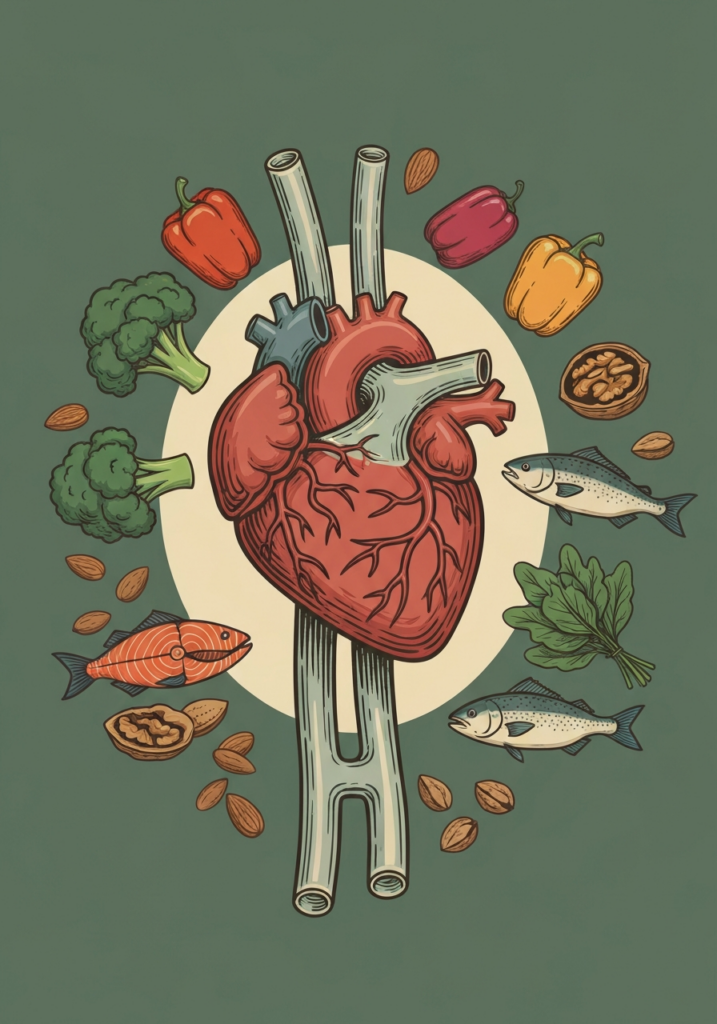
This plaque can become unstable and rupture, leading to the formation of a blood clot. If a clot blocks an artery supplying blood to the heart, it can cause a heart attack. If it blocks an artery to the brain, it can cause a stroke.
Therefore, managing your cholesterol is a critical step in preventing cardiovascular disease. Lowering your high cholesterol levels can slow, stop, or even reverse the buildup of plaque in your artery walls, significantly reducing your risk of a major cardiac event.
Early Warning Signs and Risk Factors
One of the most challenging aspects of high cholesterol is that it usually presents no early warning signs or symptoms. You can feel perfectly healthy while having high levels of cholesterol building up in your arteries. This is why regular blood tests are so important, especially as you get older.
Several risk factors can increase your likelihood of developing high cholesterol. Some of these you can control, while others you cannot. It’s a common myth that diet is the only factor; genetics and other health conditions also play a significant role.
Key risk factors include:
- A diet high in saturated and trans fats
- A sedentary lifestyle with low physical activity
- Family history of high cholesterol or heart disease
- Being overweight or having a large waist circumference
- High blood pressure
- Smoking
Lifestyle Changes for Lower Cholesterol
The most powerful tool you have to lower cholesterol is making positive lifestyle changes. Adopting a healthy lifestyle doesn’t have to be overwhelming. Simple shifts in your daily habits, such as what you eat and how much you move, can lead to significant improvements.

Achieving and maintaining a healthy weight through diet and regular exercise is a cornerstone of cholesterol management. Even a modest weight loss can make a big difference in your numbers. Let’s look at some heart-healthy habits and how to build a routine you can stick with.
Adopting Heart-Healthy Habits
Embracing a healthy lifestyle is fundamental to improving your heart health. Your daily choices have a direct impact on your cholesterol levels and blood pressure. The goal is to build habits that support your cardiovascular system for the long haul.
Making these changes can be easier than you think. For example, quitting smoking is one of the best things you can do. Smoking lowers your “good” HDL cholesterol and damages your arteries, compounding the risks associated with high cholesterol.
Here are some other heart-healthy habits to adopt:
- Increase your daily physical activity.
- Follow a healthy eating plan rich in fruits, vegetables, and whole grains.
- Limit your intake of red meat and processed foods.
- Manage your weight to reduce strain on your heart.
- Limit alcohol consumption.
- Pay attention to food labels to make smarter choices.
Creating a Sustainable Daily Routine
The key to success with any lifestyle changes is consistency. Creating a sustainable daily routine helps turn healthy actions into lifelong habits. Instead of making drastic changes all at once, try incorporating one or two new habits at a time. For example, start by adding a 15-minute walk to your day or swapping one processed snack for a piece of fruit.
A crucial part of building this routine is understanding your own preferences. If you dislike a certain type of exercise, you’re unlikely to stick with it. Find physical activities you genuinely enjoy. The same goes for food; explore different healthy recipes to keep your meals interesting and satisfying.
Working toward healthy cholesterol levels is a journey. Your routine should be flexible enough to accommodate your life while keeping your health goals in focus. These small, consistent lifestyle changes will help you manage your cholesterol and blood pressure effectively.
Foods That Help Reduce Cholesterol Levels
Your diet plays a massive role in managing your cholesterol level. The foundation of healthy eating to lower cholesterol is reducing your intake of saturated and trans fats. These unhealthy fats are the primary dietary culprits that raise bad cholesterol.
Instead, focus on incorporating more healthy fats, like monounsaturated and polyunsaturated fats, and fiber-rich foods into your meals. Making smart food swaps is one of the most effective strategies for improving your numbers. Below, we’ll explore which foods to add to your plate and which to limit.
Best Foods to Add to Your Diet
To effectively lower your cholesterol, focus on eating a variety of fresh, unprocessed foods. A diet rich in soluble fiber is particularly beneficial, as it can reduce the absorption of cholesterol into your bloodstream. Foods like oats, barley, and kidney beans are excellent sources.
Unsaturated fats can also help improve your cholesterol profile by lowering LDL and raising HDL. Think about cooking with olive oil or other vegetable oils instead of butter. Fatty fish, nuts, and avocados are other great sources of these heart-protective fats.
Incorporate these foods into your diet for better cholesterol control:
- Whole grains like oats and barley
- Fatty fish such as salmon, sardines, and tuna
- Nuts, seeds, and avocados
- Legumes like kidney beans, lentils, and chickpeas
- Fruits and vegetables
- Cooking with healthy oils like olive oil and canola oil
- Foods fortified with plant sterols
Foods to Avoid for Lower Cholesterol
Just as important as adding good foods is knowing which ones to limit to achieve healthy cholesterol levels. The main type of fat to watch out for is saturated fat, which is known to raise bad LDL cholesterol. It’s commonly found in animal products and some tropical oils.
You should also avoid trans fats, often listed as “partially hydrogenated oils” on ingredient labels. These are typically found in fried foods, commercial baked goods, and some margarines. Reducing your consumption of highly processed foods, sugary drinks, and too much alcohol can also contribute to better cholesterol numbers.
To lower your cholesterol, limit or avoid these items:
- Red meat and processed meats like bacon and salami
- Full-fat dairy products like butter, cream, and cheese
- Fried foods and many commercial pastries
- Oils high in saturated fat, such as coconut oil and palm oil
- Sugary drinks and foods with lots of added sugar
- Excessive alcohol
Exercise and Physical Activity for Cholesterol Control
Regular exercise is another powerful strategy to lower cholesterol and improve your heart health. Physical activity helps raise your levels of HDL, the “good” cholesterol that works to clear bad cholesterol from your arteries. Even moderate exercise can make a noticeable difference.
Aiming for at least 150 minutes of moderate-intensity activity per week can help you manage your cholesterol level and maintain a healthy weight. Activities like brisk walking are simple, effective, and easy to fit into your schedule. Let’s look at some of the best exercises and how to stay motivated.
Effective Types of Exercise
When it comes to exercise for heart health, consistency is more important than intensity. The goal is to get your heart rate up and keep your body moving. You don’t need a gym membership or fancy equipment to get started.
Activities that engage large muscle groups are particularly effective. Aerobic exercises like brisk walking, swimming, or cycling are excellent choices. Even vigorous yard work can count toward your weekly goal. The key is to find something you enjoy, which will help you stick with it.
Consider incorporating these activities into your routine to improve your cholesterol numbers:
- Brisk walking for 30 minutes a day
- Cycling or using a stationary bike
- Swimming laps
- Jogging or running
- Dancing
- Vigorous gardening or yard work
Tips for Staying Motivated
Starting an exercise routine is one thing; sticking with it is another. Motivation can ebb and flow, so having strategies in place can help you stay on track with your healthy lifestyle goals and lower cholesterol. One of the best tips is to choose an activity you genuinely find fun.
Setting realistic goals is also crucial. If you’re just starting, aim for 10-15 minutes of physical activity a day and gradually increase the duration. Tracking your progress, whether it’s distance, time, or simply how you feel, can provide a great sense of accomplishment.
Here are a few more tips to keep you moving:
- Exercise with a friend or family member for accountability.
- Schedule your workouts like any other important appointment.
- Create a playlist of your favorite music to energize you.
- Celebrate small milestones along the way.
- Listen to your body and allow for rest days.
- Discuss your goals with your health care team for support.
Conclusion
In summary, maintaining healthy cholesterol levels is vital for overall heart health and well-being. By understanding the types of cholesterol and implementing effective lifestyle changes, including heart-healthy foods and regular exercise, you can take significant steps toward lowering your cholesterol. Remember, small, consistent changes can lead to lasting results. Prioritize your health by making informed choices that benefit not only your cholesterol levels but also your entire body. If you’re ready to take control of your health journey, don’t hesitate to reach out for personalized guidance and support. Together, we can work towards a healthier future!
Frequently Asked Questions
Can losing weight really lower cholesterol?
Yes, absolutely. Losing weight can have a positive impact on your cholesterol level. Even a modest weight loss of 5% to 10% of your body weight may help improve your total cholesterol numbers, raise good HDL cholesterol, and lower bad LDL cholesterol and triglycerides.
Are medications necessary for everyone with high cholesterol?
Not always. A health care professional will assess your overall risk based on blood tests and other factors. For many people, lifestyle changes alone are enough to bring cholesterol numbers into a healthy range. Medication may be prescribed if these changes aren’t sufficient or if your risk is very high.
How quickly can I expect results with diet and exercise?
With consistent diet and exercise, some people see an improvement in their cholesterol numbers in as little as a few months. However, making a significant and lasting impact takes time. The goal is to adopt these changes for the long term to maintain a healthy range.
https://doi.org/10.1136/bmj-2020-054370
https://www.heartfoundation.org.au/healthy-living/healthy-eating-information