
Discover the Importance of Drinking Water for Your Health
Key Highlights
- Proper water intake is essential for your overall health, as your body is made up of around 60% water.
- The health benefits of staying hydrated include regulating body temperature, lubricating joints, and aiding digestion.
- Your daily water intake supports vital organ functions, helping to prevent kidney stones and protecting sensitive tissues.
- Adequate fluid intake can boost physical performance, improve cognitive function, and support weight management.
- To maintain good health, it is important to drink water throughout the day to replenish fluids lost through normal bodily functions.
Introduction
Have you ever stopped to think about why drinking enough water is so important? It’s a simple daily habit, but one that has a massive impact on your overall health. Every cell, tissue, and organ in your body relies on proper water intake to function correctly. From keeping you energized to supporting your skin, getting the right amount of water is one of the easiest and most effective things you can do for your well-being. Let’s explore why this clear, simple liquid is so vital.
Why Water Is Essential for Overall Health
Water is much more than just a way to quench your thirst; it’s a fundamental component of a healthy life. Your body’s fluids, which transport nutrients and flush out waste, are primarily made of water. When you drink water consistently, you’re actively supporting these critical processes and unlocking numerous health benefits.
Choosing plain water over other beverages ensures you get hydration without unnecessary calories. Proper fluid intake is the cornerstone of good health, influencing everything from your energy levels to organ function. We will now look at the specific ways water keeps your body running smoothly.
Role of Water in Body Functions
Water is a key player in many of your essential bodily functions. One of its most important jobs is regulating your body temperature. When you get hot, your body releases sweat, which is mostly water. As this sweat evaporates, it cools you down. Without enough water, your body can’t manage heat effectively, increasing your risk of heat strain.
Furthermore, water is crucial for maintaining your joints. The cartilage in your joints and spinal discs contains about 80% water, acting as a natural shock absorber. When you don’t replace fluid loss, this cushioning ability can decrease, potentially leading to joint discomfort over time.
Your digestive system also heavily depends on water to work correctly. Dehydration can lead to issues like constipation and an overly acidic stomach. Maintaining a healthy body weight is also easier with adequate water, as it supports metabolism and helps you feel full.
Impact of Hydration on Physical Performance
Staying hydrated is absolutely critical if you engage in any form of physical activity. During intense exercise, your body can lose a significant amount of water through sweat. If you don’t replenish these fluids, your physical performance can take a serious hit. Even mild dehydration can negatively affect your strength, power, and endurance.
For athletes or anyone participating in endurance training, the effects are even more pronounced. Dehydration can lead to more severe issues during exercise, including a drop in blood pressure and overheating. Some negative effects of not drinking enough water during physical exertion include:
- Reduced performance in activities lasting longer than 30 minutes.
- Increased risk of serious conditions like hyperthermia.
- Decreased strength and endurance.
While some turn to sports drinks, plain water is often the best choice for rehydration during most activities. Ensuring you drink plenty of water before, during, and after exercise helps you perform at your best and stay safe.
How Water Supports Vital Organs
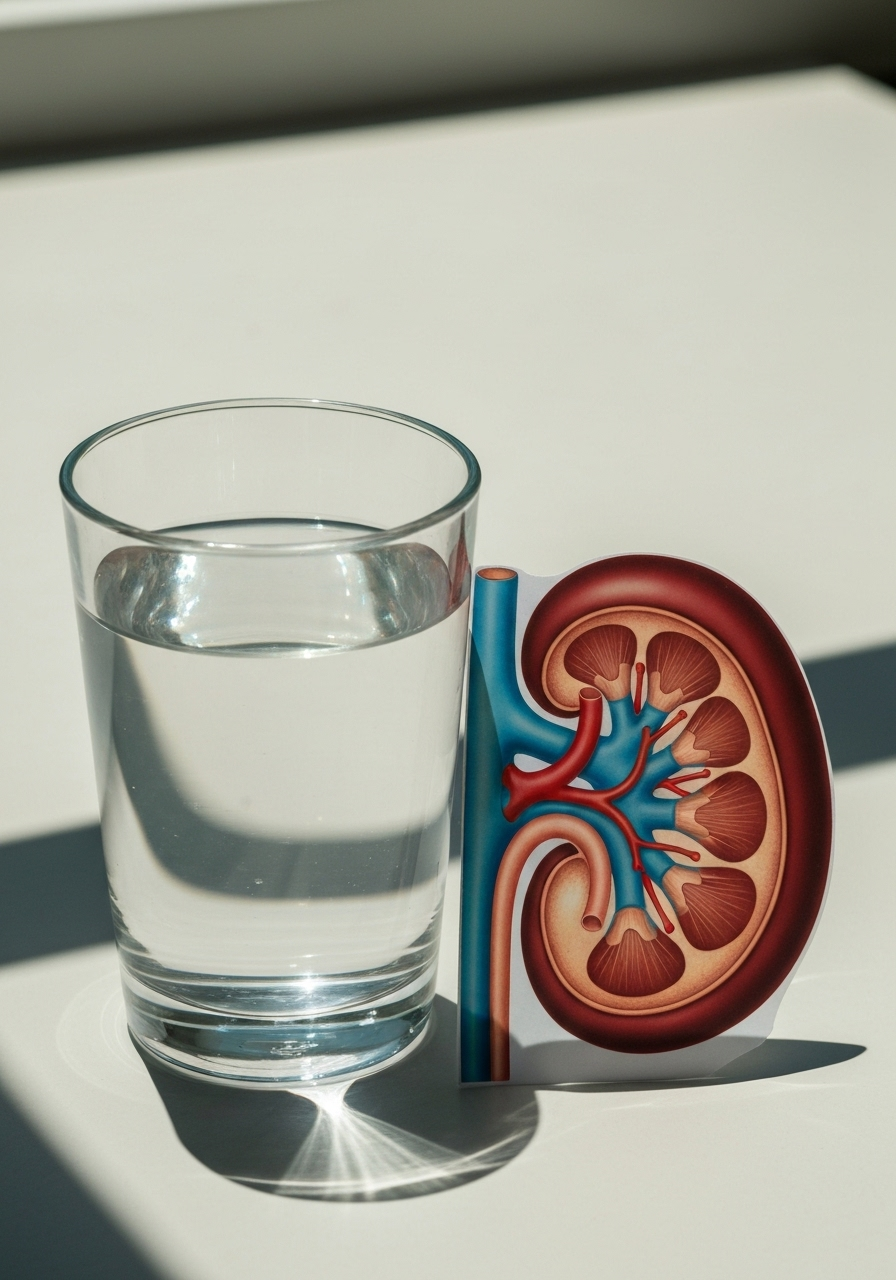
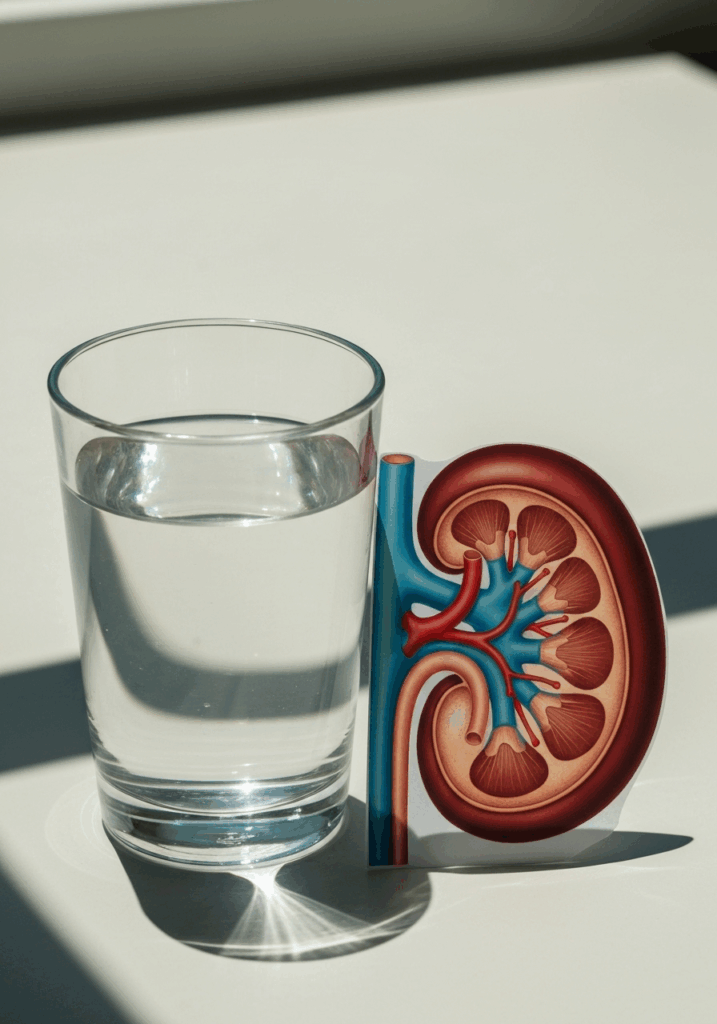
Proper hydration offers incredible health benefits by directly supporting your vital organs. Your kidneys, for example, rely on a steady supply of water to regulate fluids and filter waste from your blood. Insufficient water intake can increase the risk of developing painful kidney stones and other related problems.
Water also plays a protective role for other sensitive tissues in your body. It cushions the brain and spinal cord, which is essential for their proper function. Dehydration can actually affect brain structure and is involved in the production of hormones and neurotransmitters. This means that staying hydrated helps protect these critical parts of your nervous system.
Additionally, keeping your body well-hydrated helps prevent other issues like urinary tract infections by ensuring waste is flushed out regularly. By simply drinking enough water, you help your organs perform their jobs efficiently and protect your body from potential harm.
Key Benefits of Staying Hydrated Daily
The health benefits of good hydration extend into almost every aspect of your daily life. When you make it a habit to drink water regularly, you’re not just quenching thirst—you’re actively boosting your physical and mental well-being. Choosing plain water is a simple, calorie-free way to achieve this.
From feeling more energetic to thinking more clearly, the positive effects are hard to ignore. Let’s examine some of the key benefits you can expect when you prioritize staying hydrated each day.
Energy Levels and Cognitive Function
Did you know that your brain health is directly linked to your hydration status? Proper hydration is key for staying sharp and maintaining optimal cognitive function. Research shows that not drinking enough water can negatively impact your focus, alertness, and even your short-term memory.
Even mild dehydration can lead to fatigue, confusion, and anxiety, which can drain your energy levels. A boost in your metabolism has been associated with a positive impact on your energy, and studies have shown that drinking water can increase your metabolic rate. Some of the cognitive effects of dehydration include:
- Difficulty with focus and alertness
- Impaired short-term memory
- Feelings of fatigue and confusion
The next time you feel a slump in your day, reaching for a glass of water might be just what you need. It’s a simple way to support your brain and keep your energy levels up.
Weight Management and Metabolism
If you’re looking to manage your weight, water can be a powerful ally. Studies have linked increased water consumption with weight loss and reduced body fat, especially when combined with diet and exercise. One way it helps is by giving your metabolism a natural boost. Drinking water can temporarily increase your metabolic rate, helping your body burn calories more efficiently.
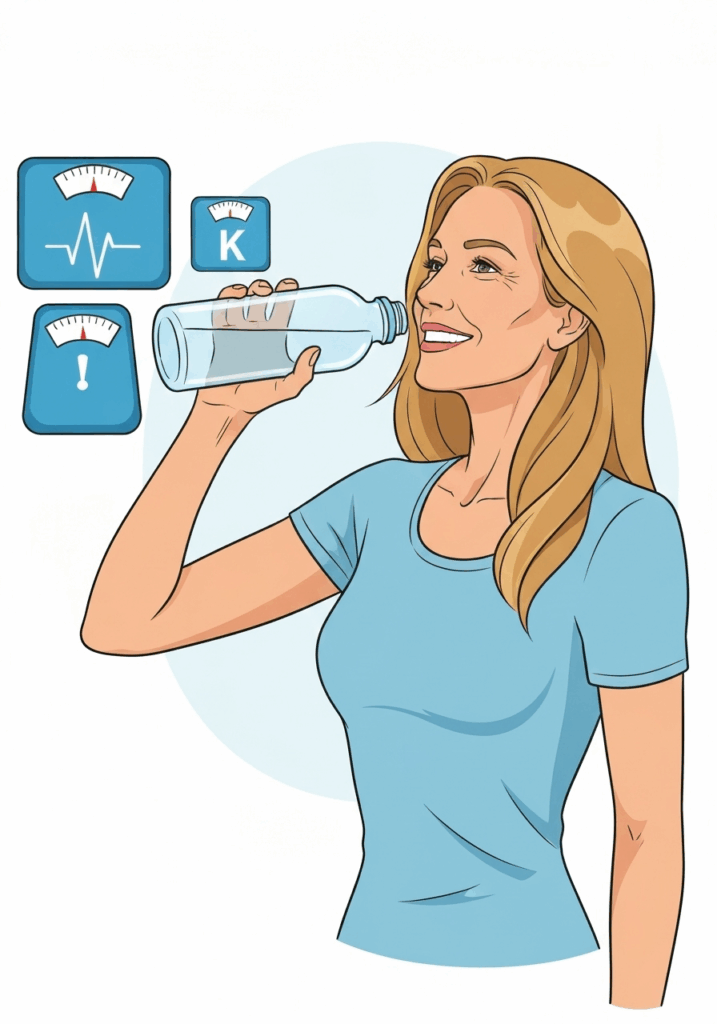
Another significant benefit comes from choosing water over caloric beverages. Sugary sodas, juices, and other sweetened drinks can add a lot of empty calories to your diet. When you drink water instead, you hydrate your body without adding to your daily calorie count, which can help you lose extra pounds.
Preloading with water before meals can also be an effective strategy. Drinking a glass of water before you eat can create a sense of fullness, which may help you avoid overeating. This simple habit makes it easier to manage your portions and support your weight loss goals.
Skin Health and Detoxification
Adequate water intake is a key component of maintaining great skin health. When you’re hydrated, it helps improve your skin barrier function, making your skin less vulnerable to damage and disorders. While water alone won’t erase the effects of aging, it does help keep your skin hydrated and may promote collagen production, contributing to a brighter look.
Water is also essential for your body’s natural detoxification processes. Your body fluids are responsible for carrying waste products out of your cells. Water is needed for sweating and for the removal of urine and feces, which are primary ways your body flushes out toxins.
Foods with high water content, like fruits and vegetables, also contribute to your hydration and skin health. By ensuring you get enough water every day, you’re supporting your body’s ability to cleanse itself from the inside out and helping your skin stay healthy and resilient.
Recommended Water Intake and Individual Needs
You might be wondering, “How much water should I actually be drinking?” The truth is, there isn’t a single answer that fits everyone. The ideal amount of water you need each day depends on several personal factors. Achieving adequate hydration is about understanding your unique needs.
Your age, sex, activity level, and even the climate you live in all play a role in your daily water consumption requirements. Let’s break down these factors to help you figure out how to get enough water for your body.
Factors That Influence Daily Requirements
Your daily water needs are unique and can change based on your lifestyle and environment. Your activity level is one of the biggest factors; the more physical activity you do, the more you sweat, leading to greater fluid loss that needs to be replaced. Your body size and body weight also influence how much water you need, as larger bodies typically require more water to function.
The climate you live in matters, too. Hot or humid weather causes you to sweat more, increasing your fluid requirements. Similarly, if you have a fever, diarrhea, or are vomiting, your body loses fluids faster, and you’ll need to drink more water to compensate.
Understanding these influences can help you adjust your water intake accordingly. Here are some key factors that can increase your need for water:
| Factor | Why It Increases Water Needs |
|---|---|
| Physical Activity | You lose water through sweat and need to replenish it. |
| Hot Climate | Higher temperatures cause more sweating and fluid loss. |
| Illness | Fever, vomiting, or diarrhea lead to significant fluid loss. |
| Overall Health | Certain health conditions can affect your fluid balance. |
Differences in Water Needs Between Adults, Children, Men, and Women
Water needs vary significantly across different life stages and between sexes. According to the Academy of Nutrition and Dietetics, the average recommended daily water intake, including water from food and beverages, is different for men and women. Men should aim for about 15.5 cups (3.6 liters) per day, while women should aim for 11.5 cups (2.7 liters) per day.
Children and young adults also have different requirements. For children, the recommendation ranges from 5 to 11 cups daily, depending on their age and activity level. It’s important to ensure they are getting enough fluid throughout the day, especially when they are active.
As people age, their sense of thirst can diminish, which means older adults might not realize they are dehydrated. Despite this, their need for water remains crucial for overall health. It’s important for people of all ages—from young adults to seniors—to be mindful of their daily water intake to stay properly hydrated.
Conclusion
In conclusion, staying hydrated is vital for maintaining overall health and well-being. Water plays a crucial role in various bodily functions, influences physical performance, and supports vital organs. By understanding your individual hydration needs and recognizing the benefits of adequate water intake, you can enhance your energy levels, cognitive function, and even skin health. Remember, each person’s water requirement can vary based on several factors, including age, gender, and activity level. Make it a priority to drink enough water daily to reap the numerous health benefits it offers. If you’re ready to take the next step towards better hydration, get a free consultation with our experts today!
Frequently Asked Questions
What are signs of dehydration to watch for?
Signs of fluid loss and mild dehydration include feeling thirsty, fatigue, and experiencing headache symptoms. A key indicator is the color of your urine; dark-colored urine suggests you need more water, while pale or clear urine typically means you’re hydrated. Dehydration can also affect your bowel movements, leading to constipation.
Can drinking more water help with blood sugar management?
While water is essential for overall health, its direct impact on blood sugar and diabetes management is part of a larger picture. Proper water intake helps your kidneys flush out waste and supports all bodily functions. Maintaining good health is crucial when managing any condition, and hydration provides widespread health benefits that support your entire system.
How much water should I drink every day for optimal health?
For optimal health, dietary reference intakes suggest a daily water intake of about 15.5 cups of water for men and 11.5 cups for women. This includes all fluids from plain water, other beverages, and food. Your individual needs may vary based on activity, age, and health.
https://doi.org/10.1111/j.1753-4887.2010.00304.x
https://doi.org/10.1097/00005768-200105000-00011
https://doi.org/10.1080/08035250500254670
https://www.ncbi.nlm.nih.gov/books/NBK482447
https://academic.oup.com/nutritionreviews/article/73/suppl_2/97/1930742