

Understanding Jet Lag Symptoms and Remedies for Travelers

Key Highlights
- Jet lag is a disruption to your circadian rhythm caused by rapid travel across multiple time zones.
- Symptoms of jet lag include sleep problems, daytime fatigue, mood changes, and stomach issues.
- Crossing time zones affects your body’s internal clock, leading to misalignment with the local time.
- Distinguish jet lag from standard travel fatigue, as they have different causes and durations.
- Uncover remedies such as light exposure, melatonin, and adjusting sleep schedules to counter jet lag.
- Gain insights into recovery strategies and FAQs for travelers of all ages and backgrounds.
Have you ever woken up not knowing where you are after a long flight? Jet lag is a thing that many people who travel often deal with. It messes up your sleep, energy, and how you feel each day. Your internal clock needs time to get used to new places, and that is when things like insomnia or mood swings can happen. This is not the same as basic travel fatigue. Jet lag starts because your body is not in sync after moving across time zones. If you learn about what causes jet lag and how to fix it, you will be able to handle it better. This way, your trips can be more fun and smooth.
What Is Jet Lag?
Jet lag happens when your body’s internal clock, called your circadian rhythm, gets thrown off because of moving to a new time zone, often leading to symptoms of jet leg. This clock helps control things like when you sleep, the way your body releases hormones, and your metabolism. It also helps your body stay on track with the change from day to night.
When a person travels across three or more time zones, your body and your internal clock have a hard time catching up with the new time. Because of this, you may feel tired, find it hard to sleep, or notice changes in your mood. Eastward travel usually makes jet lag worse than when you travel west.
How Jet Lag Affects the Body’s Internal Clock
The body’s internal clock, known as the circadian rhythm, runs on a 24-hour cycle. It controls things like your sleep and how awake you feel during the daylight hours. The circadian clock is tuned to match your local time zone using signals like daylight and darkness. When you take air travel across time zones, these signals get mixed up, so your body’s internal clock no longer matches your new location.
Crossing more than one time zone changes how your body clock tells time. You may not know when to sleep or eat. If you travel west, your body clock might get delayed. If you go east, the change often happens faster, and it can be harder for you to adjust.
If your circadian rhythms get disrupted, your sleep might get worse. This can affect your immune function and lower your energy. Seeing sunlight or being in natural light helps your internal clock reset faster. How and when you get light on your body is a big deal on a long trip. Because of this strong link between time zone cues, like light, and the body’s biological processes, jet lag makes you feel tired in both your body and your mind.
Differences Between Jet Lag and General Travel Fatigue
Jet lag and travel fatigue may seem the same, but they are not. Jet lag happens when your body’s circadian rhythm is disturbed, usually when you go to a different time zone. Travel fatigue, often exacerbated by the conditions in airplane cabins, comes from the physical strain of air travel. These two are different, even if some things about them can look the same.
Common Symptoms of Jet Lag
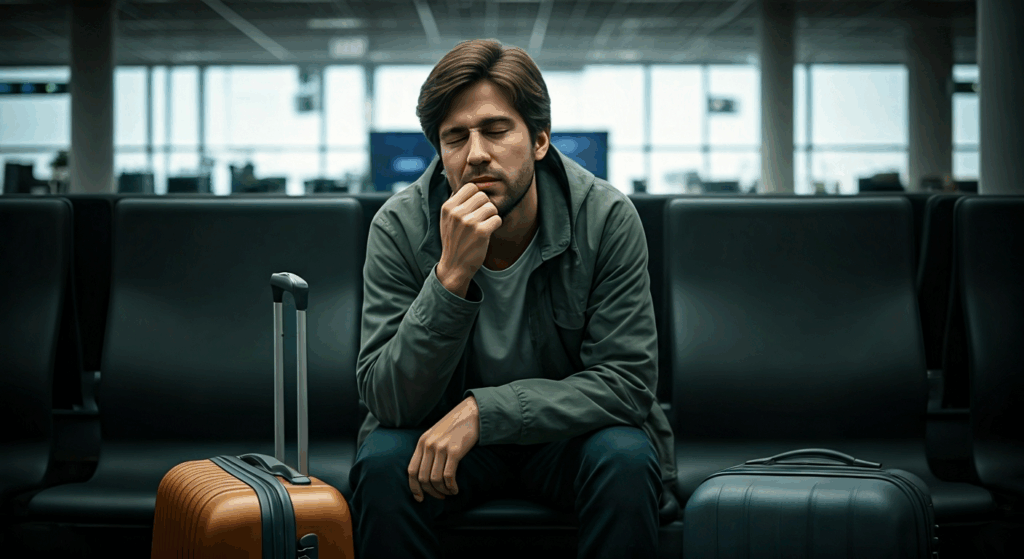
Many people get irritable or have mood swings, which may include irritability. You may also find it harder to be alert during the day. Physically, the symptoms of jet lag can lead to stomach problems such as nausea or even constipation. If your body clock stays out of sync, it can last for several days or even weeks. This mismatch can make it hard to do your best.
Physical Symptoms to Watch For
When jet lag shows up, there can be a lot of physical problems, from some small discomfort to issues that make it hard to do anything. If you know what these signs are, you will be able to deal with them in a better way:
- Dehydration: Long flights with pressurized cabins take fluids out of your body, so you can get dehydrated.
- Headaches: If your sleep is not regular and you have stress from the travel and the new place, you might get headaches or even migraines.
- Stomach Problems: You may get a bad stomach, and common problems are having less appetite, constipation, nausea, or even issues like irritable bowel syndrome.
- Fatigue and Weakness: When your body clock is off, it can be hard to have energy. It makes you feel tired and weak.
When you sit for a long time on the flight, and with the way things are inside the plane, all these symptoms can get worse. To help with this, the best way is to stay up and move a bit during the flight, and make sure to drink water often. If you do these things, you will help fight off the physical problems of jet lag. Being ready and looking out for these signs can make jet lag much easier for your body to deal with.
Mental and Emotional Effects of Jet Lag
Jet lag can hit your body and your mind. It can mess with your mood, making you feel irritable or have mood swings because your circadian rhythm is off.
It can be hard to think clearly or remember things. You may not feel as alert during the day. This makes it tough to keep up with work on business trips, or get the most out of sightseeing when you travel. If you already have things like anxiety or depression, jet lag can make them worse and cause more emotional ups and downs.
When these mental effects show up, they not only cut into your work, but also make it harder for you to enjoy traveling. But there are ways to feel better. You can work on both the body and mind by using light exposure, sleep aids, and making healthy choices. These things can help make jet lag less of a problem for you.
Main Causes and Risk Factors of Jet Lag
Several things can make you more likely to get jet lag. These include flying over many time zones quickly and the way you travel. Going east often makes it worse, as your body’s internal clock finds it hard to keep up.
Your internal clock and immune function feel stress when your circadian rhythm tries to match new daylight and nighttime hours. Poor sleep before flying, being very stressed, or drinking alcohol or caffeine can also raise your risk for jet lag. These things show why it is important to prepare well before a long trip.
Impact of Crossing Time Zones
When you travel to a new place in a different time zone, your internal body clock gets out of sync with the local day and night pattern. This out-of-sync feeling can mess with important things in your body, like how you use energy, how well your immune system works, and how you feel.
| Time Zones Crossed | Impact on Circadian Rhythm |
|---|---|
| 1–2 zones | You get a little out of sync but get used to it quickly. |
| 3–5 zones | You notice the change. It’s harder to sleep, and you may feel tired. |
| 6+ zones | Your body clock is way off, and it takes a lot longer to feel normal. |
How bad jet lag symptoms get will depend on the way you are traveling. When you travel east, it cuts the length of your body clock’s natural day, which is tough for most people and makes adjusting harder. If you go west, your body clock’s day gets longer, so most people find it easier to handle. Knowing how time zones and travel impact your circadian rhythm and body clock can help you make better choices to beat jet lag in your new location.
Influence of Flight Direction, Duration, and Personal Factors
The direction you travel to Europe can change how bad your jet lag is. If you go east, your body clock has to move to an earlier time. This can make jet lag symptoms worse for most people. If you fly west, you get more time to adjust, so it is usually easier on your body.
How long you are on the plane also matters for jet lag. Long flights give your body more chances to get out of sync with the new time zone. Short flights do not do this as much, so you may feel better. Your age and health can also have an effect. Older people can have a harder time getting used to new times.
Some people, like business travelers and flight attendants, go back and forth between different time zones often. They might get jet lag all the time because their body clocks keep changing. Knowing about these things can help you work out the best way to handle jet lag for your own trips.
Effective Remedies to Overcome Jet Lag

Start by moving your sleep hours closer to the time of day or night you will have at your new place before you leave. This will help your body handle the new time, so you don’t feel out of sync when you get there. Spend time in daylight or use artificial light, because both will help your internal clock get used to the new time faster. These easy steps can help you get your energy back and make your trip go more smoothly.
Adjusting Sleep Schedules Before Departure
To beat jet lag, try to change your sleep schedule a bit before your trip. Start going to bed closer to the nighttime of your new time zone in the days before you leave. This helps your body time clock and circadian rhythm move with your travel plans.
If you are traveling east, go to bed one hour earlier each day. If you are going west, do the opposite by going to bed later. This will help your body get used to the new time more easily and make the switch to the new time zone smoother.
You also need to change your wake-up time and the things you do during the day. Keeping up with this plan takes some work, but it helps a lot. When you make these changes, you will lower your risk of jet lag and make it easier for your body to handle the new time after you arrive.
The Role of Light Exposure and Melatonin
Getting the right light exposure plays a big role in resetting your circadian rhythm. When you move to a new time zone, being outside in natural daylight during the right hours helps your body adjust faster to the new time. Engaging in physical activity can also be beneficial for this adjustment. If you can’t get daylight, then you can use artificial light, like therapy lamps, to help.
Melatonin supplements can give you extra support. They make it easier to get your sleep schedule back on track and help tell your body when it is the right time for rest. Taking melatonin at the correct time—often about 30 minutes before bedtime—helps your body make its sleep hormone in a natural way.
If you plan to use melatonin, you should talk with your healthcare provider, especially if you travel a lot to different time zones. The timing matters a lot. Using light exposure or any supplement at the wrong time can make your circadian rhythm even more out of sync.
Practical Tips for Preventing Jet Lag
You can lower the effects of jet lag on your trips with some easy steps. Keep your body clock working well by staying hydrated, skipping caffeine, and moving around when you are on a flight. Avoid the temptation of taking long naps and spending time in the daylight after you get there will also help with jet lag.
If you try to keep your circadian rhythm in sync before and while you travel, you will move into a new time zone with less trouble, aligning it with your home time zone. Little changes in your daily habits, like getting more light exposure, eating better foods, and using melatonin, can help stop jet lag from taking over. All of these steps work together to keep you feeling good and rested.
In-Flight Habits for Healthier Travel
Adopting some good habits when you fly can help you handle jet lag better:
- Hydration: Drink lots of water to fight off dehydration from being in a plane cabin.
- Smart Snacking: Pick fruits and veggies instead of meals that have too much fat.
- Caffeine Management: Try not to have too much caffeine, because it can mess with your sleep.
- Physical Movement: Stand, stretch, or walk from time to time to keep your blood moving.
- Power Naps: If you take a nap, keep it under 30 minutes so you do not end up with worse jet lag.
When you are in a flight, jet lag symptoms can get worse for people. But making some simple changes to how you travel can help lower dehydration and help you feel better. This way, you get a much better and healthier travel experience.
Post-Arrival Strategies for Faster Recovery
After you land in a new time zone, there are some easy things you can do to help your body get used to the new time faster:
- Synchronize Meals: Try to eat your meals at the same times as people do in that place so your appetite gets used to the new time.
- Daylight Exposure: Go outside and spend some time in daylight to help your sleep and wake times match the new days there.
- Consistent Sleep Schedule: Make sure to get a good night’s sleep in the new time zone to help your body adjust.
- Limit Alcohol and Caffeine: Stay away from alcohol and caffeine, since these can make it harder for your body to recover from jet lag.
Doing these things right away can make it easier and quicker to adapt, which means you will deal with fewer jet lag symptoms and enjoy your trip more.
Jet lag can be tough for many people who travel. It can make you feel tired in your body and in your mind. If you know what jet lag is and why it happens, you can do a lot to help yourself feel better. As Eileen Wong, MD suggests, you can start by changing your sleep before you leave. You can also use light exposure and take melatonin the right way to help your body get used to a new time zone. These can be good ways to lower the effects of jet lag.
It is also smart to have some good habits during your flight and when you first get there. This will help your body recover faster. You will feel better and enjoy your trip more if you plan ahead. You do not have to let jet lag slow you down. Use these tips on your next trip to make your travels better. If you want ideas for your trip or need a plan made just for you, you can reach out and ask for help!
Frequently Asked Questions
How long does jet lag usually last?
Jet lag symptoms often stay with you for about 1 to 1.5 days for each time zone you cross, and your jet lag experience can vary widely. How long jet lag lasts can be different for everyone. It can depend on your age, health, and how the flight went. Using light exposure at the right time, taking melatonin, and getting in sync with the local time can help you get over jet lag faster.
Are there any medications or supplements that help with jet lag?
Melatonin can help with jet lag when you take it at the right time. This is because it works with your circadian clock. You should talk to a healthcare provider before you use melatonin. Some sleep aids, including tablets, might help you feel better. But, they do not fix the main problem with your circadian clock.
Can children and older adults experience jet lag differently?
Jet lag affects children and older people in different ways. Children and younger people often get over it fast. However, older adults may have jet lag symptoms for a longer time. This can happen because their sleep and body’s clock change as they get older. The best way to deal with jet lag is to use plans that fit your age and health.
What should I avoid eating or drinking to reduce jet lag?
Stay away from alcohol and caffeine. These can mess with your sleep and make you lose more water. Try to eat light meals that are full of fruits and vegetables. Do not choose heavy snacks. This will help with your digestion and let your body get used to the new time zone faster. These steps can also help you when you have to be in a new time zone.
When should I see a doctor about my jet lag symptoms?
If you still have strong sleep problems or other side effects from jet lag after two weeks, you should talk to a healthcare provider. If these issues keep going, it could mean there is something else wrong that needs to be checked. Getting help early can help you get better faster and stop bigger problems from happening later.
https://pubmed.ncbi.nlm.nih.gov/18041480
https://order.store.mayoclinic.com/flex/mmv/hremed1
https://order.store.mayoclinic.com/flex/mmv/incon01
https://wwwnc.cdc.gov/travel/yellowbook/2024/air-land-sea/jet-lag
https://order.store.mayoclinic.com/flex/mmv/HLFBOOK
https://wwwnc.cdc.gov/travel/page/jet-lag