


Understanding Children’s Health: Key Trends and Insights

Key Highlights
- Nutrition is fundamental for a child’s immunity, brain function, and energy, impacting their overall child development. At different ages, children commonly face health concerns such as nutritional deficiencies in early childhood, obesity risk in later years, and allergies that may develop at any stage. Regular monitoring of growth and diet helps address these issues as children mature. Daily physical activity is crucial for strengthening muscles, improving heart health, and boosting concentration. As children grow, inadequate physical activity can contribute to concerns such as poor motor skills in younger age groups and increased risk of chronic conditions like diabetes and heart disease in adolescents. Tailoring activity levels to each age group supports healthy development and prevents many of these common concerns.
- Daily physical activity is crucial for strengthening muscles, improving heart health, and boosting concentration.
- Sufficient sleep and strong mental health are key pillars of children’s health, influencing mood, focus, and school performance. Preventive health care, including regular check-ups and vaccinations, is essential for early detection and prevention of illnesses. For those seeking data or statistics about children’s health in the US, resources such as the Centers for Disease Control and Prevention (CDC), National Center for Health Statistics (NCHS), and the American Academy of Pediatrics provide reliable reports and insights on topics including mental health and health care trends among children.
- Preventive health care, including regular check-ups and vaccinations, is essential for early detection and prevention of illnesses.
- A child’s family, community, and environment play a significant role in their long-term health outcomes.
- Health insurance coverage is a critical factor in ensuring access to necessary pediatric health care services.
Introduction
Ensuring the well-being of your child is one of the most important goals for any parent. The foundation for lifelong wellness is built during early childhood, and understanding the key factors that influence children’s health can make a world of difference. From daily habits to the environment they grow up in, many elements combine to shape their health outcomes. This guide offers key insights into the major trends affecting your child’s health, providing you with the knowledge to support their journey to a happy and healthy life.
Major Factors Influencing Children’s Health in the United States
When considering children’s health in the United States, it’s clear that their well-being is shaped by a wide range of influences. These social determinants of health include everything from their family environment to the community they live in. Identifying these key risk factors is the first step toward creating a supportive setting for them to thrive.
Are you doing enough for your child’s health? This is a question many parents ask. Understanding these major factors allows you to be proactive in preventing future issues and promoting a healthy lifestyle. Next, we will explore the biological, family, and community elements that have a significant impact.
Biological and Genetic Determinants
Your child’s health journey begins at a foundational level with biological determinants. While you can’t change their genetic makeup, you can strongly influence how those genes are expressed through lifestyle and environment. This is especially critical during early child development when their bodies and minds are growing rapidly.
Achieving optimal health involves nurturing their inherent potential. Factors like nutrition and physical activity directly impact their biological processes, from building a strong immune system to supporting brain development. Habits established in the early years can set the stage for lifelong wellness or contribute to future health problems.
Ultimately, your actions play a huge part in steering your child’s health. Providing a healthy diet, encouraging movement, and ensuring good sleep can help mitigate potential genetic predispositions to certain conditions and support their overall well-being from the very beginning.
Family, Home, and Social Environment
The family environment is one of the most powerful influences on a child’s development. Your health habits and stress levels can shape your child’s behaviors, as children often mimic what they see at home. Providing consistent emotional support and encouragement helps build their confidence and self-esteem.
A positive and stable home life is crucial for early childhood care. When children feel safe and loved, they are better equipped to develop important social skills. Family support, such as open communication and quality time together, reduces stress and helps children feel emotionally secure, which is fundamental to their mental well-being.
Strong family bonds also promote resilience. By teaching your child coping skills, like deep breathing for relaxation, you give them tools to manage life’s pressures. A supportive network at home creates a foundation that allows them to navigate challenges at school and with peers more effectively.
Community and Environmental Exposures
A child’s surroundings have a direct impact on their physical health. The community and built environment they live in can either support or hinder their well-being. For instance, air quality is a major concern, as exposure to pollution can lead to respiratory problems like asthma.
Other environmental factors in and around the home also matter. A clean living space free of dust and allergens can prevent allergy flare-ups. Likewise, having safe surroundings, such as well-maintained playgrounds and secure neighborhoods, helps prevent accidental injuries and encourages outdoor activity, which is vital for child health.
The broader community plays a role, too. Access to parks, fresh food, and safe public spaces contributes positively to a child’s development. An environment that prioritizes safety and health provides children with the opportunity to play, explore, and grow without unnecessary risks.
The Role of Nutrition in Healthy Childhood Development
Proper nutrition is a cornerstone of healthy development in children. The food your child eats directly fuels their growth, provides energy for daily activities, and even affects their mental health. A balanced diet supports everything from brain function to immune response, setting them up for success in and out of the classroom.
Without the right nutrients, children can experience slowed growth, weakened immunity, and long-term health issues. Recognizing the powerful connection between food and well-being is the first step toward building a healthier future for your child. Let’s look at how to build a nutritious diet and navigate common challenges.
Building a Nutritious Diet for Kids
Creating a diet that supports proper nutrition doesn’t have to be complicated. The key is to focus on fresh, whole foods that provide the essential vitamins and minerals your child needs for healthy development. Home-cooked meals are a great way to control ingredients and avoid the hidden sugars and unhealthy fats often found in processed foods.
Teaching healthy eating habits early can have a lasting impact on child health. Encourage your kids to listen to their bodies—eating when they are hungry and stopping when they feel full. Social factors, like eating together as a family, can also make mealtimes a positive experience. Here are a few simple tips:
- Include a variety of foods: Offer fruits, vegetables, lean proteins, and whole grains at every meal.
- Prioritize hydration: Make sure your child drinks plenty of water throughout the day for energy and digestion.
- Swap out snacks: Replace processed, sugary snacks with healthier alternatives like nuts, yogurt, or fruit.
Making these small changes can lead to big improvements in your child’s energy, focus, and overall well-being.
Addressing Common Dietary Challenges
Many dietary challenges today stem from the widespread availability of unhealthy packaged foods. These items are often loaded with excess sugar, preservatives, and unhealthy fats, which can contribute to poor health in young children and negatively influence children’s behavior.
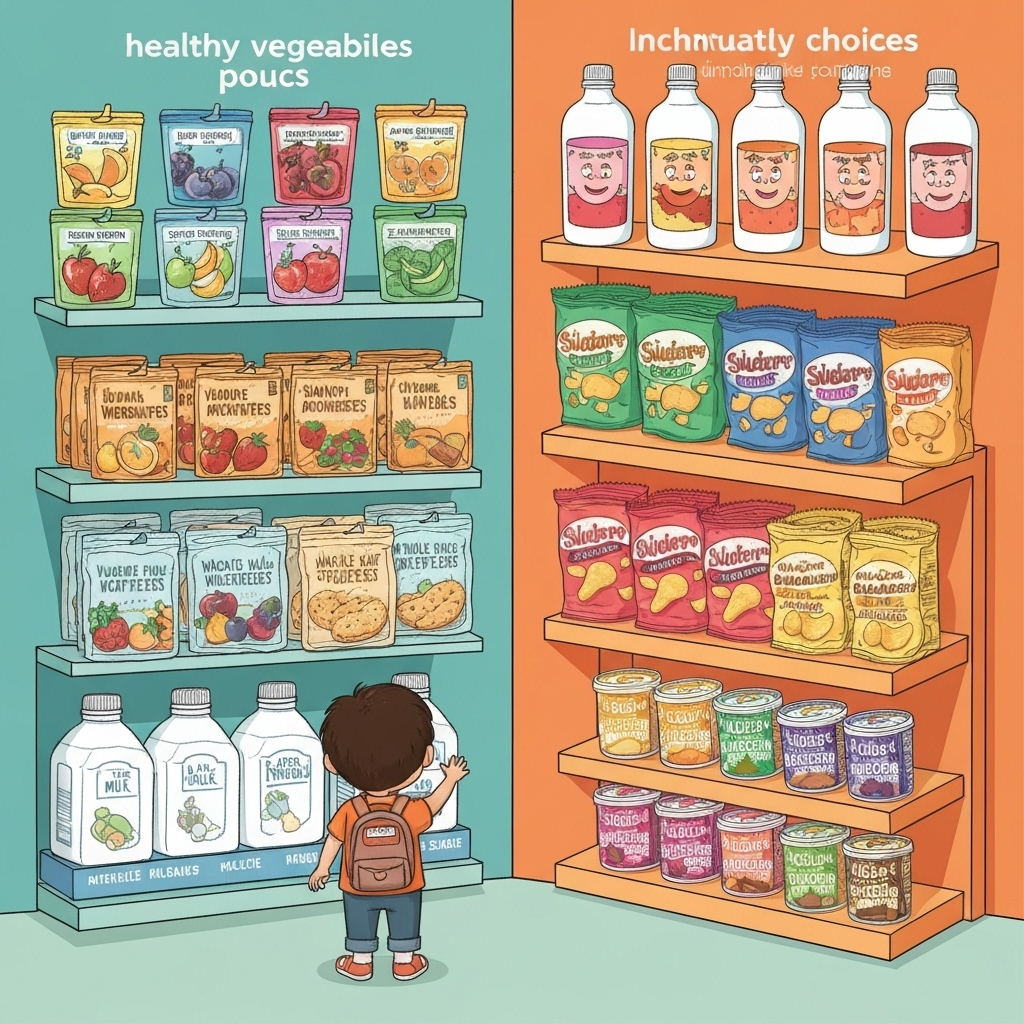
Constant consumption of these foods can lead to a host of problems. For example, mood swings and difficulty focusing can sometimes be linked to poor gut health and an unbalanced diet. These issues can affect everything from their performance in school to their interactions with friends. Common problems include:
- Weakened immunity, leading to more frequent illnesses.
- Weight gain and obesity, which increase the risk of long-term diseases.
- Digestive issues like bloating and discomfort.
By recognizing these challenges, you can take steps to limit unhealthy foods and introduce more nutritious options. This simple shift can make a significant difference in your child’s current and future health.
How Nutrition Impacts Growth and Immunity
The connection between nutrition and your child’s physical development is undeniable. The nutrients they consume are the literal building blocks for their bodies, affecting everything from bone strength to muscle growth. A diet rich in essential nutrients is vital for them to reach their full growth potential.
A strong immune system is another direct benefit of good nutrition. Vitamins like A, C, and D, along with minerals such as iron and calcium, play a critical role in helping your child’s body fight off infections. When their diet is lacking, you might notice they get sick more often, a clear sign their immunity is compromised.
Ensuring meals are balanced is key to supporting both growth and immunity. When your child’s body is well-nourished, it has the resources it needs to build strong bones, develop properly, and defend against illness. This makes nutrition a powerful tool for promoting overall child health.
Physical Activity and Healthy Habits for Children
Regular physical activity is just as important as good nutrition for children’s health. Establishing healthy habits around movement early on helps children build strong muscles, maintain good heart health, and even improve their concentration at school. These positive health behaviors also play a role in reducing emotional stress.
Unfortunately, many kids today are more sedentary than ever due to increased screen time. This can lead to low energy, poor posture, and other health concerns. Let’s explore some guidelines and practical tips to get your child moving and build a foundation for an active life.
Guidelines for Safe Physical Activity by Age
Encouraging physical activity is essential, but it’s important to ensure it’s age-appropriate and safe. The general guideline for children 6 years of age and older is at least 60 minutes of moderate-to-vigorous movement daily. However, activity needs can vary for toddlers and preschoolers.
It’s always a good idea to consult with health care services if you have concerns about your child’s fitness or motor skills. A specialist can provide personalized activity plans. For general guidance, you can refer to these recommendations.
Different types of activities support different aspects of development. Aerobic exercise is great for heart health, while bone-strengthening activities like jumping and climbing are crucial for growing bodies.
| Age Group | Recommended Daily Activity | Examples |
|---|---|---|
| Toddlers (1-2) | At least 3 hours of active play spread throughout the day | Walking, running, playing in the yard |
| Preschoolers (3-5) | At least 3 hours of active and structured play | Dancing, climbing, riding a tricycle |
| Children (6-17) | At least 60 minutes of moderate-to-vigorous activity | Sports, bike riding, swimming, running |
Practical Ways Parents Can Encourage Movement
Your parental support is one of the biggest motivators for getting your child to be more active. Children’s behavior is often a reflection of their environment, and when they see you making physical activity a priority, they are more likely to join in.

Making movement a fun and regular part of your family’s routine is key to improving child health. Instead of viewing exercise as a chore, frame it as playtime. This positive association can help build habits that last a lifetime. Here are a few easy ways to encourage more activity:
- Lead by example: Join your kids for a bike ride, walk, or game of catch.
- Make it fun: Enroll them in sports or dance classes they are genuinely interested in.
- Schedule active family time: Plan regular outings like hikes or trips to the park.
- Encourage free play: Give them unstructured time to run, climb, and explore outdoors.
These simple strategies can transform how your family views physical activity and make it an enjoyable part of daily life.
Limiting Screen Time and Encouraging Outdoor Play
In today’s digital world, managing screen time is a major challenge for parents. While technology has its place, excessive use of phones, video games, and TV can lead to a sedentary lifestyle and negatively impact the development of healthy habits.
Encouraging outdoor play is a powerful antidote to too much screen time. Playing outside not only gets children moving but also provides essential Vitamin D from sunlight and improves coordination. It also helps build social capital as they interact with other children. Some negative effects of too much screen time include:
- Weight gain and poor posture.
- Poor sleep quality and increased stress.
- Delayed motor skill development.
Setting clear limits is crucial. Replace gadget time with physical hobbies and outdoor adventures. By making outdoor play more appealing and accessible, you help your child build a healthier relationship with both technology and the world around them.
Preventive Healthcare Measures Every Child Needs
Proactive steps are always better than reactive ones, especially when it comes to your child’s health. Preventive healthcare is all about catching potential issues early and stopping illnesses before they start. This includes routine check-ups, regular vaccinations, and even proper dental care to keep them healthy.
Ensuring you have adequate health insurance coverage is a critical part of this process, as it guarantees health care access when you need it. Let’s explore some of the most important preventive measures that every child should have to support their long-term well-being.
Routine Check-Ups and Vaccinations
Regular check-ups with a pediatrician are one of the most effective preventive measures you can take for your child. These appointments allow a doctor to track their growth and development, address any concerns you have, and detect potential health issues before they become serious.
Vaccinations are another critical component of preventive care. Following the immunization schedule recommended by official government organizations and your healthcare provider protects your child from a range of serious and sometimes life-threatening illnesses. These health care services are designed to build your child’s immunity safely and effectively.
Think of these routine visits and vaccinations as an essential investment in your child’s future. By staying on top of this schedule, you are giving them the best possible defense against preventable diseases and ensuring they have a strong, healthy start in life.
Recognizing Signs of Good Health in Your Child
As a parent, you are often the first to notice when something is off with your child’s health. But it’s just as important to recognize the signs of good health. These indicators show that your efforts to support their well-being during early childhood are paying off and contributing to positive health outcomes.
A healthy child typically exhibits consistent energy levels, a strong immune system, and emotional balance. While every child is different, certain signs can give you peace of mind that they are thriving. Monitoring these indicators can help you feel confident in their overall child health.
Look for these positive signs in your child:
- Consistent energy: They have enough energy for school and play without constant fatigue.
- Strong immunity: They bounce back from common colds quickly and don’t get sick constantly.
- Emotional stability: They can manage their feelings appropriately for their age and express themselves openly.
- Healthy growth: They are meeting developmental milestones and growing at a steady pace.
Understanding Health Insurance and Access to Pediatric Care
Having reliable health insurance is fundamental to ensuring your child receives consistent and quality pediatric care. Health insurance coverage for children has improved in recent years, with data showing that only 5% of children in the U.S. were uninsured in 2023. This is an encouraging trend, as coverage makes preventive care and treatments for unexpected illnesses much more affordable.
Eligibility for different programs, such as Medicaid or the Children’s Health Insurance Program (CHIP), often depends on family income and can be checked on your state’s gov website. These programs are designed to provide low-cost or free health care access to families who qualify, ensuring no child goes without necessary medical attention.
Finding reputable pediatric care starts with your insurance network. Your provider’s directory is the best place to find in-network doctors. From there, you can research practices, read reviews, and ask for recommendations to find a pediatrician you trust to partner with you in managing your child’s health.
Conclusion
Understanding children’s health is vital for their growth and well-being. By recognizing the factors influencing their health—from genetic determinants to nutrition and physical activity—parents can take proactive steps to ensure their children thrive. Encouraging a balanced diet, promoting regular exercise, and prioritizing preventive healthcare are all essential components of maintaining a healthy lifestyle for kids. As you navigate these trends and insights, remember that fostering an environment supportive of good health can lead to lasting benefits. For more personalized advice on how to support your child’s health journey, consider reaching out for a free consultation. Together, we can create a brighter, healthier future for our children.
https://www.youtube.com/user/NLMNIH
https://www.instagram.com/patersonhealthcare
https://medlineplus.gov/ency/article/002456.htm
https://medlineplus.gov/ency/article/002013.htm
https://www.hhs.gov/vulnerability-disclosure-policy/index.html