
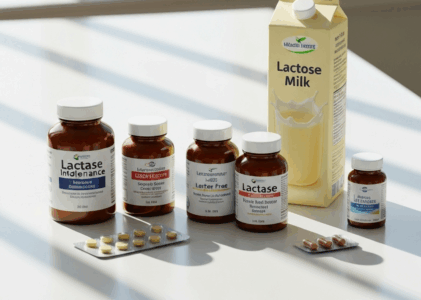
Understanding Lactose Intolerance: Best Drugs and Remedies

Key Highlights
Here’s a quick look at what you need to know about managing lactose intolerance: Lactose intolerance is a common condition where the digestive system can’t break down lactose, a sugar in dairy. When taking medications to help digest lactose, such as lactase supplements, some people may experience common side effects including bloating, gas, and mild stomach discomfort. These side effects are usually temporary and may vary from person to person.
- Lactose intolerance is a common condition where the digestive system can’t break down lactose, a sugar in dairy.
- It’s caused by a shortage of the lactase enzyme in your small intestine. Key symptoms of lactose intolerance include bloating, gas, diarrhea, and stomach pain after consuming dairy. Diagnosis is often confirmed through a hydrogen breath test or a blood test. Taking lactase tablets daily is generally considered safe for most people with lactose intolerance, as these supplements help the body break down lactose and reduce symptoms of lactose intolerance. However, it is recommended to follow the directions on the product label and consult a healthcare provider if you have any concerns or experience unusual symptoms.
- Key symptoms of lactose intolerance include bloating, gas, diarrhea, and stomach pain after consuming dairy.
- Diagnosis is often confirmed through a hydrogen breath test or a blood test.
- Management involves dietary adjustments and using over-the-counter lactase supplements.
Introduction
Do you feel bloated or uncomfortable after a glass of milk or a bowl of ice cream? If so, you’re not alone. About 36% of Americans experience lactose intolerance, a condition that affects your digestive system after you consume dairy products. Understanding what causes the common symptoms of lactose intolerance is the first step toward managing them effectively. This guide will walk you through the causes, treatments, and simple remedies to help you find relief and enjoy your food without worry. Currently, there are no prescription drugs specifically approved to treat severe lactose intolerance. However, over-the-counter lactase enzyme supplements are commonly recommended to help people digest lactose-containing foods. For those with severe symptoms, it is best to consult with a healthcare provider to discuss personalized dietary strategies and rule out any underlying conditions. If you have lactose intolerance, be aware that some medications and supplements may contain lactose as an inactive ingredient, often as a filler or binder. While most people can tolerate the small amount of lactose in most medications, individuals who are highly sensitive should check with their pharmacist or healthcare provider to avoid any medicines that could trigger symptoms.
What Is Lactose Intolerance?
At its core, lactose intolerance is a digestive issue that occurs when your body struggles to break down a type of sugar called lactose, which is found in milk and other dairy products. This inability to properly digest lactose leads to uncomfortable physical reactions. Currently, there are no prescription drugs specifically approved to treat severe lactose intolerance. The condition is typically managed through dietary adjustments, over-the-counter lactase enzyme supplements, and by avoiding foods containing lactose.
The problem originates in your small intestine. This part of your digestive system is supposed to produce a digestive enzyme called lactase. When your body doesn’t make enough of the lactase enzyme, you experience symptoms after eating dairy. For people with lactose intolerance, taking lactase tablets is generally considered safe for daily use, as these supplements simply provide the enzyme your body is lacking. Let’s explore the reasons behind this and the specific symptoms to watch for.
Causes and Mechanisms Behind Lactose Intolerance
The most common reason for lactose intolerance is a natural decline in lactase production. For many people, the activity of this critical digestive enzyme begins to decrease after birth, and symptoms may not appear until the teen or adult years. This tendency can often run in families. If you have lactose intolerance, you should be aware that some medications, particularly certain tablets and capsules, may contain lactose as an inactive ingredient. Taking these medications could potentially trigger symptoms, so it’s important to check ingredient lists or consult your pharmacist or doctor before starting any new medication.
Another cause is secondary lactose intolerance, which happens when an injury or an illness, such as celiac disease, damages the lining of the small intestine, disrupting lactase production. Additionally, many people develop what is known as Acquired Lactase Deficiency as they age, making it harder for their digestive system to process dairy. Currently, there are no prescription drugs specifically approved to treat severe lactose intolerance. However, over-the-counter lactase enzyme supplements are available to help manage symptoms, and in some severe cases, a healthcare provider may recommend dietary adjustments or other supportive treatments.
So, how do lactase supplements work for people with lactose intolerance? These over-the-counter products provide your body with the lactase enzyme it’s missing. When you take a supplement before eating dairy, the added lactase helps your digestive system break down the lactose sugar, preventing the uncomfortable symptoms from starting.
Key Signs and Symptoms to Look For
If you have lactose intolerance, symptoms typically show up within 30 minutes to two hours after you eat or drink something containing dairy. The reaction happens when undigested lactose moves through your digestive tract and ferments in the large intestine. While there are no prescription drugs specifically for severe lactose intolerance, lactase enzyme supplements are available over-the-counter to help manage symptoms. In rare cases, a healthcare provider might recommend other medications to address related digestive issues, but prescription drugs are not commonly used for treating lactose intolerance itself.
The most common symptoms of lactose intolerance are uncomfortable but not dangerous. You should look out for:
- Abdominal pain and cramping
- Bloating
- Gas
- Diarrhea
- Nausea
The severity of these signs depends on how much lactose you consumed and your body’s individual ability to produce any lactase. While these symptoms can be frustrating, several natural remedies can help manage lactose intolerance symptoms effectively, which we will explore later.
Diagnosing Lactose Intolerance
If you consistently feel unwell after eating dairy, it’s a strong sign you might have lactose intolerance. However, getting a formal diagnosis from a healthcare provider is the best way to be certain and rule out other conditions.
According to the National Institute of Diabetes and Digestive and Kidney Diseases, there are specific tests to confirm the condition. The two most common methods your doctor might use are a hydrogen breath test or a blood test to see how your body processes lactose. The following sections will explain how these diagnostic tools work.
Common Diagnostic Tests and Procedures
A popular way your healthcare provider can diagnose lactose intolerance is with the hydrogen breath test. For this test, you’ll drink a liquid containing a high amount of lactose. Afterward, your breath will be checked multiple times. If your body isn’t breaking down the lactose, your breath will show high levels of hydrogen gas.
Another option is a lactose tolerance blood test. You’ll be asked to fast before drinking a lactose liquid. Blood samples are then taken over two hours to measure your blood sugar (glucose) level. Since lactose breaks down into glucose, a lack of a rise in your blood sugar indicates your body isn’t digesting the lactose properly. Understanding your diagnosis is key, but it’s also important to know how this differs from an allergy.
| Test Name | How it Works |
|---|---|
| Hydrogen Breath Test | Measures the amount of hydrogen in your breath after you consume a lactose-rich drink. High levels suggest improper lactose digestion. |
| Blood Test (Lactose Tolerance Test) | Checks your blood glucose levels after you drink a lactose liquid. If your glucose levels do not rise, it points to lactose intolerance. |
Differentiating Lactose Intolerance from Milk Allergy
How can you tell the difference between lactose intolerance and a milk allergy? The key distinction lies in what’s causing the reaction in your body. Lactose intolerance is a digestive issue centered in your digestive tract; it’s an inability to break down a sugar.
A milk allergy, on the other hand, is an immune system response. With a true allergy, your immune system mistakenly identifies milk proteins, like casein and whey, as harmful invaders and launches an attack to neutralize them. This is a much different biological process than a simple digestive enzyme deficiency.
While both conditions can cause digestive symptoms like pain and diarrhea, a milk allergy can trigger more severe and widespread reactions. These can include swelling, breathing problems, or even life-threatening anaphylaxis. Lactose intolerance, while uncomfortable, does not involve the immune system and won’t cause these allergic reactions.
Medications for Lactose Intolerance Relief
Although there isn’t a treatment to make your body produce more lactase, you can find relief from symptoms. The most common solution is taking supplements that contain the lactase enzyme, which helps your body digest dairy products without discomfort.
These helpful products are available as over-the-counter tablets, chewables, and drops that you can easily find at most pharmacies. While most people find relief with these options, those with more challenging symptoms may want to discuss different strategies with their doctor. Let’s look closer at both over-the-counter and potential prescription approaches.
Over-the-Counter Options and How They Work
What are the best over-the-counter medications for lactose intolerance? The most effective and widely available options are lactase enzyme supplements. Brands like Lactaid and store-brand versions offer these products, which are designed to be taken right before you eat or drink dairy.
These supplements work by supplying your body with the digestive enzyme it needs. When you take one of these lactase products, it goes to work in your digestive system to break down the lactose sugar in the food you’re about to eat. This simple step prevents the gas, bloating, and other symptoms from ever starting.
These helpful lactase supplements come in several convenient forms:
- Chewable tablets
- Easy-to-swallow caplets
- Liquid drops that can be added directly to milk
Prescription Medications for Severe Cases
Are there any prescription drugs for severe lactose intolerance? Currently, there are no specific prescription medications designed to cure lactose intolerance. The primary treatment remains managing your diet and using over-the-counter lactase enzymes.

However, if you have severe lactose intolerance, it is crucial to work with a healthcare provider. A doctor or pharmacist can help you create a comprehensive plan to manage your digestive system and ensure you don’t develop nutritional deficiencies from avoiding dairy, such as a lack of calcium or vitamin D.
In some cases, severe digestive symptoms might be linked to another underlying condition that requires medical attention. Your healthcare provider can help determine the root cause of your discomfort and recommend the best course of action, which may go beyond standard dietary changes.
Natural Remedies and Lifestyle Tips
Medication is not the only way to handle lactose intolerance. Many people find significant relief by turning to natural remedies and making simple but effective lifestyle adjustments. These approaches focus on supporting your digestive system and making smart food choices.
Strategies such as making well-planned dietary changes, incorporating beneficial probiotics, and using certain dietary supplements can help keep your digestive tract happy. These non-drug approaches give you more control over your symptoms and well-being.
Popular Non-Drug Approaches to Manage Symptoms
Yes, lactose intolerance can absolutely be managed without medication. The most effective non-drug approach involves making thoughtful dietary changes to reduce your lactose intake while still getting the nutrients your body needs.
One promising strategy is incorporating probiotics into your diet. Preliminary research suggests that the live active cultures found in foods like yogurt, kimchi, and sauerkraut may help your body break down lactose and reduce symptoms. Some studies have found that probiotic and prebiotic supplements improve gastrointestinal discomfort for those with intolerance.
Here are some other popular non-drug approaches to consider:
- Switch to lactose-free dairy alternatives like almond milk, soy milk, or oat milk.
- Eat hard cheeses and yogurt, which are naturally lower in lactose.
- Incorporate calcium-rich foods like canned salmon and dark, leafy green vegetables.
- Gradually reintroduce small amounts of dairy to help your body adapt over time.
Dietary Adjustments and Foods to Avoid
What foods should you avoid if you are lactose intolerant? You may not need to eliminate all dairy foods. Research shows most people with intolerance can handle up to 12 grams of lactose—about the amount in one cup of milk—with minimal symptoms. The key is to know which items are highest in lactose.

Some of the main foods to limit or avoid include:
- Milk and ice cream
- Buttermilk and cream cheese
- Sour cream
- Processed foods with ingredients like milk solids, whey, or powdered milk
Always remember to check food labels carefully, as lactose can be a hidden ingredient in breads, cereals, and salad dressings. On a positive note, dairy products like hard cheeses and Greek yogurt contain less lactose and are often well-tolerated. Eating dairy alongside other lactose-free foods can also help minimize symptoms.
Conclusion
In conclusion, understanding lactose intolerance is essential for managing its symptoms effectively. By recognizing the signs and causes, diagnosing the condition accurately, and exploring both medications and natural remedies, you can significantly improve your quality of life. It’s crucial to make informed dietary adjustments and be aware of the various treatment options available. Remember, you’re not alone in this journey, and there are numerous resources and support systems to help you manage lactose intolerance. For personalized guidance tailored to your needs, don’t hesitate to reach out and get a free consultation with our experts today!