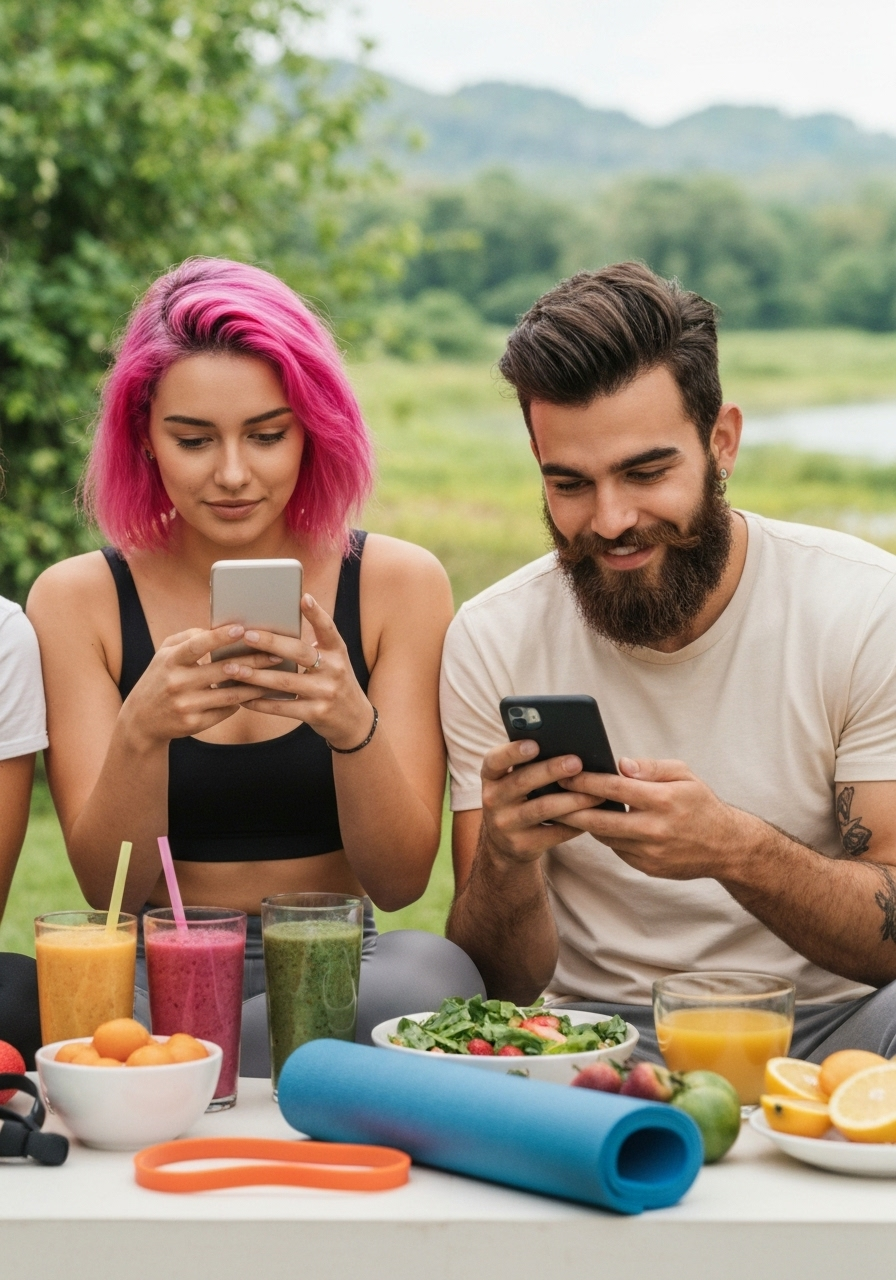


New Generations Are Opting for a Healthier Lifestyle Shift
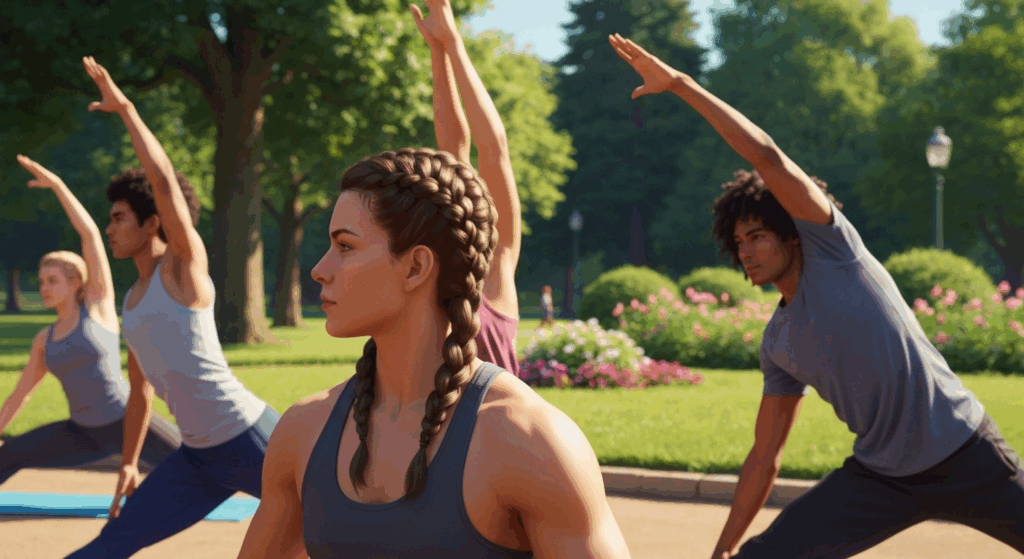
Key Highlights
Here are the key takeaways from the shift toward healthier living:
- Younger generations, particularly Gen Z and millennials, are driving growth in the global wellness market, spending more than older demographics.
- Consumer behavior shows a move toward a holistic view of wellness, integrating physical health, mental health, and appearance.
- Wellness trends for Gen Z include a high priority on appearance, while millennials focus more on mindfulness.
- There is a growing demand for healthy food options, specifically functional foods that offer benefits like improved gut health and energy.
- Despite economic pressures, younger consumers often prioritize spending on wellness over entertainment.
A significant change is underway, and it’s being led by younger generations. Gen Z and millennials are rewriting the rules of what it means to live a healthy lifestyle. For them, wellness isn’t just an occasional thought; it’s a daily, personalized practice that influences their choices, from the food they eat to the way they spend their free time. This shift is reshaping the entire wellness industry, creating new trends and opportunities. Are you noticing this change in your own life?
The Rising Health-Consciousness Among Younger Generations
Have you noticed how much more your younger friends or family members talk about health? It’s not just a passing trend. Younger generations are more tuned in to their well-being than ever before, reporting that they prioritize wellness far more now than they did just a year ago.
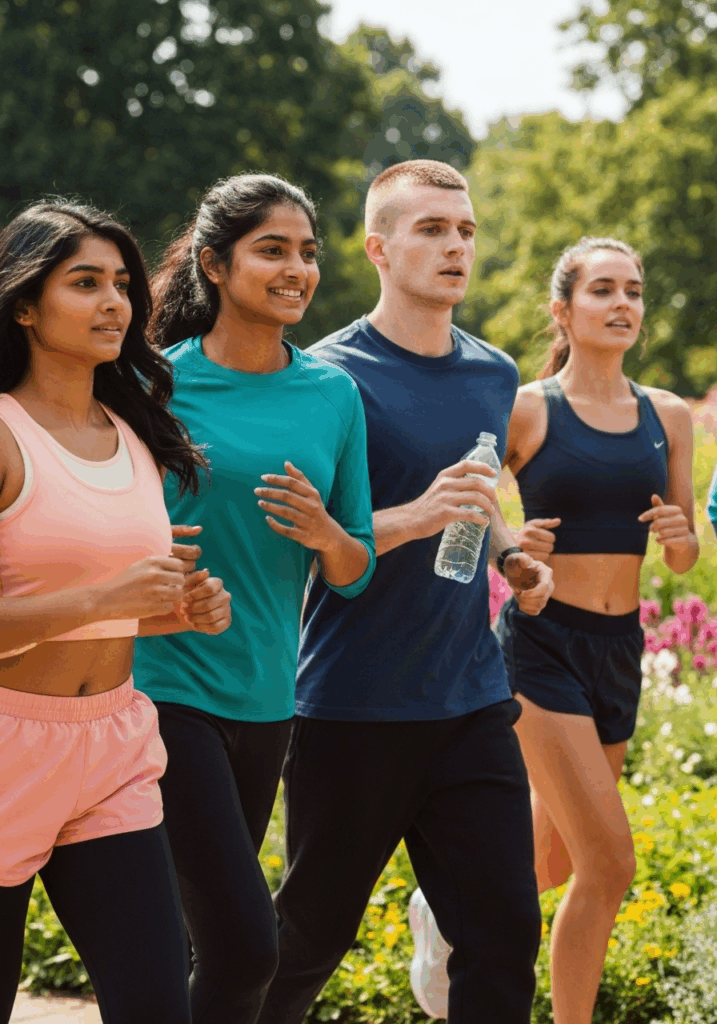
This increased awareness is translating into action. Gen Z and millennials are proactively seeking out products and habits that offer clear health benefits, driving a fundamental change in the wellness market. This section explores what’s motivating them and how technology plays a role.
Key Motivators Driving Gen Z and Millennials Toward Healthier Choices
What’s pushing Gen Z and millennials to focus so intently on their health? It’s a combination of modern pressures and unprecedented access to information. These generations are not just following fads; they are responding to genuine concerns about their overall well-being.
A recent McKinsey report, “The $2 Trillion Global Wellness Market Gets a Millennial and Gen Z Glow-Up,” highlights that younger people self-report higher levels of stress and burnout compared to older generations. [1] This personal experience is a powerful catalyst for seeking solutions that improve both mental and physical health.
Several key factors are driving this health-conscious shift:
- Higher self-reported levels of burnout and stress.
- Feeling that their overall health is worse compared to older people.
- Greater exposure to health-related content on social media.
- A desire to proactively manage their health to prevent future issues.
How Social Media Influences Wellness Trends
Social media is more than just a place to connect; for younger consumers, it’s a primary source of information and influence for wellness trends. Unlike older generations, Gen Z consumers are far more likely to make a wellness-related purchase based on something they saw on a social platform. This makes social media a powerful engine for shaping the wellness market.

For example, the focus on “better appearance” has become a top wellness priority for Gen Z, shifting from sixth place in 2023 to third place in 2024. This trend is largely fueled by social media, where beauty-from-within products like collagen supplements and skincare with active ingredients gain immense popularity.
Through these platforms, younger generations are introduced to a wider array of discretionary wellness products, from health-tracking devices to IV drips. Their openness to experimentation, driven by what they see online, sets them apart from the more traditional preferences of previous generations.
Shifts in Wellness Priorities Compared to Older Generations
The definition of wellness is expanding, and there are clear generational differences in what people prioritize. While older generations might focus on traditional health metrics, younger consumers have a much broader perspective. They place higher importance on areas like mindfulness, sexual health, and hair and skin care.
These distinct priorities are changing the landscape of the wellness industry. For businesses to succeed, they must understand these nuances and cater to the specific needs of different age groups. Let’s look at how these new views are taking shape.
Redefining Traditional Views of Health and Wellness
Younger generations are moving away from a reactive approach to health—only addressing problems as they arise. Instead, they view wellness as a proactive, daily commitment. This is particularly evident in their approach to healthy aging, where they adopt preventative measures at a much younger age than previous generations did.
This redefinition also extends to mental health. While traditional views often limit mental health solutions to therapy, younger people see it as an integrated part of their lifestyle. They incorporate fitness routines, skincare regimens, and even socializing as ways to support their mental wellbeing.
This holistic view means that wellness is no longer confined to the doctor’s office or pharmacy. According to new research, it’s about creating a lifestyle that supports physical, mental, and emotional health in unison, a fundamental change from the siloed approach of the past.
Evidence-Based Approaches to Wellness That Attract Younger People
In an age of endless information, younger people are drawn to wellness solutions that are backed by science and data. They represent a consumer segment called “maximalist optimizers,” who conduct extensive research before making a purchase. They want to know that a product will actually work.
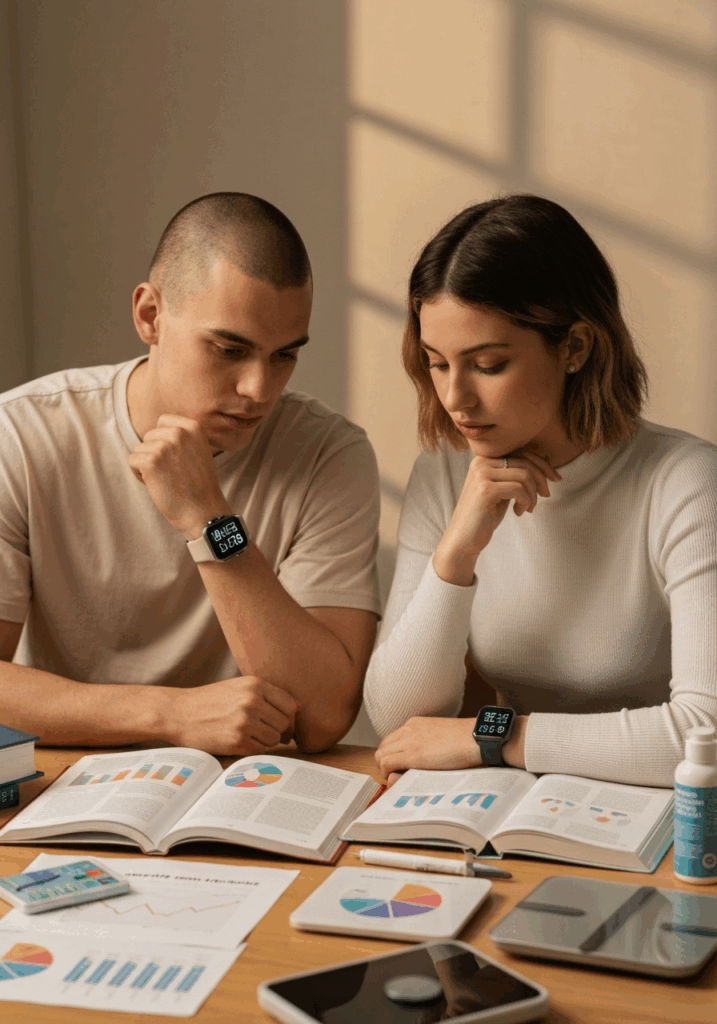
This is why evidence-based claims are so effective. Brands that communicate the science behind their offerings in an accessible way can build trust and credibility. These consumers look for proof of efficacy, whether it’s for supplements that improve cognitive function or fitness apps that track progress.
They are looking for more than just marketing slogans. To win their loyalty, you need to deliver on your promises with tangible results.
| Attractor | Why It Works for Younger Consumers |
|---|---|
| Science-Backed Claims | Provides confidence that a product is effective and not just a fad. |
| Expert Endorsements | Leverages trusted sources like doctors and specialists to build credibility. |
| Digital Customer Reviews | Offers social proof and real-world feedback from peers. |
| Data-Driven Results | Appeals to their desire to track progress and see tangible outcomes. |
Popular Healthy Habits Adopted by Millennials and Gen Z
So, what does this new focus on health look like in practice? Millennials and Gen Z are adopting a range of healthy habits that are becoming mainstream. They are more conscious of what they put into their bodies and how they move them, making deliberate choices to support their long-term well-being.
From the kitchen to the gym, these generations are building routines centered around nutrition and fitness. The following sections will explore the specific dietary patterns and active lifestyles that are most popular among today’s young adults.
Nutrition and Balanced Eating Patterns
For many young people, healthy eating is about more than just cutting calories. It’s about embracing nutrition as a form of preventative medicine. They are shifting their dietary habits to focus on foods that include high-value components rather than just avoiding things like sugar or gluten.
This has fueled a boom in functional nutrition, where food and drinks are chosen for their specific health benefits. Consumers are actively seeking products that support everything from gut health to immunity and energy levels. This approach turns every meal into an opportunity to enhance well-being.
Some of the most popular nutrition trends include:
- Functional Foods: Choosing items fortified with ingredients like protein, nootropics, or turmeric.
- Emerging Ingredients: Incorporating super greens, mushrooms, and adaptogens into their diets.
- Gut Health Focus: Consuming pre- and probiotic drinks and fermented foods.
Fitness, Movement, and Active Lifestyles
Beyond nutrition, fitness and regular movement are cornerstones of a healthy lifestyle for millennials and Gen Z. However, their approach often looks different from simply hitting the gym. There’s a growing interest in experiences that combine physical health with enjoyment and community, such as boutique fitness classes.
Wellness travel is another rising trend, with many willing to travel for experiences like yoga retreats that help them reset and learn new practices. This indicates a desire for fitness to be an enriching part of life, not just a chore.
Interestingly, while they prioritize activity, many younger people report struggling with motivation. A survey in the United States found that 44% of Gen Z consumers find it challenging to stay motivated to exercise. This creates an opportunity for fitness solutions that offer encouragement, gamification, and accountability to help them stay on track.
The Role of Food Choices in Healthier Living
Food is at the heart of the wellness movement for younger consumers. Their food choices go far beyond simple sustenance; they are a direct reflection of their health priorities and values. Healthy food is no longer a niche market but a central pillar of their daily lives.
This focus is driving innovation in the food industry, as brands race to meet the demand for products that are both nutritious and delicious. Let’s examine the specific types of foods and eating habits that are defining this generation’s approach to healthier living.
Whole Foods, Plant-Based Diets, and Functional Nutrition
When it comes to food, younger generations are looking for functional benefits. They prioritize whole foods and plant-based options that actively contribute to their health. The trend is moving toward products that exist at the intersection of food and supplements, offering more than just basic nutrition.
Functional nutrition is a high-growth area, with consumers seeking out everything from cognition-enhancing beverages to protein-packed snacks. The goal is to get more out of every bite. Taste and texture are still crucial, but the added health boost is what truly captures their attention.
Key food priorities for Gen Z and millennials include:
- Foods with sought-after benefits: Such as support for energy, gut health, immunity, and joints.
- Emerging functional ingredients: Like super greens, mushrooms, and adaptogens.
- Fortified products: Including protein-packed chips and nutrient-enhanced drinks.
Mindful Eating and Ingredient Awareness
Mindful eating is becoming a popular practice among younger consumers. This involves paying close attention to what they eat and how it makes them feel. It’s not about restriction but about awareness and making conscious choices that support their well-being, particularly their gut health.
This mindfulness extends to a sharp focus on ingredient awareness. These consumers are skilled at reading labels and are more interested in what a product contains than what it’s free from. They actively look for high-value components and clean ingredients, demonstrating a sophisticated understanding of nutrition.
For brands, this means transparency is key. Being upfront about what goes into your products and why can build a strong connection with this discerning audience. They appreciate honesty and want to feel empowered in their food choices.
Impact of the Cost-of-Living Crisis on Health Decisions
With rising costs, you might expect people to cut back on wellness spending. However, the data suggests that health remains a top priority, even in challenging economic times. For many, wellness is seen as a necessity, not a luxury.
This resilience shows just how deeply ingrained the value of health has become. While budgets may be tight, younger consumers are finding ways to continue investing in their well-being, from prioritizing healthy food to being selective about their wellness spending.
Choosing Health Over Entertainment and Convenience
When faced with a tight budget, what do you cut first? For many young people, it’s not their health. Surveys show that consumers are less likely to reduce spending on wellness categories compared to other discretionary areas, even during an economic downturn.
This pattern held true during the Great Recession and again in 2020, when the vitamins and supplements market grew despite a contracting economy. Health has become a non-negotiable part of their busy lifestyles, viewed as a long-term investment rather than a fleeting expense.
In the event of financial strain, consumers are more likely to cut back on:
- Clothing and apparel
- Entertainment and dining out
- Home decor
Budgeting for Nutrition: Prioritizing Quality Foods
Balancing a budget while prioritizing health requires smart choices. Younger generations, especially those identified as “maximalist optimizers,” manage this by focusing on value. Value for them isn’t just about the lowest price; it’s about product quality, efficacy, and getting their money’s worth.
They prioritize quality over price for products they believe in, but they still actively seek out solutions that deliver tangible benefits for their investment. This means they might spend more on a science-backed supplement but save money by cooking at home instead of eating out.
Amid economic challenges, their spending reflects a clear hierarchy of needs. Nutrition and wellness often win out over entertainment because they are seen as essential for maintaining energy levels and overall health in a demanding world.
Attitudes Toward Mental Wellbeing in Younger Generations
The conversation around mental wellbeing has changed dramatically, thanks in large part to younger generations. They are more open about their struggles and actively seek solutions to improve their mental health. For them, mental wellness is just as important as physical health.
This open attitude has helped reduce stigma and has pushed the wellness industry to provide more accessible and diverse forms of support. Let’s explore the trends in personal growth and support networks that are defining their approach.
Mindfulness, Therapy, and Personal Growth Trends
For Gen Z and millennials, taking care of their mental health involves a wide range of practices. In the United States, 42% of these generations say mindfulness is a “very high priority.” They are turning to digital technologies like mindfulness apps to make mental health support more accessible in their daily lives.
Their approach is holistic, integrating personal growth into all aspects of life. They view fitness routines, proper sleep hygiene, and even skincare as acts of self-care that contribute to their mental wellbeing. This is a departure from older generations who might view mental health solutions more narrowly, focusing primarily on traditional therapy.
This broad perspective creates opportunities for all types of wellness brands to contribute. By adding mindfulness content or framing products around mental health benefits, companies can connect with a generation that is actively looking for ways to feel better.
Destigmatizing Mental Health: Openness and Support Networks
One of the most significant contributions of younger generations is their role in destigmatizing mental health. They talk openly about their experiences with anxiety and burnout, which encourages others to do the same and creates powerful support networks. This openness is a key attitude that defines their approach to wellness.
They are attuned to their mental state and are not afraid to try a variety of solutions to address their needs. This has expanded the definition of mental health care far beyond the therapist’s office.
Younger generations are improving their mental well-being through:
- Everyday habits: Incorporating fitness, skincare, and healthy eating as mental health practices.
- Social connection: Prioritizing time with friends and community as a form of support.
- Digital tools: Using apps for meditation and mindfulness to manage stress.
Conclusion
Younger generations are ushering in a transformative shift towards healthier lifestyles, driven by a blend of personal motivation and the pervasive influence of social media. As Millennials and Gen Z prioritize nutrition, active living, and mental wellbeing, they redefine traditional health paradigms, focusing on evidence-based approaches that resonate with their values. From mindful eating to destigmatizing mental health discussions, this new wave emphasizes quality over convenience, even in the face of economic pressures. Embracing a holistic perspective on health not only enhances individual wellness but also fosters a supportive community. As you navigate your own journey toward a healthier lifestyle, consider how these trends can inspire positive changes in your daily routine. Get started on your wellness journey today!
Frequently Asked Questions
Which generation is considered most health-conscious today?
Both Gen Z and millennials are highly health-conscious, driving over 41% of wellness spending in the United States. While their consumer priorities differ slightly—with Gen Z focusing more on appearance and millennials on mindfulness—these younger consumers are collectively pushing the wellness market toward a more holistic and personalized future.
How do millennials and Gen Z balance healthy food spending versus lifestyle choices?
Millennials and Gen Z prioritize wellness spending, often choosing to invest in healthy food over other lifestyle choices like entertainment or new clothes. They seek value by balancing cost with quality and effectiveness, ensuring their spending on nutrition delivers tangible health benefits.
What are the top foods prioritized by younger generations for health?
Younger generations prioritize functional foods that offer specific health benefits. Their top food choices often include protein-fortified snacks, cognition-enhancing drinks, and products containing super greens, mushrooms, and adaptogens. They focus on nutrition that supports energy, gut health, and immunity.
References:
[1] Pione, A., Medalsy, J., Weaver, K., Callaghan, S., & Rickert, S. (2025, May 29). The $2 trillion global wellness market gets a millennial and Gen Z glow-up. McKinsey & Company. https://www.mckinsey.com/industries/consumer-packaged-goods/our-insights/the-2-trillion-dollar-global-wellness-market-gets-a-millennial-and-gen-z-glow-up
https://www.mckinsey.com/industries/consumer-packaged-goods/our-insights/future-of-wellness-trends
https://www.cdc.gov/obesity/adult-obesity-facts/index.html
https://www.statista.com/statistics/1051774/us-participation-in-fitness-sports-by-generation
https://tastewise.io/blog/gen-z-in-2025-what-drives-the-future-of-food