


Taking Medication Key Knowledge: Tips for Patients

Key Highlights
- Understand your medication’s purpose and know its potential side effects to ensure safer patient care and medication safety.
- Gain skills in reading prescription labels correctly and recognizing the difference between generic and brand name drugs for better patient education.
- Follow safe medication administration practices, including accurate schedules and techniques to prevent medication errors.
- Store medicines properly and dispose of unused ones to protect others and uphold healthcare safety standards.
- Maintain open communication with healthcare providers to align your treatment needs with accurate medication administration and safer patient outcomes.
- Learn about your rights and responsibilities as a patient to participate effectively in your healthcare decisions.
Every day, millions of people use medications to improve their health. But the process of taking medicine in the healthcare system is not always simple. We must focus on patient safety. Medications can help and even save lives. But if taken the wrong way, there can be medication errors and adverse drug events. These mistakes can bring harm that is not needed.
It is good to know safe habits, understand your medication, and work with healthcare providers. These steps help you avoid medication errors. Patient safety should always come first. Below are some easy tips to help you with medication use and protect your health in the healthcare system.
Understanding Your Medication
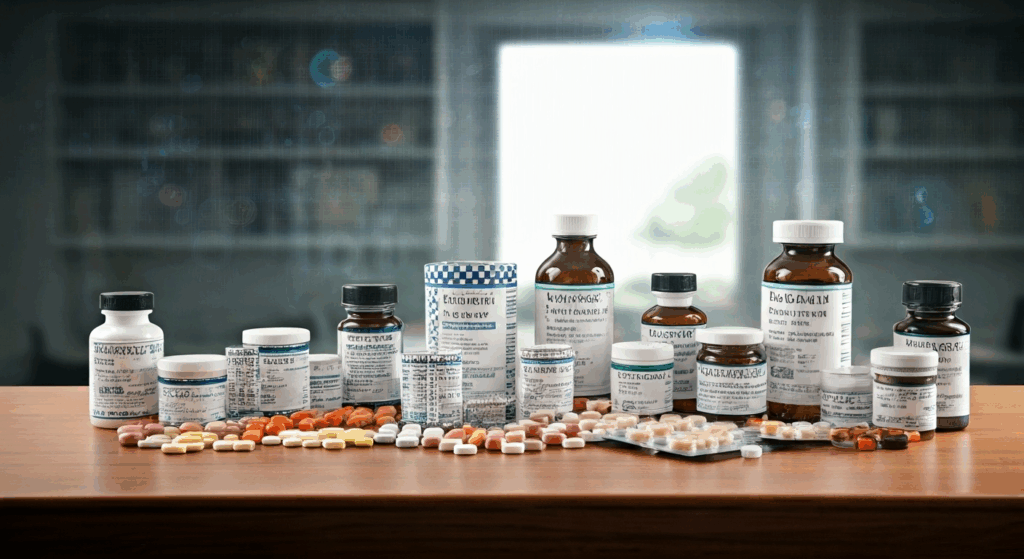
Patient education is very important in medication administration. It helps people make good choices about their health. Every drug, whether it is taken by mouth, as a shot, or on the skin, has its own way to use it. If you ask the healthcare team the right questions, you get more from your treatment. This is key to good patient care.
Reading Prescription Labels Correctly
Prescription labels have important details you need for accurate medication administration and to help stop mistakes. First, check the drug name. This could be a generic or brand name. Make sure it matches the medication administration record and the package. This helps you not mix up the drugs.
Next, look at the medication administration record for things like the patient’s name. If this is wrong on the label, it could cause big problems, mostly in hospitals. Your wristband or other identification must match the drug you get. The Joint Commission says you should check this yourself to protect your own care. This is a simple way you can have a part in safer patient care.
If you have any doubts, ask good, trusted sources like government organisations or talk directly to healthcare professionals. Information about dosage, when and how to use your medicine, and any warnings should be easy to find on the label. It’s important to look over all these directions. When you check the labels well and talk with healthcare professionals, you make sure there is a much better chance of safer patient care for everyone.
Identifying Generic vs. Brand Name Drugs
It is important to know the difference between generic and brand name drugs for medication safety. Both types have the same active ingredients. They also give similar effects when you take them. But there may be minor changes in taste, color, or other ingredients that do not affect how the drug works.
Healthcare providers often pick generic drugs because they cost less. This helps many people get the care they need without spending too much. If you do not know about the differences, ask your healthcare team. The drug name might look like one you know but could be for other health conditions.
Patients need to remember that generic drugs are bioequivalent to brand name drugs. But drug name, packaging, or labels might not always look the same. This can make things confusing. That is why it is good to talk to your pharmacist or doctor about both options. Understanding this information is important for accurate medication administration and to make sure you use your drugs the right way.
Recognizing Common Medication Forms (Tablets, Liquids, Injections)
There are different types of medication. These include tablets, liquids, and injections. Each type has things that make it special, and these features can change how it is given to the person and how well it works. Tablets are easy for people to store and use. Many people like to take medicine this way, as it is simple for most.
Liquid medicine is good for people who find it hard to swallow tablets. However, you have to measure the dose very carefully. If you do not, there can be medication errors, which is not safe for the patient.
Injections go straight into a person’s body through the bloodstream or tissues. This way of giving medication is used when fast results are needed, or when someone cannot take the drug by mouth.
Knowing about these different ways to take medicine can help people give out the right dose. It helps people keep patient safety in mind, cut down on adverse drug events, and make sure of accurate medication administration.
Essential Information to Know Before Taking Medication

Ask yourself: What is this medicine used for? What do the label directions say? When you learn about these things, you use safe medication practices. This also helps you to spot side effects early. If you take time to understand your medicine, you help your health and patient care.
Purpose and Expected Benefits of the Medication
Medications are made to help with certain health conditions. They are very important for better results when someone is sick. You need to know why the doctor has given you a drug and what good it can do. For example, the medication use may help control health conditions that last a long time, ease pain or sickness, or help someone get better faster.
Taking care of a patient starts with the value of clinical judgment from your healthcare provider. Your doctor will look at your health and choose what is best for you. If you understand how your medication use works with your health condition, you can trust your doctor more and stick to your treatment.
Talk about what good you should see from your medication use with your healthcare professionals. This lets you know what should happen. You will know what changes to look for and what you should not expect. It also helps you stay in control of your care goals. Working together with your healthcare professionals leads to better and safer patient care.
Possible Side Effects and What To Watch For
Every kind of medicine can lead to side effects, and spotting these problems early is important for patient safety. There can be many side effects, and they can be mild or sometimes much worse.
Key side effects to watch for:
- Nausea or not feeling hungry
- Allergic reactions such as a rash or trouble with breathing
- Feeling dizzy or light-headed after using the medicine
- Changes in your heart rate or blood pressure
People need to let their healthcare team know right away if they notice any of these signs. Not all adverse reactions are the same. Sometimes, more common problems are not that bad, but if something new happens, get help at once. Drug safety rules help us know which side effects to expect and which ones could be risky.
Knowing about side effects leads to safer ways of taking medicine and helps us stop potential errors. It is always good to talk with your healthcare team. They can give you ongoing support and help you handle side effects the right way.
Contraindications and Drug Interactions
Contraindications are health problems or situations where you should not take some medicines. This is for your own safety. For example, some drugs are not good for women who are pregnant or for people who have certain allergies.
Drug interactions happen when you use more than one kind of medicine or over-the-counter products. These things can change how well a drug works or even cause harm. Let your healthcare team know about every medicine or supplement you take. This will help your healthcare providers see possible issues and stop them early.
Healthcare providers use your information to make the best choices for you. Share as much as you can and ask questions if you do not understand what a contraindication means for your health. Talking about these things with your healthcare team can help you stay safe when you use medicine in your daily life.
Proper Medication Administration Techniques
To be safe, read all instructions fully. You should also talk with healthcare providers to make sure you are using the medicine the right way. These professionals will help you with how much medicine to take and when to take it. They can also answer your questions. By learning about these steps, you support accurate medication administration, which helps people get better results with their medicine and keeps them safe.
Taking Oral Medications Safely
Oral medications are the medicines your doctor gives you to take by mouth. They are the most common type, but you need to be careful when you use them. Use a glass of water when you take your pills, unless your doctor says not to. This helps you swallow and helps the medicine go down well. Do not lie down right after you take pills. This can lower the risk of choking or your throat getting hurt.
Medication safety starts when you look at the label. Always check the dose, the active ingredients, and the end date for use. This keeps you safe and helps you follow the right steps, which stops mistakes from using the wrong dose or medicine.
You should also ask about any special instructions for your medicine. Some medicines work best when you take them without food for better absorption. Healthcare providers and pharmacists know how to take medicine the right way. Ask them so you can get their help and make sure your patient care is safe. Doing these things can help to keep you and others safe, leading to safer patient care.
Using Inhalers and Nasal Sprays
Inhalers and nasal sprays are good ways to help people with breathing problems and nose issues. It is important to have accurate medication administration and use these devices the right way every time.
The first step is to read the label. Make sure the amount you use matches what your doctor told you to take. Shake the inhaler before you use it. If you have a nasal spray, get it ready as the label says so the medicine can be spread the same through the spray.
With an inhaler, breathe in deeply. This helps the medicine go into your lungs so you get the most benefit. For a nasal spray, tilt your head a little. Point it at each nostril as the directions say. Using both takes practice. Patient education is important for getting the best results. When you use your medication the right way, it works better and keeps medication safety for you.
Applying Topical Medications
Topical medications like creams, ointments, and patches are used to treat certain areas on the skin. To use them the right way, the skin should be clean before you apply anything. This helps the medicine stick better and work the way it should.
Put creams or ointments on the skin in a thin, even layer. Always use the amount you are told to use by the doctor. This helps stop using too much at one time. For patches, make sure to put them on the right area. Change them when you are told.
For good patient care, you need to know and follow any special instructions. These can include things like staying out of the sun or wearing gloves. These small steps can make the treatment work better. If you have questions about medication administration, your healthcare providers will give you ongoing support and help you with anything you want to know about using topical medications safely.
Dosage and Timing Tips
Following your set schedule helps the medicine work well. It keeps the right amount in your body. You need to take it at the same time for full effect. Try to set a reminder or use a medication administration record. This will help you keep track of your doses better.
Mistakes with dose amounts or not taking medicine at the right time can be bad for patient safety. Using mobile applications to track when you take your medication makes it easier to stick to your schedule. These apps can help lower mistakes. Keeping up with these habits leads to safer results and follows what the healthcare provider suggests.
Importance of Sticking to the Prescribed Schedule
Taking your medicine at the right time is key to successful treatment and good medication use. When you take your tablets as told, the medicine works as it should. It helps keep its effect steady at all times.
Skipping a dose or changing how you take it can harm patient safety. Some medicines, like antibiotics, need you to take them at the same time every day to work well. Make sure to talk with your doctor or nurse. This helps you understand the best schedule for your medicine.
Using reminders, mobile apps, and being part of your care can help you take your pills every day. This builds good habits. When you focus on safe ways to take medicine, you make sure you take the right dose and avoid extra risk.
What To Do If You Miss a Dose
Missing a dose can happen to anyone, but knowing what to do next helps reduce risks.
Follow these steps if you miss a dose:
- Check your medication bottle or administration record for what you should do.
- Do not take two doses at once, as this can increase side effects or lead to mistakes.
- Contact your healthcare provider to find out what you should do next.
Every drug works in its own way, and timing can be different for each one. For medicines like blood pressure pills, missing a dose can affect your health. Patient safety is always the most important thing. Healthcare providers want to help you fix any errors so you can get back on track.
Adjusting for Time Zones or Schedule Changes
If you travel or change your daily routine, it should not make you miss your medication. To keep your medicines working well, adjust when you take your dose by looking at the time zone differences.
Figure out the time gap. Then set a new schedule that fits the intervals you are used to. If you move across many time zones, talk to your healthcare provider. They will help you find the right plan. Some medicines must be taken at exact times. For these, you need a plan made just for you. This can help you avoid mistakes.
You can use mobile applications to help you keep track of your new times. These tools help you stay on schedule with medication administration. It is good for your health to take your medicines the right way. This keeps you safe during changes and moves.
Safe Storage and Handling of Medications

To handle medications safely, you need to throw away any expired or unused ones in the right way. Use only approved methods to do this. If you follow what your healthcare providers say, you can help make patient safety better. It can also help people around you know more about medication safety and help keep everyone safe in their health care.
Storing Medications at the Right Temperature
Temperature-sensitive medications need to be kept in the right storage conditions. For example, insulin has to stay in the fridge to work well, but freezing it will make it useless.
Check the packaging for instructions about the right temperature. The safety of your medication depends on following these storage rules, because mistakes happen when medicines go bad. Stay away from places with sunlight or too much heat, as these may change what is in the drug.
Healthcare teams tell patients how to store their medicine safely. This is important for patient care and helps keep medication safety at a high standard, so no quality is lost.
Keeping Medications Away from Children and Pets
It is very important to keep medicines out of reach of children and pets for patient safety and to stop risks.
Actions to adopt:
- Store pills in high cabinets with child-proof locks.
- Never leave medications on countertops or where people can see them.
- Teach family members why it is important to store medicines safely.
These steps help to stop people and pets from swallowing medicines by mistake and getting hurt. Kids and pets can think medicines are candy or a treat, which can be bad for them. Keeping up with these safety habits lowers the chances of problems and helps keep healthcare standards strong.
Disposing of Expired or Unused Medications
Throwing out old medicine in a safe way keeps your home and the environment protected. The FDA and other government groups say you should not flush any medicine unless they say it is okay.
Take expired drugs to places set up to collect them. You can also bring them to pharmacies that offer safe medicine disposal. If someone takes out-of-date medicine by accident, it can lead to medication errors.
Doctors and others in healthcare want people to know about local programs for getting rid of unused medicine. This helps make sure that leftover medication will not bring harm to others. All these actions are important for the safety of everyone.
Rights and Responsibilities as a Patient
As a patient, you have more rights than just getting your medicine. You should get patient education and the chance to ask questions about your treatment. It is important to be fully informed at all times.
You also have some things you need to do. You must give true information about your health. You should follow the medicine plan given to you. Keep your medication list up-to-date and talk with healthcare providers often. This helps everyone work together for your care. Patients also have a big part in keeping healthcare safe for all. You need to speak up and look out for your own well-being during care.
Asking Questions About Your Medication
Asking questions is your right. It helps with your patient education. When you know more about your medicine, you can take a more active part in your patient care.
Questions you should ask:
- What is the purpose of this medication?
- Are there any potential interactions with over-the-counter drugs I’m using now?
- What side effects should I look out for?
Healthcare providers can give you good information. Open communication can lead to ongoing support from them. This also helps keep patient care safe. If you clear up any doubts, your medication administration will be done the right way every time.
Understanding the Right to Refuse Medication
People have the right to say no to taking medications. This helps them have a say in their own care. Many psychiatric patients use this right. They work with their doctor’s clinical judgment. It lets them balance what they want with the advice they get in patient care.
If you feel worried, talk to your healthcare professional. This way, you can find out about other treatment choices or see if something in your plan can change. Accurate medication administration needs you to take part. You should be okay and willing to follow the plan your doctor gives you.
When people and healthcare teams make medication decisions together, care gets better. It shows respect for everyone’s point of view. Use this right in a careful way and always put your health first.
Keeping an Up-to-Date Medication List
An updated medication list helps stop mistakes and makes it easier to talk with healthcare providers. Keeping a good record helps make sure there is accurate medication administration when you have a regular doctor visit or during an emergency.
Steps to maintain your list:
- List the drug name, how much you take, and why you take each medicine.
- Update your list every time you get a new prescription or when there is a change.
- Use mobile applications to help you keep everything in order and easy to find.
Having a list that is easy to access can boost patient safety. It lets healthcare professionals give you fast and good care, with the right medication administration.
Preventing and Managing Medication Errors
Medication errors can affect patient safety in every part of the world. There are ways to stop these problems before they happen. Check the amount, the label, and the right time before you give any medicine. When you work with healthcare professionals, you help keep medication safety at every stage.
The work of the patient and the healthcare provider come together. This creates a strong line of defense against potential errors. Global actions, like the WHO’s third patient safety challenge, show why working together matters to lower risks. You have a key part in keeping safe practices when it comes to medication errors and patient safety.
Double-Checking Dosages and Labels
Double-checking helps prevent mistakes in medication administration. Problems often happen because someone puts a decimal in the wrong place or uses confusing abbreviations.
How to avoid errors:
- Be careful and use tools like electronic calculators when you calculate doses.
- Read labels two times to make sure things like the drug name and strength are right.
- Always check the expiration date before you use the medicine.
Doing these things lowers risk and helps with safe medication administration. The Joint Commission asks healthcare professionals and patients to stay alert. This helps everyone get better results.
Communicating Clearly with Healthcare Providers
Effective communication is key for medication safety and good patient care. You should share all medical history with your healthcare professionals. Tell them about any past adverse reactions or allergies you have had.
It is also important to ask questions for accurate medication administration. For example, you can ask if food might affect your medicine or how to store it the right way.
When you talk and work together, it helps everyone understand each other. This brings trust and helps lower potential errors. Always keep talking with your healthcare team. By doing this, you get more support and safer care.
Reporting and Responding to Medication Errors
Medication errors can and do happen, but acting quickly helps keep patient safety strong. We should always tell healthcare providers about these errors right away so they can fix any problems fast.
Groups like the FDA or WHO give tips on what to do in these cases. For example, if someone takes the wrong amount of medicine, they should get checked by a doctor or nurse right away.
Most of the time, medication errors have more than one cause, but we can handle them if we all work together. If healthcare teams are open with patients, it helps everyone stay safe with their medicine.
Special Considerations for Children and Older Adults
Healthcare teams help these groups by changing the doses to fit what they need. They also keep a close watch for any side effects or adverse reactions. When they focus on these things in a full way, it helps boost medication safety for these age groups that can get into trouble with their medicine.
Dosing Adjustments for Age Groups
Tailored dosing is very important for both children and older adults. Kids need doses based on their weight. You have to use an oral syringe for liquids or cut tablets to get the right amount.
Older adults might have organs that do not work as well as before. This can change how their body uses and removes medicine. Because of this, healthcare providers have to change the doses to fit their health conditions.
The amount of medicine given must go along with safe medication practices. It’s good to talk with your healthcare providers about this. They can show the right way to give the medicine and help lower the risks for people in these age groups.
Monitoring for Adverse Reactions
Keeping track of adverse reactions is important for patient safety, especially for children and older adults.
Essential observations:
- Watch for any changes in a child’s behavior or appetite that are not normal.
- Keep an eye out for things like rash, feeling dizzy, or feeling sleepy in older adults.
- Work with your healthcare team to do regular checkups.
Watching closely can lower risks and help give good patient care for different ages. Healthcare providers will help spot problems so you can handle reactions before they get worse.
Conclusion
To sum up, it’s important to know about your medicine. You need to read the labels and know about side effects. This is needed to keep you safe and healthy. Try to learn why you get certain drugs, how to take them, and where to keep them. When you do this, you can look after your own treatment in a better way. Talk with your healthcare team often. You should ask them about anything that worries you and share your medicine list to avoid any mistakes. When you take charge of your own medication, you help your health and build trust with your healthcare team. If you want help that fits you or have any questions about your medicine, you can get a free consultation with our experts. Your health is important, so make sure you get the guidance you need.
Frequently Asked Questions
What should I do if I experience side effects from my medication?
Let your healthcare provider know about side effects as soon as you notice them. Side effects can be minor or very serious. Telling them early is important for patient safety. Healthcare professionals can use this information to help you. They can change your treatment or switch it if needed. This helps lower risks and keeps you safe from adverse effects.
How can I remember to take my medication on time?
Use reminders like alarms, mobile applications, or a medication administration record. These things help you take your medicine on time. Keeping regular habits and having a set routine also help you stick to your prescription. Talk to your healthcare providers to make sure your medication schedule matches your patient care needs.
Can I stop taking my medication if I feel better?
Do not stop your medication without talking to a healthcare team first. If you stop too soon, it can cause adverse drug events or make your health problem worse. Your healthcare team will tell you the best way to manage improvements, and will help you stay safe with your medication use.
Is it safe to take over-the-counter drugs with my prescription?
Taking both prescription drugs and over-the-counter medicine can be risky for people. You should always talk to healthcare providers to check for potential interactions or anything you should not take. Patient safety is very important. To stop medication errors, it is best to have the right information and to make a careful plan.
Who should I contact if I have questions about my medication?
If you have questions about your condition or medication use, reach out to your healthcare provider. Your doctors and pharmacists give ongoing support. They help you with patient education and make sure of accurate medication administration. You can count on your healthcare team to be a reliable resource when you have concerns.
https://commons.wikimedia.org/wiki/User:BrokenSphere
https://www.ncbi.nlm.nih.gov/pmc/articles/PMC2957754
https://www.youtube.com/user/NLMNIH
https://www.statpearls.com/account/trialuserreg
https://www.fda.gov/drugs/data-standards-manual-monographs/route-administration
https://www.ncbi.nlm.nih.gov/books/NBK568677
https://www.statpearls.com/articlelibrary/commentarticle/34518