
Top Tips on How to Recover from a Cold Quickly

Key Highlights
- Act at the first sign of a common cold, like a sore throat, to shorten its duration.
- Get plenty of rest to allow your immune system to fight the cold virus effectively.
- Stay hydrated with lots of fluids, including hot water with lemon, to soothe symptoms.
- Use effective home cold remedies like chicken soup and honey to ease discomfort.
- Boost your vitamin C intake through diet to potentially reduce recovery time.
- See a doctor if your cold symptoms don’t improve after 10 days or worsen significantly.
That first telltale tickle in your throat often signals the unwelcome arrival of the common cold. Suddenly, you’re dealing with a runny nose, sneezing, and a general feeling of being run-down. When these cold symptoms strike, life doesn’t just stop. You want to bounce back as quickly as possible. The key is to support your immune system from the very beginning. This guide offers top tips from pharmacists to help you manage symptoms and recover faster.
Understanding the Common Cold: What Happens in Your Body
When you catch a common cold, a cold virus has entered your body and started to multiply. Your immune system springs into action to fight the infection, which is what causes many of the familiar cold symptoms. The inflammation triggered by your immune response leads to a runny nose, coughing, and body aches.
Essentially, these symptoms are a sign that your body is working hard to defeat the virus. While it feels unpleasant, this process is necessary for recovery. Understanding the stages of a cold and the typical timeline can help you know if your symptoms are lasting too long. Now, let’s look at how a cold progresses.
Recognizing Early Cold Symptoms and Their Stages
Catching a cold early gives you the best chance to shorten its lifespan. The first 24 to 48 hours are crucial. You might notice a scratchy throat or start sneezing more than usual. These early symptoms are your body’s first alert that it’s fighting off a virus. It’s beneficial to combine methods to address these symptoms effectively.
Don’t ignore these initial signs. This is the ideal time to start taking action. Your main focus in the first 24 hours should be on rest and hydration to give your body the resources it needs. As the cold progresses, you’ll typically experience a peak in symptoms before they begin to fade.
A cold generally follows a predictable pattern. The stages can be broken down into:
- Early Symptoms (Days 2-3): This is when you’ll feel that first scratchy throat or sore throat and may start sneezing with a runny nose.
- Peak Symptoms (Days 3-5): You now feel the full brunt of the cold, with congestion, coughing, and fatigue.
- Recovery (Days 7-10): Most of your symptoms have eased, and you are feeling nearly back to normal.
How Long Does a Typical Cold Last?
Most people wonder how long a cold lasts. Typically, you can expect cold symptoms to stick around for about seven to 10 days. Unfortunately, there’s no two-day cure, but your actions can influence your recovery time. If your symptoms linger without improvement beyond 10 days, it might be a sign to check in with a doctor.
The intensity of your symptoms will change throughout the illness. You’ll usually feel the worst between days three and five, which is when issues like a blocked nose and cough are at their peak. After this point, you should start to feel a gradual improvement as your body wins the fight against the virus.
Here is a general timeline for a typical cold:
| Stage | Timeline (Days) |
|---|---|
| Incubation | 1-2 |
| Early Symptoms | 2-3 |
| Peak Symptoms | 3-5 |
| Improvement | 5-7 |
| Recovery | 7-10 |
First 24 Hours: Immediate Steps to Recover Faster
At the very first sign of a cold, your immediate actions can make a real difference. Don’t try to push through your day as usual. Instead, prioritize getting plenty of rest and consider incorporating deep breathing exercises. This allows your body to direct its energy toward fighting the infection, which can help ease body aches and other symptoms more quickly.
Getting some extra sleep and staying well-hydrated with fluids like hot water are two of the most effective steps you can take. These simple measures support your body’s natural healing processes from the moment you start feeling unwell. Let’s explore why rest and hydration are so critical for a speedy recovery.
Why Rest Is Essential from Day One
Your body does its best healing work while you are resting. When you get plenty of rest, you give your immune system the chance to focus all its energy on fighting off the cold virus. Pushing yourself when you’re sick often just makes your cold symptoms last longer.
If you can, taking a day or two off from work or your usual responsibilities is ideal. This downtime helps manage fatigue and body aches, which are common when your body is under attack. Resting allows your immune system to work more efficiently, which is exactly what you need for a quick recovery.
Even if you can’t take time off completely, try to take it as easy as possible. Avoid strenuous activities and consider going to bed earlier than usual. Every bit of extra rest helps your body recuperate and get you back on your feet sooner.
Boosting Hydration for Quick Relief
Staying well-hydrated is one of the most important things you can do for a quick recovery. Drinking plenty of fluids helps your body in several ways. It supports your immune system as it fights the virus and also helps thin mucus, making it easier to clear congestion from your nose and chest.
Aim for at least eight glasses of liquids a day. This can include plain water, herbal teas, or warm water with lemon and a bit of honey. A warm drink can be especially soothing for a sore throat. Some drinks, like those with added vitamin C, can also give your body extra support.
Keeping your fluid intake high prevents dehydration, which can make you feel even worse when you’re already sick. Whether you choose hot water or cool drinks, consistent hydration is a key component of feeling better faster.
Home Remedies That Actually Help with Cold Symptoms
When you’re feeling under the weather, several simple home remedies can provide significant relief from cold symptoms, including a chesty cough. These tried-and-true methods can soothe a sore throat, ease congestion, and make you feel more comfortable while your body recovers. A comforting hot drink or a warm bowl of chicken soup can work wonders.
Many of these cold remedies use ingredients you likely already have in your kitchen. From gargling with salt water to enjoying a spoonful of honey, these natural approaches can be very effective. Below, we’ll explore some of the best foods, drinks, and natural methods to support your recovery.
Natural Ways to Soothe a Sore Throat and Cough
A persistent cough and a raw, sore throat are two of the most irritating cold symptoms. Fortunately, you can find relief using natural remedies that are both gentle and effective, particularly when dry air from central heating aggravates these symptoms. These simple solutions can calm irritation and help you get more comfortable, especially when you’re trying to sleep.
One of the most popular remedies is honey, which is excellent for coating the throat and easing a cough. You can take a spoonful of honey directly or stir it into a hot drink like herbal tea or warm lemon water. Similarly, gargling with salt water is a classic trick recommended for reducing throat inflammation.
Here are a few natural methods to try:
- Have a spoonful of honey: It helps soothe a sore throat and calm a cough.
- Gargle with salt water: Mix half a teaspoon of salt in a glass of warm water and gargle to reduce swelling.
- Drink warm lemon and honey: This classic hot drink provides soothing relief.
- Inhale steam: Lean over a bowl of hot water to help loosen mucus and soothe your sinuses.
Foods and Drinks That Support Recovery
What you eat and drink can play a role in how quickly you recover from a cold. While getting enough fruit and vitamin C daily won’t prevent a cold, some evidence suggests it can slightly shorten how long you’re sick. The good news is that it’s easy to get this nutrient from your diet.
A daily glass of orange juice, for example, can cover your daily intake, according to Claire Irwin, Prescribing Pharmacist at Chemist4U. Other great sources of vitamin C include fruits like strawberries and pineapples, as well as vegetables like broccoli and peppers. Even some fortified breakfast cereals can give you a boost.
Warm, nourishing foods also support the healing process. Chicken soup is a classic for a reason; chicken contains a compound called carnosine that offers a carnosine benefit by helping to reduce congestion. Here are some foods to focus on:
- Vitamin C-rich foods: Oranges, strawberries, peppers, and broccoli.
- Chicken soup: The warm broth provides hydration and electrolytes, while the steam helps clear congestion.
- Zinc supplements: Taking zinc within 24 hours of your first symptoms may shorten your cold’s duration.
Over-the-Counter Medicines for Fast Cold Relief
When home remedies aren’t quite cutting it, over-the-counter (OTC) cold medicines can offer a full range of fast relief from your symptoms. These products are designed to target specific issues like coughing, congestion, and body aches. Options range from pills and syrups to a decongestant nasal spray.
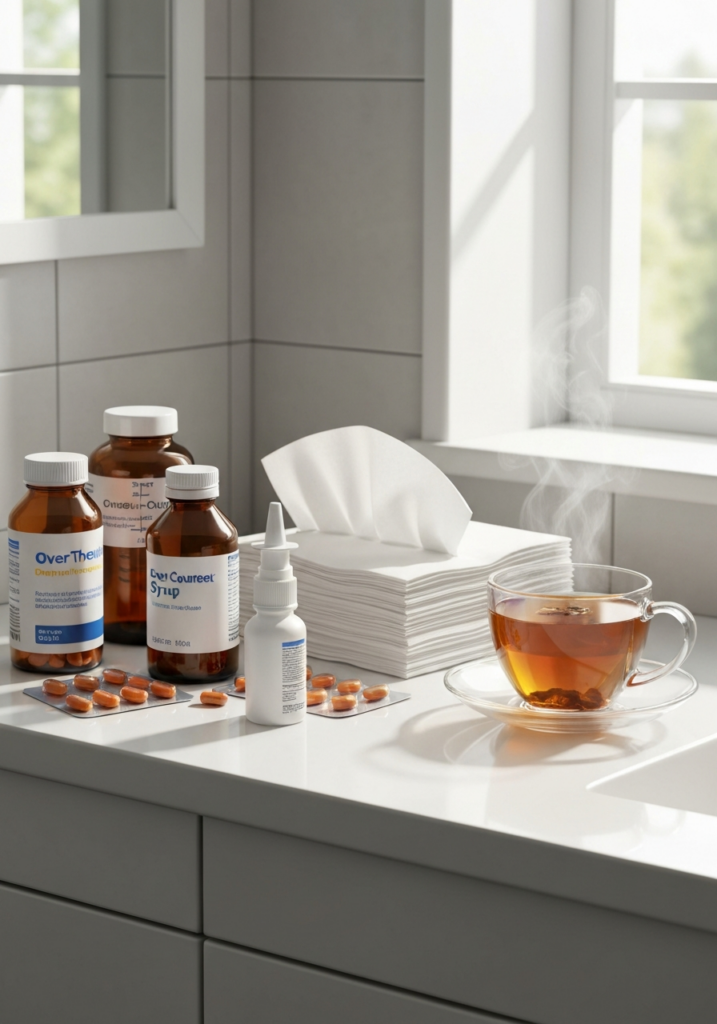
However, it’s important to choose the right products for your specific symptoms and be aware of potential side effects. Always read the labels carefully to avoid taking more than the recommended dose. To help you navigate the pharmacy aisle, let’s look at how to select the right medications and manage congestion effectively.
Choosing the Right Cough, Cold, and Pain Relief Medications
With so many cold medicines available, including flu sachets, choosing the right one can feel overwhelming. The best approach is to match the medication to your most bothersome cold symptoms. For example, if you have a headache and body aches, a simple painkiller like paracetamol or ibuprofen can be very effective.
Many cold and flu products are combination remedies, meaning they contain a combination of ingredients that include multiple active ingredients to treat several symptoms at once. While convenient, this is where you need to be careful. Always check the ingredients to avoid taking duplicate doses of paracetamol or other painkillers, which can have serious side effects.
When selecting a medication, consider the following:
- Target your symptoms: Choose a product that addresses what’s bothering you most, whether it’s a cough, congestion, or fever.
- Check for active ingredients: If you’re taking a combination remedy, make sure you aren’t also taking separate painkillers that contain the same ingredients.
Managing Congestion and Nasal Symptoms Effectively
Nasal congestion can be one of the most frustrating parts of a cold, making it hard to breathe and sleep. A stuffy or blocked nose is caused by inflamed nasal passages. Fortunately, using a cool mist vaporizer can be among the several effective ways to find relief.
Decongestant sprays can provide quick, effective relief from a blocked nose, but they should be used with caution. Using them for more than five to seven days can lead to rebound congestion, making your stuffy nose worse. For a gentler option, a saline nasal spray or rinse (using a neti pot) can help clear your nasal passages without this risk.
Here are some effective ways to manage congestion:
- Use a saline nasal spray: This helps moisturize your nasal passages and thin mucus.
- Try decongestant sprays for short-term relief: They work quickly but shouldn’t be used for more than a week. You can also consider adding eucalyptus oil to your routine for additional benefits.
- Inhale steam: Breathing in steam from a bowl of hot water or a hot shower can help loosen mucus.
Preventing Complications and Spreading Your Cold
While most colds are minor, it’s important to watch for signs of complications. Sometimes, a common cold can lead to a secondary bacterial infection, such as sinus infections or ear infections. Symptoms like a persistent high fever, severe headache, or difficulty breathing are red flags that you should see a doctor.
Equally important is taking steps to avoid spreading the cold virus to others. Simple hygiene practices can significantly reduce the chances of your family, friends, or coworkers getting sick. Let’s cover when you should stay home and how to prevent passing the cold along.
When to Stay Home vs. Go to Work or School
Deciding whether to stay home when you have a cold can be a tough call. As a general rule, it’s best to stay home, especially during the first few days when you’re most contagious and your cold symptoms are at their peak. This not only gives your body the rest it needs but also protects those around you.
If you have a fever, significant coughing, or are generally feeling run-down, you should definitely stay home. Pushing yourself to go to work or school will likely prolong your recovery time. This is particularly important if you work with young children or people with weakened immune systems.
At the first sign of a cold, consider your environment. If you can work from home, that’s a great option. If not, try to rest as much as possible and avoid close contact with others until you start to feel better.
Tips to Avoid Passing the Cold to Others
The cold virus spreads easily through droplets from coughs and sneezes and by touching contaminated surfaces. The good news is that you can take simple steps to prevent passing your cold to the people you live and work with. Good hygiene is your best defense.
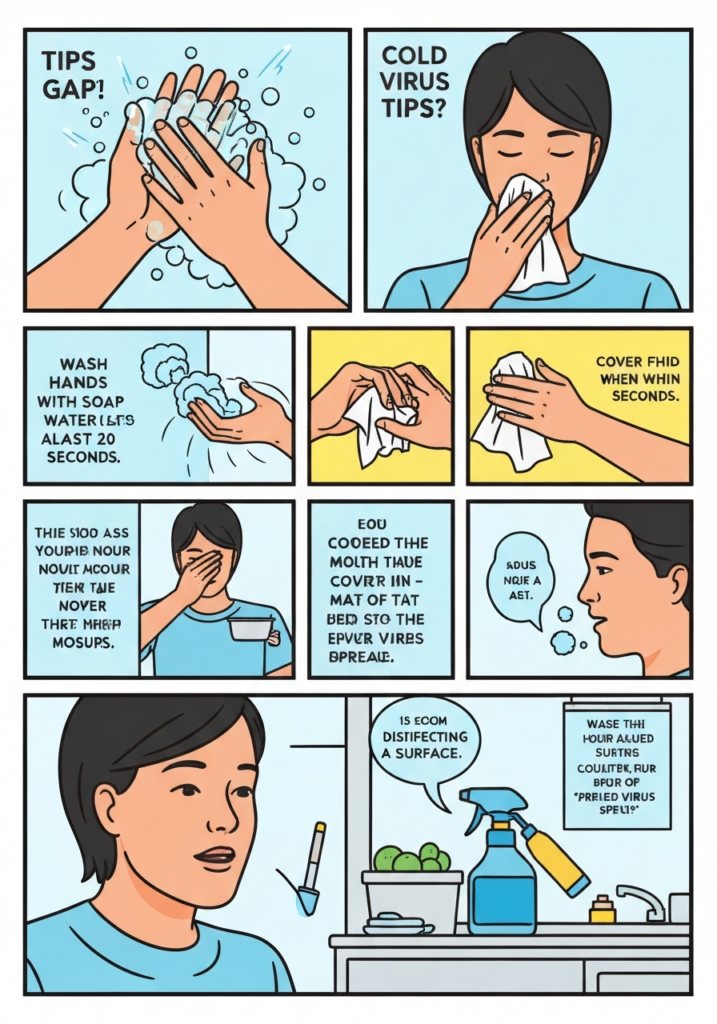
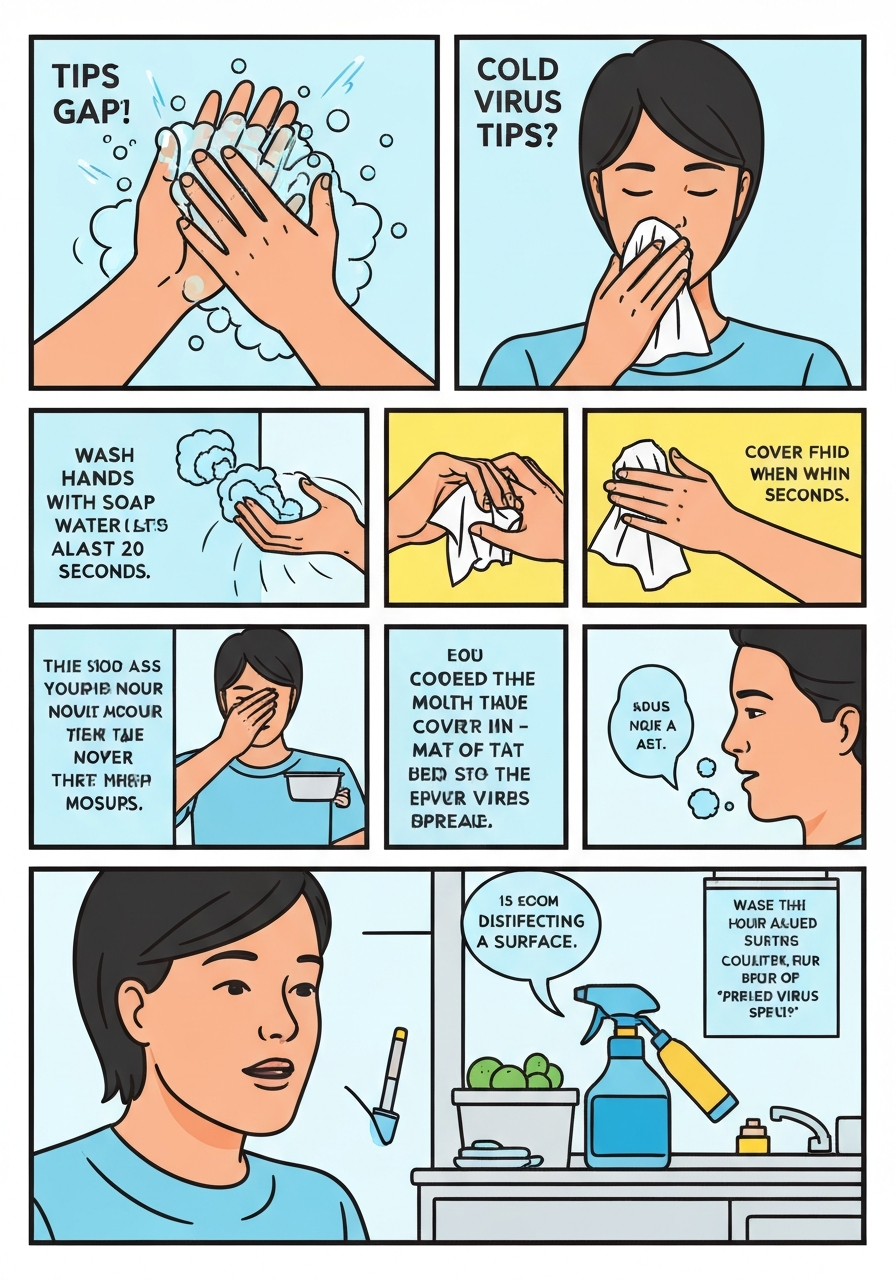
Frequent hand washing is the single most effective way to stop the spread of germs. Wash your hands with soap and warm water for at least 20 seconds, especially after coughing, sneezing, or blowing your nose. Also, try to avoid touching your face, as this is a common way for the cold virus to enter your body.
Here are a few key tips to keep your germs to yourself:
- Wash your hands often: Use soap and water or an alcohol-based hand sanitizer.
- Cover your mouth and nose: Sneeze or cough into a tissue or your elbow, not your hands.
- Clean surfaces: Regularly wipe down frequently touched items like doorknobs, phones, and keyboards.
Conclusion
In conclusion, recovering from a cold requires a mix of immediate action and ongoing care. By recognizing the early symptoms and understanding the best way to prioritize rest, hydration, and effective home remedies, you can alleviate discomfort and speed up your recovery. Additionally, being proactive about preventing complications not only benefits your health but also protects those around you. Remember, taking care of yourself during this time is vital. If you’re looking for personalized guidance or want to explore effective treatments, feel free to reach out for a free consultation. Your health is worth it!
Frequently Asked Questions
Are there cold treatments I should avoid?
Yes, you should avoid smoking and drinking alcohol when you have a cold. Smoking irritates your airways, especially in dry air, and slows healing, while alcohol causes dehydration. Also, be careful with cold medicines and avoid taking duplicate doses of active ingredients, as this can lead to harmful side effects.
When should I see a doctor about my cold?
You should see a doctor if your symptoms don’t improve after 10 days, you have a persistent high fever for more than three days, or you experience difficulty breathing or chest pain. These could be signs of a more serious issue like a bacterial infection or sinus infections.
Can you speed up recovery with supplements or vitamins?
Some supplements may help. Taking zinc within 24 hours of your first symptoms may shorten a cold by about a day to get the full benefit. While vitamin C won’t prevent a cold, ensuring you get enough through your daily intake of fruit may slightly reduce how long you are sick.
https://www.chemist-4-u.com/team/jason-murphy
https://www.ncbi.nlm.nih.gov/books/NBK279544
https://www.ncbi.nlm.nih.gov/pmc/articles/PMC9773393
https://www.ncbi.nlm.nih.gov/pubmed
https://order.store.mayoclinic.com/flex/mmv/hremed1
https://pmc.ncbi.nlm.nih.gov/articles/PMC7185598