

How to Build a Simple Skin Care Routine

Key Highlights
- A simple skincare routine starts with three core steps: cleansing, moisturizing, and applying sun protection.
- Understanding your skin type—whether oily, dry, combination, or sensitive—is crucial for selecting the right products.
- Consistency is the key to an effective routine; results appear over time, not overnight.
- Protecting your skin barrier is essential for maintaining hydration and preventing irritation.
- You can introduce active ingredients like Vitamin C or retinol to target specific concerns like dark spots.
- Always finish your morning routine with broad-spectrum sun protection to prevent sun damage.
Introduction
Starting a skincare routine may seem hard at first, but you can get healthy, glowing skin by doing it every day in the same way. A good daily skincare routine is the best way to fight common skin concerns like dryness, acne, and redness. When you follow a few simple steps, you help your skin stay strong and look better. You will see your skin get smoother, and the appearance of fine lines can get less. This guide will show you the right steps for your skincare routine so you can find what works for you and help you get your best skin.
Understanding the Basics of Skin Care

Your genes play a big role in your skin type. This affects things like how big your pores are, and how much oil you have on your skin. You cannot change what type of skin you have. The type could be normal, oily skin, dry skin, combination skin, or skin that is sensitive. Still, you can take care of your special skin type by using skin care products in a simple and regular way.
Why a Skin Care Routine Matters
Have you ever thought about why a daily skin care routine matters? It is more than just looking nice. It is about keeping your skin healthy. Your skin is the largest organ you have. When you stick with a simple routine, you help clean away impurities and remove dead skin cells. This stops your skin from looking dull or getting blocked pores. Your routine also acts like a shield. It protects the skin from things in the environment that can harm it.
Also, sun damage is a big concern for many people. One of the top benefits of following a routine every day is that it helps protect you from the sun. When you use sunscreen daily, you fight off the UV rays that cause signs of aging and can lead to serious skin problems. If you think of your routine as something you do every day, it is like you are taking care of your skin for the long run. It helps your skin stay healthy and strong.
If you are new to skin care, the best way for you to start is by using simple steps. Just use a gentle cleanser, the right moisturizer, and make sure you put on a broad-spectrum sunscreen. With those three, you cover your main needs. Once you get the hang of these steps, you can slowly add more products for your own skin concerns, such as removing dead skin or protecting against sun damage and signs of aging.
How Skin Functions and Changes With Age
Your skin is always working to renew itself. But as you get older, these natural actions slow down. One big change is that collagen production goes down. Collagen gives your skin its shape and springiness. When there is less collagen, you get a loss of firmness.
Hormonal changes can also change how your skin feels and holds moisture. These inside changes, mixed with years in the sun or bad weather, can help fine lines and wrinkles show up. Your skin can also get drier because it cannot hold onto water as well as before.
A simple skin care routine each day helps your skin as it goes through these changes. The basic steps are cleansing, moisturizing, and sun protection. These steps give your skin its most important help to stay healthy. Cleansing gets rid of dirt. Moisturizing helps keep the skin’s barrier strong. Using sunscreen gives sun protection and keeps aging from speeding up.
Common Skin Types and How They Affect Your Routine
Identifying your skin type is the first step before you build a good skincare routine. Your skin type comes from your genetics and decides how your skin will act. It also affects how much oil your skin will make. You will not be able to change your skin type, but you can manage it with the right care and products.
The main skin types are divided into five groups. Knowing your skin type will help you pick products that balance your skin. This will stop more problems. For example, a cream made for dry skin may be too thick for someone with oily skin.
Here are the most common skin types:
- Oily Skin: The skin has sebaceous glands that make excess oil. This leads to a shiny look and large pores.
- Dry Skin: The skin makes less oil, and so it may feel dry, rough, or flaky. The pores are small, and fine lines might be easy to see.
- Combination Skin: The skin has oily and dry patches. Most often, the forehead, nose, and chin are oily (the T-zone), while the cheeks can be dry.
- Sensitive Skin: The skin will get irritated easily and can have redness, itching, or stinging. Sensitive skin may react because of products or changes in the weather.
Key Principles for a Beginner-Friendly Skin Care Routine
The basics matter most. You need a gentle cleanser, a hydrating moisturizer, and sunscreen that you use every day. These steps help build good skin and a strong skin barrier. When you stick with them, your skin becomes healthy. After this, you can add things for your own needs, but take your time.
Keeping It Simple: Less is More
In the world of skincare, there are a lot of trends that ask you to try long routines with many steps. But for most people, and especially if you are new to this, the best approach is to keep your skincare routine simple. Using just what you need helps you stay on track and can work better for your skin.
If you use too many products or if those products have strong active ingredients, your skin may get overwhelmed. This can cause irritation, redness, and can even damage the skin barrier. That is not what you want. Instead, it’s best to pay attention to what your skin’s needs are and give it the right care.
Begin with a basic skincare routine. Start by cleansing your face, using a moisturizer, and always adding sun protection. These simple steps are important because they help keep your skin clean, give it moisture, and protect it from damage. After you get used to this foundation, you can try adding one new product at a time. For example, you could use a serum or an exfoliant, then watch to see how your skin reacts.
The Importance of Consistency
Healthy skin does not show up out of the blue. One of the most important things for an effective skincare routine is sticking with it every day. You need to use your skin care products as part of a daily routine to make them work well and give real results. If you put them on once in a while, the ingredients cannot do what they are made to do.
Think about it like working out or eating good food. These habits show their good effects over time. To get benefits, you must always use products that match your skin type. When you do this each day as part of your skincare routine, you help your skin stay strong. You help take care of its needs and keep it healthy. Good habits can stop problems before they happen.
It takes time for even the top skin care products to show clear improvements. You may need to wait between six and twelve weeks before you can see a big change. Be patient and keep to your daily routine. Your effort will lead to skin that looks better and feels better.
How to Avoid Common Skin Care Mistakes
It can be hard to figure out the right way to care for your skin. There are some mistakes that people make without knowing it, and these can stop you from fixing your skin concerns. When you know what to look out for, that is the first step that helps you make a routine that will work for you. One common mistake is not cleaning your face well.
If you have makeup on, or use heavy sunscreen, just washing your face once might not take off all the stuff. Double cleansing is a way that can help. First, use something oily like a makeup remover or oil-based cleanser. After that, wash your face again with a water-based cleanser. This way, your skin will be really clean and ready for the next step in your routine.
Here are some other mistakes to watch out for:
- Using very strong cleansers: These can take away the natural oils from your skin. That can hurt your skin barrier, bring irritation and make your skin create more oil.
- Skipping moisturizer: Oily skin still needs to be kept moist. If you do not use a moisturizer, your skin will try to make up for it and produce even more oil.
- Putting products in the wrong order: If you do this, your skin may not absorb products well. That can make them work less on your skin.
- Forgetting sunscreen: You should always use sun protection. This step keeps you from getting skin damage or signs of premature aging.
What You’ll Need to Get Started
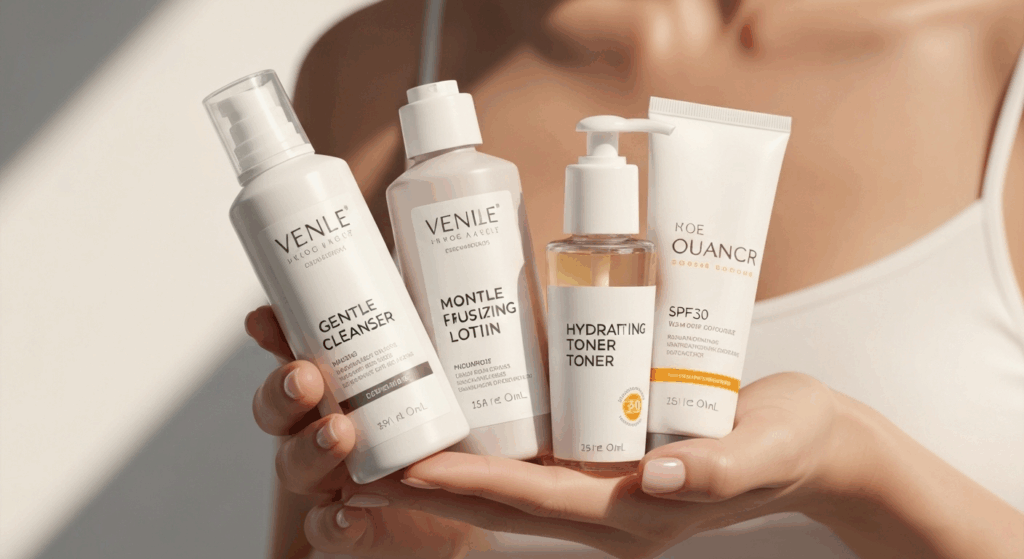
When you begin, focus on what each product does for your skin. Do not worry about the brand or what the bottle looks like. Try to find key ingredients, like hyaluronic acid if your skin needs extra hydration or salicylic acid if you want to help clear breakouts. The next sections will tell you more about which basic skincare products you need and what extra products you might want to use.
Essential Products for Every Beginner
If you are starting out with skincare, there are a few basic products you must have in your daily routine. These are needed no matter what your skin type is. When you get the hang of these three, it sets you on the right path to better skin.
You need these products because they help keep your skin clean, give it moisture, and protect it. A cleanser is used to wash the dirt and oil off your skin. A moisturizer helps hold in water, keeps your skin barrier healthy, and stops your skin from drying out. Sunscreen protects your skin from sun damage. At night, switch your daily moisturizer for a thicker night cream that helps repair your skin as you sleep.
Here are the products you need to get started:
- Cleanser: This helps you get rid of dirt, oil, and anything else your skin does not need. It’s gentle, so it will not make your skin dry.
- Moisturizer: This keeps your skin soft and stops it from drying out. Choose a lotion, gel, or cream, depending on your skin type.
- Sunscreen: Use something that has SPF 30 or higher and covers a wide range of UV rays. Put it on every day to protect your skin from the sun.
- Night Cream: This is usually a thicker cream. Put it on before bed to help your skin heal and stay hydrated overnight.
Optional Add-ons and Tools
After you get the basics right with cleansing, moisturizing, and sun protection, you might want to add more steps to your skincare routine. These optional treatments can help you with things like fine lines, dark spots, or even breakouts that happen sometimes.
The products in these steps use stronger or more focused active ingredients. For example, antioxidant serums can make your skin look brighter and also protect it from harm that comes from the world around us. A good eye cream is made to take care of the skin around your eye area, as this skin is thin and special care is needed there.
Think about adding these options to your routine:
- Serums: These have strong active ingredients such as vitamin C or hyaluronic acid that help with certain problems.
- Eye Cream: This is made just for the thin, soft skin around your eyes.
- Face Mask: You can use this every week to help with moisture, clean out your skin, or make it feel firmer.
- Spot Treatment: This goes right on blemishes to help them heal quicker. If you have sensitive skin, it is a good idea to use a calming face mask or a gentle and hydrating serum.
Adding some of these targeted products can help you get even better results from your routine.
How to Choose the Right Products for Your Skin Type
Selecting the best products for your routine depends entirely on your skin type. What works wonders for oily skin can be ineffective or even irritating for dry skin. The goal is to find formulas that help balance your complexion and address its unique needs.
For example, if you have oily skin, you will want to look for lightweight, non-comedogenic products that control shine without stripping your skin of moisture. Conversely, if you have dry skin, you should seek out rich, creamy formulas packed with hydrating ingredients to replenish moisture.
This table offers a simple guide to choosing the right types of products:
| Skin Type | Cleanser Type | Moisturizer Type | Key Ingredients to Look For |
|---|---|---|---|
| Oily Skin | Foaming or Gel | Lightweight Gel or Lotion | Salicylic Acid, Niacinamide, Clay |
| Dry Skin | Cream, Oil, or Balm | Rich Cream | Hyaluronic Acid, Ceramides, Glycerin |
| Combination Skin | Gentle Foaming | Lightweight Lotion | Hyaluronic Acid, Antioxidants |
| Sensitive Skin | Micellar Water or Cream | Fragrance-Free Lotion or Cream | Chamomile, Calendula, Oat |
Step-by-Step Guide: Building Your Simple Skin Care Routine
 Now that you know the basics and have your products, it is time to start putting your skincare routine together. The way you use and layer these products matters a lot if you want your routine to work well. The usual rule is simple: put on products from the thinnest to the thickest. This helps each one soak in well before you put the next one on.
This easy guide will take you through each part of your skincare routine in order. You will start with the first step of cleansing. The last step is to make sure you have sun protection. When you follow this order, you can be sure that each product can do its job. Nothing heavier will block the lighter ones, so your routine will be more effective.
Step 1: Cleansing – The Foundation of Any Routine
Cleansing is the first step in every skincare routine. You need to have a clean face so that the products you use next can go into the skin and work well. Wash your face two times every day, once in the morning and again at night. This helps get rid of oil, dirt, and other things that might block your pores.
If you wear makeup or use a sunscreen that does not come off with water, one wash may not be enough. In this case, double cleansing is a good idea. First, use a makeup remover or oil cleanser. This product helps to break down and wash away makeup, sunscreen, and too much oil. Oil sticks to oil, so it helps to pull these things out of your skin without taking away what your skin needs.
After you finish the first step, it is time for a water-based gel or cream cleanser. This second wash gets rid of anything that is still left on your face. It really cleans your skin so it is ready to use toner, serums, and creams.
This double cleansing way makes sure your face is clean and ready for the next steps in your skincare routine.
Step 2: Toning – Balancing and Prepping the Skin
After you clean your face, the next thing to do is use a toner. In the past, toners were often strong and had a lot of alcohol. That made skin feel tight and dry. Now, toners are better and do more for your skin. Today, they help finish up the cleaning, balance your skin’s pH, and get your skin ready for what comes after.
New toners, essences, and mists have many good things for your skin. They help bring back water to your face and protect the skin barrier. This makes it easier for your skin to take in all the active ingredients in your serums and creams. You can think of a toner as the conditioner to your cleanser’s shampoo.
Some toners also give soft exfoliation. They use things like glycolic acid or lactic acid to clear away dead skin cells and make your skin feel smoother. If you are new to this, the best choice is a simple, water-based toner. You can put it on with a cotton pad or use your fingers to pat it onto your skin.
Step 3: Moisturizing – Hydration for All Skin Types
Moisturizing is very important. Everyone should use a moisturizer, no matter what their skin type is. If you put moisturizer on your face twice every day, it can keep your skin soft and hydrated. It also protects it by making a seal on top of your skin. This seal keeps moisture and all the good things from your other products in.
A good moisturizer does more than add water to your skin. The best ones can support your skin’s natural barrier. If this barrier is strong, it can hold moisture well and keep out things that might bother your skin. Over time, this helps your skin feel better and look brighter. Some people even start to see a change in their skin texture and get a healthy glow as a result.
When you buy moisturizer, try to choose one with hydrating things like hyaluronic acid. Hyaluronic acid is special because it holds a lot of water. Look for other helpful ingredients too, like ceramides and vitamin e. If you have oily skin, you still need to use a moisturizer to help balance it. Go for a light, oil-free one to stop your skin from making too much oil because it feels too dry.
Step 4: Sun Protection – Why SPF Is Non-Negotiable
The last and most important step in your morning skincare routine is sun protection. You should use sunscreen every day. Dermatologists all say that sunscreen matters for your skin’s health and look. This is the main way to help your skin avoid dark spots, sun damage, and premature aging.
Being in the sun, even a little bit, makes skin age faster. You may get wrinkles, lose skin bounce, and see more dark spots. That sun exposure also puts you at risk for skin cancer. You need to wear sunscreen with broad-spectrum cover daily, even if it is cloudy or you stay indoors most of the time.
Choose a sunscreen with SPF 30 or above. Put it on as the last step to end your skincare routine.
- Broad-Spectrum: Protects you from UVA, which leads to aging, and UVB, which will burn your skin.
- Daily Use: Each day adds up. It is best to apply sunscreen all year.
- Apply Generously: Cover your whole face with about a nickel-sized amount.
- Include Neck and Hands: Don’t leave out your neck or the backs of your hands. These also need sunscreen.
Use this step every morning for good safety from sun damage, dark spots, and other skin concerns. This simple step can help lower your risk for skin cancer and keep your skin looking healthy over time.
Morning vs. Night: When and How to Apply Products
 Your skin’s needs change during the day, so it’s important to change your skincare routine when you need to. In the morning, you should protect your skin from the sun and other things around you. At night, you want to use your skincare routine to help your skin repair and get better. Doing this gives your skin what it needs at the best time.
In the morning, focus on protecting your skin with things like antioxidants and sunscreen. At night, you can use stronger active ingredients and a richer night cream. This helps when there is no UV light to cause problems. Knowing this shows you how to get the most out of your skincare routine.
The Correct Order of Morning Skin Care
Your morning routine helps get your skin ready for the day. The main focus is to protect your skin from free radicals in the environment and to guard your skin against the sun. Doing the steps in the right order makes sure every product works the way it should.
After you wash your face, you need to use any treatment products. Putting on an antioxidant serum with vitamin c in the morning is a good idea. This serum helps fight free radicals, makes your skin look brighter, and can help your sunscreen work better. After this, you should use a hydrator like a simple moisturizer.
The correct order for a full morning routine goes like this:
- Step 1: Cleanser: Wash your face to get it clean.
- Step 2: Toner (Optional): Help your skin get balanced for the next steps.
- Step 3: Antioxidant Serum: Use a serum with vitamin c for an extra layer of protection.
- Step 4: Eye Cream (Optional): Apply gently to the eye area.
- Step 5: Moisturizer: Keep skin soft and lock in moisture.
- Step 6: Sunscreen: This is the last step before you put on makeup.
The eye area needs to be cared for at this time. Make sure your morning steps help protect your skin from sun, free radicals, and give your skin what it needs for the day. Remember, sunscreen is your last
Best Practices for Nighttime Skin Care
Your skin goes into repair mode when you sleep. This makes your nighttime routine great for tackling certain skin concerns and helping your skin heal. At night, you can use strong active ingredients that might make your skin more sensitive to the sun, like retinol.
At night, the main goal is treatment and keeping your skin deeply hydrated. After cleansing and toning, you can put on serums that help with skin repair. Retinol is good for nighttime use. It helps with cell turnover and boosts collagen production. These things work together to lessen the appearance of fine lines and wrinkles.
End your routine with a rich night cream. Night creams are often thicker than the ones you use during the day. They are made to give deep hydration and help your skin get better during sleep. Using these steps lets your skin renew overnight. You wake up with skin that feels softer and looks more refreshed. This can be a good way to make fine lines less noticeable and make your skin look good.
Adjusting Your Routine for Day and Night Needs
The main difference between what you do for your skin during the day and at night is why you do it. Your morning routine is there to protect your skin. Your evening routine helps repair it. Knowing this will help you pick the right products for your skin at the right time.
In the day, your skin comes in contact with UV rays and pollution. So, you need products with ingredients that help protect your skin. At night, your skin works on repairing itself. This is the best time to use active ingredients that help it heal and deal with skin changes.
Here’s a short look at what makes each routine different:
- Morning Goal: Protect. Try to use antioxidants like vitamin c. Don’t forget sunscreen.
- Night Goal: Repair. Use strong active ingredients, like retinoids, peptides, and exfoliating acids.
- Moisturizer Weight: Use a light moisturizer in the day. At night, use a heavier night cream for extra moisture.
- Key Products: Sunscreen is for the day routine only. Keep retinol and stronger treatments for your night routine.
Customizing Your Routine for Your Skin’s Unique Needs
A basic routine is good to start with, but you get the best results when you change it to fit your skin’s needs. After you learn the important steps, you can pick products that match your skin type and any problems you have. This is how you make your routine work well for you.
If you have dryness, breakouts, or you see signs of aging, there are products that can help. Listen to your skin and change things when you need to. If problems keep coming back, doing what a dermatologist suggests can give you strong answers for your own complexion.
Tips for Dry, Oily, and Combination Skin
Trying to take care of dry, oily, or combination skin is about choosing the right products to help bring things back into balance. The best approach is to use products that match with how your skin acts, whether you feel dryness or see too much oil.
If you deal with oily skin, you want to control excess oil and keep your pores clean. Be gentle, though. Don’t use anything harsh, since that can make your skin make even more oil. When you have dry skin, you need to add moisture and protect your skin barrier. Folks with combination skin should split their routine. Treat different parts of the face based on what they need most.
Here are some fast tips for each kind:
- For Dry Skin: Pick a cream cleanser and use a good moisturizer with ceramides and hyaluronic acid to help with dry areas.
- For Oily Skin: Go for gel or foam cleansers and try a light, oil-free moisturizer. This helps keep excess oil and clogged pores away.
- For Combination Skin: Use a gentle cleanser. Try “multi-masking”—put a clay mask on your T-zone and a hydrating mask with hyaluronic acid on areas that are dry.
- Best Approach: Always remember to moisturize. Even if you have oily skin, not giving your face enough moisture sometimes leads to more excess oil.
This way, you help your skin look good all year and support the skin barrier well, no matter what
Sensitive Skin Solutions: What to Use and Avoid
Sensitive skin needs a gentle approach. Research shows that many people say they have some form of sensitive skin. The main idea is to help calm the skin and build up the skin barrier, not break it down with harsh products.
When picking products, go for ones that are mild and have soothing ingredients. It is good to keep your routine simple and avoid things that are known to cause redness or swelling. Always try out new products on a small area before you use them on your whole face.
Here is what to use and what not to use if you have sensitive skin:
- Do Use: Gentle and creamy cleansers. Pick products with calming ingredients like chamomile, calendula, and oat.
- Do Look For: Products that are labeled “fragrance-free” and “hypoallergenic.”
- Avoid: Stay away from rough scrubs, anything with lots of alcohol, and products that have made-up scents.
- Focus On: Helping the skin barrier and making it stronger. Look for ceramides and things that keep skin hydrated.
Anti-Aging Basics: Supporting Mature Skin
As skin gets older, it usually makes less collagen and loses some of its stretch. This can cause the common signs of aging, like fine lines, wrinkles, and skin that sags. With a good skincare routine, it is possible to help the skin stay strong and keep these changes from being so clear. You need to focus on keeping skin hydrated, protecting it, and using products that help skin cells refresh.
Antioxidant serums should be part of your daily skincare routine. The serums help stop damage from free radicals, which can make signs of aging worse. Try to find ingredients that are known to raise collagen production and make skin texture better.
If you want to care for mature skin, use these types of products:
- Retinoids: This is made from vitamin A. It works well for making more collagen and for cutting down on fine lines.
- Peptides: These are made out of amino acids. They help create collagen and make skin feel firmer.
- Antioxidant Serums: Vitamin C does a good job of making skin look brighter and of protecting it from damage from things outside.
- Hydrating Moisturizers: Skin that is older is often dry, so a thick moisturizer with hyaluronic acid is very important.
Seasonal and Lifestyle Adjustments
Your skin is not always the same. It reacts to things like the weather, your habits, and other external factors. Because of this, you may need to change your skincare routine when the seasons or your lifestyle change. If you do not pay attention to skin changes, you could have new skin concerns or even skin damage.
For example, in winter the air is dry. You may need a heavier moisturizer at that time. But in summer, there is more humidity, so a lighter product can be better. You should notice what your skin needs and change your routine when needed. This will help keep your skin healthy all year and lower the risk of problems.
Changing Your Routine for Different Seasons
Have you ever noticed your skin feels different in the winter compared to the summer? This change is because temperature and humidity shift with each season. These changes in weather can directly affect your skin. You may need to change your skincare routine to help support your skin barrier so it can handle the new conditions.
When it is winter, the cold air and indoor heating can take the moisture out of your skin. This often leads to dry skin and irritation. In summer, the heat and humidity make your skin produce more oil, which can lead to excess oil and clogged pores. Sun protection is important all year long, so do not skip it. It may help to use different textures for your other skincare products depending on the season.
Here’s how you can adjust your skincare routine as the seasons change:
- Winter: Use a richer, cream-based moisturizer to help fight dry skin. Try a gentle, hydrating cleanser to keep your skin feeling soft.
- Summer: Pick a lightweight, gel-based moisturizer and a foaming cleanser to deal with excess oil.
- Exfoliation: Exfoliate less often in the winter so you do not make dry skin worse.
- Sunscreen: Always use a sunscreen with at least SPF 30+. You might want a more hydrating sunscreen in winter and a lighter one for summer sun protection.
Skin Care Tips for Busy Lifestyles
Living a busy life does not mean you have to give up on healthy skin. The best ways to keep your glow, even when you are always on the move, is to make a skincare routine that is simple and easy to follow. You will not need many steps in your daily routine. Just be consistent with a few main skincare products.
It’s good to go for products that can do more than one thing at the same time. For example, a moisturizer with SPF is helpful because it takes care of your skin and protects you from the sun in one step. Another good option is a cleansing balm. It can get rid of makeup and clean your skin at once, so your nightly skincare routine is faster.
Here are some tips for a simple skincare routine:
- Combine Steps: Use a moisturizer that has a broad-spectrum sunscreen during the morning.
- Keep Essentials Handy: Carry travel-sized skincare products in your gym bag or purse.
- Prioritize the Basics: If you do not have much time, always do cleansing, moisturizing, and use SPF in the morning.
- Use Overnight Masks: Before bedtime, put on a hydrating mask or a treatment mask and let it help your skin while you sleep.
How Diet and Sleep Affect Your Skin
A good skincare routine can make a big difference, and it works best when you have a healthy lifestyle. The things you eat and how much you sleep affect the way your skin looks and feels. If you have a poor diet or you do not get enough sleep, the best products may not help as much.
When you sleep, your skin works to fix itself. It makes new cells and tries to get better after stress from the day. Not getting enough sleep can stop this work. This can make your skin dull, cause dark circles, and make your skin barrier weaker. What you eat also matters. When you enjoy foods with lots of antioxidants, you help your skin fight damage caused by free radicals.
But if you choose a poor diet filled with added sugar and many processed foods, this can lead to breakouts and make the skin feel puffy. To help your skincare routine work as well as possible, try to get 7-9 hours of good sleep each night. Eat meals that have fruits, veggies, and healthy fats. Looking after the inside of your body is the best way to get that glow and have your skin look its best.
Conclusion
Building a simple routine for your skin is important. It helps keep your skin looking healthy and fresh. You need to know what your skin type is. You also have to stick with your routine every day. This way, you will deal with different skin problems well. It is better to keep things simple. The main steps you should follow are cleansing, toning, moisturizing, and using sun protection. Change your routine when the weather changes or your life gets busy. Also, pay attention to what products you use on your skin. When you follow these tips, your skin can look better over time. If you want tips that fit your skin type, try getting advice from a skin expert. They will help you find what works best for your skin care.
Frequently Asked Questions
How do I know if my skin care routine is working?
You will know your skin care routine is working when you start to see good skin changes. This can be better skin hydration, even skin tone, or smoother skin texture. You must give your routine at least six weeks to see results. If you keep having problems, one of the best ways to know about your progress is to ask a dermatologist for help.
Can I skip certain steps if I’m in a hurry?
If you need to get ready fast, the best approach is to use the essential skin care products. Always clean your face, put on a moisturizer, and use sunscreen each morning. You should not skip these steps in your daily routine. There are other skin care products you can use, but these three steps are the key to a good skincare routine. They help your skin stay healthy and make it easy to keep up with your daily routine.
What should I do if I experience irritation or breakouts?
If you start to feel any irritation, stop using new products right away. Go back to a simple routine with just a gentle cleanser and a moisturizer. This can help your skin barrier get better. If you have skin concerns that do not go away or big breakouts, you should see a dermatologist for advice. It is better than using only spot treatment.
How often should I update my skin care products?
You should update your skin care products when your skin’s needs change. This can be because of things like the season or if a product does not work for you anymore. When you start using new products with active ingredients, add them one at a time. This helps you to see how your skin reacts to each one.
Citation:
[1] Duarte, I., Silveira, J. E. P. S., Hafner, M. F. S., Toyota, R., & Pedroso, D. M. M. (2017). Sensitive skin: review of an ascending concept. Anais Brasileiros de Dermatologia, 92(4), 521–525. The text uses information from the American Academy of Dermatology and shows an example with the 50% figure about sensitive skin. This academic source talks about how common sensitive skin is and ways to help manage it. All the blog information is from the compiled text itself.
https://medicine.yale.edu/profile/mona-gohara
https://www.dermnetnz.org/topics/barrier-cream
https://www.jdoqocy.com/click-100543811-15515672
https://www.bezzydepression.com
https://www.awin1.com/cread.php