


Sleep Wellness and Drugs: Choosing the Right Prescription

Key Highlights
- Improving sleep wellness is crucial for both physical and mental health, but many people experience sleep disorders.
- Prescription drugs are available for conditions like insomnia, but they come with potential side effects.
- Understanding the different types of sleep aids, from benzodiazepines to newer medications, helps in making informed choices.
- Working with a health care provider is essential to find the right treatment and manage risks.
- Non-drug therapies like cognitive behavioral therapy are often recommended as a first-line treatment.
- It’s important to be aware of the risks of dependency and long-term side effects associated with sleep medication.
Introduction
Staring at the ceiling when you should be sleeping is frustrating. If you’re struggling with your sleep quality, you’re not alone. Many people face challenges with getting enough rest, which can impact every aspect of life. The world of sleep medicine offers various options, including prescription drugs for the treatment of insomnia. This guide will walk you through understanding sleep wellness, the types of medications available, and how to work with your doctor to choose the right path for a better night’s sleep.
Understanding Sleep Wellness and Its Importance
Achieving sleep wellness means getting consistent, quality sleep that leaves you feeling refreshed and ready for the day. It’s a cornerstone of your overall well-being, influencing everything from your mood to your immune system. When sleep is disrupted, it can take a toll on both your physical and mental health.
Recognizing the importance of sleep is the first step toward addressing potential issues. If you’re struggling with sleep disorders, seeking support from a health care professional is key. They can help determine the cause and recommend the safest approach, which may or may not include medication. Let’s explore how sleep specifically impacts your physical and mental state.
The Role of Quality Sleep in Physical Health
Your physical health is deeply connected to your sleep patterns. Getting quality sleep allows your body to rest and repair itself, which is vital for maintaining a healthy immune system and regulating functions like blood pressure. Without adequate rest, you may become more susceptible to various health conditions.
Developing good sleep habits is a proactive way to support your body. However, for some, even with the best habits, sleep remains elusive due to underlying issues. This is where medical intervention might become necessary. For instance, people with insomnia may have trouble falling or staying asleep, and sleeping pills can help by making them feel drowsy and relaxed.
These medications work in different ways to promote sleep. Some sleeping pills work by silencing the area of your brain that keeps you alert, while others stimulate chemicals that lead to sedation. This helps individuals with insomnia get the rest they need to support their overall physical health.
How Poor Sleep Impacts Mental Wellness
The connection between sleep and mental health is undeniable. When you don’t get enough rest, you might experience increased irritability, difficulty concentrating, and mood swings. Persistent sleep problems can contribute to or worsen mental health conditions like anxiety and depression.
For many people with sleep disorders, the cycle of poor sleep and declining mental wellness can feel overwhelming. This is why treatments like cognitive behavioral therapy (CBT) are often recommended, as they address the behaviors and thoughts that interfere with sleep. However, sometimes medication is needed to break the cycle. The main side effects of these medications can include daytime sleepiness, dizziness, and digestive issues.
It’s important to be aware of the risks. Some prescription sleeping pills can cause parasomnias, where you might eat, walk, or even drive while mostly asleep. Understanding these potential effects is crucial when considering medication for sleep.
Factors Affecting Healthy Sleep Patterns
Several factors can disrupt your sleep patterns, many of which are tied to your daily routines and environment. Making positive lifestyle changes and practicing good sleep hygiene can significantly improve your ability to get a good night’s rest. Your nervous system is sensitive to stimulants and stress, which can keep you awake.
Certain sleep behaviors can make it harder to fall asleep. To improve your sleep, consider addressing these common issues:
- Consuming caffeine or large meals too close to bedtime.
- Using electronic devices before trying to sleep.
- Not maintaining a consistent sleep schedule, even on weekends.
- An uncomfortable or disruptive sleep environment.
Additionally, some medications can interfere with sleep. Certain antidepressants or drugs for other health conditions can cause sleep disturbances or worsen insomnia. It’s always a good idea to discuss all your current medications with your healthcare provider if you are having trouble sleeping.
Overview of Sleep Disorders Requiring Medication
While lifestyle adjustments can resolve many sleep issues, some sleep disorders require medical intervention. Chronic insomnia, for example, is a persistent condition that often benefits from a structured treatment of insomnia, which may include prescription medications. These drugs are typically recommended for short-term use to help reset sleep patterns.
Working with a health care professional is crucial to diagnose the specific disorder and determine if medication is the right choice. There are several classes of drugs prescribed for sleep disorders, including benzodiazepines, Z-drugs, and certain antidepressants. Let’s look closer at some of these conditions and the symptoms that signal a need for medical help.
Common Types of Insomnia
Insomnia is characterized by difficulty falling asleep, staying asleep, or both, leading to unrestful sleep. When these sleep problems occur at least three nights a week for three months or longer, it’s considered chronic insomnia. This long-term condition can significantly impact your daily life and overall health.
Finding the right solution often involves a combination of therapy and, in some cases, insomnia medicines. Your doctor will help you navigate the options based on the specific nature of your trouble sleeping. A comprehensive list of medications for insomnia includes several categories, such as benzodiazepines, non-benzodiazepine receptor agonists (Z-drugs), melatonin receptor agonists, and certain antidepressants.
Each class of medication works differently and comes with its own set of considerations. For example, some are better for helping you fall asleep, while others are designed to help you stay asleep. Your healthcare provider can determine the most suitable option for your unique situation.
Other Sleep Disorders That May Need Prescription Drugs
Beyond insomnia, other sleep disorders can cause significant sleep disturbances and may require prescription drugs as part of a treatment plan. These conditions can stem from various causes, including underlying health conditions or lifestyle factors like shift work.
Some of these disorders include:
- Restless Legs Syndrome (RLS): An uncontrollable urge to move your legs, usually because of an uncomfortable sensation.
- Sleep Apnea: A serious condition where breathing repeatedly stops and starts during sleep. While sedatives can worsen it, other medications may be used as part of a broader treatment plan.
- Narcolepsy: A chronic neurological condition that affects the brain’s ability to control sleep-wake cycles.
- Night Terrors and Parasomnias: Disruptive sleep disorders that can involve dangerous behaviors while asleep.
For individuals recovering from drug or alcohol addiction, sleep can be particularly challenging. While some sleep medications carry a risk of dependence, a healthcare provider can carefully select and monitor a non-addictive option to help manage sleep issues during recovery, often alongside behavioral therapies.
Symptoms Indicating the Need for Medical Support
It can be tough to know when your sleep issues warrant a trip to the doctor. If you’ve tried improving your sleep hygiene and are still struggling, it might be time to seek medical support. Persistent problems can take a toll on your nervous system and overall well-being.
You should consider talking to a health care professional if you experience the following symptoms:
- Chronic difficulty falling or staying asleep.
- Constant fatigue and daytime sleepiness.
- Morning headaches.
- Waking up gasping or choking.
- Unusual behaviors during sleep, like sleepwalking.
Someone should consider prescription sleeping pills over counter medications when their sleep problems are chronic and significantly impact their quality of life, and when OTC aids have proven ineffective. A doctor can properly diagnose the underlying cause and prescribe a stronger, more targeted treatment if necessary.
Prescription Drug Types for Sleep Wellness
When lifestyle changes aren’t enough, prescription drugs can be an effective sleep aid. The field of sleep medicine offers several types of medications designed to help you fall and stay asleep. The proper drug administration depends on your specific symptoms, medical history, and the underlying cause of your sleep problems.
Commonly prescribed drugs for sleep disorders include benzodiazepines, non-benzodiazepine hypnotics (often called “Z-drugs”), melatonin receptor agonists, and certain antidepressants. Each type works differently in the brain to promote rest. The following sections will provide a closer look at these categories.
Benzodiazepine Hypnotics: Uses and Considerations
Benzodiazepines are a class of prescription medications that have strong sedative effects. They work by enhancing the effects of a neurotransmitter called GABA in the brain, which slows down the nervous system, leading to sedation and muscle relaxation. Common examples include temazepam (Restoril) and triazolam (Halcion).
These drugs are often prescribed for short-term use to treat severe insomnia because they can be habit-forming. Due to their potential for abuse and dependence, they are classified as controlled substances. Your doctor will carefully consider if the benefits outweigh the risks for your situation.
When considering the safest prescription drugs, newer medications are often preferred over benzodiazepines for long-term use due to a better safety profile. However, for short-term relief from acute insomnia, benzodiazepine receptor agonists can be effective when used as directed by a healthcare provider.
Non-Benzodiazepine Sleep Medications
Often referred to as “Z-drugs,” non-benzodiazepine sleep medications are a newer class of drugs designed to treat insomnia. They work by slowing activity in the brain, which helps you fall asleep. These sleeping pills work for people with insomnia by targeting specific receptors in the brain associated with sleep.
Though they work similarly to benzodiazepines, they are believed to have fewer side effects and a lower risk of dependency, but caution is still needed. Some common examples of this sleep medication include:
- Zolpidem (Ambien, Ambien CR)
- Eszopiclone (Lunesta)
- Zaleplon (Sonata)
Even these newer medications carry potential side effects. Some people may experience “hangover” effects like drowsiness or muddled thinking the next day. It’s also possible to experience complex sleep behaviors, such as sleepwalking or eating while asleep, so it’s important to discuss all risks with your doctor.
Melatonin Receptor Agonists and Their Role
Melatonin receptor agonists are a unique class of sleep medication that works differently from traditional hypnotics. Instead of sedating the nervous system, they mimic the effects of melatonin, a natural hormone your body produces to regulate the sleep-wake cycle. This makes them particularly effective for problems with sleep onset.
One of the primary medications in this class is ramelteon (Rozerem). It is not classified as a controlled substance because it has a low potential for abuse or dependency. This makes it a safer option for long-term use compared to other prescription sleep aids. It’s often used to help with sleep issues related to jet lag or shift work.
While these medications are generally well-tolerated, they are not without potential side effects. It’s also important to note that many other types of medications, such as certain antidepressants or stimulants, can cause sleep disturbances or worsen insomnia. Always tell your doctor about everything you take.
Antidepressants Prescribed for Sleep Disorders
Some antidepressants are prescribed “off-label” for the treatment of insomnia, especially when the sleep problem is accompanied by depression. These medications can cause drowsiness as a side effect, which can be beneficial for individuals who have trouble sleeping.
This approach can be particularly useful for chronic use, as some antidepressants are not habit-forming like other sleep aids. However, they come with their own set of potential side effects that need to be managed by a health care professional. Examples include:
- Trazodone
- Doxepin (Silenor)
- Mirtazapine (Remeron)
It’s important to be aware that prescription medications for sleep, including antidepressants, can affect other medical conditions. For example, they might interact with drugs for heart disease or worsen symptoms in people with liver problems. A thorough discussion with your doctor is essential to ensure a safe treatment plan.
Mechanisms: How Prescription Sleeping Pills Work
Ever wondered what a sleeping pill actually does inside your body? Each type of prescription sleeping pill works differently to help you rest. Some directly impact your central nervous system to induce drowsiness, while others target specific chemical messengers in your brain that regulate wakefulness.
The goal of sleep medicine is to find a drug administration method that effectively treats your sleep issue with minimal side effects. Understanding how these medications interact with your brain’s chemistry can help you and your doctor make an informed decision. Let’s examine the science behind how a sleeping pill works for people with insomnia.
Brain Chemistry and Sleep Regulation
Your brain chemistry plays a central role in regulating your sleep-wake cycle. Neurotransmitters, which are chemical messengers, send signals throughout your nervous system to either promote wakefulness or induce sleep. An imbalance in these chemicals can lead to sleep problems and poor sleep quality.
Most prescription sleeping pills work by altering this delicate brain chemistry. For instance, benzodiazepines and Z-drugs enhance the activity of GABA, a neurotransmitter that calms brain activity. This slowing of the nervous system makes it easier to fall asleep and stay asleep. Other medications might block wakefulness-promoting signals.
The ultimate goal is to restore a natural sleep pattern, including healthy stages of REM sleep. However, altering brain chemistry is a complex process. The right medication for you will depend on the specific nature of your sleep disturbance and how it relates to your brain’s unique chemical makeup.
Duration and Onset of Sleeping Medications
Not all prescription drugs for sleep are created equal when it comes to how quickly they work and how long they last. Some are designed for rapid sleep onset, helping you fall asleep fast. Others have a longer duration to assist with sleep maintenance, preventing you from waking up in the middle of the night.
The choice of sleep medication often depends on your specific problem. If you have trouble initiating sleep, a short-acting drug is ideal. If you wake up frequently, a longer-acting one might be better. This is how sleeping pills work for different types of insomnia—by targeting a specific part of the sleep cycle.
Here is a comparison of common sleep medications:
| Medication Type | Typical Onset | Duration of Effect | Primary Use |
|---|---|---|---|
| Zaleplon (Sonata) | Fast (within 30 mins) | Short (about 4 hours) | Sleep Onset |
| Zolpidem (Ambien) | Fast (within 30 mins) | Medium (6-8 hours) | Sleep Onset & Maintenance |
| Eszopiclone (Lunesta) | Fast (within 30 mins) | Long (7-8 hours) | Sleep Onset & Maintenance |
| Temazepam (Restoril) | Intermediate (30-60 mins) | Medium (7-8 hours) | Sleep Onset & Maintenance |
Controlled Substances and Prescription Guidelines
Many prescription drugs used for sleep, particularly benzodiazepines and Z-drugs, are classified as controlled substances. This is because they have the potential for abuse, dependence, and addiction. Due to these risks, health care providers follow strict guidelines when prescribing them.

These guidelines often recommend short-term drug administration to minimize the risk of dependency. Patients should know that long-term use of sedative-hypnotic drugs can lead to tolerance, meaning a higher dose is needed to get the same effect. It’s crucial to use these medications exactly as prescribed.
Stopping these medications abruptly can lead to withdrawal symptoms or rebound insomnia, where sleep problems return even worse than before. If you’ve been taking a sleep aid for a while, work with your doctor to create a plan to safely taper off the medication.
Potential Risks and Side Effects of Sleep Medications
While prescription sleeping pills can be very helpful, it’s important to be aware of the potential risks and side effects. No sleep medication is completely free of adverse effects, and what works for one person might cause problems for another. The main risks include next-day drowsiness, dependency, and complex sleep behaviors.
Before starting any new medication, have an open conversation with your health care provider about what to expect. They can help you weigh the benefits against the potential downsides. Understanding these risks is a key part of using prescription sleeping aids safely. Below, we’ll cover both short-term and long-term concerns.
Short-Term Side Effects to Consider
When you take a sleep aid, you might experience some side effects shortly after, or even the next day. These are generally mild but can be disruptive. The sedative effects that help you sleep at night can sometimes linger, causing issues with your daily activities.
One of the most common complaints is a “hangover” effect, which can include grogginess and difficulty concentrating. Around 8 out of 10 people who take sleep medicine experience this. It’s important to be cautious, especially when driving or operating machinery.
Other short-term side effects to be aware of include:
- Dry mouth
- Headaches
- Dizziness or balance problems
- Digestive issues like constipation or nausea
- Daytime sleepiness
Long-Term Health Risks and Dependency Issues
The chronic use of sleeping pills introduces more serious health risks. One of the biggest concerns is the potential for dependency, where your body starts to rely on the medication to sleep. This can make it very difficult to stop taking the drug.
When you do try to stop, you might face withdrawal symptoms or rebound insomnia, where your sleep problems come back even stronger. This is why long-term use should always be carefully monitored by a doctor. It can take months to safely taper off a sleep medication you’ve been using for a long time.
In addition to dependency, long-term use can lead to serious side effects. These can include:
- Increased risk of falls and fractures, especially in older adults.
- Memory problems and confusion.
- Parasomnias, such as sleepwalking or sleep-eating.
- Risk of developing a substance use disorder.
Who Should Avoid Prescription Sleep Drugs?
Prescription drugs for sleep are not suitable for everyone. Certain individuals are at a higher risk for adverse effects and should approach these medications with extreme caution or avoid them altogether. It is vital to discuss your full medical history with your doctor.
Older adults, for example, are more sensitive to the sedative effects of these drugs. The medication can stay in their system longer, leading to confusion and balance problems that increase the risk of falls and serious injuries. They should typically try non-drug treatments first.
Others who should be cautious include:
- Pregnant or breastfeeding women, as the medication can pass to the baby.
- Individuals with certain health conditions, such as severe liver problems, sleep apnea, or a history of substance abuse.
- People taking other medications that can interact with sleep aids, like opioids or alcohol.
Prescription medications for sleep can indeed affect other medical conditions, making a doctor’s guidance essential.
Comparing Prescription vs. Over-The-Counter and Natural Sleep Aids
When you’re looking for a sleep aid, you’ll find a wide array of options, from prescription drugs to over-the-counter (OTC) medications and natural remedies. Prescription options are generally stronger and more targeted, but they also come with greater risks. OTC and natural options are more accessible but may be less effective for chronic issues.
Understanding the differences is key to choosing the right approach for your needs. The world of sleep medicine includes all these options, and each has its place. Let’s compare the effectiveness and safety of these different types of sleep aids.
Effectiveness of OTC vs. Prescription Medications
When it comes to effectiveness, there’s a notable difference between OTC medications and prescription medication. Prescription drugs are generally stronger and have undergone more rigorous testing for the treatment of insomnia. Studies show they can help people fall asleep faster and get more total sleep.
OTC sleep aids, which often contain antihistamines like diphenhydramine, can induce drowsiness but may not significantly improve overall sleep quality. Their effects can also diminish with regular use. In fact, research indicates that sleeping pills, in general, provide a modest benefit, helping people fall asleep 8-20 minutes faster on average.
Here’s a quick comparison:
- Prescription Medications: Stronger, targeted for chronic insomnia, but higher risk of side effects.
- OTC Medications: Weaker, better for occasional sleeplessness, but can cause next-day grogginess.
- Natural Sleep Aids: Often have the mildest effects and are less studied, making their effectiveness less certain compared to prescription sleeping pills.
Herbal and Dietary Supplements as Alternatives
For those wary of pharmaceuticals, herbal remedies and dietary supplements offer an alternative path to better sleep. These natural remedies are often used as a first-line sleep aid, especially when combined with relaxation techniques like meditation or a warm bath before bed.
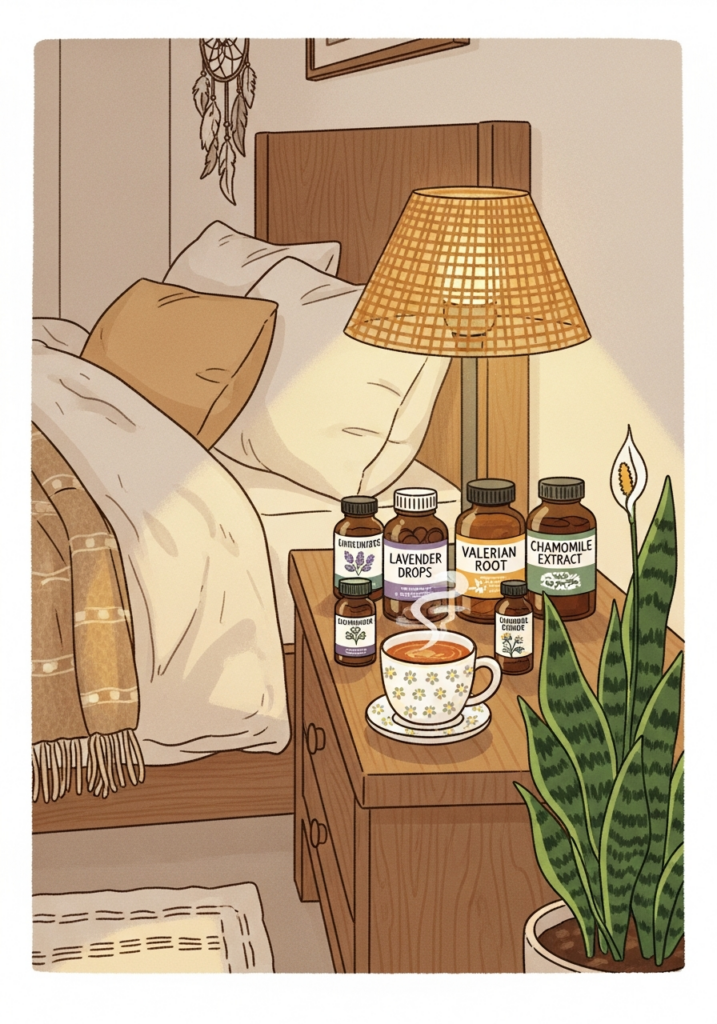
Popular supplements include melatonin, which helps regulate your sleep-wake cycle, and valerian root, an herb thought to have a calming effect. While many people find these helpful, their effectiveness can vary. Natural sleep aids are generally milder than prescription sleeping pills and may not be powerful enough for severe or chronic insomnia.
Some common natural options include:
- Melatonin: A hormone that signals to your body that it’s time to sleep.
- Valerian Root: An herb used for centuries to promote relaxation and sleep.
- Magnesium: A mineral that may help calm the nervous system.
It’s always best to talk to your doctor before starting any supplement, as they can interact with other medications.
Safety Profile: Natural Remedies Versus Pharmaceutical Options
When comparing the safety profile of different sleep aids, natural remedies are often perceived as being safer than prescription drugs. They typically have fewer side effects and a lower risk of dependency. However, “natural” doesn’t always mean “risk-free.”
Herbal supplements and dietary aids are not regulated by the FDA in the same way as pharmaceuticals, so their purity and dosage can be inconsistent. They can also cause side effects or interact with other medications. For example, even melatonin can cause headaches and dizziness in some people. In contrast, prescription medications undergo extensive clinical trials to establish their safety and effectiveness.
Ultimately, the choice between natural remedies and prescription drugs depends on your individual health needs and the severity of your sleep issues. A conversation with your healthcare provider can help you weigh the pros and cons to find the safest and most effective solution.
Conclusion
In conclusion, understanding sleep wellness and the appropriate use of prescription medications is crucial for achieving restorative sleep. While these medications can be effective in managing various sleep disorders, it’s essential to be aware of their potential risks and side effects. Balancing the benefits with safety considerations is key to making informed decisions about your sleep health. If you’re grappling with sleep issues, don’t hesitate to seek professional advice to determine the best course of action tailored to your needs. For personalized insights, feel free to get a free consultation with our experts today. Your path to better sleep starts here!
Frequently Asked Questions
Are prescription sleeping pills safe for long-term use?
Long-term or chronic use of prescription sleeping pills is generally not recommended due to risks of dependency, tolerance, and potential side effects. Some newer medications are approved for longer use, but this should always be done under the close supervision of a health care provider to monitor for any issues.
Which drugs are considered the safest for sleep wellness?
For improving sleep wellness, the safest prescription drugs are often the newer medications like melatonin receptor agonists or orexin receptor antagonists. They tend to have fewer side effects and a lower risk of dependency compared to older drugs like benzodiazepines. Always consult your health care provider to find the safest option for you.
Can prescription medications for sleep affect other medical conditions?
Yes, prescription drugs for sleep can interact with other health conditions. They can worsen sleep apnea, pose risks for people with liver or kidney disease, and have more serious side effects in older adults. It’s crucial to discuss your full medical history with your doctor before starting any sleep medication.
https://medlineplus.gov/druginfo/meds/a682539.html
https://doi.org/10.4088/pcc.v03n0303
https://order.store.mayoclinic.com/flex/mmv/incon01
https://order.store.mayoclinic.com/flex/mmv/ESDIAB1
https://pubmed.ncbi.nlm.nih.gov/26783470
https://www.accessdata.fda.gov/scripts/cder/daf