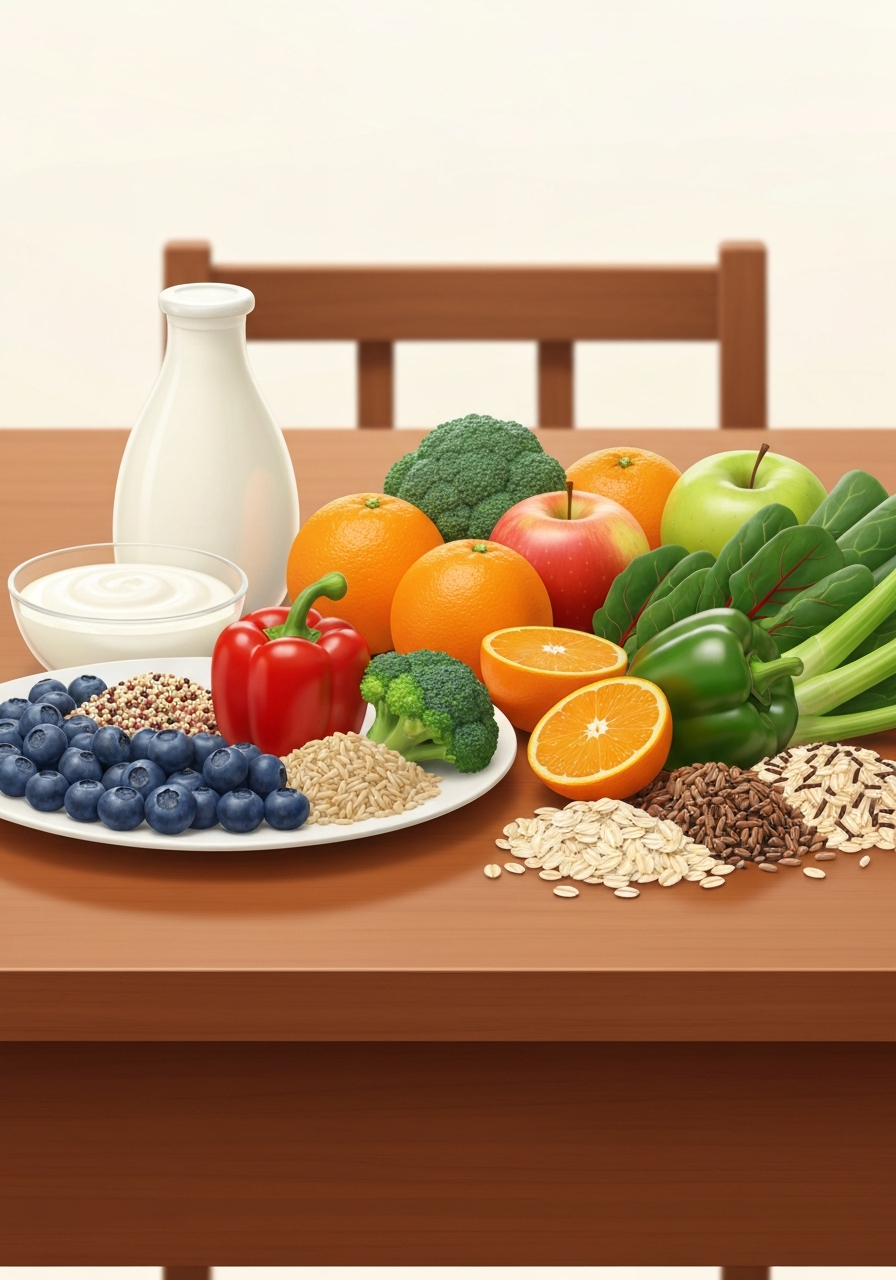

Top Food That Helps the Digestive System for Better Health
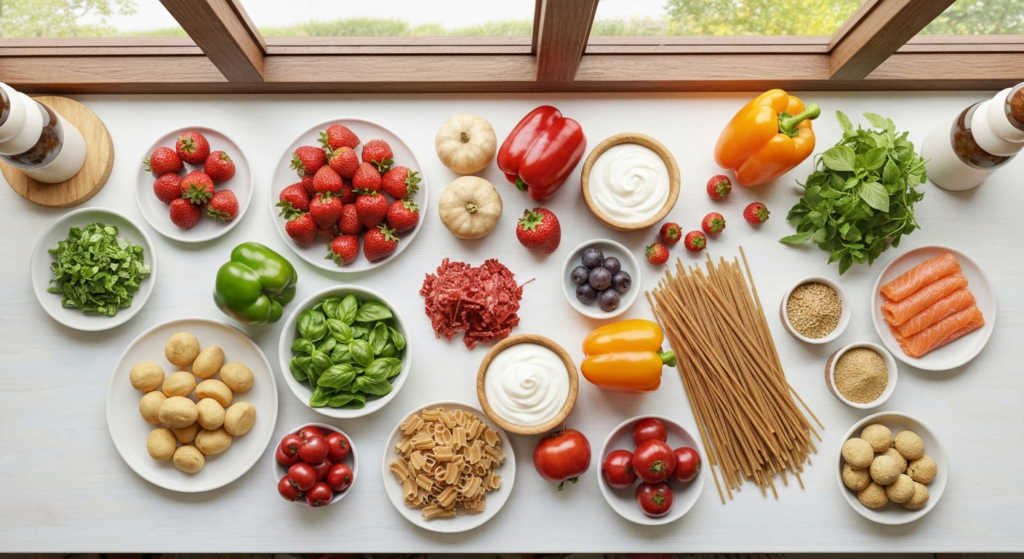
Key Highlights
- Your digestive health benefits greatly from a diet rich in fiber, which promotes bowel regularity.
- Probiotic-rich foods like yogurt and kimchi introduce good bacteria to your gut, improving digestion.
- Whole grains, such as brown rice and oats, are essential for adding bulk to your stool and feeding healthy gut bacteria.
- Staying hydrated is crucial for the digestive process, helping to break down food and prevent constipation.
- Anti-inflammatory foods, including salmon and ginger, can soothe the digestive tract and reduce discomfort.
- Certain foods like papaya and leafy greens contain enzymes and nutrients that support a healthy digestive system.
Introduction
Your digestive system is a complex network responsible for breaking down food, absorbing nutrients, and eliminating waste. When it’s not working properly, you can experience uncomfortable issues like bloating, cramping, and gas. A healthy lifestyle, particularly your diet, plays a massive role in maintaining your digestive health. By incorporating the right foods, you can support your gut health, improve digestion, and reduce the frequency of these uncomfortable symptoms. Are you ready to discover which foods can help?
Essential Nutrients That Support Digestive Health
To keep your digestive system running smoothly, you need to focus on essential nutrients that support its function. Nutrients from the foods you eat directly impact your gut microbiome and overall digestive health. A diet balanced with the right components can make a significant difference in how you feel daily.
Key among these are fiber and water. Soluble fiber, for instance, is crucial for healthy digestion as it feeds the good bacteria in your gut. Let’s explore how fiber and proper hydration are fundamental pillars for a happy digestive system.
The Role of Fiber in Digestion
Fiber is a powerhouse for your digestive tract. It comes in two main forms: soluble and insoluble fiber, and both are vital for your gut. Insoluble fiber adds bulk to your stool, which helps it move more quickly through your intestines, promoting bowel regularity and preventing constipation. You can find this type of fiber in foods like dark green vegetables.
On the other hand, soluble fiber dissolves in water to form a gel-like substance. This type of fiber, found in apples and oats, can help manage both diarrhea and constipation by firming up stool. It also acts as a food source for the friendly bacteria living in your colon.
Your colon needs a good amount of fiber—at least 25 grams a day—to function optimally. By including a variety of fiber-rich foods in your diet, you support the health of your entire digestive system and contribute to an ideal gut microbiome.
Importance of Hydration for the Gut
Staying hydrated is just as important as eating the right foods for your digestive health. Water plays a critical role throughout the entire digestive process, helping to break down the food you eat so your body can absorb the nutrients efficiently. Without enough water, this process can slow down significantly.
Proper hydration is especially important for preventing constipation. When you consume fiber, it absorbs water, which helps to soften your stool. This makes it easier to pass, promoting healthy stools and regularity. Dehydration can lead to hard, dry stools that are difficult to pass, causing discomfort and straining.
Making sure you drink enough water throughout the day is a simple yet effective way to support your gastrointestinal tract. It keeps things moving smoothly and helps your body get the most from the healthy foods you eat.
Probiotic-Rich Foods for Gut Balance
Have you heard of probiotics? They are friendly, live bacteria that reside in your digestive tract and are essential for keeping your gut healthy. These beneficial bacteria help improve digestion and can reduce common problems like bloating, constipation, and diarrhea.
Boosting your intake of probiotics through food is a great way to support your gut bacteria. Foods that contain “live and active cultures” are excellent sources. Let’s look at some popular probiotic-rich foods that can enhance your digestive health.
Benefits of Yogurt and Kefir
Yogurt is one of the most well-known probiotic-rich foods. Made from fermented milk, it contains friendly bacteria that can significantly improve digestion and keep your gut healthy. The probiotics in yogurt have been shown to improve the digestion of lactose (milk sugar), which can be helpful if you have lactose intolerance.
Similarly, kefir is a cultured dairy product packed with beneficial cultures of yeast and bacteria. These cultures aid in lactose digestion and have been shown in studies to increase healthy gut bacteria while reducing harmful ones. This process can lead to decreased inflammation in your gut, further improving your digestive health.
When shopping for these foods, remember:
- Look for yogurt that states “live and active cultures” on the label to ensure you’re getting probiotics.
- Kefir’s unique “grains” appear to offer unique digestive benefits.
- Both can help reduce symptoms like bloating, cramping, and gas.
Fermented Vegetables: Kimchi, Sauerkraut, and More
Fermented vegetables are another fantastic source of probiotics. Kimchi, a traditional Korean dish usually made from fermented cabbage, promotes the growth of good bacteria in your colon. The fermentation process not only creates probiotics but also makes the nutrients in the vegetables easier to digest.
Sauerkraut, which is fermented shredded cabbage, is also rich in probiotics and digestive enzymes. These enzymes help break down nutrients into smaller, more digestible molecules. The longer these vegetables ferment, the higher the concentration of probiotics they typically contain, offering even more benefits for your gut.
Consider adding these to your diet:
- Kimchi: Contains both probiotics and fiber for double the digestive benefits.
- Sauerkraut: A half-cup serving can contain up to 28 different strains of gut-friendly bacteria.
- Making your own at home can ensure a high concentration of probiotics.
Prebiotic Foods That Feed Good Bacteria
While probiotics add good bacteria to your system, prebiotics are the food that helps them thrive. Prebiotics are types of fiber that your body can’t digest, so they travel to your lower digestive tract where they become a nutrient source for the healthy bacteria in your gut.
This process encourages the growth of good bacteria, which in turn provides numerous digestive benefits. By supporting this microbial balance, prebiotic foods help maintain a healthy gut environment. Let’s examine some of the best sources of these important nutrients.
Top Sources of Prebiotics (Apples, Garlic, Onions)
Apples are a fantastic source of a prebiotic fiber called pectin. Pectin bypasses digestion in the small intestine and is broken down by the beneficial bacteria in your colon. This process helps increase stool volume, making apples useful for both constipation and diarrhea. It has also been linked to a reduced risk of intestinal infections.
Garlic and onions are also excellent prebiotic foods. They contain fibers that support the growth of healthy bacteria in your gut. Adding them to your meals is an easy way to fuel your gut microbiome and reap the digestive benefits. Their ability to feed good bacteria contributes to a healthier digestive system overall.
Here are some top prebiotic sources to include in your diet:
- Apples: Rich in pectin, a soluble fiber that feeds healthy gut bacteria.
- Garlic: Promotes the growth of beneficial bacteria and adds flavor to meals.
- Onions: A versatile vegetable that provides prebiotic fiber to support your gut.
How Prebiotics Combine With Probiotics
Think of prebiotics and probiotics as a team working together for your gut. Probiotics are the beneficial bacteria, and prebiotics are the fuel they need to do their job effectively. When you consume both, you create a powerful combination that enhances your digestive health.
This synergistic relationship is crucial for maintaining a healthy gut microbiome. The prebiotics you eat travel through your digestive tract to the colon, where they selectively feed the good bacteria introduced by probiotics. This helps the good bacteria multiply and flourish, outcompeting the harmful bacteria.
By including both prebiotic and probiotic foods in your diet, you create an optimal environment for your gut. This partnership not only improves digestion but also supports your immune system and contributes to your overall health.
Fruits and Vegetables That Ease Digestion
Fruits and vegetables are cornerstones of a diet that supports healthy digestion. They are packed with fiber, vitamins, and minerals that help keep your digestive system functioning correctly. Including a variety of them in your meals can help prevent digestive discomfort and promote regularity.
Certain fruits and vegetables are particularly effective at easing digestion due to their unique properties, such as specific enzymes or types of fiber. Let’s look at some of the best choices you can make to support your gut health.
Fruits Particularly Good for Gut Health (Papaya, Bananas, Apples)
Certain fruits are superstars when it comes to gut health. Papaya, for instance, contains a powerful digestive enzyme called papain. This enzyme assists in the breakdown of protein fibers, making it easier for your body to digest them. Papain can also help ease symptoms of irritable bowel syndrome (IBS) like constipation and bloating.

Bananas are another excellent choice as they are gentle on the stomach and a good source of fiber. Apples are rich in a soluble fiber called pectin, which helps bulk up your stool and feeds the friendly bacteria in your colon. This fresh fruit can help with both constipation and diarrhea.
For better gut health, try these fruits:
- Papaya: Contains the enzyme papain to aid protein digestion.
- Bananas: Easy to digest and a good source of fiber and potassium.
- Apples: Rich in pectin, which promotes regularity and a healthy gut microbiome.
Vegetables That Promote Regularity (Leafy Greens, Beets, Fennel)
Vegetables are essential for keeping your digestive tract moving. Leafy greens like spinach and kale are excellent sources of insoluble fiber, which adds bulk to your stool and helps it pass more quickly through your system. They are also rich in magnesium, a mineral that helps improve muscle contractions in your gastrointestinal tract to relieve constipation.
Beets are another great vegetable for digestion, as they are a good source of fiber that feeds friendly gut bacteria and adds bulk to promote healthy stools. Fennel also contributes fiber and contains an antispasmodic agent that relaxes the smooth muscles in your digestive tract, reducing symptoms like bloating and cramping.
Incorporate these vegetables for better regularity:
- Leafy Greens: Provide insoluble fiber and magnesium to keep you regular.
- Beets: Their fiber content feeds good gut bacteria and adds bulk to stool.
- Fennel: Helps prevent constipation and can reduce bloating and cramping.
Whole Grains and Seeds Beneficial for the Digestive System
Whole grains and certain seeds are fantastic for your digestive health. Unlike refined grains, whole grains like brown rice and oats contain the entire kernel, which is packed with fiber. This fiber is crucial for adding bulk to your stool and feeding the healthy bacteria in your gut.
Seeds like chia seeds and flaxseeds are also nutritional powerhouses for digestion. They are excellent sources of fiber and other nutrients that support a healthy gut. Let’s explore why adding these grains and seeds to your diet is a good idea.
Best Whole Grains for Smooth Digestion (Oats, Brown Rice)
When it comes to smooth digestion, oats and brown rice are excellent choices. As whole grains, they are much higher in fiber than their refined counterparts, like white bread or pasta. This fiber content is key to improving your digestion in a couple of ways. First, it adds bulk to your stool, which can help reduce constipation.
Second, some of the fibers in whole grains act as prebiotics. This means they feed the healthy bacteria that live in your gut, contributing to a balanced gut microbiome. Oats, for example, are a great source of soluble fibre, which helps form a gel-like substance in the digestive tract. Brown rice provides both fiber and important nutrients like omega-3 fatty acids.
Here’s a quick comparison of these two digestive-friendly grains:
| Grain | Key Benefit for Digestion |
|---|---|
| Oats | Rich in soluble fibre, which helps soften stool and feeds healthy gut bacteria. |
| Brown Rice | A high-fiber whole grain that adds bulk to stool, promoting regularity and better digestive health. |
Why Chia Seeds and Flaxseeds Are Helpful
Chia seeds and flaxseeds are small but mighty when it comes to digestive health. Chia seeds are an excellent source of fibre. When you eat them, they form a gelatin-like substance in your stomach. This helps you feel full and also works as a prebiotic, supporting the growth of healthy bacteria in your gut.
This prebiotic action contributes to healthy digestion and promotes bowel regularity. The fiber in both chia seeds and flaxseeds helps add bulk to your stool, ensuring everything moves smoothly through your digestive tract. This can prevent constipation and keep you regular.
You can easily add these seeds to your diet by sprinkling them on yogurt, blending them into smoothies, or mixing them into oatmeal. Their high fibre content makes them a simple and effective tool for maintaining a healthy gut.
Anti-Inflammatory Foods to Soothe the Digestive Tract
Inflammation in the gut can be a major source of discomfort and is often associated with digestive issues like inflammatory bowel disease and food intolerances. Eating anti-inflammatory foods can help reduce this inflammation, leading to greater gut comfort and improved digestion.
Certain foods are rich in compounds that naturally fight inflammation. Omega-3 fatty acids, for example, are well-known for their anti-inflammatory properties. Let’s look at a few foods that can help soothe your digestive tract.
Salmon and Omega-3 Fatty Acids for Gut Comfort
Salmon is an excellent source of omega-3 fatty acids, which are powerful anti-inflammatory compounds. Chronic inflammation in the gut is a common problem for people with digestive disorders, such as inflammatory bowel disease (IBD) or food intolerances. Consuming salmon can help reduce this inflammation.
By reducing inflammation, the omega-3 fatty acids in salmon can improve digestion and alleviate discomfort. A less inflamed gut is a happier gut, allowing the digestive process to function more smoothly. This can be particularly beneficial for those with chronic digestive health conditions.
Adding salmon to your diet a couple of times a week can be a delicious way to support your gut bacteria and overall digestive health. It’s a simple change that can make a big difference in how your digestive system feels.
Ginger and Peppermint for Reduced Bloating
Ginger and peppermint have long been used to soothe digestive troubles, especially bloating and abdominal pain. Ginger is known to accelerate gastric emptying, which means it helps food move from your stomach to your small intestine more quickly. This can reduce the risk of heartburn, stomach discomfort, and that full, bloated feeling.
Peppermint works in a different way. The menthol in peppermint oil has a relaxing effect on the muscles of your digestive tract. This can help ease stomach discomfort, reduce bloating, and improve bowel movements. It’s often consumed as a tea after meals for this reason.
Here’s how they can help:
- Ginger: Speeds up stomach emptying to reduce heartburn and nausea. Fresh ginger is also a good source of nutrients.
- Peppermint: The menthol in it provides a relaxing effect on digestive muscles, easing cramps.
- Both can be consumed as teas for a soothing, digestive-friendly beverage.
Foods and Habits to Limit for Digestive Wellness
Just as some foods promote digestive wellness, others can cause digestive problems. Being mindful of what you eat and how you eat can prevent uncomfortable symptoms like heartburn, bloating, and constipation. If you have food intolerances, avoiding trigger foods is especially important.
Some of the worst offenders are foods that are highly processed, fatty, or spicy. Limiting these unhealthy foods can make a big difference. Let’s explore which foods to avoid and what simple changes you can make for better gut health.
Foods That Disrupt Digestive Health
Certain foods are known to cause trouble for your digestive health. Fatty, greasy foods like fried foods and pizza can be hard to digest and may trigger heartburn or digestive discomfort. Similarly, foods high in saturated fats, such as cheese, are best consumed in moderation.
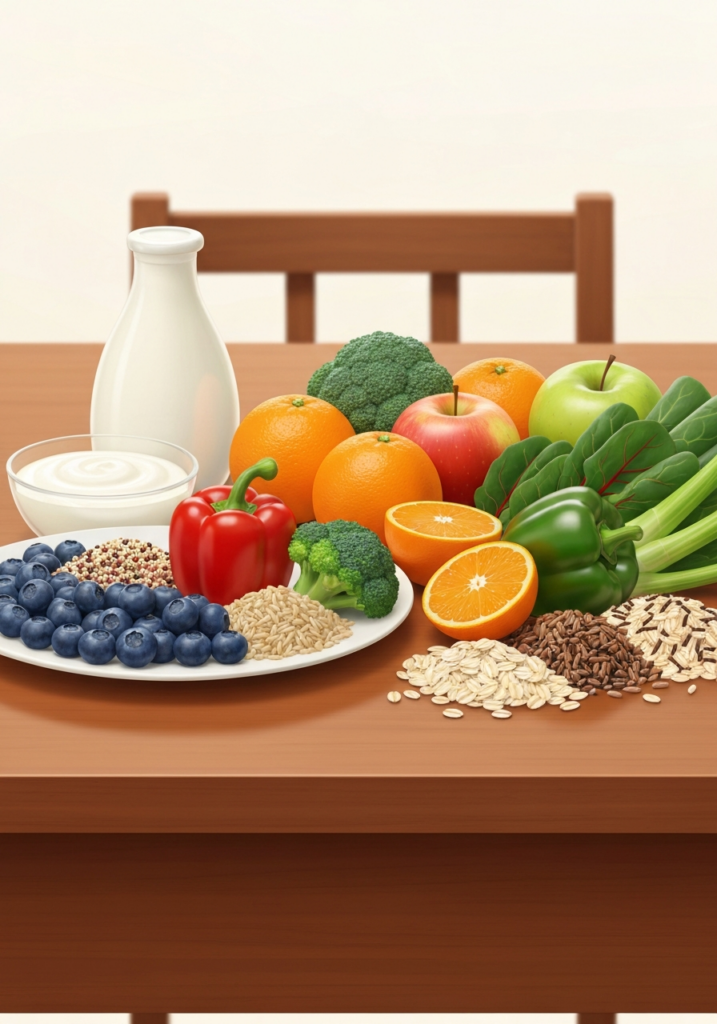
Refined carbohydrates, like white bread and pasta, lack the fiber found in their whole-grain counterparts. This can slow down digestion and contribute to constipation. Spicy foods, like curries, can also irritate the digestive system in some people, leading to heartburn or stomach pain. Conditions like gastroesophageal reflux disease (GERD) can be aggravated by these foods.
For better digestive health, try to limit or avoid:
- Fatty and greasy foods: These can slow digestion and cause discomfort.
- Refined carbohydrates: White bread and similar items lack fiber and can lead to constipation.
- Spicy foods and alcohol: These can irritate the digestive tract and trigger symptoms like heartburn.
Simple Dietary Changes to Prevent Common Gut Issues
You don’t need to completely overhaul your diet to see digestive benefits. Making a few simple dietary changes can significantly improve your gut health and prevent common issues. Start by paying attention to how different foods affect you. Everyone is different, and what causes problems for one person may not affect another.
Focus on incorporating more healthy foods into your diet, especially those rich in fiber and probiotics. Eating a variety of fruits, vegetables, and whole grains will provide the nutrients your gut needs to thrive. Also, consider your eating habits. Eating too fast or while lying down can negatively impact digestion.
Here are a few simple tips to try:
- Eat slowly: Chewing your food thoroughly can improve digestion.
- Incorporate more fiber: Gradually increase your intake of fiber-rich foods to promote regularity.
- Practice stress management: High stress levels can negatively impact your gut, so finding ways to relax is beneficial.
Conclusion
In summary, maintaining a healthy digestive system is pivotal for overall well-being. By incorporating fiber-rich foods, staying hydrated, and enjoying probiotics and prebiotics, you can create a balanced gut environment that promotes efficient digestion. Additionally, adding fruits and vegetables while choosing whole grains and anti-inflammatory options can further enhance your digestive health. Remember, small dietary changes can lead to significant benefits in how your body processes food. If you’re eager to optimize your digestive health, don’t hesitate to reach out for a free consultation with our experts who can guide you on the best foods and habits tailored to your needs.
Frequently Asked Questions
What are the top foods to eat for a healthy gut?
For a healthy gut, focus on foods rich in probiotics and fiber. Yogurt, kefir, kimchi, and other fermented foods provide beneficial gut bacteria. Whole grains, leafy greens, apples, and chia seeds offer fiber that supports healthy digestion and feeds the good bacteria in your gut.
Which fruits and vegetables are best for digestive problems?
For digestive problems, choose fruits and vegetables that are easy to digest and high in beneficial fiber. Papaya contains enzymes that aid digestion, while bananas are gentle on the stomach. Leafy greens and beets provide fiber to promote regularity and support a healthy digestive tract.
Are there easy meal ideas featuring foods good for digestion?
Yes! For easy meal ideas, try starting your day with oatmeal topped with chia seeds and sliced bananas. A lunch of salmon with a side of steamed leafy greens and brown rice is great for gut health. A smoothie with yogurt, papaya, and spinach makes for a digestion-friendly snack.
https://www.ncbi.nlm.nih.gov/pmc/articles/PMC7284805
https://www.ncbi.nlm.nih.gov/pmc/articles/PMC8153313
https://pubmed.ncbi.nlm.nih.gov/35105664
https://www.washingtonpost.com/people/anahad-oconnor
https://www.washingtonpost.com/podcasts/try-this/what-exactly-is-the-gut-microbiome
https://www.washingtonpost.com/wellness/2026/01/25/nutrition-healthy-eating-good-bad-foods
https://www.washingtonpost.com/wellness/2025/12/15/foods-that-fight-inflammation