


Transform Your Life with Yoga for Health and Wellness
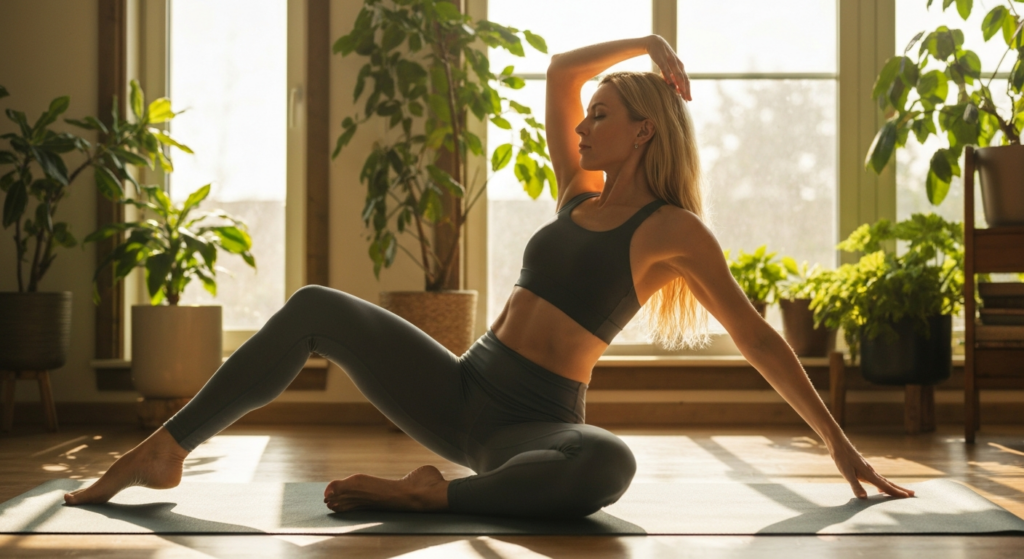
Key Highlights
- A consistent yoga practice offers numerous health benefits, enhancing both physical and mental well-being.
- Yoga is a powerful tool for stress relief, helping to calm your mind and manage daily pressures.
- Regular practice can improve flexibility, build muscle strength, and promote better posture.
- Your mental health can see significant improvements, including reduced anxiety and a better mood.
- Yoga supports your immune system, helping your body fight inflammation and prevent illness.
- Incorporating yoga into your daily routine is a great way to invest in your long-term health.
Have you ever considered how a simple practice could transform your health? Yoga, an ancient practice with roots in Indian philosophy, is more than just exercise; it’s a path to a more balanced life. The word “yoga” itself means to connect or bind, highlighting its focus on the mind-body connection. A regular yoga practice can unlock a wide range of health benefits, improving everything from your physical strength to your mental clarity. Let’s explore how you can harness its power for your well-being.
Understanding the Power of Yoga for Health and Wellness
The yoga practice has a profound impact on your overall well-being by connecting physical postures, breathing techniques, and meditation. This combination helps you achieve not just physical fitness but also a deep sense of inner calm. It’s a journey toward unifying your mind and body.
By engaging in yoga, you activate your body’s relaxation response, which helps counteract the effects of stress. This ancient practice has been known for millennia to be beneficial for our overall well-being, and modern science is now beginning to support these long-held beliefs.
How Yoga Supports a Holistic Approach to Well-Being
Yoga offers a truly holistic approach to health, addressing the mind, body, and spirit simultaneously. Unlike some forms of exercise that focus only on physical results, a dedicated yoga practice encourages you to listen to your body and understand its needs. This heightened body awareness is a cornerstone of well-being.
Through a combination of physical poses and focused breathing, you can achieve greater mental clarity. The practice often incorporates mindfulness meditation, which trains you to stay present and observe your thoughts without judgment. This helps to quiet the mental chatter that so often contributes to stress.
Ultimately, this integration of movement, breath, and mindfulness builds a strong foundation for overall health. It’s not just about becoming more flexible or stronger; it’s about fostering a deeper connection with yourself and cultivating a state of balance that radiates through every aspect of your life.
The Science Behind Yoga’s Impact on Mind and Body
Scientific research is increasingly validating the powerful effects of yoga on both mental and physical health. The practice has a direct influence on your nervous system, helping to slow your heart rate and lower blood pressure. These physiological changes are key to managing stress and promoting relaxation.
Studies show that yoga can effectively lower cortisol levels. Cortisol is a hormone released during times of stress, and high levels are linked to various health issues, including belly fat and cravings for unhealthy foods. By reducing this hormone, yoga helps your body find a more balanced state.
Furthermore, a randomized controlled trial can demonstrate how yoga provides these benefits. Research has found that consistent practice can improve immune system function, in part by fighting inflammation and enhancing cell-mediated immunity. This evidence shows that yoga is a powerful, science-backed tool for improving your health.
Key Physical Benefits of Yoga
Yoga delivers a wealth of physical benefits that can dramatically improve how you feel in your body. From building muscle strength and improving flexibility to supporting weight loss, the advantages are extensive. You’ll likely notice you stand taller and feel more aligned as you develop proper posture.
These physical changes not only help you move better but also reduce feelings of stiffness and fatigue. As we look closer, you’ll see how specific aspects of yoga contribute to better balance and a stronger, more resilient body.
Enhanced Flexibility and Balance
One of the most well-known benefits of yoga is its ability to improve flexibility. Many yoga poses are designed to stretch your muscles, which can significantly increase your range of motion. You don’t have to be able to touch your toes to start; with consistent practice, you’ll notice improvements quickly.
In one study, participants improved their flexibility by up to 35% after just eight weeks of yoga. This is especially helpful for older adults, as flexibility naturally decreases with age. Gentle stretches in yoga can slow this process and enhance mobility, making everyday movements easier.
Better balance is another key outcome. Holding various yoga poses challenges your stability, strengthening the small muscles that help you stay steady on your feet. This can reduce your risk of falls and improve your overall coordination in daily activities.
Building Strength and Posture through Regular Practice
While often associated with stretching, yoga is also an excellent way to build muscle strength. Certain styles, like power yoga, are quite physical and will help you improve muscle tone throughout your body. Even less vigorous styles can provide significant strength and endurance benefits over time.
A regular yoga practice engages various muscle groups. Physical postures like Downward-Facing Dog and Plank Pose build upper-body strength, while standing poses strengthen your hamstrings, quadriceps, and abdominal muscles. Many poses also target muscles in the lower back, which can help alleviate discomfort.
As your core becomes stronger through these postures, you’ll naturally develop proper posture. Yoga enhances your body awareness, making you more likely to notice when you’re slouching. With a stronger core and better awareness, you’ll find yourself sitting and standing taller with less effort.
Yoga for Mental and Emotional Wellness
Beyond the physical perks, yoga is a profound tool for enhancing your mental health and emotional resilience. It provides effective stress relief by calming the mind and teaching you to focus on the present moment. This can lead to a significant boost in your mental focus and overall mood.
The practice often incorporates mindfulness meditation and specific breathing techniques that help you manage your thoughts and emotions. Let’s examine how yoga can play a vital role in reducing stress and helping you cultivate a more peaceful state of mind.
Yoga’s Role in Stress Reduction and Mood Enhancement
Are you looking for a natural way to lower your stress levels? Yoga is an excellent option. By focusing on your breath and body, you can trigger a relaxation response that helps soothe your nervous system. In the United States, where more than eight in ten adults feel the impact of prolonged stress, this is a much-needed benefit.
The practice of mindfulness meditation within yoga is key to its stress-reducing effects. It teaches you to observe your thoughts without getting carried away by them, creating a sense of calm. This mental training, combined with physical movement, has been shown to lower cortisol levels, the body’s primary stress hormone.
This leads to significant mood enhancement. Many people report feeling more relaxed and positive after a yoga session. A 2023 review concluded that yoga can reduce symptoms of depression, making it an effective component of managing mental well-being and improving your overall quality of life.
Managing Anxiety and Cultivating Mindfulness with Yoga
Anxiety disorders are among the most common mental health challenges, but yoga offers a promising path to relief. Numerous studies suggest that yoga can be an effective alternative treatment for managing symptoms of anxiety. Practices like Yoga Nidra, a form of guided body-scan meditation, have been shown to be particularly helpful.
The power of yoga lies in its combination of physical poses, mindfulness meditation, and controlled breathing techniques. These elements work together to calm the nervous system and quiet an overactive mind. By focusing on your breath, you can ground yourself in the present moment, which is a powerful antidote to anxious thoughts.
This cultivation of mindfulness extends beyond your yoga mat. With regular practice, you become better equipped to handle stressful situations in your daily life. You learn to notice the physical symptoms of anxiety and use your breath to regain a sense of control, fostering greater emotional balance.
Immune System Support and Illness Prevention
Did you know that your yoga practice can help keep you healthy? Chronic stress is known to negatively affect your immune system, making you more susceptible to getting sick. Yoga is a fantastic way to manage stress, which in turn supports your body’s natural defenses.
Research is uncovering a distinct link between a consistent yoga practice and better immune system functioning, contributing to illness prevention. Let’s look at how yoga promotes a stronger immune response and what the science says about its preventative effects on your overall health.
How Yoga Promotes Immunity and Overall Health
Your yoga practice can be a powerful ally for your immune system. One of the primary ways it helps is by reducing chronic stress. Since stress can weaken your immunity, the calming effects of yoga give your body a much-needed break, allowing your defenses to function optimally.
Yoga also improves blood flow and circulation throughout the body. This increased circulation helps immune cells travel more efficiently, ready to fight off pathogens. The combination of movement, stretching, and deep breathing supports the lymphatic system, which plays a crucial role in clearing toxins and waste.
This holistic approach to wellness means you’re supporting your body from the inside out. By fighting inflammation and enhancing cell-mediated immunity, a consistent yoga practice contributes directly to better overall health and a more resilient immune system, helping you stay healthier year-round.
Evidence-Based Insights into Yoga’s Preventative Effects
The health benefits of yoga are not just anecdotal; they are supported by growing scientific evidence. In a randomized controlled trial, researchers can directly compare yoga practitioners to a control group to measure outcomes. These studies provide solid data on yoga’s role in health and prevention.
For example, a systematic review of several trials found a clear link between practicing yoga and improved immune system function. This is tied to yoga’s ability to reduce inflammation, a key factor in many chronic diseases. For many yoga practitioners, these preventative effects are a major reason they stick with the practice.
This evidence reinforces the idea that yoga is a valuable tool for illness prevention. By consistently engaging in the practice, you are actively supporting your body’s ability to stay healthy.
| Health Area | Scientific Finding on Yoga’s Effect |
|---|---|
| Immune Function | Studies show yoga enhances cell-mediated immunity and reduces inflammation. |
| Stress Reduction | Yoga is proven to lower cortisol levels, reducing stress’s negative impact on immunity. |
| Cardiovascular Health | Yogic breathing can improve heart, brain, and lung function, supporting overall health. |
| Mental Health | Reviews of multiple studies confirm yoga reduces symptoms of depression and anxiety. |
Yoga for Specific Populations and Health Needs
One of the best things about yoga is that it can be adapted for almost anyone, regardless of age or ability. There are many different types of yoga, from gentle and restorative to vigorous and athletic. This variety makes it accessible for older adults, individuals with chronic pain, and people at all fitness levels.
Whether you’re looking for poses to support women’s health or need modifications for a physical limitation, there’s a style of yoga for you. We’ll explore how to find the right poses for specific needs and adapt the practice to fit your unique body.
Specialized Yoga Poses for Women’s Health
Yoga offers unique benefits tailored to women’s health, addressing everything from hormonal balance to pelvic floor strength. Certain yoga poses can help alleviate symptoms associated with menstruation, menopause, and pregnancy, making it a valuable practice through all stages of life.

Gentle movements and specific postures can help regulate the endocrine system, contributing to a more stable hormonal balance. In addition, the focus on breath and relaxation can reduce stress, which is often a factor in hormonal imbalances. Improved flexibility and strength are also key benefits for overall well-being.
Some poses are particularly beneficial for strengthening the pelvic floor, which is important for bladder control and core stability. Here are a few examples of yoga poses that support women’s health:
- Cat-CowPose: Gently mobilizes the spine and can help ease menstrual cramps.
- BridgePose: Strengthens the glutes and pelvic floor while gently stretching the front of the body.
- Reclined Butterfly Pose: A restorative posture that opens the hips and promotes relaxation.
- Child’s Pose: Calms the nervous system and can relieve tension in the back, shoulders, and hips.
Adapting Yoga for Different Fitness Levels and Abilities
Yoga is truly a practice for every body. With so many different types of yoga available, you can find a style that matches your current physical fitness level and personal goals. Whether you’re an athlete or someone who hasn’t exercised in years, there’s a way to make yoga work for you.
To avoid the risk of injury, it’s crucial to listen to your body’s signals and not push yourself too far, especially when you’re starting. Many poses can be modified using props like blocks, straps, or chairs to provide support. Starting with gentle stretches is a great way to ease into the practice.
Here are a few tips for adapting your practice:
- Choose a beginner or gentle class, such as Hatha or Restorative yoga.
- Use props to support your body and make poses more accessible.
- Don’t be afraid to rest in Child’s Pose if you feel overworked.
- Focus on how a pose feels rather than how it looks.
Building Your Yoga Routine for Health and Wellness
Starting a new daily routine can feel daunting, but incorporating a yoga practice is one of the best investments you can make in your health care. This form of exercise offers a unique blend of physical activity and mental relaxation, making it a sustainable habit for long-term wellness.

You don’t need a lot of time or fancy equipment to begin. There are simple practices you can do right at home to start experiencing the benefits. Let’s explore some easy ways for beginners to get started and consider if online yoga is a good fit for you.
Simple Yoga Practices for Beginners at Home
Starting a home practice is a wonderful way for beginners to explore yoga at their own pace. You can begin with just a few basic yoga poses and simple breathing techniques to build a solid foundation. The goal is to create a comfortable and consistent routine that enhances your quality of life.
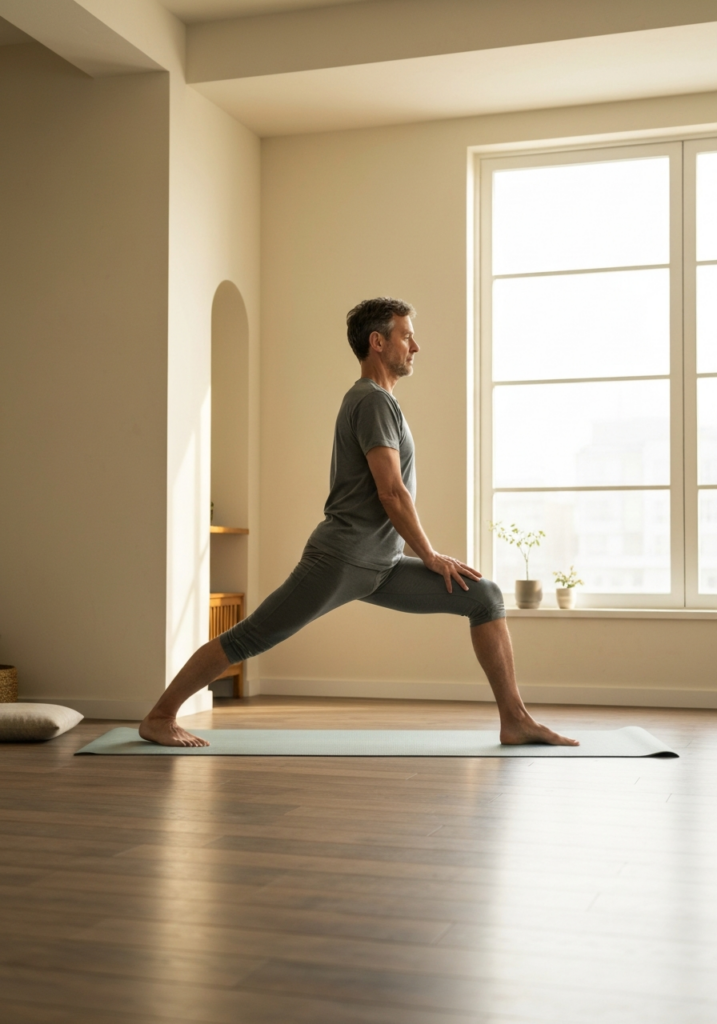
Focus on foundational poses that are easy to learn and offer great benefits. Start your practice by sitting comfortably and focusing on your breath for a few minutes. This helps center your mind before you begin moving. Remember, consistency is more important than intensity when you’re just starting out.
Here are a few simple poses perfect for a home practice:
- Mountain Pose: Stand tall to improve posture and body awareness.
- Cat-Cow Stretch: Move with your breath to warm up your spine.
- Downward-Facing Dog: Stretches the hamstrings, shoulders, and back.
- Child’s Pose: A resting posture to calm the mind and release tension.
Is Online Yoga Effective for Maintaining Wellness?
With the rise of digital platforms, online yoga has become an incredibly popular and effective way to maintain a consistent practice. It offers the convenience of rolling out your mat whenever and wherever you choose, making it easier to fit wellness into a busy schedule.
Online yoga classes provide access to a vast array of styles and experienced teachers from around the world. Whether you need a quick morning stretch or a full-length class, you can find an option that suits your mood and energy level. This flexibility allows you to continue reaping the health benefits of yoga without leaving your house.
For many, a home practice with online guidance is just as beneficial as attending an in-person class. You can still improve your strength, flexibility, and mental clarity. As long as you listen to your body and practice safely, online yoga is an excellent tool for supporting your overall wellness journey.
Conclusion
In conclusion, incorporating yoga into your daily routine can significantly transform your health and wellness journey. From boosting physical strength and flexibility to enhancing mental clarity and emotional balance, the benefits of yoga are profound and far-reaching. As you explore different styles and practices, remember that yoga is adaptable for everyone, regardless of fitness level or health needs. Whether you’re seeking to alleviate stress, improve posture, or simply find a few moments of peace in a busy day, yoga offers a holistic approach to well-being. So, take the first step today—embrace yoga and experience its transformative power for yourself! If you’re curious about personalized yoga routines, feel free to reach out for a free trial or consultation.
Frequently Asked Questions
What are some hidden health benefits of yoga people might not realize?
Beyond flexibility, yoga offers surprising benefits like helping to lower blood pressure and supporting your immune system. It also cultivates emotional resilience and sharpens mental focus. These combined effects can dramatically improve your overall quality of life and sense of well-being in ways you might not expect.
Can yoga routines be customized for various health goals?
Absolutely! Yoga routines are highly customizable. Whether your goal is weight loss, improved flexibility, or general physical health, you can tailor your practice. A vigorous Vinyasa class burns more calories, while a gentle Hatha yoga session is great for beginners focusing on alignment and stretching.
How often should yoga be practiced for optimal health benefits?
While some benefits are noticeable after one class, a regular yoga practice is key for long-term results. Practicing 2-3 times a week can improve sleep quality and manage chronic stress. Incorporating short sessions into your daily routine can also help regulate your heart rate and build a sustainable habit.
https://pmc.ncbi.nlm.nih.gov/articles/PMC4769029
https://www.ncbi.nlm.nih.gov/pmc/articles/PMC7967352/
https://clients.mindbodyonline.com/classic/ws
https://www.mayoclinic.org/healthy-lifestyle/stress-management/in-depth/yoga/art-20044733
https://pubmed.ncbi.nlm.nih.gov/29429046
https://www.apa.org/topics/stress/body
https://www.sciencedirect.com/science/article/pii/S0975947617303224