


Beginner’s Guide to a Skin Care Routine and Drugs
Key Highlights
- Building a skin care routine while on medication requires a supportive, not competitive, approach to your products.
- Always discuss your current skin care products with your doctor to avoid potential side effects from conflicting active ingredients.
- It’s crucial to understand the difference between prescription, medical-grade, and over-the-counter skin care products to choose what’s right for you.
- Personalize your routine based on your skin type and how it reacts to new treatments for optimal skin health.
- Monitor your skin for any changes or irritation and be prepared to adjust your routine as needed.
- Gradually introduce new prescriptions to allow your skin to adapt and minimize negative reactions.
Introduction
Welcome to your guide on safely combining a skin care routine with medications. Are you wondering how to add prescription products to your existing regimen without causing issues? You’re in the right place. This article will walk you through understanding how medications affect your skin cells, choosing the right products, and creating a routine that supports your journey to healthy skin. Let’s get started on building a plan that lets your prescription treatments shine while keeping your skin happy.
Understanding the Connection Between Skin Care Routines and Medications
When you start using prescription medicines, whether topical or oral, your skin care routine might need a makeover. Some medications can make your skin more sensitive, dry, or prone to irritation, impacting your skin barrier. The key is to think of your prescription as the star of the show and your skin care as its lovely supporting chorus.
This means you might need to adjust your products to support the medication’s work, not compete with it. How do you safely combine prescription drugs with your skin care routine? Are there common drug and skin care ingredient interactions you need to watch for? We’ll explore these questions to help you navigate this process.
Why Skin Care Matters When Using Prescription or Over-the-Counter Drugs
Your skin care routine becomes even more important when you’re using prescription medicines. These powerful treatments often contain potent active ingredients that can be drying or irritating. A supportive skin care routine helps maintain your skin barrier, which is your first line of defense against external stressors. A healthy barrier ensures your skin stays hydrated and resilient. Although your skin does not typically become physically dependent on prescription skin care products, consistent use is often necessary to maintain the results and health benefits they provide. If discontinued, your skin may revert to its previous condition or experience issues handled by the prescription, but true dependency is rare.
Think of it this way: prescription medicines pack a big punch. Your other products shouldn’t try to achieve the same goal and compete. Instead, the rest of your skin care routine should focus on promoting optimal skin health so the prescriptions can work more effectively. This supportive approach helps minimize potential side effects like redness and flakiness.
So, is it necessary to have a separate skin care routine when taking certain medications? Often, yes. You’ll want to focus on gentle, moisturizing, and barrier-repairing ingredients to complement the treatment and keep your skin balanced and comfortable.
Common Skin Issues Related to Medications
Introducing a new medication can sometimes lead to noticeable skin changes. Because many prescription treatments are designed to be powerful, they can have side effects that alter your skin’s condition. For example, retinoids accelerate cell turnover, which is great for acne and wrinkles but can also lead to dryness and peeling.
How do you know if your medication is affecting your skin? Look out for new or worsening skin conditions. Common issues include:
- Increased dry skin or flakiness
- Heightened sensitive skin, redness, or irritation
- A feeling of tightness or discomfort
- Unexpected breakouts or changes in skin texture
Recognizing these signs early is key. Many medications, especially combination products like those with benzoyl peroxide, can be extra-drying. Being aware of these potential side effects allows you to adjust your routine proactively to manage them and keep your skin as comfortable as possible.
Types of Skin Care Products: Prescription, Medical-Grade, and Over-the-Counter
Navigating the world of skin care products can be confusing with terms like prescription, medical-grade, and over-the-counter (OTC) thrown around. Prescription skin care is prescribed by a doctor and contains the highest concentration of active ingredients to treat specific medical conditions. OTC products are available at drugstores and have lower concentrations of active ingredients for general use.
Medical-grade skin care sits somewhere in between, often sold through licensed professionals and formulated for higher efficacy than OTC options. Understanding the key differences between these categories will help you and your doctor decide which products are best suited for your skin care goals.
Key Differences Explained
So, what is the difference between prescription, medical-grade, and OTC skin care products? The main distinctions lie in the concentration of active ingredients, regulation, and where you can buy them. Prescription skin care contains a high concentration of ingredients regulated as drugs by the FDA, requiring a doctor’s supervision.
Over-the-counter products have lower active ingredient levels and are designed for the general population to address common concerns like mild dryness or occasional breakouts. Medical-grade products often feature more advanced formulations and delivery systems than OTC but don’t require a prescription. They are sold in a medical setting, like a dermatologist’s office.
Here’s a simple breakdown:
When Each Type Is Recommended
Choosing the right type of product depends entirely on your skin conditions and skincare goals. You might wonder, “Should I change my skin care routine when starting a new drug?” The answer is usually yes, and the type of products you add will depend on your needs.
Prescription medicines are the go-to for moderate to severe medical skin conditions. Your dermatologist might prescribe these for issues that haven’t responded to other treatments.
- Prescription: Recommended for treating diagnosed skin conditions like cystic acne, rosacea, or seborrheic dermatitis.
- Medical-Grade: A good option if you want more significant results than OTC products for concerns like signs of aging or stubborn dark spots but don’t necessarily need a prescription.
- Over-the-Counter: Ideal for maintaining healthy skin, addressing mild concerns, and forming the supportive part of your skin care routine when using prescriptions (e.g., gentle cleansers, moisturizers).
Ultimately, the best approach is a personalized one. Combining a gentle OTC cleanser and moisturizer with a targeted prescription treatment is a common and effective strategy for many people.
What to Know Before Starting a Skin Care Routine with Medications
Before you mix a particular medicine into your skin care routine, it’s essential to be prepared. The active ingredients in your current products could interact with your new prescription, potentially causing irritation or reducing its effectiveness. This is especially true for products targeting signs of aging or acne, which often contain potent ingredients.
Taking a moment to review your product ingredient lists and discuss them with a professional is a critical first step. This ensures you create a routine that is safe, supportive, and helps you achieve your desired results without unwanted side effects. Let’s look at how to have that conversation and what to watch for.
Discussing Your Skin Care Products with Your Doctor or Pharmacist
When your doctor prescribes new medication, it’s the perfect time to discuss your current skin care products. What should you tell your doctor about your current skin care products when starting a new medication? Be completely open and honest. Your doctor or pharmacist needs the full picture to give you the best advice.
Bring your products with you to the appointment or take clear photos of the ingredient lists. This allows them to scan for any potential conflicts. Professionals can spot ingredients that might not play well with your new prescription medicines, saving you from potential irritation down the line.
When you have this conversation, be sure to mention:
- All the skin care products you use, from cleansers to sunscreens.
- Any supplements or over-the-counter treatments you take.
- Your specific skin concerns and goals. Don’t hesitate to ask questions. Your doctor and pharmacist are your best resources for creating a safe and effective routine.
Identifying Potential Ingredient Interactions
Are there any common drug and skin care ingredient interactions you need to watch for? Absolutely. Mixing certain active ingredients can lead to significant irritation, dryness, or can even cancel each other out. This is why reading ingredient lists is so important when combining prescription skin care with over-the-counter items.
A classic example is using retinoids (like tretinoin or adapalene) alongside exfoliating acids like AHAs and BHAs in high concentrations. Since retinoids already accelerate cell turnover, adding more exfoliants can damage your skin barrier and lead to severe side effects. Similarly, mixing benzoyl peroxide with certain ingredients can be overly drying.
Your best strategy is to simplify. When starting a powerful prescription, consider pausing other strong active ingredients. Focus on a supportive routine with gentle, hydrating products. Always consult your doctor or pharmacist if you’re unsure about a specific combination to avoid unwanted reactions.
Beginner’s Guide: Setting Up Your Skin Care Routine Alongside Drugs
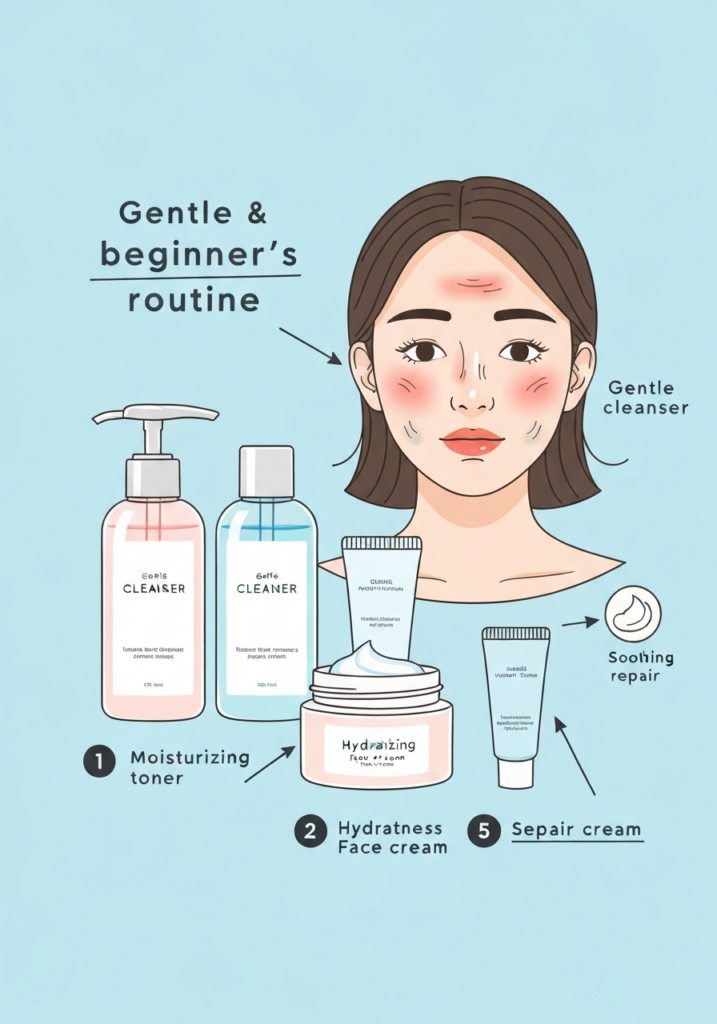
Ready to build your new skin care routine? The goal is to create a simple, supportive daily routine that allows your medication to work its magic without causing irritation. This means choosing products like a gentle cleanser and a good moisturizer over harsh scrubs or multiple active serums. It’s about creating harmony for healthy skin.
So, how do you safely combine prescription drugs with your skin care routine? The key is a step-by-step, thoughtful approach. We’ll outline the essential products you’ll need and the process for integrating your new prescription safely and effectively.
Essential Products and Tools You’ll Need
When your routine includes a powerful prescription, the other skin care products you use should be all about support and hydration. The idea is to build a gentle, calming regimen that protects your skin barrier. You don’t need a dozen steps; a few high-quality essentials will do the trick.
Focus on products that will soothe, hydrate, and protect your skin. Think of these as the foundation of your routine, ensuring your skin stays healthy while the medication does the heavy lifting. How do you safely combine prescription drugs with your skin care routine? Start with these basics.
Here are the essential product types to have on hand:
- A gentle cleanser that cleans without stripping your skin.
- A lightweight toner or essence for an initial layer of hydration.
- A nourishing evening moisturizer to repair your skin barrier overnight.
- An eye cream if the skin around your eyes is particularly sensitive.
- A broad spectrum SPF of 30 or higher to use every single day, as many prescriptions increase sun sensitivity.
Step-by-Step Process for Safely Combining Skin Care and Medications
Now that you have your supportive products, it’s time to integrate your prescription. The key to success, especially if you have sensitive skin, is a gradual introduction. A slow, step-by-step process helps your skin acclimate to the new, powerful active ingredient and reduces the risk of overwhelming your skin barrier.
How do you introduce prescription skin treatments into your existing routine? Don’t just swap everything out at once. Instead, follow a careful plan that allows you to monitor your skin’s reaction at every stage. This methodical approach is the safest way to combine your skin care and medication.
Here’s a simple process to follow:
- Step 1: Review all current products and medications.
- Step 2: Patch test the new prescription.
- Step 3: Introduce the prescription product gradually into your skin care routine.
- Step 4: Monitor your skin closely for any irritation or side effects.
Step 1: Review All Current Products and Medications
The very first step is to take inventory. Gather all your current skin care products and any other prescription medicines you’re using. It’s time to become familiar with their ingredient lists. You’re looking for any potential conflicts with the new, particular medicine you’re about to introduce. Don’t just rely on the front of the bottle; the details are on the back.

What should you tell your doctor about your current skin care products when starting a new medication? This review is the perfect preparation for that conversation. Make a list of products containing strong actives like AHAs, BHAs, vitamin C, or benzoyl peroxide. Even if they’re in “ugly potions in foil tubes and cans,” the life of medical packaging doesn’t change what’s inside.
This audit helps you identify which products you might need to pause temporarily. By simplifying your routine and removing potentially competing actives, you create a clean slate. This ensures your new prescription can work effectively without interference from other powerful ingredients.
Step 2: Patch Test New Products or Prescriptions
Before applying a new prescription all over your face, a patch test is non-negotiable. This simple step can save you from widespread irritation, especially if you have sensitive skin or are new to potent active ingredients. A patch test helps you see how your skin will react to the product in a small, controlled area.
How do you introduce prescription skin treatments into your existing routine safely? Start here. Apply a small amount of the product to a discreet area of skin, like behind your ear or on your inner arm. Do this once a day for a few days and watch for any signs of redness, itching, or irritation.
Your skin type might influence how you react, but a patch test is a universal best practice. If the area shows no signs of a negative reaction after a few days, you can feel more confident about applying the product to your face as directed.
Step 3: Introduce Prescription Products Gradually
Once your patch test is clear, it’s time to add the prescription skin care to your routine—but slowly. A gradual, cumulative approach is much kinder to your skin than jumping in with daily use from the start. This gives your skin time to adapt to powerful ingredients that accelerate cell turnover, like retinoids.
So, how do you introduce prescription skin treatments into your existing routine? Start by applying the product just two or three times a week. For example, use it on Monday and Thursday evenings. This allows your skin to get used to the potent formula without becoming overwhelmed. A common mistake is thinking more is better, but with prescriptions, less is often more at the beginning.
After a week or two, if your skin is tolerating the product well, you can slowly increase the frequency. Move to every other day, and then eventually to daily use, as recommended by your doctor. This slow and steady method minimizes irritation and helps you build tolerance for long-term success.
Step 4: Monitor Skin for Signs of Irritation or Side Effects
As you incorporate your new prescription, paying close attention to your skin is crucial. Your mission is to watch for any skin changes, whether positive or negative. While some initial adjustment is normal, you need to be able to distinguish between temporary purging and genuine irritation or side effects.
Keep an eye out for redness, excessive peeling, burning, or increased dry skin. While some mild flaking might be expected with ingredients that target signs of aging by increasing cell turnover, severe discomfort is a red flag. These symptoms indicate that your skin barrier is compromised and needs a break.
How can I adjust my skin care routine if my skin gets irritated from prescription medication? The first step is recognizing the problem. Daily check-ins with your skin in good lighting will help you catch issues early. If you notice persistent irritation, it’s a signal to pull back and adjust your approach, which we’ll cover next.
Adjusting Your Routine if You Experience Irritation or Side Effects
Even with a careful approach, side effects can happen. If you notice skin changes like excessive dry skin, redness, or your skin suddenly feels very sensitive, it’s a sign that your skin care routine needs an adjustment. Don’t panic or give up; this is a common part of the process of finding what works for you.
| Feature | Prescription Skin Care | Medical-Grade Skin Care | Over-the-Counter (OTC) |
|---|---|---|---|
| Availability | Requires a doctor’s prescription | Sold through licensed professionals | Widely available in retail stores |
| Ingredient Potency | Highest concentration of active ingredients | Higher than OTC, lower than prescription | Lowest concentration of active ingredients |
| Regulation | Regulated as a drug by the FDA | Regulated as a cosmetic, but with clinical data | Regulated as a cosmetic by the FDA |
| Purpose | Treats specific medical skin conditions | Targets specific concerns with high efficacy | Addresses general, non-medical skin issues |
The key is to respond quickly to your skin’s needs to prevent further irritation. Recognizing the symptoms and knowing when to pause or change products is essential. Let’s explore how to manage these reactions and when to seek professional help.
Recognizing Symptoms and When to Pause or Change Products
How can you adjust your skin care routine if your skin gets irritated from prescription medication? First, you need to recognize the warning signs. Mild flaky skin might be an expected part of the process, but severe irritation is not. Your skin is telling you it’s overwhelmed.
Listen to your skin. If you experience significant discomfort, it’s time to hit pause on the prescription product. Reduce the frequency of application or stop using it completely for a few days to give your skin a chance to recover. This is not the time for a cumulative approach; it’s time for a restorative one.
Symptoms that signal you should pause or change your routine include:
- Persistent redness, burning, or stinging sensations.
- Excessive dry skin that feels tight, or flaky skin that doesn’t improve with moisturizer.
- Any signs of severe irritation, like swelling or blistering. Once your skin has calmed down, you can try reintroducing the product even more slowly, but if the severe irritation continues, it’s time to consult your doctor.
Consulting Professionals for Guidance
If you’re ever unsure or if irritation persists, don’t hesitate to seek professional help. Your doctor and pharmacist are your best allies in managing your skin care routine alongside prescription skin care. They can help you determine if your reaction is normal or a sign that the treatment isn’t right for you.
Who should I consult if I am unsure about combining skin care products with medications? Your prescribing doctor is the first person to call. They can assess your skin’s reaction and may suggest adjusting the dosage, frequency, or even the medication itself. Your pharmacist is also an excellent resource for questions about product interactions.
These professionals can provide personalized advice to help you restore your skin barrier and get back on track. They might recommend specific barrier-repairing creams or suggest a different application technique. Remember, you’re not alone in this process, and expert guidance is always available to help you navigate it safely.
Conclusion
In conclusion, establishing a skin care routine while incorporating medications is crucial for maintaining healthy skin. By understanding the necessary steps and being mindful of potential interactions, you can create a regimen that works well for your individual needs. Remember to consult with healthcare professionals to ensure that both your skin care products and medications complement each other effectively. This thoughtful approach will help you navigate the complexities of skin health while enjoying the benefits of effective skincare. For personalized advice on how to integrate these aspects seamlessly, feel free to reach out for a free consultation with our experts!
Frequently Asked Questions
Can I use prescription skin care products with over-the-counter items?
Yes, you can and often should. The key is to use gentle, supportive over-the-counter skin care products like cleansers and moisturizers to complement your prescription skin care. Avoid using other OTC products that contain strong active ingredients, as they may irritate your skin or interfere with your treatment.
How do I know if my medication is affecting my skin?
Look for any new or unusual skin changes after starting the medication. Common side effects include increased dry skin, redness, peeling, or a new feeling of sensitive skin. If you notice any of these skin conditions persisting or worsening, your medication is likely affecting your skin.
Should I change my skin care routine when starting a new drug?
Yes, it’s a good idea to simplify your skin care routine when starting new prescription medicines. Review your product ingredient lists and pause any harsh or competing active ingredients to minimize potential side effects. Focus on gentle, hydrating products that support your skin as it adjusts to the new treatment.
Who should I consult if I am unsure about combining medications and skin care products?
If you have any doubts, always consult your prescribing doctor or a pharmacist. They can review your entire skin care routine, check for potential interactions with active ingredients in your prescription skin care, and provide expert guidance on creating a safe and effective regimen.
https://doi.org/10.1080/09546634.2020.1751037
https://doi.org/10.1177/120347541201600106
https://www.instagram.com/slmdskincare
https://www.youtube.com/c/SLMDskincare
https:///www.ncbi.nlm.nih.gov/pmc/articles/PMC3583886