
Explore the Best Sleep Drugs Over the Counter for Insomnia
Key Highlights
- Uncover the most trusted OTC sleep aids, including options like melatonin supplements and doxylamine succinate, designed to manage occasional and persistent sleep problems.
- Gain insights into how OTC sleep medications differ from prescription sleep aids in terms of benefits, usage, and side effects.
- Explore common side effects associated with OTC sleep drugs and learn about safety precautions, especially for older adults and those with health conditions.
- Get practical suggestions to enhance your sleep habits and avoid long-term dependence on sleep aids.
- Discover natural remedies and cognitive behavioral therapy as effective alternatives for achieving a good night’s sleep and addressing chronic insomnia.
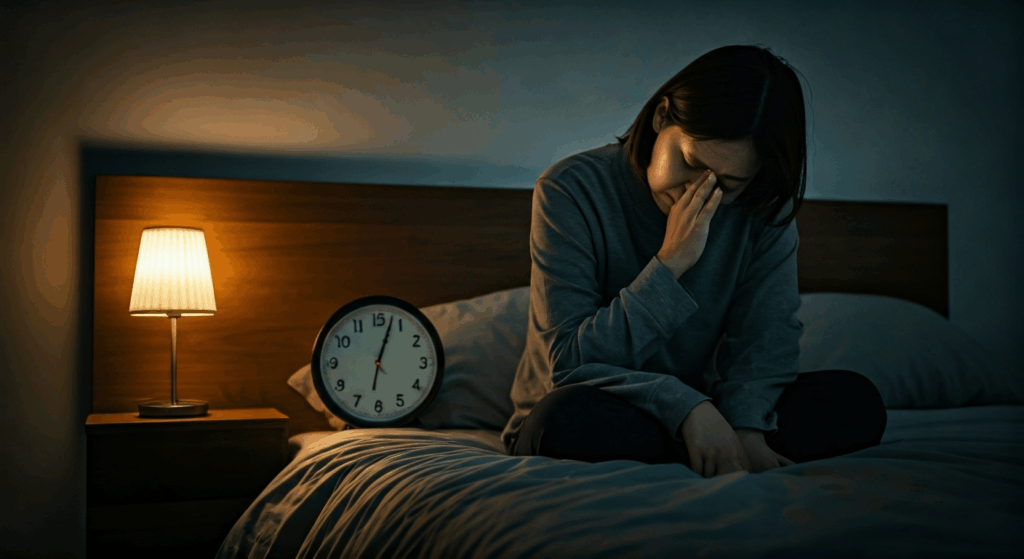
Having sleep disorders or always having trouble sleeping can make it hard to get through the day. Many people use an over-the-counter (OTC) sleep aid to deal with sleepless nights fast. These sleep medications can help you when sleep problems show up now and then. Still, it’s important to know their purpose, how well they work, and what side effects there might be. In this blog, we will take a closer look at ways to manage sleep troubles. This includes things like chronic insomnia or shorter spells of sleep problems. We will talk about sleep medicine that is often recommended, healthy habits for better sleep, and some safe options instead of medicine.
Understanding Insomnia and Its Impact
The nervous system and the brain need enough sleep to work right. If you do not get enough sleep, your memory, body, and life all suffer. Now, let’s talk about some reasons behind sleeplessness in the United States.
Common Causes of Insomnia in the United States
Several things cause sleep disorders in the U.S. Health conditions like sleep apnea and restless leg syndrome make it hard for people to get enough sleep each night. These problems ruin a steady sleep schedule and often make it tough to wake up feeling good.
Stress, whether it comes from work, home, or money worries, is one main reason people have sleepless nights. If your nervous system is always busy because of anxiety, it is not easy to sleep well. When you have stress for a long time and do not do anything about it, this can turn into chronic insomnia.
Your lifestyle and your sleep habits matter, too. If you do not have good sleep routines or you work different shifts, like with shift work disorder, your sleep schedule gets mixed up. This makes it hard to adjust and get good rest. By looking at these reasons and trying to fix them, you or people like you can get enough sleep again and feel better overall.
Symptoms and Effects of Chronic Sleeplessness
Chronic sleeplessness can cause many signs, like being tired all the time and finding it hard to focus. If you don’t get enough sleep night after night, the nervous system starts to get weaker. That makes it tough for your body and mind to handle stress in daily life.
When you have sleepless nights, you may become irritable and your feelings can be hard to control. This can show up at work, in your closest relationships, and even in the choices you make every day. That’s why a good night’s rest is so important to keep your mind clear.
Long-term sleep problems can hurt your body, too. It raises the chances of heart issues, diabetes, and your immune system not working well. If you don’t use anything to help, or if you don’t change how you live, not getting enough hours of sleep can hurt both your health now and in the future. Now, let’s see how otc sleep medications might help with these problems.
Overview of Over-the-Counter (OTC) Sleep Drugs
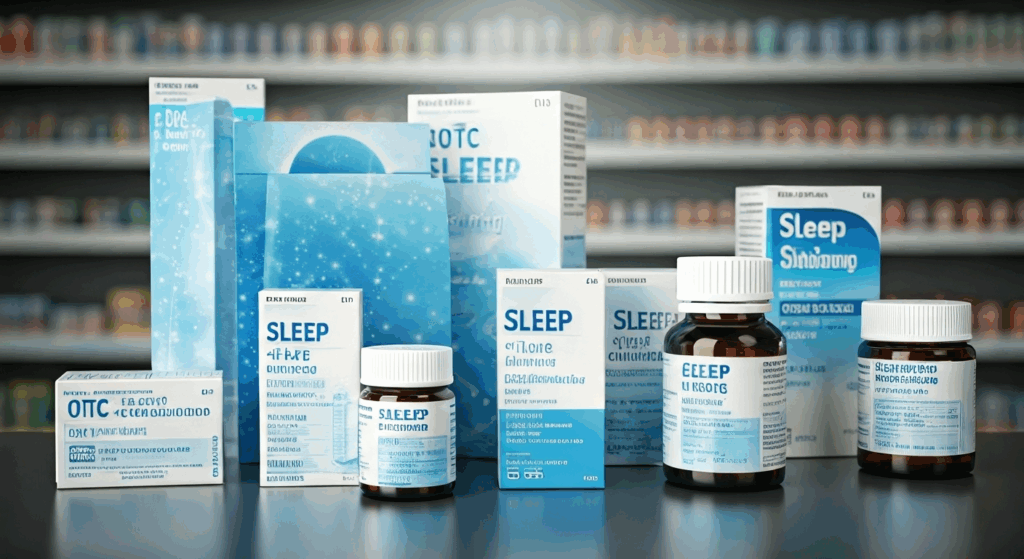
But, these sleep aids can have side effects. Some people may get dry mouth, while others might feel the hangover effect the next day. That is why it is a good idea to talk with a healthcare provider before using any of these medications. This way, you and your provider can make sure that you use them in a safe way and find out what will work best for you.
What Qualifies as an OTC Sleep Aid?
OTC sleep aids are the type of medicines you can get without a prescription. They help you if you have trouble sleeping now and then. These usually use mild sedatives or things that help the body’s natural sleep patterns. The product information that comes with otc sleep aids shows the difference between short-term relief and the need to work on your sleep habits to fix the problem long-term.
For example, diphenhydramine and doxylamine succinate are both used to help people feel sleepy. The FDA checks these drugs for safe drug administration so all people can get and use them the right way.
But not all otc medications are good for everyone. Older adults, those who are pregnant, and people with health conditions must talk to a healthcare provider before using them. Knowing how these products are different from prescription ones helps people find the best way to handle their sleep problems.
How Do OTC Sleep Drugs Differ from Prescription Options?
The main difference between otc sleep medications and prescription sleep aids is in how strong they are and how they are supposed to be used. Prescription sleep aids are given by a healthcare provider to help people with ongoing sleep disorders like insomnia. These may need regular check-ins with your doctor.
On the other hand, otc sleep medications are for problems like trouble sleeping every now and then or when you get jet lag. These drugs are not as strong. They are made for short-term use. The side effects you might get, like dry mouth or feeling groggy, are also usually not as bad as prescription ones.
There is also a difference in how easy it is to get them. Otc medications can be bought at the store or online, and you do not need a prescription for them. Prescription sleep aids are different. You need a doctor to decide if you need them. They might come with therapy, and your dose will likely be watched.
Knowing these things can help you pick the right kind of sleep medications for your sleep troubles. It is a good idea to talk with your healthcare provider to find out what is best for you if you have questions about side effects or which type of sleep aid to use.
Key Types of OTC Sleep Drugs Available
OTC sleep aids come in two main types. The first is antihistamine-based options, and the other is natural supplements like melatonin. Both can give good solutions for different sleep problems.
Antihistamine-based counter sleep aids, such as doxylamine succinate, help you sleep because they have sedative effects. Melatonin supplements, on the other hand, help keep the sleep-wake cycle in balance. Picking the right sleep aid for your needs can be life-changing. It can help you take control when you can’t sleep well. In the next part, we will look at each of these types, starting with antihistamines.
Antihistamine-Based Sleep Aids (Diphenhydramine, Doxylamine)
Antihistamine-based sleep medications, like diphenhydramine and doxylamine, are common otc sleep medications. They are known for making people sleepy because they block histamine in the nervous system. This makes it easier to fall asleep, so they help with sleepless nights. But these sleep medications can have side effects, like a dry mouth or a hangover effect the next day. It is important to talk to a healthcare provider before you use them often, especially if you are an older adult or have health conditions. This makes sure the sleep medications will be safe and work well for you.
Melatonin Supplements for Sleep Regulation
Melatonin supplements help the body keep its sleep and wake cycle in check. These supplements can be very helpful when you need to get used to new time zones or deal with jet lag.
You should take these dietary supplements about an hour before you go to bed. Doing this copies the way your body makes melatonin and helps you enjoy better sleep. Melatonin supplements come in many types, like tablets that melt quickly or those that let the melatonin out slowly over time.
But, there are some health conditions where you should not use melatonin. People who are pregnant or have autoimmune disorders need to be careful. Always talk to your healthcare provider before starting melatonin supplements to make sure they are safe for you. Next, let’s look at the bigger picture about how safe and helpful OTC sleep medications can be.
Effectiveness and Safety of OTC Sleep Medications
OTC sleep medications can help a lot with sleep problems in the short term. They work well as a sleep aid for stress or for sleep issues that come and go. But they do not fix chronic insomnia or deep problems that last for a long time.
Some safety problems need to be looked at. There can be side effects, like a dry mouth. This can be worse if you take high doses or if you are one of the older adults. It’s important to talk to a healthcare provider before you keep using these sleep medications for a long time. Now, let’s find out more about how effective these sleep aids are and what side effects could show up.
How Effective Are OTC Sleep Aids for Insomnia?
OTC sleep aids help you when you need quick relief from sleep problems. You can use them to deal with jet lag or have a way to handle those sleepless nights that happen from time to time. These are a type of sleep aid that work well if you only use them now and then. Unlike medicines you get with a prescription, otc sleep aids are not for chronic insomnia or long-term use.
These sleep aids work best when you just can’t get a good night’s sleep once in a while. If you take them every day, you may get used to them, and they might stop working as well. Using them too much can also lead to other problems or risky side effects. If you have ongoing trouble sleeping or serious sleep disorders, you may need to change your sleep habits or try therapy to get better.
It helps to balance using an effective sleep aid for those really tough nights with working on better sleep habits for your health. Knowing about their side effects and using them safely is important. That way, otc sleep aids stay a good option for short-term sleep problems without causing bigger issues to you, me, or other people.
Potential Side Effects and Safety Concerns to Consider
Even though many people use OTC sleep drugs, there are side effects and things to be careful about:
- Dry mouth and blurred vision are side effects often seen in people who take diphenhydramine and doxylamine succinate.
- If older adults use high doses of antihistamines, it can affect their nervous systems. This might make their thinking unclear or leave them feeling out of it.
- If you take these drugs often, it can mess up your normal sleep patterns. Over time, this can make you rely on the drugs more.
- You should not take these medications with alcohol. If you do, the effects of being drowsy or sleepy may increase.
Always talk to a healthcare provider before using these drugs for a long time. There are other ways to help with your sleep that do not use drugs. These other methods are talked about next and might be better for your long-term sleep health.
Alternatives and Best Practices for Better Sleep
While otc sleep medications can help for a short time, long-term sleep problems often need changes in the way you live and sometimes advice from a professional. Having good sleep habits is important to break the routine of relying on sleep medications.
Some people find help from cognitive behavioral therapy or by using natural remedies like valerian root and chamomile. These can give you better and lasting results for your sleep. Next, we will talk about simple ways to practice good sleep habits and look at other helpful ideas to make sure you get good, restful sleep at night.
Non-Drug Sleep Strategies: Sleep Hygiene and Lifestyle Changes
Having a steady sleep routine can really help you get good sleep:
- Try to go to bed at the same time each night and make this a habit.
- Stay away from screens before bed because the blue light from them can keep you awake.
- Make your room great for sleep. Keep it dark, quiet, and cooler than 70°F.
- Do not have caffeine or alcohol in the hours before you go to sleep.
You can also get better rest by lowering stress and keeping things calm before bed. If you still have trouble getting good sleep, it may be time to see a sleep specialist.
Natural sleep aids, such as valerian root or chamomile tea, give gentle support for people who want to avoid synthetic drugs. Valerian root, for example, works with the nervous system and helps your body unwind when you feel short-term stress.
Melatonin-based dietary supplements help with certain sleep disorders. They work to keep your internal clock in order. There are other good choices, too, like magnesium and tart cherry juice. These may help ease body tensions so you can relax.
It is important to talk with a healthcare provider about any remedy, so you are sure it is right for your health conditions. This helps make sure you get safe and good results.
To sum up, looking into the best over-the-counter sleep drugs can help people deal with sleepless nights. You can find many choices, like drugs with antihistamines or melatonin supplements. It is important to know what is out there and how well each option works. You also need to think about side effects and make your safety a top concern when you pick one of these medicines. Besides using drugs, you should not forget about natural ways and other tips that can help you sleep better. If you want to get better rest, you can get a free talk with our experts. They will help you make a plan just for you. Sleep well!
Are OTC sleep drugs safe for long-term use?
OTC sleep aids should only be used for a short time. Using them for longer can bring risks. You may have side effects or your sleep quality may get worse. There is also a risk of getting used to them. If you still have sleep problems, it is good to talk with a healthcare provider. They can help you find out if there are other health conditions or better long-term fixes to use.
Can I take OTC sleep aids every night?
Daily use of otc sleep aids is not a good idea. It can change natural sleep habits. It can also make people more likely to depend on them. Using them once in a while is usually safe. But it is important to always follow drug administration rules. You can also talk to a healthcare provider to get advice that suits you.
Are there any interactions between OTC sleep drugs and other medications?
Yes, otc sleep aids might mix with other medicines. This can make side effects, like dizziness or feeling too sleepy, much worse. Please look at drug administration guidelines before you take them. Always speak with your healthcare provider. This is important if you want to take otc sleep aids together with prescription sleep aids.
Is melatonin safe for children or teens with insomnia?
Melatonin supplements can help with sleep disorders in some children or teens. But you should only give these supplements to your child if a healthcare provider or sleep specialist tells you to. Every kid is different, so it is important to get advice made just for them. This will help find what is causing any sleep problems and give the best care.
When should I see a doctor about my insomnia?
If sleep problems or chronic insomnia keep going for more than three months, you should see a sleep specialist. When you still have these issues after trying otc sleep aids and good sleep habits, it may be time for sleep medicine or cognitive behavioral therapy that fits your needs.
https://medlineplus.gov/druginfo/natural/1439.html
https://www.ncbi.nlm.nih.gov/pmc/articles/PMC7585905
https://dailymed.nlm.nih.gov/dailymed/lookup.cfm
https://medlineplus.gov/druginfo/meds/a682537.html
https://pubmed.ncbi.nlm.nih.gov/28466395
https://www.nccih.nih.gov/health/cannabis-marijuana-and-cannabinoids-what-you-need-to-know