


How to Create Your Best Diet and Fitness Plan Today
Key Highlights
- A successful health plan combines both a balanced diet and regular physical activity for the best results.
- Personalizing your plan based on your goals, lifestyle, and preferences is crucial for long-term success.
- Popular and effective approaches include the Mediterranean, DASH, and plant-based diets.
- Setting realistic goals and tracking your progress are essential steps for staying motivated on your weight loss journey.
- Proper nutrition before and after workouts can significantly boost your energy, performance, and recovery.
- Consistency in building healthy habits is more effective for sustainable results than short-term, restrictive dieting.
Introduction
Are you ready to take charge of how you feel every day? Making a diet and fitness plan can help you be your best. There are two main things you need for a healthy lifestyle. You should eat healthy foods all the time, and you need to stay active. There are many choices out there, and it may seem like a lot. This guide will make the steps easy to follow. You will learn how to set up a plan that is made just for you. It will work for your body and fit smoothly into your life. This way, you can move toward a better, long-term healthy lifestyle, with good healthy eating and regular physical activity.
Understanding the Foundations of Diet and Fitness
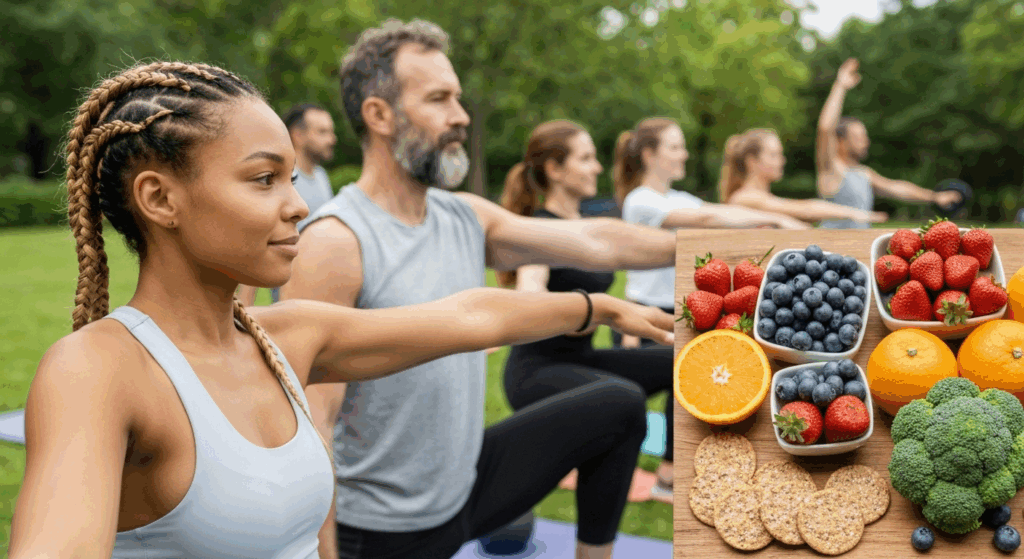
It is good to start a new fitness program along with healthy eating at the same time. Your diet gives your body what it needs to be active. Exercise helps your body use this energy in the best way. Let’s look at how they help each other, and talk about some common myths you might hear.
The Connection Between Nutrition and Exercise
Think of your body like a car. Nutrition is the fuel, and exercise is the engine running. The food you eat gives you calories. These are the energy units your body needs for everything, even physical activity. If you do not have good nutrition, you may not have the stamina you need to do your best during workouts.
Doing regular physical activity is not just about burning calories. It also helps raise your metabolism. When your metabolism is higher, your body burns more calories even when you are just sitting. This helps with weight management and is why it is better to use both diet and exercise together, not just one by itself.
When you put a balanced diet with a steady workout plan, you help your body build muscle, burn fat, and work well. A lot of good diet plans, which we will talk about later, focus on this balanced way for better health and fitness.
Common Myths About Dieting and Workouts
Trying to figure out diet and fitness can be hard because there is a lot of wrong information out there. Believing these myths can stop you from making real progress with your weight loss and can make you feel upset. The best way to lose weight and keep it off is not by extreme cutting but by having healthy habits that you keep over time.
It is key to tell what is true from what is not. For example, some people think you need to stop eating whole food groups for weight loss. This is not needed and will not work for most people in the long run. A balanced mix in your food choices is better for your health and helps you stick with it.
Here are a few common myths to not believe:
- “Carbs make you gain weight.” Whole-grain carbs give you important energy. The real problem is eating too much or eating snacks with lots of sugar and less nutrient value, not carbs on their own.
- “You must endure intense workouts every day.” Doing something active every day, even if it is not hard, is more important than pushing yourself too much. Keeping up with these new habits matters most.
- “A very low-calorie diet is the fastest way to lose weight.” Cutting your calories too much can slow your metabolism. It can also stop you from getting the nutrients you need for your body to be well.
These tips about weight loss, healthy habits, calories, calorie needs, carbs, and metabolism
Popular Diet and Fitness Approaches Explained
There is not one best way for everyone to eat and exercise. The way that works for you is the one you can keep doing for a long time. Different diet and fitness plans offer their own health benefits. These plans are made to fit different lifestyles, what people like, and goals for reaching a healthy weight.
It helps to know the basics of popular plans. This can guide you to pick what feels good for you. Below, we talk about some well-known diet plans and fitness routines that can help you choose the best way for you.
Overview of Effective Diet Plans (Mediterranean, DASH, Low-Carb, etc.)
Several diet plans are celebrated not just for weight loss but for their overall health benefits. The Mediterranean diet, rich in fruits, vegetables, fish, and olive oil, is considered a gold standard for reducing risk factors for chronic diseases. Similarly, the DASH (Dietary Approaches to Stop Hypertension) diet is designed to lower high blood pressure by emphasizing whole grains, vegetables, and lean proteins while limiting salt.
The Mayo Clinic Diet takes a lifestyle approach, using a pyramid to guide food choices and encourage physical activity. It focuses on replacing unhealthy behaviors with sustainable, healthy ones. Low-carb diets, like keto, restrict carbohydrates to encourage the body to burn fat for fuel.
Here’s a quick comparison of some popular plans:
| Diet Plan | Primary Focus | Key Foods |
|---|---|---|
| Mediterranean | Heart health, longevity | Fruits, vegetables, whole grains, fish, olive oil |
| DASH | Lowering blood pressure | Fruits, vegetables, whole grains, lean meats, low-fat dairy |
| Plant-Based | Reducing animal products | Vegetables, fruits, legumes, grains, nuts, seeds |
| Low-Carb | Restricting carbohydrates | Protein sources (meat, fish), fats, non-starchy vegetables |
Types of Fitness Routines for Different Goals
Just like with diets, your fitness routine should fit your goals. These goals can be weight loss, building muscle, or getting better health. Try to mix different activities in your daily routine. This is often the best way to improve your Body Mass Index (BMI) and help control high blood pressure or blood pressure issues.
If you are new and want weight loss, start with simple heart-pumping exercises. You can try brisk walking, cycling, or swimming. These get your heart rate up. Try to do it every day, even if you only do 10-15 minutes each time. Consistency is key for your daily routine.
Later, when you get used to it, add in more types of exercise:
- Strength training: Helps you build muscle. This also increases your metabolism. You can use dumbbells, other weights, or resistance bands.
- High-Intensity Interval Training (HIIT): You do short bursts of tough exercise, then stop for a bit to rest, and repeat.
- Flexibility and Mobility: Do things like yoga or stretching. These will help your body move better and stop you from getting hurt.
What You Need to Get Started on Your Diet and Fitness Journey

There are some tools, like small kitchen items and useful apps, that can help. The right support can be helpful in the long run. Below, you will find out what equipment and resources you need to plan meals and check your progress on your weight loss journey. Use these tips to help you be more in control and reach your goals for a healthy lifestyle.
Essential Tools and Equipment for Beginners
You do not need a gym pass or high-priced gear to begin with physical activity. The base of the pyramid for a healthy lifestyle, like shown in the Mayo Clinic Diet, starts with movement. Most people, like older adults or beginners, will find that starting out simple can be the best way to go.
The same goes for your kitchen. You do not need to buy lots of gadgets. The cooking tools that help with portion control and let you prepare healthy food are all you really need when you want to get on the right track.
Here are some things to help you start:
- You want a pair of walking or running shoes to move comfortably.
- Get a reusable water bottle so you stay hydrated each day.
- Food storage containers help with prepping meals.
- Measuring cups and spoons can help with keeping your portions in check.
- Try a basic food scale so you know more about your calorie and nutrient amounts.
Resources for Meal Planning and Tracking Progress
Planning meals and keeping track of your progress are key parts of building healthy habits. There are many tools out there that can help you make a plan that fits you and keep you encouraged. Using these tools can help you take your goals and turn them into actions you can do every day. A BMI calculator, for example, can show you where your health stands at the start.
Tracking how you are doing is not only about your weight. It is about seeing your steps forward, knowing what works for you, and seeing where you need to change things. Doing this helps you make a weight loss and exercise plan that matches what you need right now.
The following resources can help:
- Mobile Apps: You can try apps like the NHS Weight Loss Plan or WW (Weight Watchers). These give you a step-by-step plan, recipes, and ways to track your weight loss.
- Food Journal: Write down what you eat in a notebook or use the notes app on your phone. This helps you see your eating habits and what foods work best for your healthy habits.
- Online Recipe Finders: Use websites with healthy recipes. They let you search for meal ideas that fit your diet.
Using things like a BMI calculator, food journals, and apps helps you see your progress. These make your plan feel more real and help you stick with your healthy habits all year.
Step-by-Step Guide to Creating Your Personalized Diet and Fitness Plan
A basic plan does not often lead to long-term changes. The best way to lose weight and get fit is to have a plan made for your own needs, goals, and how you live each day. Making your own plan helps you follow it for a long time. Healthy choices start to feel normal, not hard or forced.
There is more to this than just choosing a simple diet or exercise. You need to make goals you can reach. You also have to plan meals you will like, find a fitness routine you can keep up with, and learn to change when life gets in the way. The steps below will help you make your own plan.
Step 1: Set Realistic Health and Fitness Goals
The first step to any journey is to know where you want to go. Good goal setting is important in a weight management plan made just for you. Try not to set vague goals like “I want to be healthier.” Instead, make your goals clear and easy to measure. Be sure they are realistic and have a time limit.
For example, you could aim to lose 5% of your body weight in three months. You could also try walking for 30 minutes a day, five days a week. The Mayo Clinic Diet says that people who join can lose about 6–10 pounds in the first two weeks. This can be a great motivator.
Break your main goal into small weekly steps. This way, things feel less hard and you get to celebrate little wins often. These moments help you stay excited and on track. When you make your goals personal, you give meaning to your journey and remember your own reasons for weight management.
Step 2: Design a Meal Plan That Matches Your Needs
After you set your goals, the next step is to build a meal plan that fits them. A healthy diet is not about taking food away. It is about giving your body the right, nutritious foods it needs. To help with weight loss, first, you need to know how many calories you should have each day. This depends on your age, if you are a man or woman, how active you are, and what your weight loss goals are.
Make sure each meal has some lean protein, whole-grain carbs, and healthy fats. Try to put lots of fruits and vegetables on your plate. This helps you get the vitamins and minerals your body needs. Plans like DASH and the Mediterranean diet can show you a good way to build a balanced meal.
Having both a meal plan and a workout plan together works best for weight loss. Your meal plan should give you enough energy to keep up with your workouts. By planning your meals for the week, you can stay focused, save time, and not grab unhealthy foods when you are hungry.
Step 3: Build a Beginner-Friendly Workout Routine
If you are new to exercise, be sure to start slow. This lowers your chance of getting hurt or feeling too tired. The best beginner workout routines are easy, simple to follow, and fun. Staying active for even a short time each day can help a lot. The NHS says you should start with just 10 minutes a day and then add more time as you get used to it.
A great way to get weight loss started with dieting is to do physical activity that gets your heart moving. Brisk walking works well because you do not need special gear and you can go almost anywhere. Try to reach 150 minutes of modest activity every week.
When you feel ready, include strength training two or three days a week. You can do things like squats or push-ups using your own body weight. The main thing is to create a routine you will keep doing. Find workout routines that fit your life so you build this good habit for you.
Step 4: Track Progress and Adjust Your Plan
Tracking how you are doing is very important when you want to stay motivated. It also helps you make sure your plan is working. Weight loss is one clear sign of progress. But do not forget to notice other good changes too. These can be things like having more energy, your clothes fitting better, or when you can do physical activity for more time.
Checking what you eat and how much you move every day helps you learn about your habits. It also lets you make sure you keep a steady calorie deficit, which is needed for weight loss. If you notice that things are not moving forward, it may be time to look at your plan. See what things you can change to get back on track.
Changing your plan is normal as you go on. As you lose weight, your need for calories may not stay the same. You may need to eat a little less. You may also need to make your workouts harder so you keep getting results. Being able to change your plan when needed helps you reach your goals in the long run.
Optimizing Nutrition Around Your Workouts
To get the most health benefits from your exercise, you need a good nutrition plan. The foods you eat and the time you eat them matter. They affect how you feel when you work out and how you recover after. Giving your body the right fuel helps you keep your energy up. It also helps you fix and grow muscle.
It is good to choose foods that fit your type of exercise. Let’s talk about what to eat before a workout so you have energy for your activity and what to eat after so your body heals and gets strong.
Best Foods to Eat Before Exercise
Eating before you work out gives your body the energy it needs to do well. The best foods to eat before you exercise have lots of carbs. Carbs are the main source of fuel for your body. When you eat carbs before you work out, it helps fill up the glycogen in your body. This gives you the strength to get through your routine.
Try to have a light meal or snack about 1 to 3 hours before your workout. This lets your body digest the food so you do not feel slow or heavy. Having a snack can also get your metabolism going and make sure you have enough energy to get through your session.
Here are some good foods to eat before a workout:
- A small banana or an apple.
- A slice of whole-grain toast with a thin layer of nut butter.
- A small bowl of oatmeal.
- A handful of whole-grain crackers.
Ideal Post-Workout Meals and Snacks
After you work out, the body needs to get back its energy and fix its muscles. Protein helps with this. Eating protein after exercise gives the body the building blocks it needs to heal and grow muscles. If you also eat protein with carbs, it can help fill up your body’s energy stores and help you get better faster.
Try to have your post-workout food or snack within an hour after you finish exercising. Eating at this time will help you get the best results from your workout. Good protein sources are lean meats, fish, and dairy. If you want plant-based foods, try lentils, beans, or peas. These are good for you too.
Here are some great snacks after working out:
- A glass of low-fat milk or some Greek yogurt.
- A smoothie with fruit and protein powder.
- Cottage cheese with fruit.
- A meal with chicken or fish, and a side of vegetables and quinoa.
Combining Diet and Fitness for Sustainable Results
The secret to keeping a healthy weight is not something you fix fast. You need to make a steady effort for a long time. Eating a balanced diet and doing physical activity often is the best way to form healthy habits. This helps you lower body fat and see real results that last. Working this way is good for your whole body, and it’s more than just about numbers on a scale.
To stay on track, you have to find the things that keep you going. It’s also important to change your plan as your body changes. Here are some tips to help you be steady and keep moving toward your goals.
Tips for Staying Motivated and Consistent
Motivation comes and goes, so it’s a good idea to build some consistency into your daily routine. When you make healthy choices into habits, you start to do them without thinking much about it. You need less willpower, and things start to feel easy, like you’re on autopilot. It is a great way to stay on track if you can find some fun in the process, because you will be more likely to keep doing it.
Don’t worry about changing things up now and then. If you get bored of your usual workouts or the meals you eat each day, go ahead and try something new. The main idea is to create a daily routine that you like and want to stick to, not one that you just push yourself through. Sharing your story or daily routine with a friend or someone in your family can help a lot. You will get more support, and you are more likely to keep going when someone is cheering you on.
Here are some tips to help you stay on track:
- Find an activity you genuinely enjoy. Exercise doesn’t have to feel like a punishment.
- Schedule your workouts. Treat these like any regular, important appointment.
- Prepare healthy meals in advance. This helps you eat well, even when you are busy.
- Celebrate your milestones. Take a moment to notice all the hard work you do, even if the win looks small.
- Don’t let a “slip-up” derail you.
How to Modify Your Plan as You Progress
As you go on your weight loss journey, your body will get used to the things you do. What helps you lose weight at first may not work as well after some months. This is normal. It’s important to know how to change your plan, so you can still move forward if you stop making progress.
It’s a good idea to look at your goals from time to time. As you get in better shape, you may want to set new goals. For example, you might want to run more or lift more weight. This will help you focus on getting stronger and building up your endurance. It’s not just about weight loss or getting rid of body fat, but also about what your body can do. This can make you feel good and confident.
If you notice you stop losing weight, try making some small changes. You can work out a bit harder or for longer. It may also help to check your diet again. See if you can eat less processed foods or change your portion sizes. This can help you better manage your calorie intake. With these steps, you can keep losing weight and body fat on your weight loss journey.
Conclusion
Building your diet and fitness plan takes time. You need to understand the link between nutrition and exercise. Stay focused, and be open to change as you go. Break common beliefs about food and workouts, and make your plan with your own goals in mind. Keep yourself motivated and update your plan whenever needed. Getting healthy is not quick. It needs you to keep going and celebrate small wins. If you want to start moving towards better health, ask for help and get advice made for you. A good diet and fitness plan is ready for you.
Frequently Asked Questions
How can I personalize a diet and exercise plan for my specific goals?
To make a plan that fits you, start by thinking about your own goals. For weight management, this could be your target body weight. After you set your aim, figure out how many calorie and nutrients you need each day. Choose exercises and healthy foods that you like. This helps you stay with your plan for a long time.
What is a simple 30-day plan for beginners?
A 30-day plan for beginners is about building healthy habits. Try to do a physical activity for 30 minutes every day. Walking is a good choice. Focus on a meal plan with whole foods. It is better to be steady than to push too hard. Staying consistent is the best way to start your weight loss.
How many calories should I consume daily for weight loss and fitness?
The number of calories you need every day will be different for each person. It depends on your age, sex, BMI, and metabolism. If you are trying for weight loss, you should usually have a calorie deficit of 500 to 750 calories each day. This means you eat fewer calories than you burn. The best way to know the right number of calories for you is to use an online calculator or talk to a professional who can help with a personal plan.
Are there recommended workout routines to start losing weight?
For weight loss, you can start with physical activity that is easy to do. Try brisk walking or cycling for about 30 minutes each day. Add strength training for beginners to your daily routine two or three times each week. This helps to boost your metabolism and gives you stronger muscles.
Can anyone share your diet plan for fitness?
While it’s tempting to share diet plans, the best diet and fitness plan varies for each individual. Factors such as age, health conditions, and personal preferences play a significant role. Consulting with a nutritionist or fitness expert can help tailor a plan that effectively meets your unique goals.
https://www.ncbi.nlm.nih.gov/pmc/articles/PMC6723598
https://www.ncbi.nlm.nih.gov/pubmed/26527511
https://www.sciencedirect.com/science/article/pii/S019566632100550X
https://pubmed.ncbi.nlm.nih.gov/31905920
https://pubmed.ncbi.nlm.nih.gov/33989093
https://www.gov.uk/find-local-council
https://www.healthierforlife.com/better-health
https://www.nature.com/articles/ejcn2014216