
Unlock Youthful Skin: Best Skin Care for Aging Skin
Key Highlights
- The best skin care for aging starts with a simple routine you can follow every day. In addition to using a retinol serum—which can help soften fine lines and support smoother-looking skin over time—adopting healthy lifestyle habits can also improve the appearance of aging skin. These habits include staying hydrated, maintaining a balanced diet rich in antioxidants, getting regular exercise, wearing sunscreen daily, managing stress, and ensuring you get enough sleep.
- A retinol serum can help soften fine lines and support smoother-looking skin over time.
- A vitamin c serum is a strong morning step for brighter skin and a more even look.
- Daily sunscreen matters most because sun exposure speeds up signs of aging.
- Hydration, peptides, and barrier support help skin feel comfortable, plump, and healthy.
- Your skin type should guide every product choice.
Introduction
Finding the right skin care products for aging skin can feel confusing, especially when every label promises big results. The good news is that you do not need a complicated shelf to make progress. A few well-chosen products can help with fine lines, dullness, dryness, and uneven texture. When your routine focuses on hydration, protection, and proven active ingredients that support collagen production, your skin can look smoother, brighter, and more comfortable with time.
Unlock Youthful Skin: Top Skin Care Solutions for Aging Skin
The most effective skin care products for aging in 2026 focus on a few proven categories: retinol, vitamin c, hyaluronic acid, peptides, rich moisturizer formulas, eye cream, and daily SPF. These options target common signs of aging without making your routine feel overloaded.
Just as important, your skin type shapes what works best. Dry skin often needs richer textures, while oily skin may prefer lighter layers. If you want a routine for mature skin, start with gentle basics, add one treatment at a time, and stay consistent. Here are the top product types to know.
1. Retinol Serums for Smoother Texture
Retinol remains one of the most trusted ingredients for aging skin. A well-made retinol serum is often used to improve skin texture, soften the look of fine lines, and support collagen production over time. It works by encouraging faster turnover of skin cells, which can leave skin looking smoother and more refined.
If you are choosing ingredients to reduce wrinkles and early lines, retinol is a strong place to start. Dermatologists often recommend it because it has stayed popular for years and fits many routines when used correctly.
- Start with a low strength one to two nights per week.
- Pair it with moisturizer to reduce dryness and irritation.
- Avoid mixing it with multiple strong actives at first.
Patience matters here. Results from retinol do not happen overnight, but steady use can make a noticeable difference.
2. Vitamin C Products to Brighten and Firm
For morning use, vitamin c is one of the smartest picks. A vitamin c serum helps improve the look of skin tone, boost radiance, and support firmer-looking skin. It is also linked with collagen support, which makes it helpful when dullness and dark spots become more noticeable.
Many formulas use ascorbic acid, a well-known form of vitamin c. If age spots are your main concern, this ingredient is often paired with niacinamide for a brighter, more even complexion. Affordable and premium options both exist, so you do not have to overspend to build a useful routine.
- Apply vitamin c after cleansing in the morning.
- Follow with moisturizer and daily sunscreen.
- Do not use it on already irritated skin.
Used regularly, vitamin c can help skin look fresher and more even without adding a heavy feel.
3. Hyaluronic Acid Treatments for Deep Hydration
When your skin feels tight, rough, or tired, hyaluronic acid can help fast. This ingredient is known for drawing in moisture and helping skin hold onto hydration. It is especially useful for dry skin, though many skin types benefit from it because dehydrated skin often makes lines look more obvious.
A good anti-aging cream for your skin type should match texture to comfort. If you are dry, richer creams over hyaluronic acid work well. If you get oily, lighter layers may feel better. Affordable products with this ingredient are easy to find in the US, which makes it a practical step for many routines.
- Apply hyaluronic acid to slightly damp skin for better moisture support.
- Seal it in with a moisturizer to keep hydration from fading quickly.
This step is simple, but it can make your skin feel softer, plumper, and more comfortable day to day.
4. Peptide Creams for Collagen Boost
Peptides are another standout in skin care products made for aging concerns. These short chains of amino acids are linked to collagen and elastin, so they are often used in formulas that aim to support firmer, smoother-looking skin. If you want gentle help with wrinkles and fine lines, peptides deserve a place on your list.
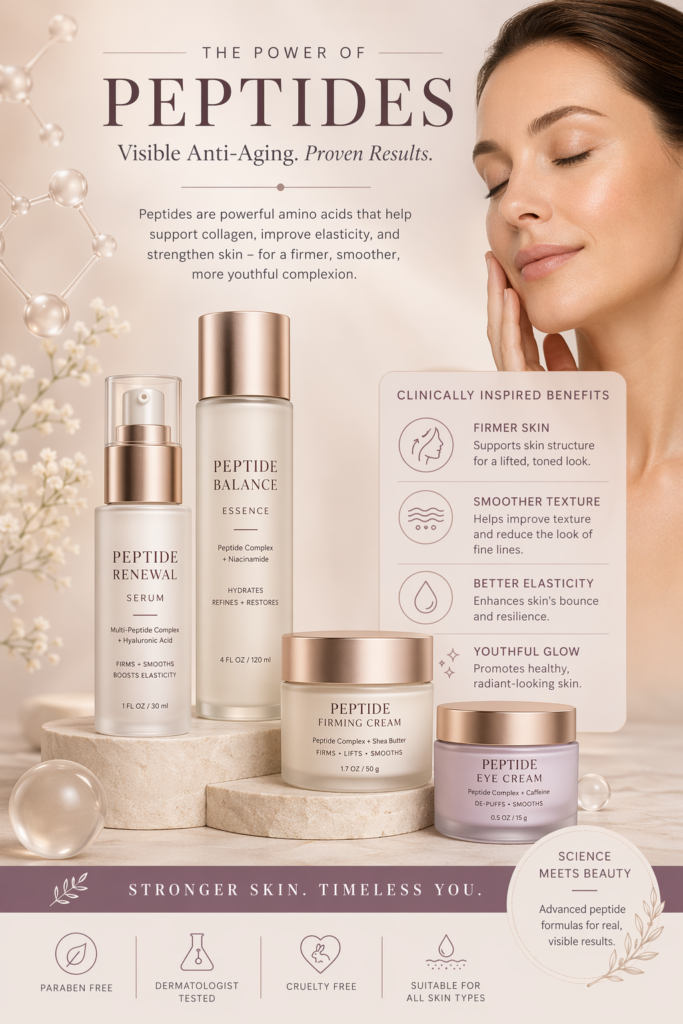
They are also easy to fit into an anti-aging skincare routine for mature skin. Unlike some stronger actives, peptides are commonly seen as comfortable for most skin types and can be used in either the morning or evening.
- Use peptides after cleansing and before your cream or moisturizer.
- Pair them with hydrating ingredients for a balanced routine.
If your goal is steady support without a harsh feel, peptide creams are a smart long-term option.
5. Eye Creams Targeting Undereye Bags and Fine Lines
The eye area needs extra care because the skin there is thinner and more delicate. That is why a dedicated eye cream can help, especially if you are dealing with fine lines, puffiness, or dark circles. Lighter textures and gentler formulas often work best in this part of your routine.
If undereye bags are your main issue, cooling formulas and caffeine are popular choices. For dryness and creasing, hydration and peptides can improve the skin feel without making the area heavy. If you are sensitive, keep the formula simple and fragrance-free.
- Tap the product in gently instead of rubbing.
- Store eye cream in the fridge for a cooling effect.
- Choose fragrance-free options if your eyes get irritated easily.
A small amount used consistently can make the area look fresher and feel more comfortable.
6. Moisturizers with SPF for Daily Protection
If you only focus on one anti-aging habit, make it sunscreen. A moisturizer with SPF can simplify your morning routine, but the real goal is daily SPF that you will actually wear. Sun exposure is strongly tied to visible aging, so daily sunscreen helps protect the progress you make with every other product.
Broad-spectrum formulas with at least SPF 30 are the standard choice. Texture matters too. Some people prefer dewy finishes, while others want a matte option that sits well under makeup. The biggest mistake in many routines is skipping sunscreen or using it only on sunny days.
- Choose broad-spectrum SPF 30 or higher for daily use.
- Reapply every two hours, or after sweating and swimming.
This one step supports your skin barrier and helps prevent more visible damage from building up.
7. Gentle Cleansers for Mature Skin
A good cleanser sets the tone for the rest of your routine. Mature skin often does better with a gentle cleanser that removes buildup without leaving the face stripped or tight. This matters even more if you have sensitive skin or dry skin, since harsh washing can make irritation and dryness worse.
To build an anti-aging routine for mature skin, start here: cleanse, treat, moisturize, and protect. It sounds basic, but consistency usually matters more than using too many products. One helpful habit is avoiding over-exfoliation, which is a common cause of redness and discomfort.
- Look for fragrance-free formulas if your skin reacts easily.
- Avoid stripping cleansers that leave your face feeling squeaky.
When cleansing feels balanced instead of harsh, the rest of your routine tends to work better.
8. Night Creams for Overnight Renewal
Night is the ideal time for richer formulas. A good night cream supports hydration and comfort while your routine works in the background. Many overnight products combine nourishing textures with ingredients like squalane, ceramides, or even retinoids to help skin cells look smoother and less tired by morning.
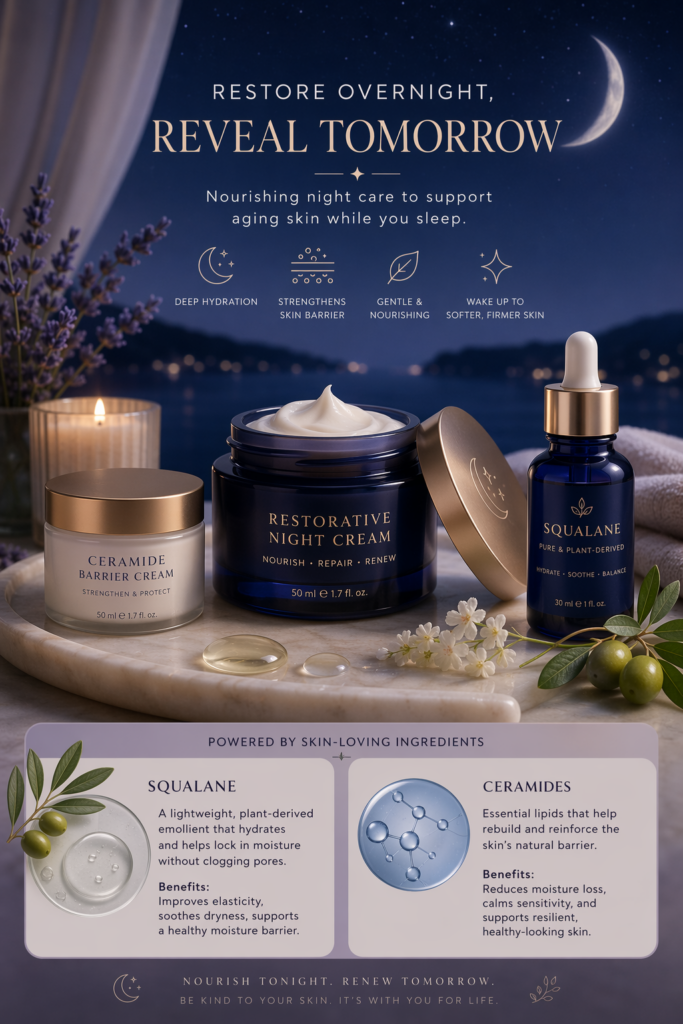
Dermatologist-recommended products often focus on basics that are proven and easy to use consistently. For mature skin, that usually means a gentle cleanser, one treatment step, and a solid night cream that reduces dryness instead of adding stress.
- Use night cream after your treatment serum to lock in hydration.
- Choose formulas with squalane or barrier-supporting ingredients if skin feels tight.
This step can make your evening routine feel simple, comforting, and easier to keep up with.
Essential Anti-Aging Ingredients to Look For
If you are wondering which active ingredients matter most, focus on the ones with clear roles in a routine. Retinol, vitamin c, peptides, niacinamide, ceramides, and hydrating ingredients all support different aging concerns, from uneven tone to dryness and visible lines.
A strong routine for mature skin does not need every trend. It needs balance. Antioxidants help defend skin, niacinamide supports tone, and ceramides help protect comfort. Together, these ingredients can support collagen-focused care without making your skin routine feel complicated. Next, let’s break them down.
Antioxidants That Defend Against Environmental Stress
Antioxidants help protect your skin from environmental stress. They are often used to defend against free radicals, which are linked with early visible aging and dullness. If your skin looks tired or uneven, this category is worth your attention.
Vitamin c is one of the best-known antioxidants in skin care. Many formulas use ascorbic acid, especially in serums made for daytime use. Adding antioxidants to your morning routine, then following with sunscreen, is one of the most useful habits for long-term skin support.
| Antioxidant | What it is known for |
|---|---|
| Vitamin c | Helps brighten the complexion and support a more radiant look |
| Ascorbic acid | A common form of vitamin c used in brightening serums |
| Antioxidants in general | Help defend skin from free radicals linked with dullness |
This approach is simple, but it can support smoother, brighter-looking skin over time.
Niacinamide for Reducing Age Spots
Niacinamide is a popular ingredient for people who want a more even skin tone without using something harsh. It often appears in products made to improve the look of pores, reduce redness, and support a smoother overall complexion. That makes it useful when age spots start to stand out more.
It also pairs well with vitamin c in brightening routines. If you are trying to minimize age spots, this combination is frequently recommended because the ingredients complement each other rather than compete. Dermatologist-backed routines often include niacinamide because it is generally gentle and easy to fit into daily use.
- Use niacinamide consistently for gradual support with uneven tone.
- Pair it with vitamin c and sunscreen in the morning for a brighter routine.
For many people, it is one of the easiest upgrades to make.
Ceramides for Strengthening the Skin Barrier
Ceramides are key if your skin feels dry, reactive, or easily irritated. They are often included in products focused on comfort because they help support the skin barrier and improve hydration. When the barrier is weak, even effective products may feel harder to tolerate.
If you are choosing an anti-aging cream for your skin type, ceramides are especially helpful for dry or sensitive skin. They also help improve the efficacy of a routine by making skin feel more stable and less prone to discomfort. One common mistake is focusing only on actives and forgetting barrier care.
- Look for ceramides in your moisturizer if skin feels tight or rough.
- Avoid over-exfoliating, which can weaken the skin barrier.
Strong skin is not just about treatments. It is also about keeping moisture in and irritation down.
Conclusion
In conclusion, caring for aging skin is essential for maintaining a youthful appearance and overall skin health. By incorporating targeted solutions like retinol serums, vitamin C products, and hydrating treatments into your daily routine, you can effectively combat signs of aging. Additionally, understanding key ingredients such as antioxidants and niacinamide will empower you to make informed choices in your skincare journey. Remember, the path to glowing, youthful skin is not just about products, but also about creating a consistent and thoughtful routine. If you’re ready to rejuvenate your skin and want personalized recommendations, don’t hesitate to get in touch for a free consultation!
Frequently Asked Questions
What are dermatologist-recommended products for aging skin?
A dermatologist will often point you toward proven skin care products such as a retinol serum, vitamin c, peptides, ceramides, hyaluronic acid, and daily sunscreen. For aging concerns, their efficacy depends on steady use, the right strength, and choosing formulas that match your skin’s tolerance.
How can I build an effective anti-aging skincare routine?
Build your skin care routine around your skin type. Start with a gentle cleanser, then add active ingredients like vitamin c in the morning or retinol at night. Follow with a moisturizer, and finish every morning with sunscreen. Introduce new steps slowly to keep skin comfortable.
Are there affordable, effective anti-aging brands available in the US?
Yes. There are affordable options in the US with solid efficacy, especially for basics like hyaluronic acid, peptides, retinol, and moisturizer formulas. Good anti-aging skin care products do not have to be expensive. Focus on trusted ingredients, gentle textures, and daily sunscreen before chasing luxury extras.
https://order.store.mayoclinic.com/flex/mmv/ESDIAB1
https://nordstrom.sjv.io/c/3006986/1960196/23920
https://www.instagram.com/aadskin1
https://www.imagedermatology.com/dermatologic-surgeon-montclair-nj