

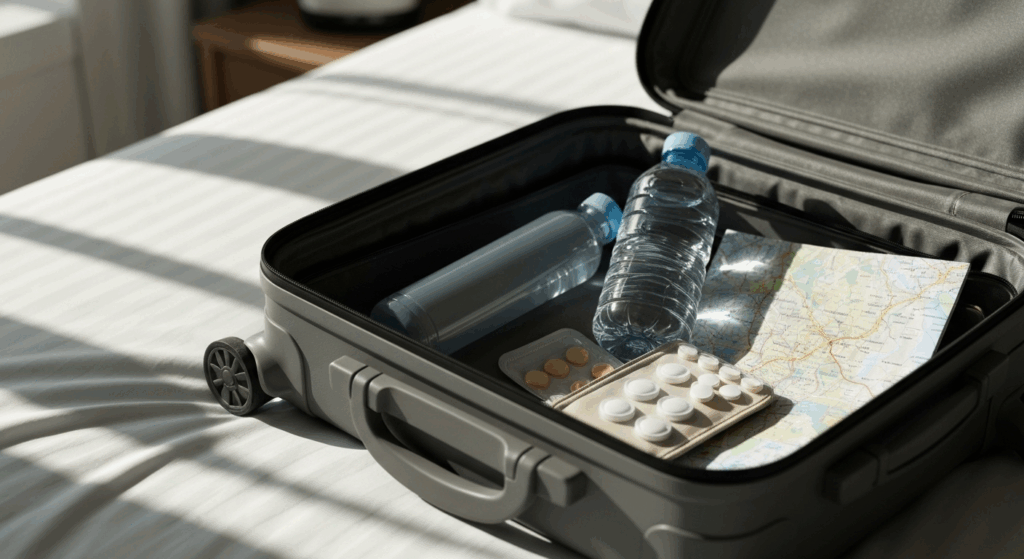
Key Highlights
- The treatment of motion sickness is most effective when medication is taken before travel begins.
- Common drugs for nausea relief include antihistamines like Dramamine and anticholinergics like Scopolamine.
- Oral scopolamine and transdermal patches are highly effective but require a prescription.
- All medications have potential side effects, with drowsiness and dry mouth being the most common.
- The evidence supporting the effectiveness of herbal supplements like ginger for motion sickness is often weak or contradictory.
- Non-drug strategies, such as focusing on the horizon, can also help manage symptoms.
Introduction
Motion sickness is something that many people get. It can make a trip hard and not fun. You can get motion sickness in a car, on a boat, or while flying. The motion sickness symptoms are not nice. You may feel sick to your stomach or dizzy. This can happen to anyone. The good side is that you do not have to deal with it by yourself. There are many ways for the treatment of motion sickness. You can buy simple medicine at the store or get stronger patches from a doctor. Knowing about these treatments can help you make the best choice for your next trip.
Understanding Motion Sickness
The management of motion sickness works by stopping this sensory conflict or by treating the symptoms of motion sickness if they start. Below, we look at what causes it, the signs of it, and who is at risk. This helps you know how to deal with motion sickness and its symptoms in a better way.
What Causes Motion Sickness
The most common reason for motion sickness is the neural mismatch theory. This idea says that the sickness happens because your body’s motion-sensing systems do not agree. The inner ear is in charge of your balance and helps you know where you are in space. It lets your brain know that you are moving.
But if your eyes look at something that does not move inside the car or vehicle, they tell your brain you are not moving. This creates a disagreement between what your eyes see and what your inner ear feels. The result is called a “neural mismatch.” Your brain gets mixed signals, and this leads to feelings of sickness and discomfort.
That is why it helps to look at the horizon. When you look out at something stable but far away, your eyes and inner ear agree about the movement. This cuts down the sensory conflict. The best medicines for motion sickness try to block the signals in your brain that make you feel nauseous. This can help stop the problem before it starts.
Symptoms and Signs of Motion Sickness
The onset of motion sickness tends to be slow. At first, you may have a queasy stomach or just feel not quite right. After that, you can get other motion sickness symptoms. These can include pale skin, cold sweating, more spit in your mouth, feeling dizzy, and feeling warmer than normal.
The main symptoms of motion sickness are nausea and sometimes vomiting. You also may get tired, feel sleepy, or have a hard time thinking clearly. If you use virtual reality, you can notice eyestrain or get headaches more often. A dry mouth is also common, and this might be caused by motion sickness or by medicine you take for it.
People often use medicines like Dramamine and Bonine for nausea relief from motion sickness. These work in the central nervous system and block the signals in your brain that cause these symptoms. This can help you feel better when you travel.
How Motion Sickness Affects the Body
Motion sickness happens when there is a problem with the central nervous system. The brain gets mixed signals about movement, and this leads to the usual symptoms like nausea, pale skin, and cold sweats.
When people have acute motion sickness, one big effect is gastric stasis. This means the stomach’s regular muscle movements slow down or stop. Because of this, the body may not absorb medicine taken by mouth, so these drugs may not work if you take them after you start to feel sick.
Also, all drugs used for motion sickness cause some side effects. These can include drowsiness, dry mouth, and blurry vision. This is because these medicines work on the central nervous system to stop the motion sickness.
Risk Factors for Motion Sickness
Not everyone gets motion sickness in the same way. The susceptibility of the individual plays a big role. Genetics can be the reason for up to 70% of why some people get motion sickness and others do not. Age also matters. Kids younger than two almost never get it. The chance gets higher between ages 7 and 12. After that, the chance goes down when people get older. Women say they have motion sickness more often than men. This may be because of hormones.
The intensity of the stimulus is important, too. A gentle car ride may be fine for most people. But a flight with bumps or bumpy water in a boat can bring out motion sickness, even in people who don’t usually have problems. Car sickness is common, especially when people ride and do not look outside the window.
People who get migraines or have issues with the inner ear are more likely to get motion sickness. If you think about using medicine, it is important to be careful. Some drugs for motion sickness have strong side effects, especially for kids. Always talk with a healthcare provider before you give any medicine, because it can be risky.
When to Seek Medical Attention
Most of the time, motion sickness goes away on its own and you can handle it with stuff you buy at the store. But, there are times when you should talk to a doctor. If you have a severe case of motion sickness and normal treatments do not work, you may need stronger medicine that needs a prescription.
If you notice problems like not being steady or still feeling like you are rocking for hours or days after a trip, it could be something rare called mal de debarquement syndrome. In this situation, it’s important to see a specialist. Also, if someone, especially a child, takes too much medicine by mistake, you should reach out to a poison control center for help.
You should get medical help if:
- Your symptoms are very bad or stop you from doing things.
- You feel out of balance or dizzy even after the travel is over.
- You have a bad reaction to medicine, like feeling confused or seeing things that are not there.
- You get motion sickness so much that it makes your life hard.
For severe cases of motion sickness, doctors can give you prescription drugs. If regular options do not help, your doctor might prescribe stronger medicines like Scopolamine or Promethazine for long or tough trips.
How Motion Sickness Drugs Work

To make sure these drugs work, correct drug administration is important. The prevention of motion sickness happens best when you take the medicine before you are in motion. That way, it gets into your body and starts to help before any symptoms show up. The next sections will talk more about these ways and how they help.
Mechanisms of Drug Action in the Inner Ear and Brain
To treat motion sickness well, medicine needs to cross from the blood into the brain. It must reach the central nervous system to work. These drugs help by stopping the mixed signals going from the inner ear to the brain. When the inner ear notices movement that the eyes do not, it sends these messages to the brain. The brain then thinks something is wrong. This often makes people feel sick to their stomach.
There are some drugs that are good at this, like Scopolamine and some antihistamines. They have something called central anticholinergic properties. In simple words, they block a brain chemical called acetylcholine. By doing this, the medicines quiet the vomiting center in the brain and slow down the signals coming from the inner ear.
That is the way medicines like Dramamine and Bonine help with motion sickness. These are antihistamines that also have central anticholinergic properties. They calm the brain area that understands motion, which helps stop you from feeling dizzy or sick. But newer antihistamines that do not make you sleepy will not help, because they do not get into the brain to block these signals.
Timing and Dosage of Medications
The timing for drug administration is very important when you want to stop motion sickness. You have to take medicine before there are any symptoms. If you start to feel sick to your stomach, the body may slow the stomach down. This is known as gastric stasis. When this happens, your stomach takes longer to absorb pills. So, they do not work as well.
It is good to follow the dosage guidelines for your safety and to get the best results. If you take too little, you might not get any help. If you take too much, you may get side effects. Side effects can be different for each person. Because of that, some people try a small dose first to see how they feel before their trip.
Here is what you need to know for the best results:
- Oral tablets: Take between 30 and 60 minutes before you leave.
- Chewable tablets: It is best to take these 30 to 60 minutes before you travel.
- Transdermal patches: Put these on at least 4 to 8 hours before you need them.
- Always check the instructions on the packaging for more details about timing and how much to take.
Differences Between Over-the-Counter and Prescription Medicines
The main difference between over-the-counter (OTC) medications and prescription drugs for motion sickness is in their strength, how long they work, and how easy they are to get. OTC options are easy to find in pharmacies. They are good for mild or moderate motion sickness and can be used by many people.
Some common over-the-counter medications for travel sickness are Dimenhydrinate (Dramamine) and Meclizine (Bonine). These work as antihistamines. They help if you plan a short trip but can make you feel sleepy. For most people who get travel sickness sometimes, these are a good first choice.
Prescription drugs, like the Scopolamine patch (Transderm Scop) or Promethazine, are stronger and last longer. Healthcare providers suggest these for people who have severe motion sickness or need help for a long trip, for example on a cruise. To get these drugs, you need to talk to a healthcare provider to make sure they fit your health condition.
Comparing Tablets, Patches, and Liquid Formulations
Motion sickness medications come in several forms of drug administration, each with its own advantages. Tablets are common and easy to take, while chewable versions can be more convenient if water is not available. Liquid formulations are often used for children who cannot swallow pills.
The transdermal patch, which contains scopolamine, offers a unique delivery system. It provides a slow, steady release of medication over a long period (up to 72 hours), making it a popular choice for extended journeys. This continuous delivery often leads to fewer peaks and troughs in drug levels compared to oral scopolamine tablets.
Motion sickness patches can work better than tablets for long trips due to their extended duration. However, for short trips, a faster-acting tablet may be more practical.
| Formulation | Onset of Action | Duration | Best For |
|---|---|---|---|
| Tablets/Capsules | 30-60 minutes | 4-8 hours | Short to medium-length trips. |
| Chewable Tablets | 30-60 minutes | 8-24 hours | Convenience, when water isn’t available. |
| Transdermal Patch | 4-8 hours | Up to 72 hours | Long trips, like cruises or multi-day travel. |
| Liquid/Syrup | 30-60 minutes | 4-8 hours | Children or adults who can’t swallow pills. |
When to Take Medication—Preventive vs. Symptomatic Use
The best way to handle motion sickness is to stop it before it starts. If you take medicine for motion sickness before you are in a moving vehicle, the drug can get into your system early. This helps it start working before your brain gets confused by different signals. Stopping motion sickness in this way works better than trying to fix it after you feel bad.
It is very important to take motion sickness medicine before any symptoms show up. After the onset of motion sickness, your body can have something called gastric stasis. This means your stomach slows down and has trouble emptying food or medicine. If you take oral medicine after nausea has started, the pills might just sit in your stomach and not work. You may not get the help you need.
So, planning ahead is key. If you know you get motion sickness, take your medicine for the prevention of motion sickness before the trip begins and at the right time. Do not wait until you feel sick, because by then, oral medicine often doesn’t work well. In such cases, you might have to use a patch or get an injection instead.
Overview of Drug Categories for Motion Sickness
If you understand these drug categories, it can help you and your healthcare provider choose the right treatment. You need to look at your own risk of motion sickness, the type of travel you will do, and what side effects you can handle. The next parts will talk about each main drug group for motion sickness.
Antihistamines
Antihistamines are one of the most common and easy-to-find treatments for motion sickness. First-generation antihistamines like Dimenhydrinate, which is in Dramamine, and Meclizine, which is in Bonine, work well because they can get into the brain. These drugs slow down the part of the brain that makes you feel sick and throw up.
You can find these medications in most stores without a prescription. Many travelers use them because they work for most people. But these drugs often make you feel sleepy. This is one of the biggest side effects. Others can get a dry mouth or have blurry vision.
There are some options that claim to make you less tired, like products with meclizine. People often call them “less drowsy” or “non-drowsy” for motion sickness. But truly non-sedating antihistamines, which many use for allergies—like cetirizine or loratadine—do not work for motion sickness. They don’t get into the brain the same way.
If you are worried about side effects like drowsiness or dry mouth, read the packaging and talk to your doctor or pharmacist before choosing a motion sickness medication.
Anticholinergics
Anticholinergics are some of the best drugs people use to stop motion sickness. The drug used most in this group is scopolamine. It helps by blocking acetylcholine in the brain. This helps stop the signals that come from the inner ear when you move.
Scopolamine works well because it has strong central anticholinergic properties. You usually get this drug with a prescription. Most people use it as a transdermal patch called Transderm Scop. You wear the patch behind your ear. This patch gives a slow, steady amount of medicine for up to three days. It works well for people who need help over a long time, like a trip that lasts for days.
When you compare the ways to use this drug, the patch is often better than using tablets. Patches work longer and keep the drug at the same level in your body the whole time. Tablets have to be taken more often and may not work well if you feel sick or have trouble with your stomach. So, the patch can give more steady and trusted protection against motion sickness.
Sympathomimetics
Sympathomimetics are a group of drugs that can help with the management of motion sickness. Still, people do not often use them as the first choice. Most of the time, they are given to help with the tired feeling or other side effects caused by other motion sickness medicine, such as antihistamines.
Drugs like amphetamine and ephedrine in this category work by making the central nervous system more alert. A few studies say that using amphetamine together with scopolamine can be one of the most helpful ways to treat motion sickness. But these drugs are not easy to get. This is because there is worry about people getting addicted to them or using them the wrong way.
Because of these problems, most doctors will not use sympathomimetics by themselves for motion sickness. The doctor will think about the health condition of the person, and the right time to use this kind of drug. These drugs are usually only used in special, controlled places and not for everyone.
Phenothiazines
Phenothiazines are a group of prescription drugs. People use them to treat nausea and vomiting, even when the sickness comes from motion. One common medicine from this group is promethazine (Phenergan). It works well as an antihistamine and has strong sedative and anticholinergic effects.
Because it works so well, doctors often choose promethazine for severe motion sickness. It can be helpful when moving a lot or when regular medicine from the store does not work. You can take it by mouth, as a suppository, or through an injection. This is good if you have started vomiting.
But there is a problem with medicines like promethazine. They can make you feel very sleepy. Sometimes, the drowsiness is so bad that you should not use it if you need to stay awake, like when you must drive. You need to think about this side effect when you decide to use it for motion sickness.
Combination Medications
Sometimes, doctors use combination medications to help with motion sickness. These are made by putting two drugs together. The mix can do more good than using just one drug. For example, an antihistamine might be mixed with a drug like ephedrine. The first drug helps to stop nausea, and the second one helps fight sleepiness.
Some of the more powerful ways to stop motion sickness use a mix like scopolamine and amphetamine. But you cannot get these at the store because they can be abused and may have strong side effects.
Most over-the-counter drugs for motion sickness, like Dramamine or Bonine, have just one main ingredient. Still, you should always check the label. A few over-the-counter products may have a mix of drugs. If you use these, the chance of side effects goes up. So, be careful to read the instructions and know what is in the medicine before you take it. This helps you avoid problems and manage your motion sickness symptoms the right way.
Dramamine (Dimenhydrinate)

You can find Dramamine in different forms, like tablets and chewable tablets. It is easy to get and simple to use. If you take it before you travel, you can lower your chances of getting motion sickness. This will help your journey be more comfortable. In the next sections, you will find out how Dramamine works, some tips on using it the right way, and the benefits it offers for the treatment of motion sickness and its symptoms.
How Dramamine Works
Dramamine works well because of its main ingredient called dimenhydrinate. This is a first-generation antihistamine. These drugs can cross into the brain and help give nausea relief by working on the central nervous system.
This medicine helps by reducing signals from the inner ear. The inner ear helps you know if you are moving. When the signals from that area get dulled, it can stop the motion sickness reaction. Also, it blocks some of the brain’s nerve messages that start the feeling of needing to throw up. This two-part way of working makes Dramamine good at stopping the main symptoms of motion sickness.
Dramamine, like Bonine and some other medicines, calms how the brain handles the body’s response when there is a sensory conflict, such as when the signals from your eyes and your inner ear do not match. For best results, drug administration should happen 30 to 60 minutes before you travel. This way, the medicine has enough time to work before symptoms of motion sickness show up.
Dosage Guidelines and Forms Available
Dramamine is one of the most used medicines you can buy to help with motion sickness. To make sure that it helps the best it can, you need to follow how much to take. The regular amount for adults is 50 mg to 100 mg, and you should take it around 30 minutes to one hour before you start your trip. You can take it again every 4 to 6 hours if you still need it. But you must not take more than 400 mg in one day.
There are different types of Dramamine for what you need. You can get the old style tablets, chewable tablets, and they also make a “less drowsy” kind with meclizine. For kids, there’s a special kind made just for them. How well these forms and amounts work has been checked by controlled trial studies for many years.
For quick help, these are the forms you can buy:
- Original Formula Tablets: The regular dimenhydrinate kind.
- Chewable Tablets: Easy to use, you don’t need water.
- Dramamine for Kids: Chewable tablets with less medicine for children ages 2 to 12.
- Less Drowsy Formula: Has meclizine if you want it to last longer and be less likely to make you sleepy.
Benefits of Using Dramamine
One of the main benefits of Dramamine is that it really helps with nausea relief. People have been using it for years when they travel to avoid getting motion sickness. You can use it to help prevent motion sickness and you can take it when you first feel sick. So, it is a good choice for many things.
Dramamine is easy to get. You do not need a prescription and you can find it in most pharmacies and stores. This makes it an easy pick, especially if you have to travel at the last minute or make an unexpected trip.
Dramamine might not be as strong as some prescription medicine, but it is still one of the most effective over-the-counter options for motion sickness. It has some important benefits:
- Fast-acting relief: You will usually feel better in 30 to 60 minutes.
- Wide availability: You will see it in stores and you do not need a prescription.
- Multiple formulations: There are options for adults, children, and people who want chewable tablets.
- Reliability: Many travelers have used it for a long time to help with symptoms.
Common Side Effects and Precautions
Like all medications, Dramamine can have side effects. The most common side effect is drowsiness. This can make you less alert. You may not be safe to drive or use machines. Be careful until you know what this medicine does to you.
Other anticholinergic side effects can show up. Some people get a dry mouth, dry eyes, or blurred vision. A few may have constipation or trouble passing urine, but these are not as common. If you have a health problem like glaucoma, an enlarged prostate, or asthma, you should be extra careful.
Always read the label and stick to the recommended dose to lower risks. If you take any other medicine, especially those that make you sleepy, talk to your healthcare provider or pharmacist. This will help you avoid problems from drug interactions.
Suitable Use in Children and Pregnant Women
Dramamine can help with motion sickness in children. It is very important to pay close attention to how much you give. Dramamine for Kids has less dimenhydrinate (25 mg) than other forms. This kind is good for children who are between 2 to 12 years. To keep them safe, always check the age and weight instructions on the package. This helps avoid giving too much and stops problems like making them too sleepy.
Some doctors say you should not give diphenhydramine (part of dimenhydrinate) to children. The reason is that it can make them sleepy. Sometimes, it can also make them more active instead of calm. That is why parents should give a small test dose before the trip. This lets them see how the child reacts.
If a person is pregnant, they may have motion sickness too. Dimenhydrinate is mostly seen as safe for women who are having a baby. Even so, pregnant women should always talk to their healthcare provider first before using any medicine. The doctor can talk about what is good and bad for the person. They will pick the best and safest choice for them.
Bonine (Meclizine)
Bonine is often called a non-drowsy or less-drowsy travel sickness remedy. It gives relief that lasts a long time. One dose usually works for up to 24 hours. This is good for long trips or full days out, as you get steady help with nausea and dizziness.
Mechanism of Action
Bonine works because of its main ingredient, Meclizine. This medicine, like other first-generation antihistamines for motion sickness, acts on the central nervous system. It targets the part of the ear called the vestibular system. This system helps the body sense motion and keep balance. Meclizine lowers how active this system is.
When this system is calmer, Meclizine blocks the signals that carry motion and nausea messages to the brain’s vomiting center. With this, the brain does not mix up signals that cause motion sickness. This helps keep people from feeling dizzy or sick—the main symptoms of motion sickness.
So, Bonine and medicines like Dramamine help stop symptoms of motion sickness by changing how the brain handles movement. Meclizine is made to let you stay more alert, though. That means it does not make you as sleepy as dimenhydrinate does.
Dosage Recommendations
Bonine is a good over-the-counter medicine that helps stop travel sickness. For adults and kids who are 12 or older, you should take 25 mg to 50 mg. Take this about one hour before you start your trip. This way, the medicine has time to work and help you feel better.
A big plus of Bonine is how long it lasts. One dose can help you for 8 to 24 hours. You do not need to take more during a long day of travel or if you are out all day. This makes it easy for people who do not want to take extra medicine as they go.
Make sure to follow the amount you should take as explained on the package. Do not take more than it says. Bonine often comes as a chewable tablet, so you can take it without water if you need to. If you have questions about using Bonine for travel sickness, talk with a healthcare provider to make good choices for your needs.
Key Benefits of Non-Drowsy Formulations
The biggest reason to use a non-drowsy or less-drowsy medicine like Bonine is that it helps you deal with motion sickness without making you very sleepy. This is a big help for people who travel and need to stay alert. You can drive, do things with others, or just enjoy your trip without feeling tired or out of it.
Medicines with meclizine are made to cut down on the sleepiness that is common with other antihistamines. This is good for travel planning because you do not have to fit in extra naps or skip activities because of feeling sleepy from your medicine.
There are non-drowsy ways to treat motion sickness, and Bonine is a well-known example. No antihistamine takes away sleepiness for everyone every time, but meclizine is known to cause less drowsiness. It works well and helps you handle your symptoms, so you can stay sharp and enjoy your day.
Safety Profile and Potential Interactions
Although Bonine is seen as being less likely to make you sleepy, it can still cause side effects in some people. The most common side effects of motion sickness medicine like Bonine can include drowsiness, tiredness, blurred vision, and dry mouth. It is a good idea to find out how the drug makes you feel before you do anything that needs you to be fully alert.
You should know about possible problems when using Bonine with other things. If you drink alcohol or take other drugs that slow down the central nervous system, like sedatives or tranquilizers, with Bonine, it can make you very sleepy and less able to think clearly.
It is good to talk to your doctor or a pharmacist before you take Bonine, especially if you already have a health condition. People who have glaucoma, asthma, or an enlarged prostate should be extra careful. When you talk about your past health problems, you help make sure this medication is safe for you to use.
Who Should Use Bonine
Bonine is a good option for adults and teens who get motion sickness and want something that works well and lasts a long time. You can get the protection for 24 hours with this medicine. This makes it helpful if you are on a long trip, a plane ride, or a cruise where you cannot take more pills during the day.
People who need to stay awake and be active while traveling can also use Bonine. If you are the one driving, leading a tour, or just want to enjoy your vacation without feeling sleepy, Bonine gives you a way to help with the prevention of motion sickness. Its formula is less likely to make you drowsy, so you can join in all your travel plans.
But Bonine is not right for everyone. Some people might ask if children can use motion sickness medicine like Bonine. The label says Bonine is for adults and kids who are 12 years or older. You should not give it to younger children unless you talk to a healthcare provider first.
Scopolamine (Transdermal Patch)
You can also get scopolamine as pills. But, most people like the transdermal patch more because it is easy to use and works for a long time. The patch protects you for up to three days. This is great if you take long trips, like on a cruise. It also helps people who get motion sickness easily have safe and steady relief for many days.
How Scopolamine Patches Work
The Scopolamine transdermal patch helps with motion sickness. The patch is placed just behind the ear. It gives out the drug slowly over three days. This way of giving the drug works so well because you get a steady level in the body all the time.
Scopolamine is an anticholinergic drug. It stops acetylcholine in the brain from working. By doing this, it breaks up the nerve signals going from the inner ear to the part of the brain that handles feeling sick and throwing up. So, the patch blocks the signals that make you sick during movement.
Often, motion sickness patches help more than tablets. The patch delivers a steady dose the whole time. There are no high or low points like with pills. It also does not go through the stomach. This helps if you already feel sick and can’t absorb medicine well.
Advantages of Patch Over Oral Medication
The transdermal patch has some clear advantages over oral scopolamine and other oral medicines for motion sickness. The main one is that the patch gives steady drug administration for a long time. You only need to use one patch, and it will help for up to three days. This means you do not have to keep taking medicine again and again, which is good for long trips.
The patch also goes into the body through the skin. It does not go through the stomach. This matters because if you have motion sickness, you often get gastric stasis. This makes it hard for the stomach to absorb oral pills, and you may vomit. The patch will still work, even if you feel sick.
Motion sickness patches often help more than tablets or chewing gum, because:
- Long-Lasting: One patch keeps working for up to 72 hours.
- Consistent Dosing: It gives a steady amount of medicine over time.
- Bypasses the Stomach: The patch works even when you are feeling sick or throwing up.
- Convenience: You just put the patch on and it keeps working for three days.
Motion sickness, the transdermal patch, oral scopolamine, drug administration, and gastric stasis are all important when choosing how to manage your symptoms.
Application Tips and Dosage Instructions
To get the most out of the Scopolamine patch for motion sickness, you need to follow the tips for applying it and using the right dose. Put the patch on clean, dry skin with no hair, right behind one ear. Because the patch has central anticholinergic properties, remember to wash your hands well after putting it on. This helps keep the medicine out of your eyes.
You should use this medicine before you start to feel sick from moving. It’s best to put the patch on at least 4 to 8 hours before you think you will be in motion. This gives the medicine time to get into your blood and start working.
Here are some important things to know:
- Only use one patch at a time.
- Do not cut the patch, because it needs to stay in one piece to work right.
- If you need to use it for more than three days, take off the old patch and put a new one behind your other ear.
- After you have put on the patch, try not to touch it.
Side Effects and Warnings
The scopolamine patch is used to help with motion sickness. The most common side effect from using this patch is a dry mouth. People also may get drowsy, but this is not as strong as with some other medicines you take by mouth. Some users may have other side effects, like blurred vision or dizziness.
Scopolamine is not safe for everyone. If you have angle-closure glaucoma or if you have a risk of trouble with peeing, like if you are a man with a large prostate, you should not use this patch. The patch may not be good for older adults. They can be more sensitive to the side effects.
The patch is for use with a prescription from a healthcare provider. Your doctor will check if it is safe for you to use this medicine. It helps to know that some people have withdrawal when they take the patch off, such as dizziness or nausea. This can happen more if you have used the patch for several days.
Considerations for Travel and Long Duration Trips
The scopolamine patch works well to help with travel sickness on a long trip. If you plan to go on a cruise, take a long train ride, or fly for many hours, you can use one patch that lasts for 72 hours. This means you have less to worry about and do not need to take pills every few hours. It makes the management of motion sickness much easier.
This patch is strong and needs a prescription, so it is best for those who have a lot of trouble with motion illness. Over-the-counter pills can have some use for shorter trips. But, if you are someone who get sick easy or have a trip that will take days, the scopolamine patch could be the best way for you to manage motion sickness.
Before you take a long trip, you should speak to your healthcare provider about the patch. This can help you find out if the patch is the right thing for you and make sure you get what you need. Talking to your healthcare provider ahead of time helps you to be prepared. That way, you have the right tool to stop motion sickness from getting in the way of your travel.
Cyclizine
You need to make sure you use proper drug administration. Take Cyclizine before you travel to get the best result. This drug is good for adults and older kids, so it fits the needs of many families. Cyclizine may make you feel sleepy, but people say it is a good and reliable choice for motion sickness during all kinds of travel.
How Cyclizine Helps Prevent Nausea
Cyclizine gives nausea relief by working on the central nervous system. This medicine is a first-generation antihistamine. It has anticholinergic effects that help stop the brain from starting nausea and vomiting. The medicine makes the brain react less to signals from the inner ear, which often get confusing when there is motion.
The way Cyclizine works is not fully known. Most say it seems to act right on the inner ear and parts of the brain that trigger sickness. By working on these areas, Cyclizine helps the body to keep steady during motion. This action can stop symptoms that might make you feel sick.
Medicines like Dramamine and Bonine also help with motion sickness in a similar way. These are all antihistamines. They cross over into the brain and help settle the nervous system. When it gets too excited due to motion, these medicines help stop you from feeling bad before it starts.
Dosage and Administration Guidance
For the best prevention of motion sickness, you need to take Cyclizine the right way. Most adults should take 50 mg by mouth. It is best to have this about 30 minutes to one hour before you start your trip.
You must take this medicine before you notice motion sickness. Taking the drug ahead of time helps make sure it works in your system before your brain gets the mixed signals of motion. If you need to, you can take another dose every 4 to 6 hours. But do not take more than 200 mg in one day.
Some people may not be able to take the drug by mouth. So, Cyclizine is also made as a shot for medical use. You should read the product label for your instructions. The dose for kids will be less and you should let a healthcare provider give the right amount for them. Always talk to your healthcare provider about drug administration and the prevention of motion sickness.
Benefits of Using Cyclizine for Different Age Groups
Cyclizine is a good choice for the management of motion sickness in many people. Adults and teens can use it. The medicine is fast-acting, and you can buy it over the counter for most travel needs. Many families trust it because it works well.
Can children take drugs for motion sickness like Cyclizine safely? Yes, children over six can often use it. This is a big plus because some medicines like Bonine are only for kids 12 or older. That means Cyclizine can help school kids who feel sick during car or bus rides.
Here are the main benefits of Cyclizine:
- Broad Age Range: Adults and kids older than six can use it.
- Versatility: Works for motion sickness caused by cars, boats, and more.
- Fast-Acting: Starts working in about 30 to 60 minutes.
- Accessibility: You can get it without a prescription in many places.
Side Effects to Watch For
Like other antihistamines, Cyclizine may bring some side effects. The main side effect is feeling sleepy. This can be mild, or it might be stronger. You should not drive or use heavy tools until you know how this medication affects you.
Other possible side effects of this motion sickness medicine are dry mouth, blurred vision, and dry eyes. These are common because Cyclizine lowers body fluids. Some people can also get constipated or have trouble peeing.
Most people are okay with this drug, but you should still be aware of these side effects. Drinking water can help with dry mouth. If you get bad or lasting side effects, stop taking Cyclizine. You should talk to a healthcare worker if that happens.
Drug Interactions and Contraindications
It is important to know about possible drug interactions when you take Cyclizine. When this medicine is taken with alcohol or other drugs that slow down your central nervous system, like sleeping pills, tranquilizers, or some pain medicines, the sedative effects can be stronger. This can make you very sleepy and slow your reactions.
There are certain conditions where people should not use Cyclizine. People who have angle-closure glaucoma, an enlarged prostate, or trouble passing urine should not use this medicine. This is because Cyclizine has anticholinergic effects and it can make these health problems worse.
The side effects of motion sickness drugs can be more noticeable if you use them with other medicines. You should always tell your doctor or pharmacist about every medicine and supplement you use, even if it is over-the-counter. This helps make sure Cyclizine is safe for you.
Promethazine (Phenergan)
But, Promethazine also makes you very sleepy. The drowsiness from this medication can be strong. Because of this, it may not be good for use in many travel situations. Doctors usually use it only when someone’s motion sickness is very bad, or when nothing else works and the need to stop symptoms is more important than staying awake.
Mode of Action in Treating Motion Sickness
Promethazine helps with motion sickness by working on the central nervous system. It is an antihistamine, and it also has strong effects that stop stomach problems. This medicine blocks several signals in the brain that can make you feel sick and throw up.
It works at a main spot in the brain called the chemoreceptor trigger zone. This spot deals with signals that bring on nausea. By blocking these signals, promethazine stops the body from wanting to vomit. This drug does a better job than many basic antihistamines that you might get for motion sickness symptoms.
Medicines like Dramamine and Bonine mostly work on the part of the ear that keeps balance. But, promethazine acts on a lot more spots in the central nervous system. This is what makes promethazine work well for tough cases of motion sickness. However, it also means that its side effects, such as feeling sleepy, can be stronger for many people.
Usage Tips for Severe Motion Sickness
Promethazine is often given for people with really strong motion sickness. To help with the management of motion sickness, you have to follow the directions from your doctor. The usual amount for an adult is 25 mg, and you should take it 30 to 60 minutes before you go on your trip. You can take the same amount again every 8 to 12 hours.
This drug is very strong. It is important to use the dose your doctor tells you and not take more. When you are already throwing up, you can use Promethazine as a rectal suppository or an intramuscular shot. These ways let your body take in the medicine even if you cannot take it by mouth.
Here are some tips for using Promethazine for severe motion sickness:
- Start with a lower dose if you do not know what the effect will be.
- Take it the night before you need to leave early, so you can sleep through the drowsiness.
- Never mix it with alcohol or other stuff that makes you sleepy.
- Arrange for someone else to drive, because you will not be able to do it safely.
You must keep these tips in mind for the good management of motion sickness in severe cases.
Benefits and Drawbacks
The main benefit of Promethazine is that it works very well for severe motion sickness. If other drugs do not help with this problem, it can give strong relief from bad nausea and vomiting. This helps people get through times of motion that are hard to take. It comes in different forms like pills, syrup, suppositories, and injections. This means there are many ways people can use this medicine for motion sickness.
But, the biggest problem with Promethazine is that it causes a lot of drowsiness. The tired feeling you get from it can be very strong. This makes it unsafe to drive a car, use machines, or do anything that needs you to be very alert. Because of this side effect, it is not always a good choice for people who like to travel.
Here is a summary of its benefits and drawbacks:
- Benefit: Works well for strong nausea and vomiting.
- Benefit: You can take it in many different forms.
- Drawback: Makes you very sleepy and less able to do things.
- Drawback: You need a prescription, and the doctor must watch you while you use it.
The side effects of motion sickness drugs are often stronger with Promethazine than with some other options.
Potential Sedative Effects
The main thing to know about Promethazine is that it can make you very sleepy. It is one of the stronger phenothiazines used to treat motion sickness. The drowsiness from this drug is not small. For many people, it feels deep and lasts a long time. You might find it hard to be yourself and do normal things.
This heavy sleepiness is one of the main side effects you get from this drug. That is why anyone using Promethazine has to be careful. You should not drive, make big choices, or do anything that needs you to be fully alert. The way this drug affects you can be like what happens when you drink alcohol.
When thinking about using drugs for motion sickness, you want to know all the side effects. With Promethazine, drowsiness comes first on the list. Other side effects include feeling dizzy, getting confused, dry mouth, or blurred vision. These problems happen because of the powerful way it can act on your central nervous system.
Safety Considerations for Children and Elderly
The safety of Promethazine is a big concern, especially to children and older adults. In children, this drug can be very risky. Kids under two should not take Promethazine at all because it can cause deadly breathing problems. For children older than two, doctors have to be very careful with this medicine.
Older adults, or the elderly, can also have more problems with the side effects of Promethazine. It often makes them feel confused or dizzy and can make people fall down. Older people may also get disoriented when on this drug. Doctors usually start with a lower dose for them.
Can kids use medicine like Promethazine for motion sickness? Only if the doctor says it is okay, and only if there are no safer options. Parents and caregivers should work closely with a doctor to decide. For both kids and older people, over-the-counter drugs are usually a safer bet before trying Promethazine, because the side effects are less dangerous.
Diphenhydramine (Benadryl)

If you get allergies when you travel, diphenhydramine can help with those and with motion sickness at the same time. But, you need to watch out for the side effects. The biggest one to keep in mind is that it can make you feel very sleepy.
Why Diphenhydramine Is Effective Against Nausea
Diphenhydramine helps with nausea relief because it is a first-generation antihistamine. It affects the central nervous system in a strong way. Just like other drugs in the same group, it makes you feel sleepy and has a drying effect because it blocks anticholinergic activity. It stops histamine and acetylcholine from working in the brain.
When it blocks these signals, Diphenhydramine slows down nerve messages that go from the inner ear to the part of the brain that controls vomiting. This helps to stop nausea and lowers the need to vomit.
This is how medicines like Dramamine and Bonine help with motion sickness. All these drugs calm the brain when there is a sensory conflict that causes motion sickness. What makes Diphenhydramine good for nausea relief is that it slows down how the central nervous system works.
Recommended Dosage and Use Cases
When you use Diphenhydramine for motion sickness, be sure to follow the right amount. The usual dose for adults is 25 mg to 50 mg. You should take it 30 to 60 minutes before you travel. You can take more every 4 to 6 hours if you need it. Children need less. Give them 0.5-1 mg per kg, and always be careful with the dose.
This medicine can be good for people who have allergies. If you already take Benadryl for your allergies, it could also help you with motion sickness during your trip. But this drug can make you very sleepy, so it is not a good choice if you need to be awake.
Diphenhydramine is one of the over-the-counter drugs that helps with motion sickness, and you can get it easily. Still, because it has side effects, you should check with a doctor if you have a health condition like glaucoma or a big prostate before using it.
Benefits for Allergy-Prone Travelers
If you travel and deal with both allergies and travel sickness, Benadryl (Diphenhydramine) can help with both problems. You only need to take one type of medicine for both issues. This makes it easy to get ready for your trip. You also have to pack fewer pills.
Benadryl works well to stop sneezing, a runny nose, and itchy, watery eyes. All of these be caused by allergies. At the same time, the medicine is an antihistamine. It helps stop the nausea and dizzy feeling that comes with motion sickness. This medicine can help people who face both allergy and motion sickness when they travel.
The main reasons why travelers with allergies choose Benadryl are:
- Dual Action: Handles both allergy signs and motion sickness at the same time.
- Convenience: You use just one medicine for two travel problems.
- Accessibility: You can get it at most stores without a prescription.
- Cost-Effective: You might not need to buy extra medicine for motion sickness.
Common Side Effects
Common side effects from treatments for motion sickness often include dry mouth and dry eyes. These can be a real bother, especially when you are traveling. Drowsiness or feeling sleepy may also happen because many of these drugs act on the central nervous system. Some people say they get relief from nausea, but they might also notice constipation.
It is good to know that people can react in different ways to these side effects. This can depend on their health and the type of medication’s central anticholinergic properties. Watching how your body reacts when you use these drugs can help you and your doctor manage your motion sickness symptoms better. Understanding these common side effects is an important step in the management of motion sickness.
Precautions for People with Medical Conditions
When you look at options for the treatment of motion sickness, it is very important to think about any health problems you may already have. People who have medical issues like glaucoma or prostate problems should talk to their healthcare provider before they start any new medicine. Some medicines for motion sickness can make their symptoms worse.
If you have conditions that affect the central nervous system, you may be more likely to get side effects. Some of these can be dry mouth or feeling very sleepy. People using transdermal patches or medicines that work all through the body should be extra careful, because drugs can mix together in ways that cause problems.
Make sure your healthcare provider knows your full medical background. This helps with the safe management of motion sickness and keeps you safe from side effects.
Metoclopramide (Reglan)

Metoclopramide, also known as Reglan, is used for the treatment of motion sickness. This medicine helps your stomach move food better, which can make nausea go away. It works on your brain’s signals and can stop the strange feeling that starts motion sickness symptoms, like a queasy stomach or a dry mouth. With its central anticholinergic properties, metoclopramide can be good when you get hit with strong nausea, especially during travel. It may give fast nausea relief and stop other motion sickness symptoms before they get worse. But make sure you talk to a healthcare provider to know how much to take and when to use it. This will help keep the side effects low and get you the best result if there are severe cases.
How Metoclopramide Alleviates Motion Sickness
Metoclopramide is used for the treatment of motion sickness. It helps by speeding up how the stomach moves. This medicine lowers feelings of nausea that can come from traveling. It works on the central nervous system, which helps deal with what is called the neural mismatch theory. This theory helps explain why motion sickness symptoms show up when you travel. Metoclopramide blocks certain signals in your brain, which eases nausea and vomiting from motion or other causes. It also helps move food faster out of the stomach, so you feel less of that queasy stomach feeling. Because of this two-way action, metoclopramide brings strong nausea relief for both mild and severe cases of travel sickness. This can help you feel better and make your trip much more comfortable.
Dosage and Appropriate Use
Dosing for motion sickness drugs can be different for each person, based on what the drug is and their health condition. For example, oral scopolamine is often used in a patch that goes behind the ear. You usually put it on at least four hours before you go on a trip. This is to help get the most nausea relief. A doctor might want you to follow a certain plan, depending on how much you get sick. It is important to watch for side effects like dry mouth or dry eyes during your treatment. The doctor may change the dose if your symptoms are worse or if you have had other side effects before. You always need to talk to your doctor about what is right for you. This helps keep you safe, especially if you have another health condition.
Benefits in Severe or Persistent Cases
In cases where someone has really bad or ongoing motion sickness, some medicines can help a lot. These drugs work on the body’s central nervous system to stop feelings of nauseogenic motion. Medicine like metoclopramide can help lower motion sickness symptoms by making the stomach move better and cutting down on gastric stasis. This works especially well during sudden bad episodes. For people who often feel the perception of motion more than others, these treatments can stop them from feeling so bad and help make the trip easier.
Taking these medicines regularly can also help people deal with other problems like sopite syndrome or mal de debarquement. This can let them enjoy trips more and improve their daily life when traveling.
Possible Side Effects and Risks
Possible side effects from drugs for motion sickness can be different for each person. Some of the most common problems are dry mouth, dry eyes, and feeling drowsy. These can make it hard to do normal things during the day. In some people, worse problems like gastric stasis or bad nausea may start, especially if there is too much drug administration.
It is important to know about the health condition of the person and how likely they are to get side effects. You should always look at the risks and the good effects when starting these drugs. Talk to a healthcare provider before you use them. This can help you find the best way to use the drugs and can lower bad reactions.
Prescription Requirements
Some drugs for motion sickness need a written note, or prescription, from a healthcare provider. Medications like metoclopramide and transdermal scopolamine are in this group. This is because of how they work on the brain with central anticholinergic properties and how important it is to use the right dose.
It is always good to have your health checked well before you take these drugs. People need to think about any problems, side effects, or bad reactions they had before. When you talk to a healthcare provider, you get advice that fits you. They will look at your motion sickness, your symptoms, and if you had side effects in the past. This helps get the best results while keeping you safe. A prescription from your doctor or healthcare provider is the best way to make sure you get safe and helpful treatment.
Ondansetron (Zofran)
 Ondansetron (Zofran) is now seen as one of the best options for people dealing with motion sickness. It can help stop motion sickness symptoms like feeling sick or wanting to throw up when you travel. This medicine works by blocking the serotonin in your central nervous system, and that makes a big difference when fighting off travel sickness. Many people find they do not get sick as often when using it, so it is very helpful if you often travel and get sick.
How much ondansetron you take will depend on your health condition and what you need. This is why you should talk with a healthcare provider before starting it. Ondansetron is often picked over older medicines because side effects are fewer and milder. That’s why it is a good and safe choice for stopping strong motion sickness symptoms.
Effectiveness in Preventing Vomiting
For people who get travel sickness, ondansetron (Zofran) can help a lot. It works by blocking signals in the central nervous system that cause nausea and vomiting. This stops the body from reacting to nauseogenic motion, like travel that causes queasy stomach and dry mouth. Clinical trials show that it works well for those who have motion sickness symptoms. Many people notice quick relief. It is a good choice for travel sickness and can let you enjoy your journey without worrying about being sick.
Dosage for Travel-Related Sickness
Dosage for motion sickness can change based on which drug you pick and how much you feel the symptoms. Most people take oral scopolamine about 30 minutes to an hour before they travel. For nausea relief, some use a patch. You should put the patch on at least 12 hours before you go for best results. If you use metoclopramide, your healthcare provider may tell you to take it about one hour before travel. You should always talk to your healthcare provider to find out what dose is right for you. This is very important if you already have health problems. It helps make sure you get safe and good care that fits you.
Advantages Over Traditional Drugs
New options for motion sickness are becoming more popular because they have some good benefits. Some of these choices, like ondansetron, give nausea relief but do not cause as many side effects as older medicines. So, people using these drugs may not feel as sleepy or get a dry mouth as much. They work by acting on certain parts of the central nervous system. This helps them target the sensory conflict that makes you feel sick. When someone has strong or long-lasting motion sickness, these new drugs can be easier to use. They let people travel without the usual discomfort that often comes with drug administration.
Safety Considerations
There are a few things to keep in mind when you use drugs for motion sickness, especially if you have health problems. People who already have issues like glaucoma or trouble urinating need to be careful. This is because some of these drugs have central anticholinergic properties, and that can make their symptoms worse. It is important to watch out for common side effects like dry mouth and dry eyes. Keeping track of these side effects will help you stay well.
Always talk to your healthcare provider before you start taking anything for motion sickness. This is very important if you are pregnant or breastfeeding. You should also know if the drugs will react with any other medicine you take. By checking for problems early, you can make sure your management of motion sickness is safe and works well.
Off-Label Use and Doctor Consultation
Using medicines like ondansetron for motion sickness, even when it is not for this use, often brings up questions. People want to know if it works well and if it is safe. Talking to a healthcare provider is very important before you try this, more so if you have any health problems. Knowing the good and bad sides of these treatments can help you and your doctor handle motion sickness symptoms in a better way. This talk helps with worries about how strong the nausea relief can be and the chance that the medicine may cause side effects, which can be different for each person. Getting advice that matches your health needs helps you find the best way to manage motion sickness and feel better.
Natural and Non-Drug Remedies
 When you need help with motion sickness, you don’t have to use only medicine. There are natural and non-drug ways you can try. Many people use herbal remedies like ginger root for nausea relief. Ginger is good to use because it helps with motion sickness and can make a queasy stomach feel better. You can also use acupressure bands. The bands work by pressing certain spots on your wrist. This is a drug-free way that can make you feel more comfortable as you travel.
Eating light meals and staying away from fatty foods before and during your trip might help you. If you get motion sickness, these small changes to your diet can help to settle your stomach. It’s also good to choose seats wisely, like sitting in the middle of a car or over the wings in a plane. Getting used to travel slowly before going on long trips can help the body adjust. These steps all help with the management of motion sickness.
Popular Herbal Supplements like Ginger
Herbal supplements are now getting more attention for people looking for help with motion sickness symptoms. Ginger is a top choice for this because it does a good job at giving nausea relief. People like ginger because it can make a queasy stomach feel better.
Ginger is said to have effects that might lower the way we notice motion. This, in turn, may help keep the inner ear steady while you travel. Studies show that ginger helps with mild motion sickness, especially for people who get it easily.
You can use ginger in different ways — it can be tea, pills, or fresh ginger root. No matter how you take it, these ways are seen as a more natural treatment of motion sickness. Many people looking for something other than standard medicine pick ginger for its gentle and natural touch.
Acupressure Bands and Their Effectiveness
Acupressure bands give a simple, non-invasive way to help with motion sickness symptoms. You wear these bands on your wrists. They press on certain points, which can help lessen nausea and that queasy feeling you get when you travel. This is because they work by trying to balance the body’s energy. Many people say this method helps with the mixed signals that cause motion sickness. There is research that shows these bands may lower the feeling of nauseogenic motion. This makes them a good choice for people who want an easy way to prevent motion sickness. But, it is good to know they may not work for everyone. Still, because the bands are easy to use and easy to get, many people choose them for the treatment of motion sickness.
Dietary Strategies to Minimize Symptoms
Putting focus on balanced nutrition is key to handling motion sickness symptoms. Eating foods that are easy to digest, such as crackers or bananas, can help lower nausea. Drinking enough water helps with dry mouth, which is a common problem with motion sickness. Ginger root added to food or tea may also give some nausea relief because of its natural qualities. Eating smaller meals more often instead of large meals can help stop gastric stasis and may delay the onset of symptoms when you travel. It helps to know which foods may be a problem for you, so you can plan what you eat. This way you improve comfort and help yourself be more steady when you have motion sickness.
Behavioral Modifications and Travel Planning
Making changes in what you do can help lower motion sickness symptoms when you travel. For example, if you sit in the front seat, you may notice the feel of motion better. This can help with the neural mismatch theory, which is one reason why people can feel sick. When you plan your trip well, like setting times for breaks on long drives or not eating a lot before traveling, it can also help with the management of motion sickness. Doing mindfulness practices can make it easier to cope with feeling sick. If you get to know your travel surroundings, it could lower your motion sickness susceptibility and stop the onset of motion sickness. By using these ideas, travel can become much more comfortable for you.
Benefits and Limitations Compared to Drug Therapy
Non-drug ways to help with motion sickness have some good points. These ways usually lead to fewer side effects, like dry mouth or feeling sleepy, that you can get from medicines. Using things like changes in your habits or what you eat can help with the symptoms of motion sickness. These ways try to help both the body and the mind get better.
But, what works for one person may not work for another because every person is different. How you feel and how strong the symptoms of motion sickness are can change what works for you. If you are having a really bad time or the symptoms come on fast, regular medicine may still be the best for quick help.
Knowing about both choices helps people pick what is best for them. You can think about your own health and how you live your life to deal with motion sickness in a way that fits you.
Conclusion
To sum up, managing motion sickness does not have to be hard. There are many ways to help, like prescription drugs or natural methods. The best choice should look at how likely you are to get motion sickness, how strong your symptoms are, and what side effects a drug may have. You can work with your healthcare provider to find a treatment plan that helps with nausea relief and makes it easier to travel. It helps to know about the drugs you can use for motion sickness, such as metoclopramide and ondansetron. If you understand what causes motion sickness, you can prevent it better and feel more comfortable on your trips.
Frequently Asked Questions
Are motion sickness drugs safe for children?
Many motion sickness medicines can be given to children. But, how safe they are depends on the child’s age and the type of medicine. It is important to talk to a pediatrician first. The doctor can help you choose the right one, give the right dose, and watch for side effects. Always be sure to follow medical advice to keep young travelers safe.
Do non-drowsy motion sickness drugs exist?
Yes, there are motion sickness drugs that do not make you feel sleepy. Medicines like ondansetron and some types of antihistamines are made to help with sickness without causing drowsiness. It is important to talk to a healthcare professional so you can know which is the right choice for you.
Is it better to use a patch, tablet, or natural remedy for motion sickness?
Picking between a patch, tablet, or a natural way to deal with motion sickness depends on what you like and what signs you have. A patch can help for a long time. Tablets start to work fast. Some natural options can be much easier on your body. Think about how well each one works and the side effects. This will help you find the best choice for you.
https://www.qxmd.com/r/32158479
https://reference.medscape.com/drug/phenergan-phenadoz-promethazine-342056
https://www.instagram.com/buzzrx
https://clinicaltrials.gov/ct2/show/NCT02177890
https://reference.medscape.com/drug/marezine-bonine-kids-cyclizine-100035
https://www.mountsinai.org/health-library/condition/motion-sickness