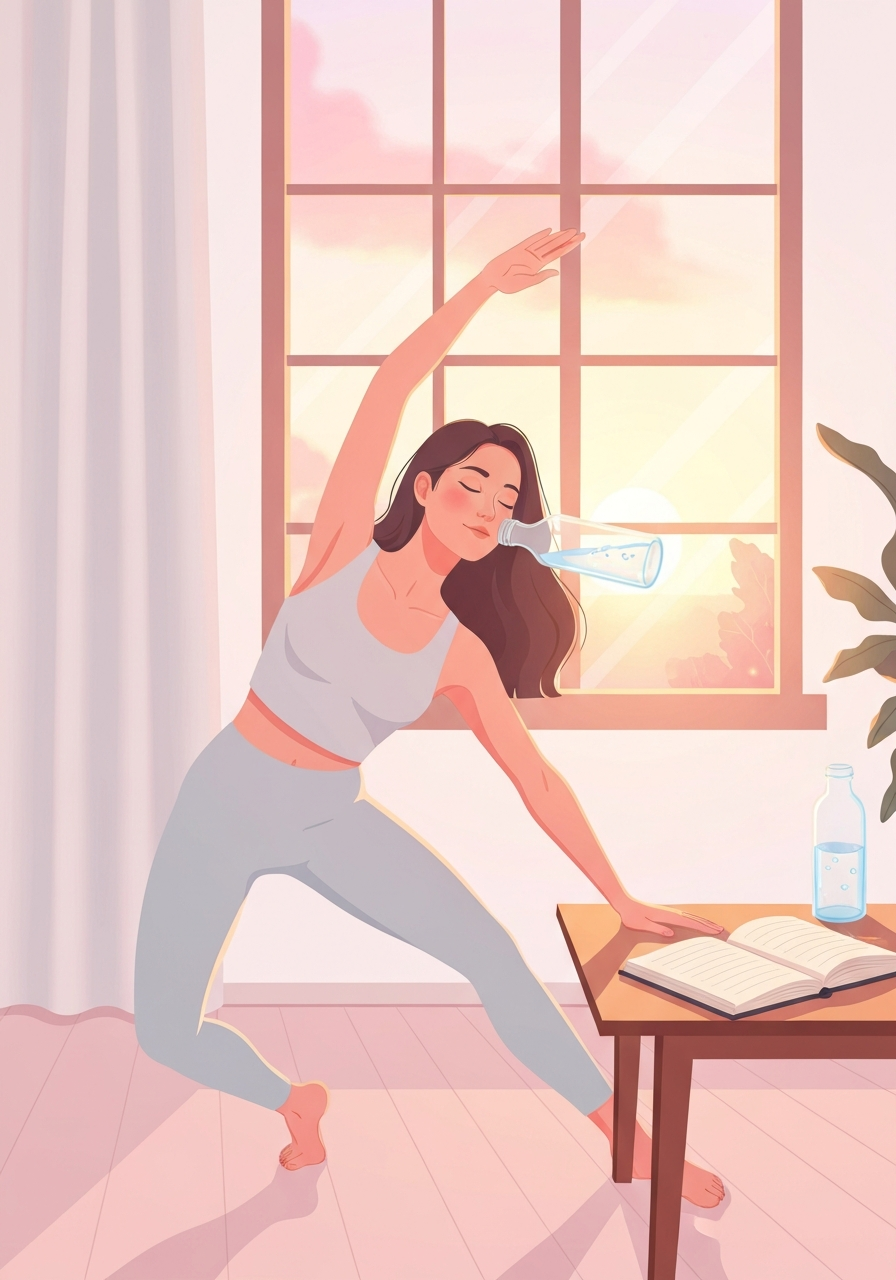


5 Essential Healthy Habits for 2026 to Start Today
Key Highlights
- Embracing new healthy habits for the new year can significantly boost your quality of life.
- A balanced diet full of nourishing foods is fundamental for energy and longevity.
- Incorporate regular physical activity into your daily routine to support physical and mental health.
- Prioritize mindful self-care and digital detoxes to reduce stress and improve focus.
- Stay ahead of health issues with preventative practices like regular checkups.
- Building a sustainable routine is the key to making these positive changes last.
Introduction
As we look toward 2026, the idea of a fresh start is exciting. The new year is the perfect opportunity to reflect on your wellbeing and consider adopting new healthy habits, as recommended by the American Heart Association. You don’t need to make massive changes overnight. Instead, small, consistent steps can lead to significant improvements in your overall health. This guide will walk you through five essential habits you can begin today to nurture your mind, nourish your body, and build a foundation for a healthier, happier year.
Understanding Healthy Habits for 2026
So, what exactly are the top healthy habits for 2026? Simply put, they are small, repeatable actions you take to improve your overall health. Think of them as the building blocks of a healthier lifestyle, from choosing a balanced diet to getting enough rest.
The goal for the new year isn’t a complete overhaul but a gentle shift toward better choices. By focusing on simple, manageable habits, you can create lasting positive change without feeling overwhelmed. Are you ready to take control of your wellness journey?
Why Prioritize Wellness in 2026?
In our fast-paced world, we face constant challenges that impact all areas of health, from physical to mental. This makes prioritizing wellness more important than ever. When you make your wellbeing a priority, you are taking an active role in managing stress, improving your mood, and boosting your overall quality of life.
Making healthier choices is an investment in your future. It’s about feeling your best so you can show up for yourself, your family, and your community. Your wellness journey is unique to you, and you are in the driver’s seat. Small changes can have a ripple effect, enhancing your physical health and emotional resilience.
These wellness tips aren’t just about avoiding illness; they are about thriving. By nurturing your mind and body with curated ideas, you build a strong foundation that helps you navigate life’s ups and downs with greater ease and energy.
The Impact of Daily Routines on Long-Term Health
Have you ever noticed how a predictable schedule can make your day feel less chaotic? Establishing daily routines is a powerful tool for improving long-term health. A consistent routine helps remove decision fatigue, making it easier to stick with healthy habits like exercising or preparing nutritious meals.
This structure is especially beneficial for your mental health, as it can reduce stress and anxiety. When your body knows what to expect, it can better regulate its internal processes, from your sleep-wake cycle to your digestion. Consistent daily routines are a cornerstone of effective disease control and prevention.
Specific routines that boost long-term health include:
- Waking up and going to bed around the same time to regulate your hours of sleep.
- Scheduling time for movement, even if it’s just a short walk.
- Setting aside a few minutes for a mindfulness practice to calm your mind.
Overview of the Five Essential Healthy Habits
To help you kickstart your new year, we’ve focused on five essential healthy habits that cover multiple dimensions of wellness. These practices are designed to work together to enhance your overall health and are crucial for improving longevity.
We will explore nourishing nutrition, consistent physical activity, mindful self-care, preventative health measures, and digital detoxing. Each of these habits offers a practical and accessible way to invest in your wellbeing. Let’s look at how they support you from the inside out.
How These Habits Support Overall Wellbeing
The five habits we are about to discuss are more than just isolated wellness tips; they are interconnected practices that collectively enhance your overall wellbeing. When you eat well, you have more energy to exercise. When you exercise, your sleep improves. And when you are well-rested, you are better equipped to manage stress.
This synergy is what makes adopting a holistic approach so effective. Rather than focusing on just one area, you are nurturing your entire system. This new year, making healthier choices across different parts of your life can lead to a profound improvement in your quality of life.
A few ways these habits support longevity include:
- Strengthening your body’s defenses against illness.
- Boosting mental resilience and emotional balance.
- Providing the sustained energy needed to pursue your passions.
Key Benefits for Physical and Mental Health
Every habit you adopt offers benefits for both your physical and mental health. For instance, regular exercise not only strengthens your muscles and improves your heart rate but also releases endorphins that boost your mood and reduce feelings of anxiety. This direct link shows how connected our bodies and minds truly are.
Similarly, a nutritious diet fuels your body for a workout and provides the essential nutrients your brain needs to function optimally. The Mayo Clinic suggests that good nutrition is directly tied to better mental health and emotional wellness. On the other hand, poor dietary choices can leave you feeling sluggish and unfocused.
Mindful practices like meditation or spending time in nature can lower stress hormones, which has a positive physical effect on your body. Embracing these habits helps you create a positive feedback loop where each healthy choice reinforces the next, leading to comprehensive wellbeing.
Habit 1 – Nourishing Nutrition Choices
Fueling your body with nourishing nutrition is one of the most impactful healthy habits you can adopt. A healthy diet isn’t about restriction; it’s about making smart, balanced choices that help stabilize blood sugar levels. Busy schedules can lead to skipped meals or unhealthy options, resulting in nutritional gaps. Focusing on a balanced diet rich in whole grains, lean proteins, and healthy fats helps maintain good physical and mental health.
To support a healthy diet in 2026, focus on whole foods like fruits, vegetables, and lean meats. Taking a daily multivitamin can also be an easy way to fill any nutritional gaps in your eating pattern, ensuring your body gets what it needs to support immune function, cellular energy metabolism, and heart health. Let’s explore some simple ways to upgrade what you eat.
Simple Steps to Upgrade Your Diet
Making healthier choices with your food doesn’t have to be complicated. You can start with simple activities that make a big difference. One of the easiest wellness tips is to incorporate more fruits and vegetables into your daily meals. They are packed with nutrients and dietary fiber, which are essential for good health.
Another simple step is to be mindful of your sugar intake. Many processed foods and drinks contain hidden sugars like corn syrup. Try swapping sugary cereals for unsweetened oatmeal or replacing sweetened juices with 100% fruit juice. These small healthy choices add up over time.
Here are a few more tips to improve your diet:
- Try to make at least half of your grains whole grains.
- Add leafy greens like spinach to smoothies, soups, or pasta sauces.
- Choose plain yogurt and sweeten it yourself with fresh fruit.
Foods That Promote Longevity and Energy
Did you know that the colors of your food matter? Eating a rainbow of colorful vegetables and fruits ensures you get a wide range of different phytonutrients, which are beneficial plant compounds. Adding different colors to your daily meals is a simple way to boost your nutrient intake and support your long-term energy levels.
Leafy greens like spinach and kale are nutrient powerhouses, while red and orange vegetables like bell peppers and carrots provide antioxidants. The best foods for energy and longevity are often the most vibrant. Try to include a variety in every meal.
Here is a simple guide to eating the rainbow: | Food Color | Potential Benefits & Examples | |————|—————————————————————–| | Red | Supports heart health (tomatoes, strawberries, red bell peppers) | | Orange/Yellow | Supports vision and immune function (carrots, oranges, sweet potatoes) | | Green | Supports detoxification and bone health (spinach, kale, broccoli) | | Blue/Purple | Supports brain function and healthy aging (blueberries, eggplant, grapes) |
Habit 2 – Consistent Physical Activity
Moving your body consistently is fundamental to maintaining a healthy weight and a healthier lifestyle. Regular physical activity offers incredible benefits for both your physical health and your mental wellbeing. According to the CDC, exercise can help with weight management, reduce your risk of heart disease, and strengthen your bones and muscles. It’s one of the most important things you can do to maintain your health.
Creating a routine is key to making exercise a consistent habit. This could mean scheduling workouts in your calendar, finding a workout buddy to keep you accountable, or simply committing to a certain type of movement each day. The best routine is one that you enjoy and can stick with. Let’s look at some easy ways to get started.
Exercise Trends and Easy Workouts for Beginners
If you’re new to regular exercise, don’t worry! You don’t have to jump into an intense workout. One of the best simple activities for beginners is walking. It’s a gentle exercise that is safe for most people and can be done anywhere. Even a brisk walk can get your heart rate up and provide significant health benefits.
As you build confidence, you can explore other exercise trends. Yoga is fantastic for flexibility and stress relief, while weightlifting helps build strength. The key is to find something you genuinely enjoy, which will make it easier to incorporate into your daily routine for better self-care.
Here are a few easy workout ideas to start with:
- A 30-minute daily walk in your neighborhood.
- Beginner yoga videos online.
- Bodyweight exercises at home, like squats and push-ups.
Ways to Integrate Movement into Your Daily Routine
Finding time for regular exercise can be a challenge, but there are many practical ways to integrate more movement into your everyday life. You don’t need a full hour at the gym to see benefits. Small bursts of activity throughout the day, such as taking care of a small task, can be just as effective. What part of your daily routine could include a little more movement?
Consider the time of day you feel most energetic. Are you a morning person who could wake up 15 minutes earlier for a quick stretch, or do you prefer an evening walk to unwind? Studies, including research from Columbia University, show that even taking a five-minute walking break every half hour can have positive health impacts.
Here are some practical ways to add more movement to your day:
- Stand up and stretch at your desk every 30-60 minutes.
- Take the stairs instead of the elevator.
- Go for a short walk during your lunch break.
Habit 3 – Mindful Self-Care Practices
In our busy lives, taking time for mindful self-care is not a luxury—it’s essential for your mental health and emotional wellness. Self-care involves any intentional action you take to care for your physical, mental, and emotional needs. It’s about giving yourself a break and recharging your batteries so you can handle daily stresses more effectively.
There are many self-care strategies you can carry forward into 2026 for better health. Simple practices like meditation, gratitude journaling, or spending time in nature can significantly improve your mood and reduce stress. It’s about finding what works for you and making it a non-negotiable part of your routine. Let’s explore some strategies to get you started.
Strategies for Reducing Stress and Boosting Mental Health
When you feel overwhelmed, simple habits can make a huge difference in your mental health. Meditation is a powerful tool for calming your mind. Even just a few minutes a day can help you stay calmer and more focused. The practice encourages you to be in the present moment, which can quiet anxious thoughts.
Listening to familiar music is another effective way to reduce stress levels. Research shows that music can lower blood pressure and improve sleep quality. Taking a few deep breaths is also a quick and easy way to reset your nervous system when you feel stressed.
Here are a few habits to boost your mental health in 2026:
- Practice a mini-meditation: Close your eyes and take three long, slow, deep breaths.
- Spend time in nature, even if it’s just a few minutes on your lunch break.
- Start a gratitude journal to focus on the good things in your life.
Personalizing Self-Care for Your Lifestyle
There is no one-size-fits-all approach to self-care. To make your routines stick, you need to personalize them to fit your lifestyle and interests. What activities make you feel rested and rejuvenated? Your self-care plan should be something you look forward to, not another item on your to-do list.
For some, self-care might mean creating a cozy sanctuary at home for a spa moment, complete with a face mask and relaxing music, while sipping cool water. For others, it could be learning a new skill or hobby, like creative writing, knitting, or playing an instrument. These activities challenge your brain in positive ways and provide a healthy escape.
Think about what truly nourishes your emotional wellness. Is it social connection with friends, or is it quiet time alone with a good book? Connection and community are a critical part of getting out of your comfort zone, which can also be a form of self-care. By tailoring your practices to your personality, you’re more likely to make them a lasting habit.
Beginner’s Guide: Starting Healthy Habits in 2026
Starting a wellness journey can feel intimidating, especially for beginners. The key is to remember that you don’t have to do everything at once. Setting realistic health goals for the new year is the first step toward success. Focus on making small, incremental changes rather than a complete lifestyle overhaul.
This guide is here to help you build healthy habits that you can actually stick with. By breaking down the process into manageable steps, you can create a sustainable routine that supports your long-term wellbeing. Let’s get started on your path to a healthier 2026.
What You’ll Need to Begin Your Wellness Journey
Embarking on your wellness journey for the new year requires a few simple tools, but the most important one is the right mindset. Be patient and compassionate with yourself as you start building new healthy habits. Progress is more important than perfection.
Having some physical items can also help you stay on track with your health goals. A reusable water bottle is a great reminder to stay hydrated and to keep track of how much water you are drinking, and a notebook or app can help you track your progress with your balanced diet and regular physical activity.
To start, you might want to gather:
- A journal for setting goals and tracking your habits.
- Comfortable clothes and shoes for exercise.
- A plan for incorporating more whole foods into your meals.
Step-by-step guide/process
Following a clear, step-by-step process can simplify your path to success. The foundation of any new habit is a solid routine. By performing the same actions at the same time of day, you train your brain and body to expect them, making the habit feel automatic over time.
Start with one or two small habits instead of trying to change everything at once. For example, you could commit to a 10-minute walk after dinner every night. Once that feels easy, you can add another habit. This gradual approach allows you to build momentum without feeling overwhelmed.
Here is a simple routine to help you succeed:
- Choose a specific time of day for your new habit.
- Start with an action that takes 15 minutes or less.
- Track your consistency to see the health benefits add up.
Step 1: Set Realistic and Achievable Wellness Goals
The secret to sticking with your health goals is to make them realistic and achievable. Vague goals like “eat better” or “exercise more” are hard to measure and easy to abandon. Instead, set specific, small goals that you can easily track. This approach builds confidence and makes the process feel manageable.
For example, instead of committing to a restrictive balanced diet, a more realistic goal might be to add one serving of vegetables to your dinner every night. For mental health, you could aim to meditate for three minutes each morning rather than trying for 30 minutes right away.
Break your larger health goals down into smaller milestones. If your goal is to drink more water, start by aiming for one extra glass a day, following the 8 glasses a day rule. Once that becomes a habit, you can increase the amount. Celebrating these small wins along the way will keep you motivated.
Step 2: Build a Sustainable Daily Routine
Once you have your goals, the best way to achieve them is by building a sustainable daily routine. Habits thrive on consistency. Integrating your new healthy choices into your existing schedule makes them feel like a natural part of your day, rather than a chore.
Try “habit stacking,” which involves pairing a new habit with one you already do. For instance, if you drink coffee every morning, you could use that time to take your daily multivitamin or do a few stretches. This links the new behavior to an established one, making it easier to remember.
A sustainable routine is crucial for long-term success in areas like weight management and improving overall health. It’s not about being perfect every day but about creating a structure that supports your goals most of the time. This consistency is what transforms small actions into lasting habits.
Habit 4 – Preventative Health Practices
Taking a proactive approach to your health is just as important as reacting to problems when they arise. Preventative health practices are actions you take to stay ahead of potential issues and support your long-term wellbeing. This includes everything from regular checkups with your doctor to simple daily habits that boost your immune system.
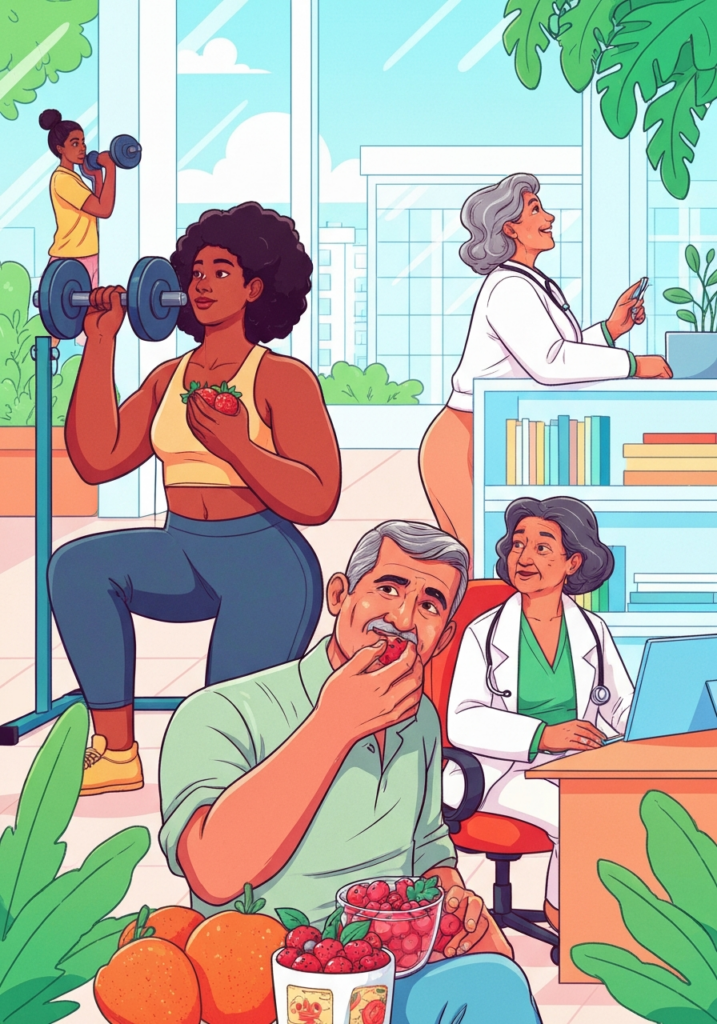
For 2026, consider adopting preventative practices like scheduling your annual physical, knowing your key health numbers like blood pressure, and staying up-to-date on recommended vaccines. These steps are crucial for disease prevention and early detection. Let’s examine some specific actions you can take to protect your health.
Regular Checkups and Screenings to Stay Ahead
One of the cornerstones of preventative health is attending regular checkups. Your healthcare professional can provide personalized advice and recommend screenings based on your age, gender, and risk factors. These visits are essential for disease control, as they can catch potential problems before they become serious.
The frequency of health screenings can vary, so it’s important to have a conversation with your doctor. They can help you create a schedule for things like blood pressure checks, cholesterol tests, and other important screenings. Don’t forget about your oral health, either—regular dental checkups are key.
To stay on top of your health, make sure to schedule:
- An annual physical exam with your primary care physician.
- Recommended dental checkups and cleanings.
- Any specific screenings your doctor advises for you.
Everyday Actions for Disease Prevention
Beyond checkups, many healthy habits can lower your risk of common illnesses. Simple daily actions contribute significantly to disease prevention. For example, maintaining good gut health, supported by digestive enzymes, is crucial because a large part of your immune system is based in your gut.
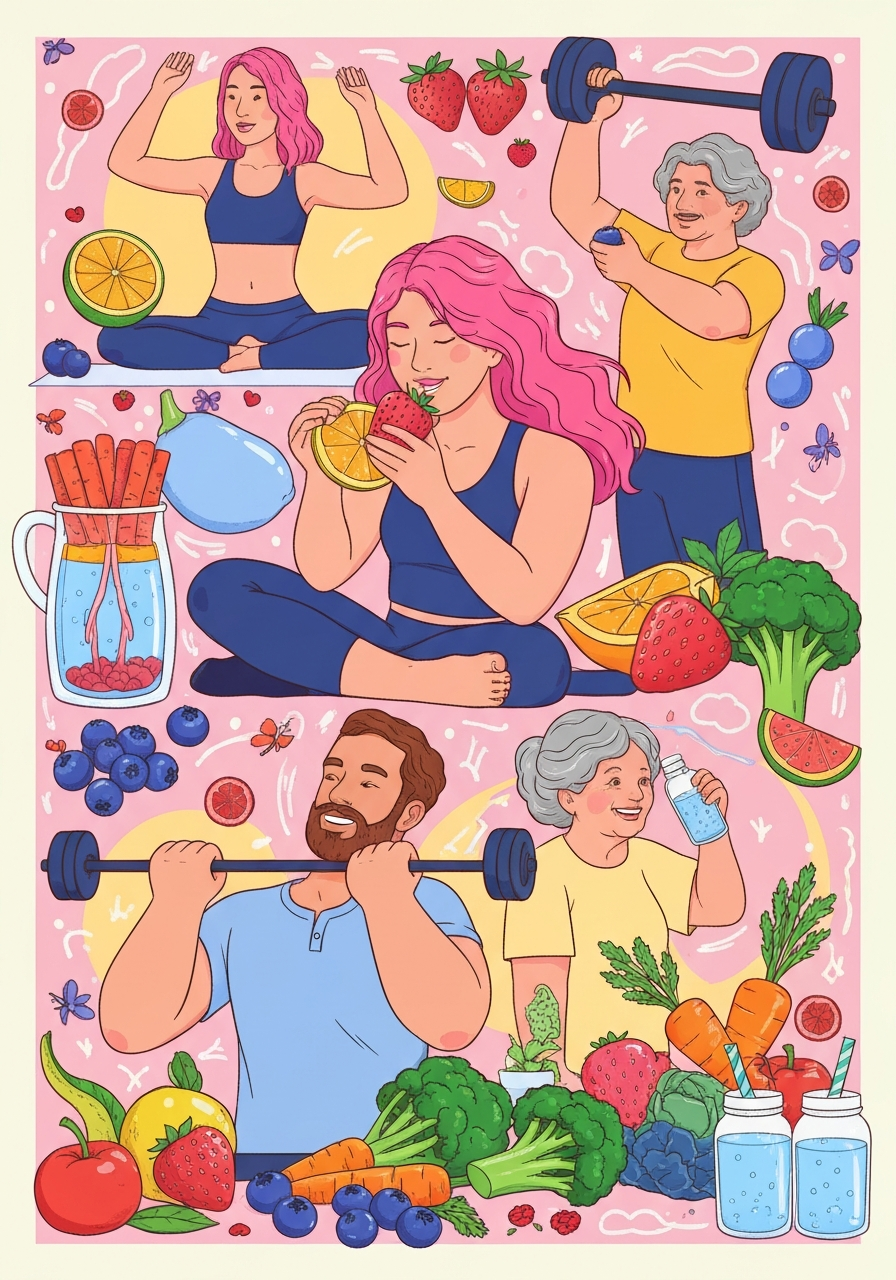
Eating a diet rich in dietary fiber and considering a daily probiotic supplement can support a balanced gut microbiome and promote overall digestive health. Another simple habit is flossing daily, which reduces gum inflammation and may even lower heart health risks. Choosing organic foods when possible can also help reduce your exposure to chemical residue.
Here are a few everyday habits for disease prevention:
- Wash your hands frequently to prevent the spread of germs.
- Ensure you get enough sleep, as rest is vital for a strong immune system.
- Stay hydrated by drinking plenty of water throughout the day.
Habit 5 – Digital Detox and Mindful Technology Use
In a world where we are constantly connected, it’s easy to feel overwhelmed by technology. A digital detox, or intentionally reducing your screen time, can significantly improve your health. Taking a break from digital spaces gives your mind and eyes a much-needed rest, leading to better sleep quality, improved focus, and greater mental clarity.
Mindful technology use isn’t about getting rid of your devices entirely. It’s about setting boundaries so that you control your technology, not the other way around. By being more intentional with your screen time, you can create more space for other healthy activities and real-world connections. Let’s look at how to balance your tech use for better health.
Balancing Screen Time for Better Sleep and Focus
Managing your screen time is crucial for improving your sleep quality and daily focus. The blue light emitted from phones, tablets, and computers can interfere with your body’s production of melatonin, the hormone that helps you sleep, which is a common problem that can make it harder to fall asleep and reduce your total hours of sleep.
A simple rule to manage screen time for better health is to turn off all devices at least an hour before bed. Use this time for relaxing, screen-free activities like reading a book from your local library or listening to calm music. This helps your brain wind down and prepare for rest.
To better balance your screen time, try these tips:
- Set specific “no-phone” times, such as during meals.
- Use your phone’s settings to track and limit your time on certain apps.
- Focus on being in the present moment instead of reaching for your phone out of habit.
Creating Tech-Free Zones for Mental Clarity
One of the easiest ways to unplug for better health is to create tech-free zones in your home. Designating certain areas, like the bedroom or dining table, as screen-free spaces encourages more mindful and present living. This simple boundary can significantly boost your mental clarity and improve your quality of life.
When you remove the constant distraction of notifications, you create opportunities for other activities. A tech-free bedroom can lead to better sleep and more intimate conversations. A screen-free dining room encourages more connection with family during meals.
Use this unplugged time for activities that nourish your mind, such as gratitude journaling, reading, or simply reflecting on your day. These moments of quiet can help reduce stress and allow you to reconnect with yourself and the people around you, leading to a more balanced and fulfilling life.
Conclusion
In conclusion, adopting healthy habits is more important than ever as we step into 2026. By prioritizing nutrition, physical activity, mindful self-care, learning a new language, preventative health, and a balanced approach to technology, you can significantly enhance your overall wellbeing. Each of these habits contributes not only to your physical health but also supports mental clarity and emotional resilience. Remember, the key to success lies in setting realistic goals and building sustainable routines that fit your lifestyle. If you’re ready to take the next step towards a healthier you, consider booking a free consultation with our experts to help guide you on your wellness journey. Your future self will thank you!
Frequently Asked Questions
Which healthy habits are most important for longevity in 2026?
For longevity, the most important healthy habits are maintaining a balanced diet, engaging in regular exercise, getting adequate sleep, and practicing preventative health as part of a healthy lifestyle. These core pillars work together to reduce disease risk, maintain physical strength, and support overall vitality for a longer, healthier life.
How can I stick to new routines and make healthy habits last?
To make healthy habits last, start small and focus on consistency. Integrate new routines into your existing daily routine, like doing stretches while your coffee brews. Attaching a new habit to a specific time of day helps build a structure that makes it feel automatic over time.
What wellness trends should beginners know about in 2026?
For beginners in the new year, a key wellness trend is personalized, holistic health. Instead of focusing on just one thing, the approach is to nurture all dimensions of wellness, including mental, emotional, and physical health, for a greater sense of overall wellbeing.
Are there any simple self-care strategies I can start with right away?
Absolutely! You can start with simple self-care activities right now. Try taking a few slow, deep breaths to calm your nervous system. Another easy practice is gratitude journaling—just write down three things you’re thankful for. These small actions help you connect to the present moment.
https://www.instagram.com/reel/DSSi88ojbO4
https://pmc.ncbi.nlm.nih.gov/articles/PMC5854216
https://www.cdc.gov/physical-activity-basics/benefits
https://www.sciencedirect.com/science/article/abs/pii/S1053811915011532
https://www.instagram.com/innerbodyresearch
https://www.health.harvard.edu/staying-healthy/why-good-posture-matters
https://www.ncbi.nlm.nih.gov/pmc/articles/PMC9628498
https://www.who.int/multi-media/details/loneliness-and-social-isolation-are-health-risks