


Effective Migraine Relief Drugs: A Comprehensive Guide

Key Highlights
- Over-the-counter (OTC) migraine medications like ibuprofen, aspirin, and naproxen can provide effective migraine pain relief, especially when taken early during an attack.
- Finding the right migraine treatment often involves trying different options to see what works best for your specific symptoms.
- Combination drugs, such as those containing aspirin, acetaminophen, and caffeine, have been shown to be highly effective for some individuals.
- If OTC options don’t provide adequate migraine relief for acute migraine attacks, it’s important to talk to a doctor about prescription drugs.
- In addition to acute treatments, there are preventive treatments available that can help reduce the frequency and severity of migraines.
Introduction
Dealing with migraine headaches can be debilitating, turning your day upside down with intense, throbbing pain. These aren’t just bad headaches; migraine attacks come with a range of other disruptive migraine symptoms like nausea and sensitivity to light. If you’re looking for ways to manage this condition, you’ve come to the right place. A variety of medications are available to either treat or prevent migraines. This guide will help you understand the different options available to find the relief you need.
Types of Migraine Medications
Various options exist for effectively managing migraine headaches. Generally, migraine medications fall into two main categories: preventive and abortive treatments. Preventive medications, such as beta blockers and tricyclic antidepressants, are used to reduce the frequency and severity of migraine attacks, while abortive drugs, including NSAIDs and triptans, provide immediate migraine relief when symptoms occur. Each medication’s mechanism of action varies, impacting how it interacts with blood vessels and pain pathways. Selecting the right type is essential for tailored migraine treatment.
Preventative Drugs for Migraines
Preventative drugs for migraines aim to reduce the frequency and severity of migraine attacks, enhancing quality of life for those affected. Medications such as beta blockers, tricyclic antidepressants, and valproic acid can mitigate symptoms and lower the potential for acute episodes. These treatments are often prescribed after assessing a patient’s health history and potential side effects. With the guidance of a healthcare provider, individuals can explore effective options tailored to their unique needs, promoting better management of chronic migraines.
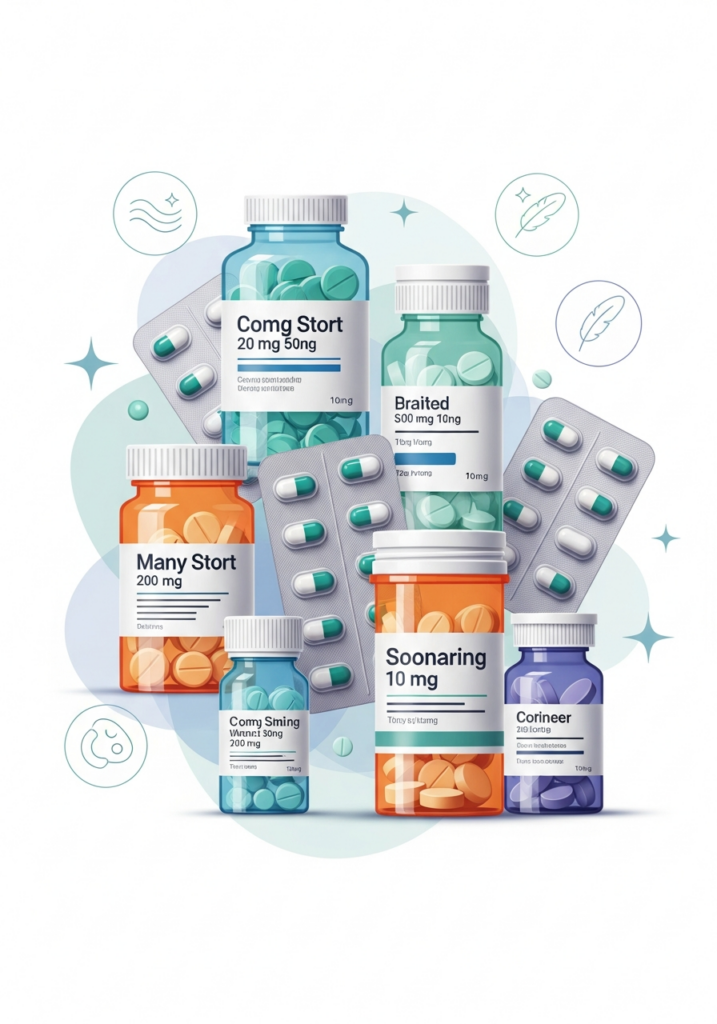
Abortive Drugs for Immediate Relief
Abortive drugs serve as a crucial option for individuals experiencing acute migraine attacks, providing quick relief from the debilitating symptoms. Commonly utilized medications include triptans, which target specific receptors in the brain to constrict blood vessels and alleviate migraine pain. Other effective options comprise NSAIDs and formulations like nasal sprays for fast absorption. The choice of abortive treatment often hinges on the severity of pain and individual response, making it essential for migraine sufferers to consult their healthcare provider for tailored recommendations.
Choosing the Right Medication for You
Selecting the appropriate medication for migraine relief involves understanding individual migraine triggers and symptoms. Consultation with a healthcare provider is essential to tailor a treatment plan that may include both abortive and preventive drugs. Factors such as the frequency and severity of migraine attacks, along with potential side effects like drowsiness or gastrointestinal issues, play a crucial role in this decision. Personalized approaches, including lifestyle modifications along with medications, can significantly enhance the quality of life for migraine sufferers.
Understanding Migraines
A complex neurological disorder, migraines involve distinct phases, including the prodrome, aura, and headache stages. Characterized by severe head pain, they can also trigger a variety of debilitating migraine symptoms, such as nausea and heightened sensitivity to light. The underlying mechanism of action often includes changes in blood vessels and neurotransmitter function, which can contribute to the frequency and severity of migraine attacks. Understanding these factors is essential for effective migraine treatment and prevention strategies tailored to individual needs.
Common Side Effects and Risks
Side effects of migraine relief drugs can vary significantly among individuals. Common reactions include dizziness, gastrointestinal disturbances, and sedation, which can affect daily activities. Some medications, particularly tricyclic antidepressants and beta blockers, may also contribute to weight gain or sexual dysfunction. Additionally, medication overuse can lead to rebound headaches or medication overuse headaches, making acute migraine management challenging. It’s essential to discuss any potential side effects and risks with a healthcare provider to ensure a tailored approach for optimal migraine treatment.

Conclusion
In conclusion, finding effective migraine relief is vital for those who suffer from this debilitating condition. With a variety of drugs available, it’s essential to understand which options work best for you. From over-the-counter pain relievers to prescription medications, the right treatment can significantly improve your quality of life. Remember, managing your migraines effectively often requires a combination of medication, lifestyle changes, and preventive strategies. If you’re unsure where to start or need personalized guidance, don’t hesitate to reach out for a free consultation with our experts. Taking the first step towards relief is crucial, and you deserve to live a life free from the burden of migraines.
Frequently Asked Questions
What are the most common types of medications used for migraine relief?
The most common types of medications for migraine relief include abortive drugs like triptans and NSAIDs, as well as preventative options such as beta-blockers and anticonvulsants. Each class targets different aspects of migraine management to provide effective relief. One newer medication is Ubrelvy, which is specifically designed to treat acute migraine attacks. Ubrelvy works by blocking the activity of calcitonin gene-related peptide (CGRP), a molecule involved in migraine attacks, helping to relieve migraine pain once it starts.
What should I consider when choosing a migraine relief drug?
When choosing a migraine relief drug, consider factors like the type of migraine, frequency of attacks, potential side effects, and any pre-existing health conditions. Consulting with a healthcare professional can help ensure you select an appropriate medication that aligns with your specific needs. In addition to medications, non-surgical treatments recommended for migraine relief include lifestyle modifications such as stress management, maintaining regular sleep schedules, dietary changes, biofeedback, cognitive behavioral therapy, and the use of certain supplements under medical supervision.
Are there any side effects associated with migraine relief medications that I should be aware of?
Yes, migraine relief medications can cause side effects such as nausea, dizziness, fatigue, and potential dependency with long-term use. Migraines are typically diagnosed through a combination of a detailed medical history, discussion of symptoms, and sometimes neurological examinations or imaging tests to rule out other conditions. Medications play a central role in both the acute treatment of migraine attacks and the prevention of future episodes, helping to reduce pain, decrease frequency, and improve quality of life. It’s crucial to discuss any experienced symptoms with your healthcare provider to ensure the right balance between relief and managing side effects.
How do preventative medications differ from acute treatments for migraines?
Preventative medications are taken regularly to reduce the frequency and severity of migraines, while acute treatments are used as needed for immediate relief during a migraine attack. Understanding these differences helps patients manage their condition effectively. When considering acute treatments, both brand-name and generic migraine relief drugs are available. While generic drugs usually offer a lower price compared to their brand-name counterparts, their effectiveness is typically comparable, as they contain the same active ingredients and meet the same regulatory standards for quality and performance.
https://order.store.mayoclinic.com/flex/mmv/fhblc01
https://www.ncbi.nlm.nih.gov/books/NBK553159