


Sleep Tips and Drugs: Managing Insomnia in Recovery

Key Highlights
- Substance abuse often causes significant sleep problems, but you can achieve better sleep during the recovery process.
- Prioritizing quality sleep is crucial as it helps regulate emotions and reduces the risk of relapse.
- Establishing healthy sleep habits, like a consistent sleep schedule, is a key step toward recovery.
- Natural, drug-free methods like relaxation techniques can greatly improve your ability to rest.
- If you’re considering a sleep aid, it is important to consult a healthcare provider to find a safe option.
- Understanding common sleep issues associated with recovery can help you manage them effectively.
Introduction
Getting a good night’s sleep can feel impossible when you’re navigating the recovery process. Substance abuse often creates a difficult cycle of sleep problems that can impact your mental health and overall well-being. If you’re struggling to rest, you’re not alone. Restoring your sleep quality is a vital part of healing, as it gives your body and mind the chance to repair. This guide will explore how addiction affects sleep and offer practical tips for managing insomnia to support your journey to long-term sobriety.
Understanding Insomnia in Recovery
During the recovery process, sleep issues are incredibly common. Many people experience insomnia symptoms, which can range from short-term trouble sleeping to chronic insomnia that lasts for weeks or months. This happens because substance abuse directly interferes with the body’s natural ability to rest.
Addressing these sleep disturbances is a critical component of successful recovery. Learning how substances disrupt your sleep and recognizing the specific problems they cause can empower you to take effective steps toward getting the rest you need.
How Substance Use Can Disrupt Natural Sleep Cycles
Substance use disorders have a major impact on your sleep cycle. Drug abuse alters brain chemistry, affecting the neurotransmitters and hormones that regulate rest. This interference can lead to significant sleep disturbances, making it difficult to fall asleep and stay asleep. Stimulants like cocaine, for example, can prevent sleep onset, while depressants like alcohol can disrupt the various stages of sleep throughout the night.
The body’s internal body clock, also known as the circadian rhythm, is thrown off balance by substance use. This makes your body less responsive to natural cues like daylight, which normally signal when to be awake and when to sleep. The result is an irregular sleep-wake pattern that can persist long into recovery.
Developing healthy habits is essential for retraining your body and restoring your natural sleep patterns. It is a challenging but necessary part of improving your overall well-being after struggling with addiction.
Common Sleep Problems Linked to Drug and Alcohol Use
People dealing with the effects of drug and alcohol use often face a variety of specific sleep problems. These issues can make having a restful night feel out of reach, contributing to daytime fatigue and irritability. Recognizing these conditions is the first step toward finding a solution and getting help.
Some of the most common sleep disorders associated with substance use include:
- Insomnia: This involves having trouble sleeping, staying asleep, or getting quality rest. It can be short-term or a long-term problem.
- Sleep Apnea: Alcohol use can worsen this condition, where breathing repeatedly stops and starts during sleep.
- Restless Legs Syndrome (RLS): This is an uncontrollable urge to move your legs, usually happening at night and disrupting sleep.
If you are experiencing any of these symptoms of insomnia or other sleep issues, it is important to seek a professional evaluation to determine the best course of treatment.
The Science of Sleep: How the Brain Regulates Rest
Your brain has a complex system for regulating sleep patterns, guiding you through the different stages of the sleep cycle, including restorative deep sleep. This process is essential for both physical and mental health. When this system works correctly, you wake up feeling refreshed and ready for the day.
However, substance use can throw this delicate balance off, leading to a sleep disorder. Understanding the neurochemical changes and the role of our internal clocks can clarify why sleep becomes so difficult during recovery.
Neurochemical Changes After Substance Use
Drug addiction causes significant neurochemical changes in the brain that disrupt sleep. Substances alter the levels of neurotransmitters responsible for wakefulness and rest. For example, stimulants increase alertness, while depressants can initially cause drowsiness but ultimately fragment sleep later in the night.
These changes don’t just disappear when you stop using. The brain needs time to rebalance itself, which is why sleep problems often continue into recovery. Even some prescription drugs used as a sleep aid can have unintended consequences on your brain chemistry and mental health if not used carefully under a doctor’s supervision.
Different substances affect sleep in unique ways, making the path to restful nights complex.
| Substance Type | Impact on Sleep |
|---|---|
| Stimulants (e.g., Cocaine) | Hinder sleep onset and decrease REM sleep, leading to less restorative rest. |
| Depressants (e.g., Alcohol) | May help you fall asleep faster but disrupts sleep stages later, reducing overall sleep quality. |
| Opioids (e.g., Painkillers) | Can suppress breathing and lead to conditions like central sleep apnea, fragmenting sleep. |
Circadian Rhythms and Sleep-Wake Cycles
Your body’s circadian rhythm is its internal body clock, a 24-hour cycle that regulates when you feel sleepy and when you feel awake. This rhythm is heavily influenced by light exposure, which is why you naturally feel more alert during the day and tired at night. Addictive substances can seriously disrupt this finely tuned system.
Drug and alcohol use can make your body less sensitive to these natural light cues. This interference throws off your internal clock, leading to an irregular sleep schedule and poor quality sleep. Your body struggles to know when it’s time to wind down, making it difficult to maintain a consistent sleep cycle.
Re-establishing a stable circadian rhythm is a key goal in recovery. By creating a consistent routine and managing your exposure to light, you can help guide your body back to its natural sleep-wake patterns, which is a crucial step towards getting the restful sleep you need to heal.
The Connection Between Sleep and Relapse Risk
There is a strong link between poor sleep and the risk of relapse. When you suffer from sleep deprivation, your emotional health and decision-making abilities are compromised. This can make it much harder to cope with stress, manage cravings, and stay committed to your recovery goals.
Improving your quality sleep is not just about feeling more rested; it’s a protective measure for your sobriety. Good sleep supports stable mental health, giving you the resilience needed to navigate the challenges of recovery and reduce the chances of returning to substance use.
A lack of sleep also impairs cognitive functions. Your ability to make sound judgments, resist impulsive behaviors, and maintain focus on your recovery weakens. This mental fog can make cravings feel overwhelming and diminish the motivation required to stick with your sobriety plan. Your mental health suffers, creating a vulnerable state.
Prioritizing sleep quality is therefore a crucial strategy for maintaining emotional stability during recovery. When you are well-rested, you are better equipped to handle daily stressors, think clearly, and stay emotionally balanced, which strengthens your defense against relapse.
Why Quality Sleep Supports Sustained Recovery
Achieving quality sleep is fundamental to a sustained recovery process. During sleep, your brain processes emotions and consolidates memories, which is vital for regulating your mood and improving your emotional health. A well-rested mind is better able to cope with the psychological challenges of recovery.
Furthermore, consistent rest gives your body the chance to physically repair itself. This boosts your energy levels, strengthens your immune system, and improves your overall physical well-being. This renewed vitality can make it easier to engage in positive activities like regular exercise, which further supports your recovery.
Sustained recovery is built on a foundation of healthy habits, and good sleep is one of the most important. It directly contributes to:
- Improved Mood and Emotional Regulation: Reducing irritability and anxiety.
- Enhanced Cognitive Function: Making it easier to resist cravings and make positive choices.
- Increased Physical Energy: Providing the strength to maintain a healthy lifestyle and a consistent sleep schedule.
Healthy Sleep Habits for People in Recovery
Building healthy sleep habits is one of the most powerful tools you have for managing sleep problems during the recovery process. While your body is healing, making intentional lifestyle changes can help restore your natural sleep-wake cycle and improve your overall well-being.
Creating a consistent sleep schedule and a calming bedtime routine are foundational steps. These practices signal to your brain and body that it’s time to wind down, making it easier to fall asleep and stay asleep through the night.
Establishing a Consistent Sleep Schedule
One of the most effective ways to improve your sleep is to establish a consistent sleep schedule. This means going to bed and waking up at the same time every day, even on weekends. Consistency helps regulate your body’s internal body clock, reinforcing your natural circadian rhythm.
When your body gets used to a regular routine, it begins to anticipate sleep and wakefulness. This makes it easier to fall asleep at night and wake up feeling refreshed without needing an alarm. Over time, this simple habit can dramatically improve your quality sleep.
It may feel challenging at first, especially if your sleep has been erratic for a long time. However, sticking with it is a key step toward training your body for a good night’s sleep. This stability is a cornerstone of long-term sleep health.
Creating a Calming Bedtime Environment
Your bedroom environment plays a huge role in your sleep quality. Creating a calm, quiet, and dark space can signal to your brain that it’s time to rest. Optimizing your room for sleep involves minimizing distractions and maximizing comfort. Consider factors like temperature, noise, and light.
A relaxing bedtime routine can also help you wind down. Activities like taking a warm bath, reading a book, or listening to calming music can ease the transition from a busy day to a restful night. It’s also important to avoid screens, as the blue light from phones and TVs can interfere with melatonin production, the hormone that helps you sleep.
Here are a few tips for creating a calming environment:
- Keep your bedroom cool, dark, and quiet.
- Limit screen time for at least an hour before bed to avoid blue light.
- Establish a pre-sleep ritual, like a warm bath or light stretching.
Practical Tips for Improving Sleep Without Drugs
If you’re facing sleep problems, you might think a sleep aid is the only answer. However, there are many effective drug-free strategies you can use to get better rest. Techniques like mindfulness meditation and deep breathing can calm your mind and prepare your body for sleep.
In addition, incorporating regular physical activity into your day can significantly improve your sleep quality at night. By focusing on these natural methods, you can develop sustainable habits that promote restful sleep without relying on medication.
Relaxation Techniques and Mindfulness Before Bed
Practicing relaxation techniques before you go to bed can be incredibly effective for improving sleep, especially when dealing with the stress of recovery. These methods help calm your nervous system and quiet a racing mind, making it easier to fall asleep. Mindfulness meditation, for instance, teaches you to focus on the present moment and let go of anxious thoughts.
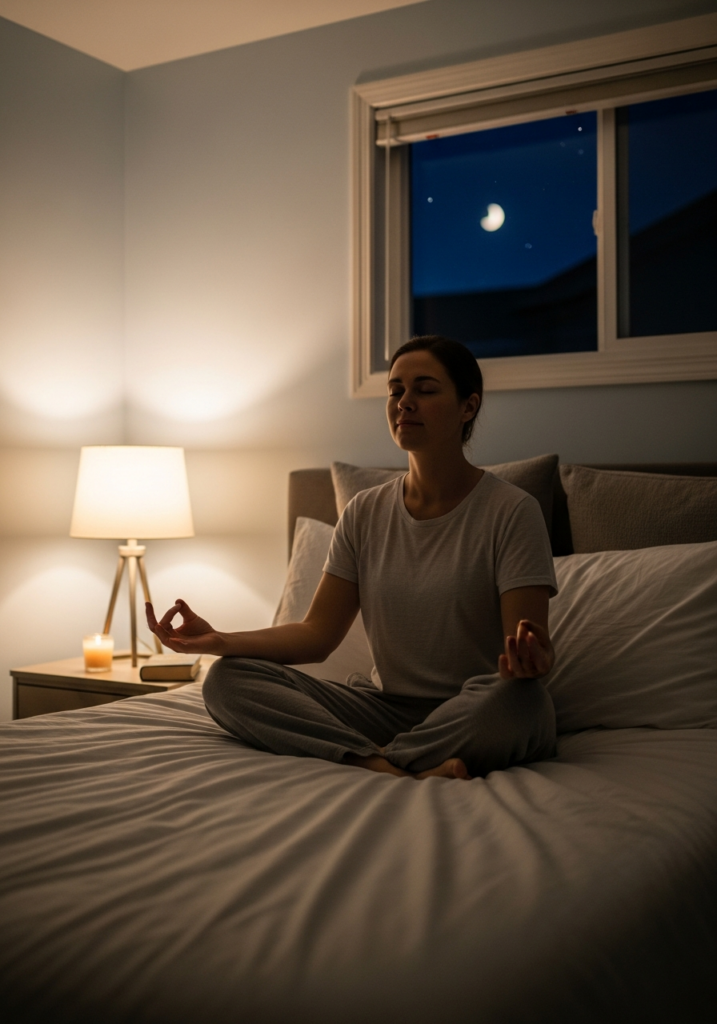
Deep breathing exercises are another simple yet powerful tool. By taking slow, deep breaths, you can lower your heart rate and signal to your body that it’s time to rest. These practices are excellent for stress management and can be easily integrated into your nightly routine.
To get started, try incorporating one or more of these techniques into your sleep schedule:
- Deep Breathing: Inhale slowly for four counts, hold for seven, and exhale for eight.
- Mindfulness Meditation: Focus on your breath and gently bring your attention back whenever your mind wanders.
- Progressive Muscle Relaxation: Tense and then relax different muscle groups throughout your body.
- Visualization: Imagine yourself in a peaceful, calming place.
Foods, Drinks, and Behaviors to Avoid at Night
What you do in the hours before bed can have a major impact on your sleep quality. Certain foods, drinks, and activities can stimulate your brain and body, leading to sleep disturbances. To set yourself up for better sleep, it’s a good idea to be mindful of your evening habits.
Stimulants are a major culprit. Caffeine, found in coffee, tea, and soda, can stay in your system for hours and keep you awake. Similarly, nicotine is a stimulant that can disrupt rest. It’s also wise to avoid large meals or excessive fluids close to bedtime, as they can cause discomfort or lead to nighttime awakenings.
For a more restful night, try to avoid the following:
- Caffeine and Nicotine: Avoid these stimulants for at least 8 hours before bed.
- Alcohol: While it might make you feel drowsy, alcohol disrupts the sleep cycle later in the night.
- Heavy Meals: Eating a large meal can cause indigestion and make it hard to get comfortable.
- Excessive Screen Time: The blue light from electronics can suppress melatonin and keep you alert.
Evaluating Sleep Aids During Addiction Recovery
When you’re struggling with severe insomnia in recovery, you might consider using a sleep aid. However, it’s crucial to approach this with caution. Many prescription drugs carry a risk of dependency and can have unwanted side effects, which can be particularly concerning for someone with a history of substance abuse.
Before trying any sleep medication, whether it’s an over-the-counter product, a natural remedy, or a prescription, it is essential to speak with a health care provider. They can help you weigh the benefits and risks and find the safest, most effective solution for your situation.
Natural Remedies Versus Prescription Medications
When choosing a sleep aid, many people wonder about the differences between natural remedies and prescription drugs. Natural options, such as melatonin or magnesium, are often seen as a gentler first step. They can be effective for some people with mild sleep problems and generally have fewer side effects than prescription medications.
On the other hand, prescription medications are typically more potent and may be necessary for severe or chronic insomnia. However, they come with a higher risk of side effects, dependency, and potential interactions with other medications. For individuals in recovery, the risk of forming a new dependency is a serious consideration.
It’s important to discuss all options with a doctor. They can help you decide which approach is right for you.
- Natural Remedies: Includes supplements like melatonin, magnesium, and herbal teas. Often have fewer side effects but may be less potent.
- Prescription Drugs: More powerful for severe sleep issues but carry risks of dependency and other side effects.
- Cognitive Behavioral Therapy for Insomnia (CBT-I): A highly effective, drug-free therapy that addresses the root causes of insomnia.
When to Consult a Healthcare Professional
If you have tried implementing healthy sleep habits and drug-free tips but are still struggling with sleep issues, it’s time to consult a health care provider. Persistent insomnia can sometimes be a sign of an underlying health condition that needs to be addressed, such as sleep apnea or restless legs syndrome.

A doctor or other medical professional can help you get to the root of the problem. They can conduct a thorough evaluation, rule out other medical issues, and discuss more advanced treatment options. This might include a referral to a sleep specialist or exploring therapies like Cognitive Behavioral Therapy for Insomnia (CBT-I).
Don’t hesitate to seek help if your symptoms of insomnia are not improving. Professional guidance is essential for safely and effectively managing sleep problems, especially during recovery. Your health care provider is your best resource for creating a personalized plan that supports both your sobriety and your sleep.
Conclusion
In summary, managing insomnia in recovery is crucial for maintaining not just sleep quality, but overall well-being. By understanding the intricate relationship between sleep and substance use, you can implement healthy sleep habits that support your recovery journey. Establishing a consistent sleep schedule, creating a calming bedtime environment, and exploring relaxation techniques can all contribute to better rest. Remember that while it’s tempting to rely on sleep aids, it’s essential to evaluate your options carefully and consult a healthcare professional when necessary. Prioritizing your sleep can pave the way for a more stable recovery and improved emotional health. If you’re ready to take charge of your sleep, reach out for a free consultation to explore personalized strategies that work for you.
Frequently Asked Questions
How long does it take for sleep to improve after quitting drugs or alcohol?
The timeline for sleep pattern improvement varies for each person. While some may see better quality sleep within a few weeks, others might experience sleep problems for several months. Consistency in your recovery process and healthy habits will help your brain and body gradually return to a natural rhythm.
Are melatonin supplements safe in recovery?
Melatonin supplements are generally considered a non-addictive sleep aid, but it’s still best to consult a doctor before using them during the recovery process. A healthcare professional can ensure it’s the right choice for you and won’t interfere with your recovery from drug addiction or disrupt your sleep cycle further.
What should I do if I still can’t sleep despite following these tips?
If you continue to have sleep problems after trying these tips, it’s important to speak with a health care provider. Persistent insomnia symptoms could indicate an underlying health condition. Medical professionals can help identify the cause and recommend a safe and effective treatment plan tailored to your needs.
https://pubmed.ncbi.nlm.nih.gov/33417003
https://pubmed.ncbi.nlm.nih.gov/37076419
https://order.store.mayoclinic.com/flex/mmv/incon01
https://www.sciencedirect.com/science/article/abs/pii/S0197457222002178
https://www.sciencedirect.com/science/article/pii/S1087079223000205
https://www.mattressadvisor.com/sleep-and-addiction
https://www.columbiadoctors.org/news/count-down-not-sheep-good-nights-sleep