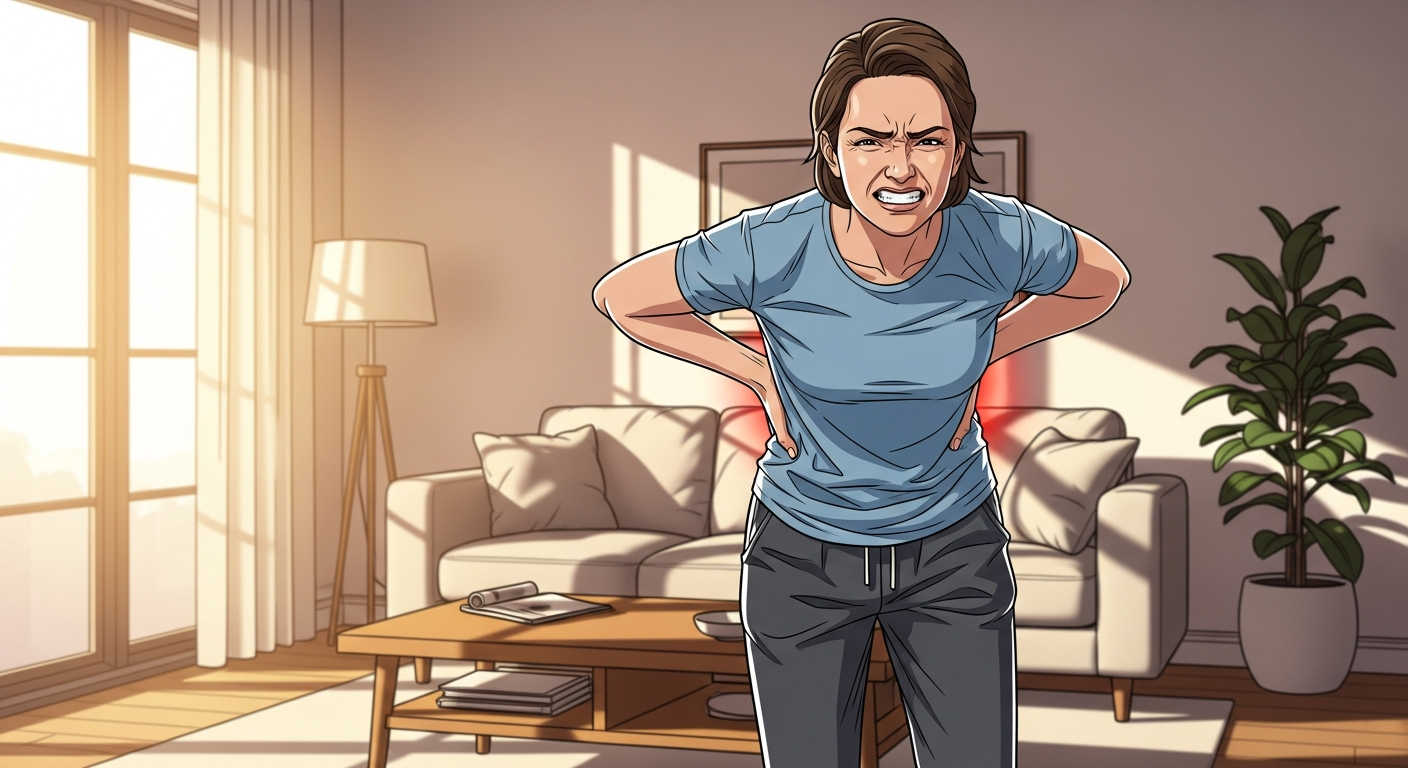

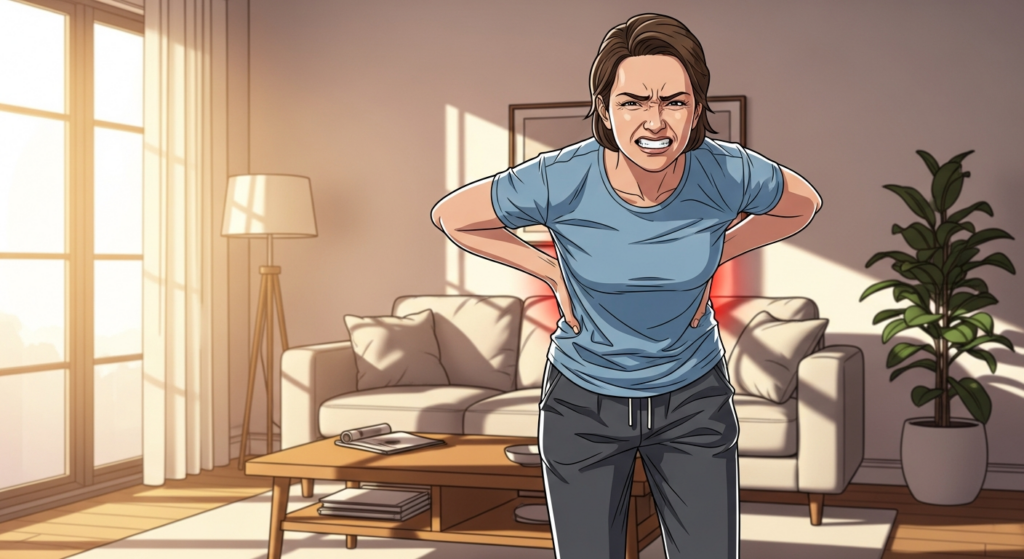
Discover the Best Exercises for Sciatica Relief Today
Key Highlights
- Sciatica pain stems from the compression or irritation of the sciatic nerve, causing discomfort from the lower back down the leg.
- Gentle stretching exercises and regular movement are crucial for pain relief and managing sciatica symptoms.
- Physical therapy offers a structured approach to healing, improving mobility and reducing nerve pressure.
- Specific stretches like the piriformis stretch and knee-to-chest stretch target key muscles to provide significant relief.
- It’s important to avoid high-impact activities and heavy lifting that can worsen sciatic nerve pain.
- Always listen to your body and consult a healthcare professional before starting a new exercise regimen.
Introduction
Dealing with sciatica can be a frustrating and painful experience, often limiting your daily activities. This condition, marked by pain radiating down your leg, can feel overwhelming. The good news is that you have options for pain relief. Simple, targeted exercises and stretches can make a world of difference. With guidance similar to what you’d receive in physical therapy, you can take active steps toward managing your symptoms, regaining mobility, and finding lasting comfort.
Understanding Sciatica and Its Impact on Daily Life
Sciatica is pain caused by the irritation or compression of your sciatic nerve, the longest nerve in your body. This discomfort often starts in your lower back and travels down one affected leg, sometimes causing weakness or numbness.
This condition can make simple tasks like walking, sitting, or even sleeping a challenge. Finding effective pain relief becomes a top priority. Understanding the root causes and symptoms is the first step toward managing your sciatica and getting back to your life.
What Is Sciatica and What Causes Pain?
Sciatica refers to the nerve pain that occurs when the sciatic nerve becomes inflamed or compressed. This nerve is a large bundle of five nerves that originates in your lower back and extends down each leg. The pain you feel is a direct result of this irritation.
There are several potential causes for this condition. One of the most common culprits is a herniated disk in the spine, which can press directly on the nerve. Another cause can be a bone spur on your spine that leads to compression of the sciatic nerve.
Ultimately, the pain is a signal that something is putting pressure on or irritating this major nerve pathway. Addressing the inflammation and compression is key to finding relief from the sharp, shooting, or burning sensations associated with sciatica.
Common Symptoms and How Sciatica Affects Mobility
Sciatica symptoms often go beyond simple low back pain. The discomfort typically radiates from the lower back through the buttock and down one leg, significantly impacting your mobility. You might find it difficult to stand, walk, or sit for long periods.
The pain can be described in various ways, from a dull ache to a sharp, burning sensation. This constant discomfort can make everyday movements feel like a major effort.
Common symptoms you might experience include:
- Radiating leg pain that can travel all the way down your leg
- Numbness or a “pins-and-needles” feeling
- Weakness in the affected leg
- Muscle spasms in your back or leg
Why Exercise Matters for Sciatica Relief
When you’re dealing with sciatica pain, the thought of exercise might seem daunting, but it’s actually one of the most effective tools for pain relief. Gentle movement and specific stretching can help reduce pressure on the sciatic nerve and promote healing.
Staying active improves blood flow to the lower back, which eases stiffness and supports your body’s natural recovery processes. A structured exercise plan, much like one you’d get in physical therapy, can provide both short-term comfort and long-term resilience against future flare-ups.
Benefits of Regular Movement and Stretching
Incorporating regular movement and stretching into your daily routine is a cornerstone of managing sciatica. While rest is important, too much inactivity can lead to stiffness and make your symptoms worse. Gentle activity encourages healing and helps you regain control over your body.
One of the primary benefits is improved blood flow. When you move, you increase circulation to the affected areas in your lower back, which helps reduce inflammation and ease stiffness. This process is essential for pain relief and restoring your mobility.
Think of it as a form of self-directed physical therapy. Consistent, gentle stretching helps release tight muscles around your spine and hips, loosens the sciatic nerve, and can even trigger the release of endorphins, your body’s natural pain relievers. Small, consistent efforts can lead to significant progress.
How Physical Activity Can Reduce Sciatic Nerve Pain
Engaging in the right kind of physical activity is a powerful way to combat sciatic nerve pain. Instead of worsening the problem, gentle exercises strengthen the muscles that support your spine, providing better stability and reducing pressure on the nerve. It’s one of the most proactive treatment options available.
This increased support and flexibility make daily movements more comfortable, helping you break the cycle of pain and inactivity. Improved blood flow from exercise also delivers oxygen and nutrients to the affected area, which promotes healing and reduces the stiffness that contributes to back pain.
Here’s how physical activity helps:
- Strengthens core and back muscles
- Improves flexibility and range of motion
- Boosts blood flow to promote healing
- Releases endorphins for natural pain relief
Essential Safety Tips for Exercising with Sciatica
When you start doing sciatica exercises, safety should be your top priority. The goal is pain relief, not causing more discomfort. Always listen to your body; if an exercise causes sharp or increasing pain, stop immediately. A safe exercise routine is one that feels gentle and supportive.
It’s wise to start slowly and gradually increase your activity level. Consulting with a physical therapist before you begin can provide you with a personalized plan that is both effective and safe for your specific condition. They can show you the correct form to maximize benefits and minimize risk.
How to Prepare Safely for Stretches and Exercises
Proper preparation is the key to a safe exercise session, especially when doing stretching exercises for sciatica. Before you begin, take a few moments to warm up with some light activity, like walking around the room. This gets your muscles ready for movement and can prevent injury.

Your starting position for each exercise is also crucial. Ensure you are on a comfortable, flat surface and can move without restriction. If you’re experiencing acute pain, applying cold packs for 15-20 minutes before you start can help reduce inflammation and make the movements more tolerable.
Follow these preparation tips for a safe exercise routine:
- Warm up with gentle walking.
- Use a yoga mat or a soft surface.
- Listen to your body and don’t push through sharp pain.
- Breathe deeply and move slowly and deliberately.
When to Seek Guidance from a Healthcare Professional
While home exercises are beneficial, it’s important to know when to seek professional help. If your sciatica treatment at home isn’t providing relief, or if the pain is severe and persistent, it’s time to consult a healthcare provider. They can help diagnose the underlying cause of your sciatica.
Certain symptoms are red flags that require immediate medical attention. If you experience severe pain accompanied by numbness, muscle weakness in your leg, or loss of bladder or bowel control, see a doctor right away. These could indicate a more serious issue.
A physical therapist can be an invaluable resource, especially if you have other health conditions or are new to exercise. They can design a tailored sciatica treatment plan that is safe and effective for you, ensuring you perform the movements correctly and progress at a comfortable pace.
Top Home Exercises for Sciatica Relief
You don’t need a gym to find sciatica pain relief. A simple home exercise program can significantly improve your mobility and reduce discomfort. These sciatica exercises are designed to be gentle yet effective, targeting the muscles and nerves involved in your pain.
By incorporating these movements into your daily routine, you can create a self-managed physical therapy plan. Consistency is key, as these exercises work to release tension, strengthen supporting muscles, and promote long-term healing right from the comfort of your home.
Gentle Routines for Beginners to Start at Home
If you’re new to exercising for sciatica, starting with a gentle exercise routine is essential. Your home exercise program should focus on slow, controlled movements that don’t strain your back. The goal is to gently mobilize the area and relieve pressure, not to push through pain.
These beginner-friendly routines often focus on stretching the gluteal muscles and lower back, as tightness in these areas can contribute to sciatic pain. Pay close attention to your starting position to ensure you are stable and supported before beginning any stretch.
Here are some gentle exercises perfect for beginners:
- Pelvic Tilts: Lie on your back, bend your knees, and gently rock your pelvis upward to flatten your back against the floor.
- Glute Bridges: Lie on your back with knees bent and lift your hips, squeezing your glutes.
- Knee-to-Chest Stretch: Gently pull one knee toward your chest while lying on your back.
Step-by-Step Guide to Effective Sciatica Exercises
Following a clear, step-by-step guide can help you perform sciatica exercises correctly and safely. These effective exercises are designed to target the sources of your pain. One of the most beneficial stretching exercises is the standing hamstring stretch, which is great for those with better mobility.
Always remember to move slowly and avoid any movements that cause sharp pain. The number of reps or repetitions can be gradually increased as you become more comfortable. Consistency is more important than intensity when it comes to finding relief.
Here is a simple guide to some effective exercises:
| Exercise | Instructions | Repetitions (Reps) |
|---|---|---|
| Piriformis Stretch | Lie on your back, cross one ankle over the opposite knee, and pull the thigh toward your chest. Hold for 20-30 seconds. | 2-3 reps per side |
| Knee-to-Chest Stretch | Lie on your back and gently bring one knee toward your chest. Hold for 20-30 seconds. | 2-4 reps per side |
| Standing Hamstring Stretch | Place one foot on a low step. Keep your back straight and lean forward over the raised leg. Hold for 20-30 seconds. | 2-3 reps per leg |
Stretches Recommended by Physical Therapists
Many of the most effective stretching exercises for sciatica are the same ones recommended by a physical therapist. These movements are specifically chosen for their ability to provide pain relief by targeting the muscles that are often tight and contributing to nerve compression.

Following these professional recommendations can help you improve your mobility and reduce pain safely. A physical therapist often suggests a combination of stretches to release tension in the lower back, hips, and legs, creating a comprehensive approach to managing your symptoms.
Best Stretches to Relieve Sciatica Pressure
To effectively relieve the pressure causing your sciatica pain, stretching should focus on the key muscle groups surrounding the sciatic nerve. This includes the muscles in your lower back, glutes, and the hamstring muscles running down the back of your legs.
When these muscles are tight, they can compress the sciatic nerve and lead to that familiar radiating pain. Gentle stretching helps to lengthen these muscles, creating more space for the nerve and alleviating the pressure. This can provide significant relief from low back pain and leg discomfort.
Here are some of the best stretches for relieving pressure:
- Piriformis Stretch: A top choice for targeting the piriformis muscle deep in the glutes.
- Knee-to-Chest Stretch: Releases tension in the lower back and glutes.
- Seated Spinal Stretch: Opens up the hips and stretches the spine.
- Pelvic Tilt: Gently moves the pelvis to relieve lower back pressure.
Improving Flexibility and Mobility Through Stretching
One of the most significant benefits of a consistent stretching routine is the improvement in your overall flexibility and mobility. Sciatica can cause you to move stiffly to avoid pain, but this can lead to even more muscle tension and a reduced range of motion over time.
By regularly performing gentle stretches, you can slowly and safely begin to loosen tight muscles. This not only helps relieve the direct pressure on the sciatic nerve but also restores your ability to move more freely and comfortably during your daily activities.
As your flexibility increases, you’ll find that tasks that were once painful, like bending to tie your shoes or getting out of a chair, become easier. This renewed mobility is a crucial part of your recovery, allowing you to return to the activities you enjoy without fear of triggering pain.
Exercises and Movements to Avoid with Sciatica
While exercise is beneficial for sciatica, not all movements are created equal. Certain activities can actually make your nerve pain worse by increasing compression on the sciatic nerve or straining your lower back. Knowing what to avoid is just as important as knowing what to do.
In general, you should steer clear of high-impact exercises, heavy lifting, and movements that involve a lot of bending or twisting at the waist. These actions can aggravate the sensitive nerve and lead to more back pain or even severe pain, setting back your recovery.
Activities That May Worsen Sciatic Nerve Pain
When you’re dealing with sciatic nerve pain, certain activities can unfortunately increase your discomfort. The main goal is to avoid any movement that puts additional stress or compression on the sciatic nerve. Overexertion is a common mistake that can lead to a significant flare-up.
Heavy lifting is a major culprit, as it puts immense strain on the lower back. Even if you try to lift with a straight back, the pressure can be too much. Similarly, exercises that involve forward bending or deep twisting can also aggravate the nerve.
Be cautious of these activities:
- Bent-over rows and double leg lifts
- High-impact running or jarring aerobics
- Squats, especially with heavy weights
- Toe touches or any deep forward folds that round the back
How to Recognize and Prevent Overexertion
Learning to listen to your body is the most important part of preventing injury and overexertion. When you’re exercising for pain relief, the motto should be “no pain, no pain”—not “no pain, no gain.” If you feel a sharp, shooting pain or your existing discomfort gets worse, it’s a clear sign to stop.
A little muscle tension or a gentle stretching sensation is normal, but this should not cross into pain. Pay attention to how you feel not just during the exercise, but also in the hours and day after. Increased soreness or stiffness could mean you pushed too hard.
To prevent overexertion, start with fewer repetitions and shorter hold times. You can gradually increase the intensity as you get stronger and more flexible. The goal is consistent, gentle progress, not a race to the finish line. This mindful approach to stretching is key to a safe and successful recovery.
Conclusion
In wrapping up, it’s clear that exercise plays a crucial role in alleviating sciatica pain and enhancing your overall quality of life. By integrating gentle routines and stretching into your daily regimen, you can significantly reduce discomfort and improve mobility. Remember to listen to your body and prioritize safety, especially when trying new movements. If you’re feeling uncertain or overwhelmed, seeking guidance from a healthcare professional can make all the difference in your journey towards relief. To take the first step towards a pain-free life, don’t hesitate to reach out and get a free consultation with our experts today. Your path to comfort awaits!
Frequently Asked Questions
How Often Should I Do Sciatica Exercises for the Best Results?
For best results, aim to perform your sciatica exercises daily. Consistency is more important than intensity. Start with a few repetitions and gradually increase as you feel comfortable. For a personalized plan, it’s always a good idea to consult a physical therapist for guidance on achieving lasting pain relief and improved mobility.
Are There Specific Daily Routines for Long-Term Relief?
Yes, creating daily routines that include gentle stretching exercises is excellent for long-term pain relief. A simple routine in the morning or before bed can keep muscles flexible. A physical therapy professional can help you create a customized treatment plan that fits seamlessly into your day for lasting benefits.
Can Beginners Follow These Exercises Without Risk?
Most beginners can safely perform gentle exercise for their sciatica treatment. The key is to start slowly, listen to your body, and never push through sharp pain or discomfort. If you have any concerns or pre-existing conditions, consulting a physical therapist before you begin your stretching routine is highly recommended.
https://order.store.mayoclinic.com/flex/mmv/painrlf
https://www.ncbi.nlm.nih.gov/books/NBK482431
https://www.bezzymigraine.com/lp/4
https://flipboard.com/@healthline
https://yogainternational.com/article/view/7-poses-to-soothe-sciatica
https://www.youtube.com/channel/UC7snF15Idi7px6XujWe_h9A