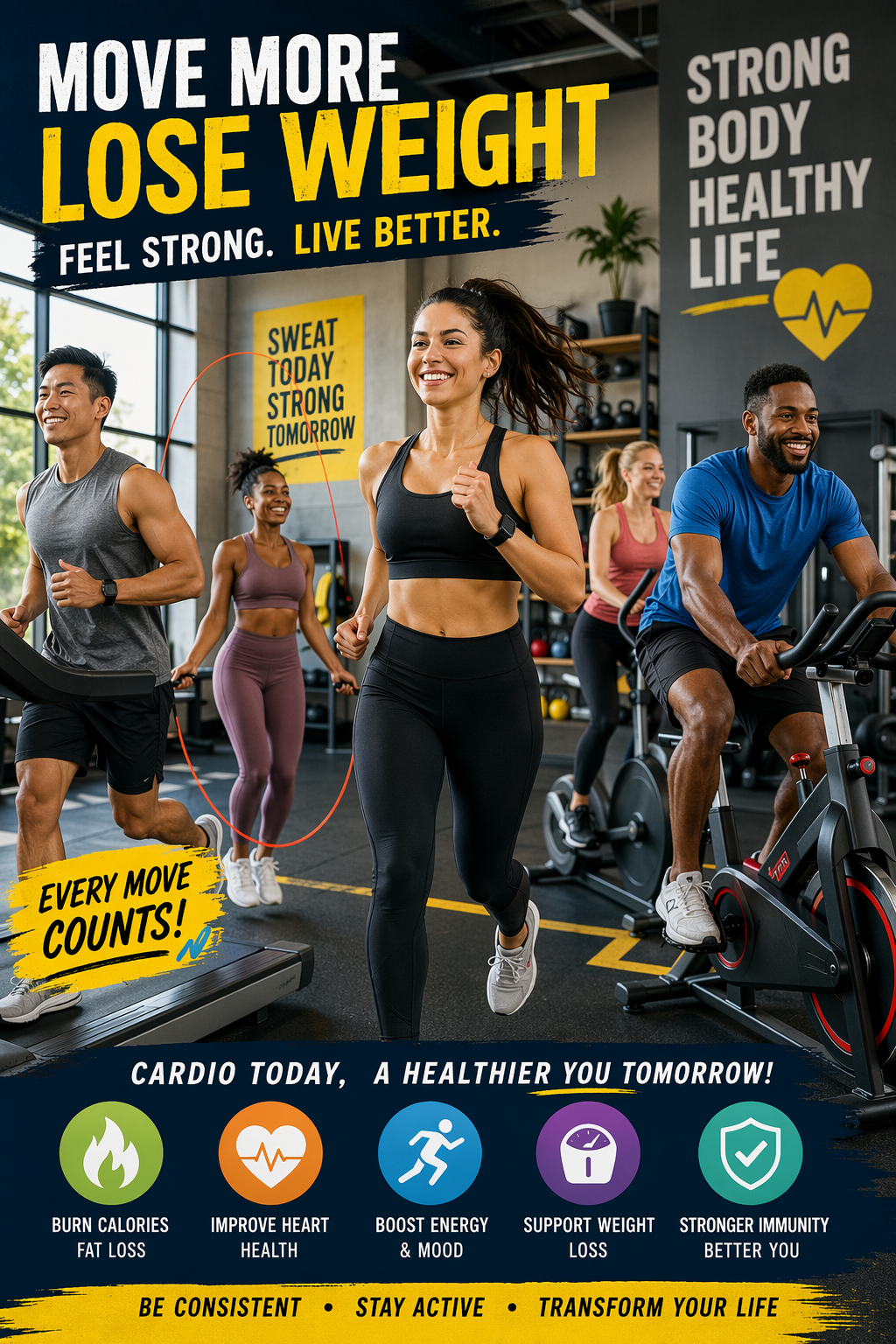

Discover the Best Exercise to Lose Weight Effectively
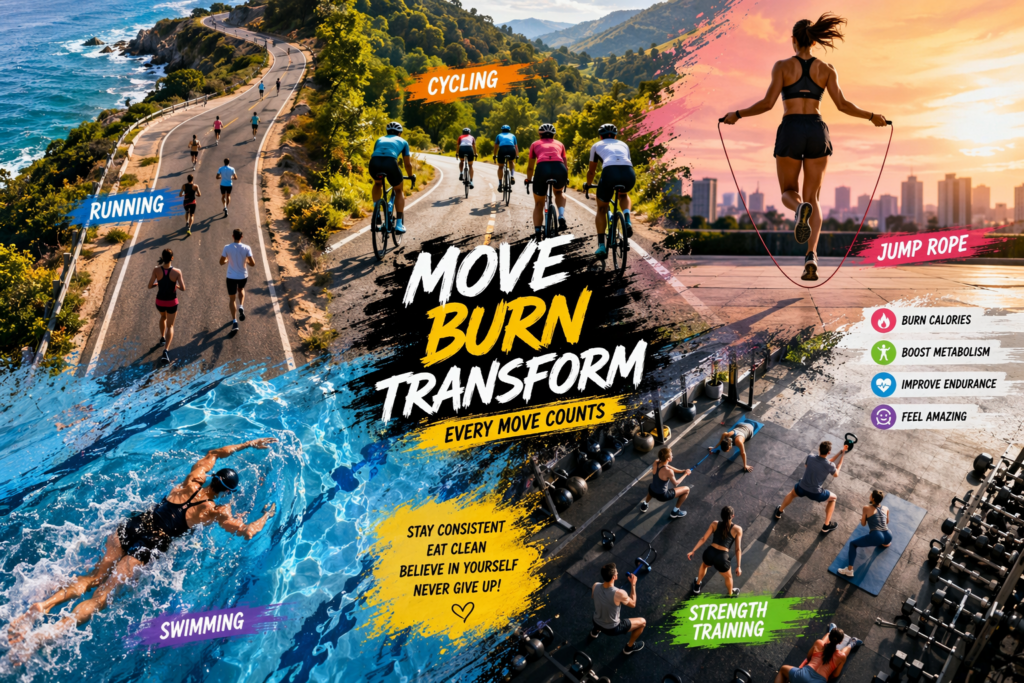
Key Highlights
- The best exercises for weight loss help you burn calories and support a steady calorie deficit. If you’re specifically aiming to target belly fat, the best exercises include cardio options like walking, running, cycling, and swimming, which are all effective for burning calories and encouraging fat loss throughout the body, including the abdominal area. Regular physical activity paired with these exercises can help you achieve your weight loss goals.
- Cardio options like walking, running, cycling, and swimming are strong choices for regular physical activity.
- Interval training can raise calorie burn in a short workout and may support faster fat loss.
- Strength training matters because added muscle mass can improve your metabolic rate over time.
- The best exercises are often the ones that match your fitness level and feel realistic to keep doing.
- Combining cardio, strength training, and smart eating usually works best.
Introduction
If you want better weight loss results, exercise can make a real difference. The right physical activity helps you burn more energy, improve fitness, and support the calorie deficit needed to lose weight. Still, not every workout fits every person. Your starting point, routine, and comfort level all matter. So what should you choose? The best answer is usually a mix of effective movement, consistency, and a plan you can follow long enough to see progress.
The Best Exercises for Effective Weight Loss
There is no single move that works for everyone, but the best exercises for weight loss are the ones that help you burn calories consistently and fit your life. Walking, running, cycling, swimming, and strength work all support regular physical activity and help create a calorie deficit.

If you want faster results, high-effort options like HIIT and running can raise calorie burn quickly. Still, the best choice is the one you can repeat week after week. Let’s look at each option and where it fits.
1. Walking
Walking is one of the easiest ways to begin a weight loss plan. It is simple, requires no special skill, and works well for most beginners. Because it is low impact, it is also easier on your joints than many other forms of physical activity.
A brisk walking routine can still produce meaningful calorie burn. Research discussed in the compiled information showed that walking for 50 to 70 minutes, three times per week, reduced body fat and waist size in women with obesity. That makes it a practical starting point if you want steady progress.
For many people, starting with 30 minutes, three to four times a week is realistic. From there, you can build up time or pace. If you have asked whether walking can help you lose weight, the answer is yes, especially when done regularly.
2. Running and Jogging
Running and jogging are direct, effective options when your goal is higher calorie burn. They raise your heart rate fast and can help you use more energy than many lower-intensity workouts. That is one reason they are often linked with faster fat loss.
The amount of energy you use depends partly on body weight and pace. The compiled information notes that a 140-pound person may burn about 10.8 calories per minute jogging and 13.2 calories per minute running. A heavier person may burn even more in the same time.
If you are new, start with 20 to 30 minutes, three to four times per week. You can also mix jogging with walking intervals. Running is one of the workouts that burns a lot of calories, but progress matters more than speed.
3. High-Intensity Interval Training (HIIT)
High intensity interval training is one of the strongest choices if you want efficient workouts. This style of interval training uses short bursts of hard effort followed by rest or slower movement. A HIIT workout usually lasts only 10 to 30 minutes, which makes it useful when time is tight.
It stands out because it can help you burn a lot of calories in a short amount of time. The compiled information also notes that HIIT may keep your body using extra energy after the session ends, which supports your calorie deficit and may help your metabolic rate stay elevated for a while.
If you are asking what exercise can help you lose weight quickly and effectively, HIIT belongs near the top of the list. You can use biking, running, or jumping intervals to get started.
4. Cycling
Cycling is a beginner-friendly option that blends calorie burn with comfort. Because it is low impact, it places less stress on your joints than many weight-bearing activities. That makes it useful if you are starting out or returning after time away from exercise.
This workout supports cardiovascular health while also training the lower body. The compiled information notes that a 140-pound person cycling at about 10 miles per hour may burn around 6.4 calories per minute, while a 180-pound person may burn about 8.2. Your amount of weight and intensity both shape the total.
You can ride outdoors or use a stationary bike indoors. If you want a simple plan, start with short steady rides and add time as your fitness improves. Cycling is one of the easiest best exercises to build into a routine.
5. Swimming
Swimming gives you a full-body workout while staying gentle on the joints. It works as an aerobic exercise, raises your heart rate, and challenges several muscle groups at once. Your arms, legs, and core all work against water resistance during each session.
That resistance matters because it can increase calorie burn while helping overall fitness. The compiled information notes that a 140-pound person may burn about 9 calories per minute swimming at a moderate pace, while a 180-pound person may burn around 11.6. Different strokes can also change the total.
If you want a strong weight loss option without repeated impact, swimming is worth considering. It is not always the fastest setup for a quick workout, but it can still be one of the best exercises for people who want effective, lower-stress training.
6. Strength Training
Many people think cardio is the only path to fat loss, but strength training deserves equal attention. Weight training helps build muscle mass, and that matters because muscle requires more energy than fat, even when you are resting.
The compiled information explains that increasing muscle can raise your metabolic rate. In one study, short strength-based sessions done three times per week improved metabolic rate enough to equal roughly 125 extra calories burned per day. That is a useful edge if your goal is long-term fat loss.
If you are comparing cardio and strength training for losing weight, the best answer is usually both. Strength work will not spot-reduce belly fat, but it supports better body composition and can help your body burn more through the day. That makes it a smart part of any plan.
7. Jump Rope
Jump rope is a simple but demanding workout. It quickly increases your heart rate and combines rhythm, coordination, and fast movement. Because of that, it works well as aerobic activity when you want a challenging session without much space.
The compiled information notes that jumping rope can burn around 10 calories per minute. That places it among the stronger options for calorie burn, especially if you keep the pace up. It also works more than just your legs, since your upper body helps control the rope.
If you are asking which workouts burn the most calories, jump rope belongs in the conversation. It is efficient and can support overall health, but it may feel intense for beginners. Short rounds with breaks are often the best way to start.
8. Pilates
Pilates may not top the list for calorie burn, but it can still support weight loss in a useful way. It trains multiple muscle groups and places a strong focus on core strength, control, and body awareness. For many people, that makes it easier to stay consistent.
The compiled information notes that a person weighing around 140 pounds may burn 108 calories in a 30-minute beginner Pilates class and 168 in an advanced class. Research also showed that regular Pilates improved waist, stomach, and hip measurements, which points to changes in body composition over time.
If you want a simple workout routine, Pilates can be one piece of it. Pairing Pilates with cardio or strength work may help you see better results while also improving balance, flexibility, and comfort during everyday movement.
9. Yoga
Yoga is not usually the first workout people pick for body fat loss, yet it can still support your weight loss journey. It gives you movement, structure, and a way to stay active while also helping you manage stress. That mental side can matter more than people expect.
The compiled information shows that regular yoga sessions reduced waist circumference in women with obesity and improved mental health and physical well-being. It may not have the same direct calorie effect as running or HIIT, but it can help support better habits and a more balanced routine.
You also do not need a gym to practice yoga. Many people do it at home, which makes it a practical option if convenience is your main concern. It can fit well beside walking, strength work, or cycling.
Comparing Cardio vs. Strength Training for Weight Loss
Cardio workouts are well known for helping you burn energy during the session. They are great for supporting a calorie deficit and can improve heart and lung fitness at the same time. If you want higher immediate calorie use, cardio often leads.
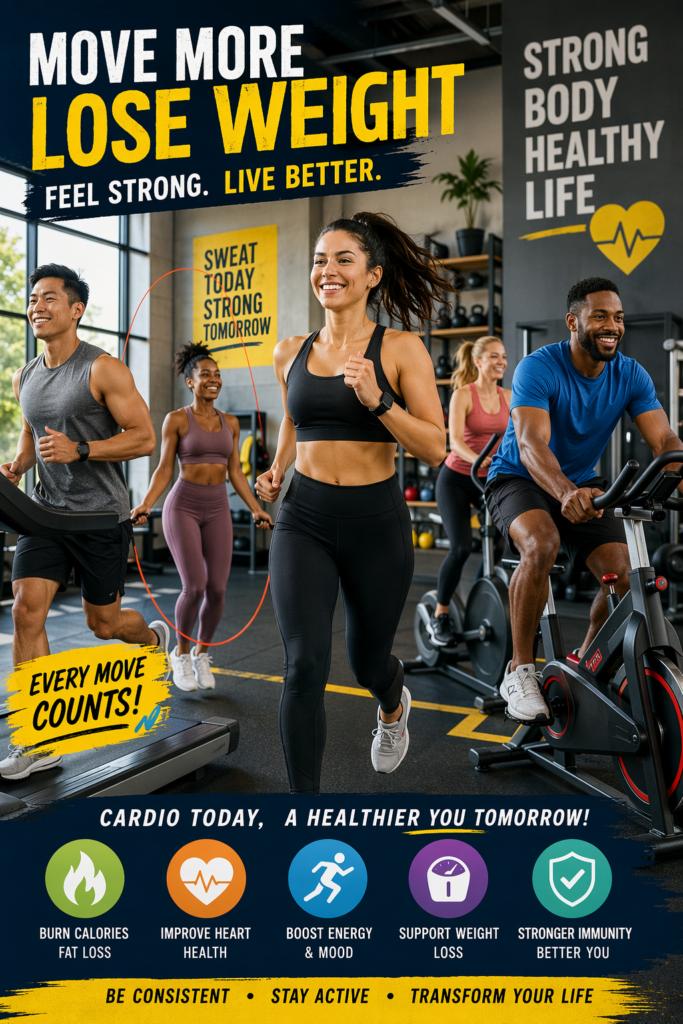
Still, strength training helps in a different but important way. It supports muscle mass, which can raise how many calories your body uses at rest. For weight loss and fat loss, the strongest approach is usually a mix of both. Here is how each side helps.
Advantages of Cardio Workouts
Cardio workouts are often the first tool people use for weight loss, and for good reason. They raise your heart rate, help you break a sweat, and can burn a meaningful number of calories in one session. Running, cycling, swimming, rowing, and brisk walking all fit this group.
For many people, cardio also feels easy to understand. You pick an activity, do it for a set time, and repeat it regularly. The best type of exercise for weight loss is often the one you enjoy enough to keep doing, and cardio offers many choices.
Key advantages include:
- Strong calorie burn during the workout
- Better cardiovascular health and stamina
- Flexible options for home, outdoors, or gym use
- Easy ways to match workouts to your current fitness level
If your main question is which workout burns the most calories, higher-intensity cardio like running and HIIT usually ranks near the top.
Benefits of Strength Training for Fat Loss
Strength training supports fat loss in a way that is easy to overlook. While the immediate calorie effect may be lower than some cardio sessions, lifting or resistance work helps you build muscle mass, and that changes how your body uses energy over time.
That is why strength work is valuable for body composition. More muscle can support a higher metabolic rate, which means you may burn more even when you are not exercising. It also helps you keep your routine balanced instead of relying on cardio alone.
Main benefits include:
- Helps build and keep muscle mass
- Can improve metabolic rate over time
- Supports long-term fat loss and body composition
- Works well beside cardio in the same plan
If you want to target belly fat, no exercise can remove fat from only one area. Still, strength training helps reduce overall fat while improving shape and support through the whole body.
Beginner-Friendly Weight Loss Exercise Tips
Starting simple is often the smartest move. If your fitness level is low or you have been inactive for a while, begin with walking, cycling, or a short at-home workout. You do not need to train hard every day to make progress. The goal is to build a routine you can keep.
It also helps to match exercise with your calorie intake, since weight loss depends on a steady calorie deficit. Start slow, increase time or intensity gradually, and pay attention to recovery. If you feel unsure, a personal trainer can help shape a plan around your weight loss goals, schedule, and current ability.
At-Home Workout Routines for Beginners
Yes, you can lose weight with at-home workouts. You do not need a gym if you are consistent and choose movements that raise your activity level. Home exercise works especially well when your goal is to stay active in a short amount of time.
A beginner plan can rely on body weight exercises and simple cardio. Walking outside, yoga, Pilates, or jump rope can all be done with little or no special equipment. If you need lower stress on the joints, focus on low impact options first.
You might try:
- Brisk walking for 30 minutes
- Short cycling sessions on a stationary bike
- Beginner yoga videos at home
- Pilates sessions for core and control
- Simple HIIT intervals using walking and faster bursts
The best routine is the one you will repeat. Start with a few days each week, then build from there.
Conclusion
In conclusion, discovering the best exercises for effective weight loss is all about finding activities that you enjoy and can sustain over time. From walking and running to strength training and yoga, each exercise offers unique benefits to help you achieve your weight loss goals. Remember to combine these workouts with a balanced diet and a consistent routine for optimal results. Listening to your body and adjusting your approach as needed will also play a vital role in your journey. If you want personalized support in your weight loss journey, don’t hesitate to get a free consultation with our fitness experts today!
Frequently Asked Questions
How often should I exercise each week to lose weight?
A practical target is about 150 minutes of moderate physical activity each week, or 75 minutes of higher-intensity work. Spread that across several days so you can recover. Rest days still matter. This helps support weight loss, a calorie deficit, and steady progress toward your fitness goals.
Can walking help me lose weight, and how much should I walk?
Yes, brisk walking can support weight loss and offers solid health benefits. A good starting point is 30 minutes, three to four times per week, then increasing gradually. Your calorie burn depends partly on your amount of weight, pace, and how often you walk each week.
What mistakes should I avoid when exercising to lose weight?
Avoid doing too much too soon, especially if it leads to joint pain or burnout. Do not rely on exercise alone while ignoring calorie intake. Weight loss works best with regular exercise and fewer calories overall. Also, do not choose workouts you dislike, because consistency matters most.
https://pubmed.ncbi.nlm.nih.gov/32789898
https://pubmed.ncbi.nlm.nih.gov/19346974
https://order.store.mayoclinic.com/flex/mmv/incon01
https://pubmed.ncbi.nlm.nih.gov/11283427