
Understanding Migraine Symptoms and Drugs for Relief
Key Highlights
- A migraine attack often involves severe head pain, but it’s a complex health condition with various symptoms.
- Understanding the four phases of a migraine—prodrome, aura, headache, and postdrome—can help you recognize an oncoming attack.
- Common migraine symptoms include throbbing head pain, sensitivity to light and sound, nausea, and vomiting.
- Identifying personal migraine triggers, such as stress or certain foods, is crucial for prevention.
- Migraine medications range from over-the-counter pain relievers to prescription drugs for acute and preventive treatment.
- Several treatment options are available to manage headache pain and reduce the frequency of attacks.
Introduction
Dealing with a migraine headache is much more than just having a “bad headache.” It’s a debilitating neurological condition with a wide range of symptoms that can affect your daily life. If you’ve ever felt overwhelmed by the pain and other sensations, you’re not alone. The good news is that by understanding the symptoms of migraine, you can explore various treatment options to find relief. This guide will walk you through what migraines are, their symptoms, and the medications available to help you manage them effectively.
What is a Migraine?
A migraine is a recurring type of headache disorder that causes moderate to severe pain, often described as throbbing or pulsing. A key feature of a migraine headache is that the pain is frequently located on one side of the head. However, the symptoms of a migraine extend beyond just head pain. This complex condition can also involve nausea, weakness, and extreme sensitivity to light and sound. The severe pain can be disabling, making it difficult to perform everyday activities.
If you suspect you have migraines, speaking with a health care provider or a headache specialist is an important step. They can help diagnose your condition and rule out other medical conditions. Current research suggests that this condition involves abnormal activity among nerve signals and blood vessels in the brain. Understanding the nature of this headache disorder is the first step toward effective management and finding relief. We’ll now examine how migraines differ from other headaches, the main types, and how common they are.
Understanding the Difference Between Migraines and Other Headaches
So, how can you tell if your headache is a migraine or another type? Migraine headaches are typically characterized by a throbbing or pulsing pain, often on one side of the head. In contrast, other types, like tension headaches, usually cause a steady, dull ache on both sides.
The accompanying headache symptoms are another major differentiator. Migraines often come with nausea, vomiting, and extreme sensitivity to light and sound. These sensory disturbances are less common with other types of headaches.
A severe headache isn’t automatically a migraine. Conditions like high blood pressure can also cause intense headache pain. A proper diagnosis from a healthcare professional is essential to distinguish migraine headaches from other potential issues and get the right treatment.
Main Types of Migraines and How Symptoms Differ
Migraine is not a one-size-fits-all condition; there are several types, and symptoms can vary significantly. The most common types are migraine with aura and migraine without aura. Migraine with aura involves specific neurological symptoms, like seeing flashing lights or zig-zag lines, before or during the headache.
A rarer and more severe form is hemiplegic migraine. This type causes temporary paralysis or weakness on one side of the body. These symptoms can be alarming and may be accompanied by vision problems, vertigo, and difficulty speaking.
When this condition runs in families, it’s known as familial hemiplegic migraine (FHM). Researchers have identified genetic mutations that make the brain more sensitive, leading to these severe headaches. Understanding the different forms of this headache disorder is key to diagnosis and management.
Migraine Statistics and Prevalence in the United States
Migraine is a surprisingly common health condition in the United States. According to the National Institute of Neurological Disorders and Stroke, about 12% of Americans experience migraines. This condition can affect anyone, but certain groups are more at risk.
Women are three times more likely than men to have migraines, and most people with the condition have a family history of it. This suggests a strong genetic link. Data from organizations like the American Headache Society also show that migraines are more prevalent among Native Americans and individuals experiencing poverty.
Here is a quick overview of migraine prevalence:
| Affected Group | Prevalence Information |
|---|---|
| General Population | Approximately 12% of Americans experience migraines. |
| Women vs. Men | Women are three times more likely to get migraines. |
| Family History | Most people with migraines have a family history. |
| Other Conditions | More common in those with depression, anxiety, and epilepsy. |
Phases and Progression of a Migraine Attack
A migraine attack is not a single event but a process that unfolds in up to four distinct phases. Not everyone experiences all four, but being aware of them can help you prepare for and manage your symptoms. The progression from early warning signs to the final recovery stage highlights the complexity of this condition beyond just head pain.
These phases—prodrome, aura, headache, and postdrome—each have unique symptoms of migraine. Understanding these stages can provide clues about the progression of your attack, from the first subtle changes to the intense pain signals and eventual exhaustion. Let’s look at each phase more closely to see what you might expect.
Early Warning Signs and Prodrome Symptoms
Recognizing the early warning signs of a migraine can give you a head start on treatment. The first phase, known as the prodrome, can begin up to 24 hours before the actual headache. Symptoms during this stage can be subtle and are often mistaken for something else.
Keeping track of your medical history and daily feelings can help you identify your personal prodrome patterns. These early symptoms can include unexplained mood changes, such as feeling unusually happy or sad, and physical signs like fluid retention or uncontrollable yawning.
Some common prodrome symptoms to watch for are:
- Specific food cravings
- Increased urination
- Unexplained shifts in mood
Paying attention to these signals can help you take action before the more severe pain begins.
The Aura Phase and Its Distinct Features
The aura phase is a distinct stage that some, but not all, people with migraines experience. It typically occurs just before or during the headache phase and usually lasts no more than an hour. The symptoms are neurological and can be quite distinct.

The most well-known aura symptoms are visual disturbances. You might see flashing lights, bright spots, or zig-zag lines. However, auras are not limited to vision. Some people experience sensory changes, such as a tingling sensation or numbness on one side of the body or face.
Other distinct features of the aura phase can include:
- Difficulty speaking clearly
- Muscle weakness
- Feeling like you are being touched or grabbed
These aura symptoms are temporary and serve as a clear warning that the headache phase is about to begin.
Headache Phase: Common Symptoms and Variations
The headache phase is what most people associate with a migraine, and for good reason. This stage typically involves moderate to severe head pain that can be debilitating. The pain often starts gradually and builds in intensity, commonly described as a pulsing or throbbing sensation.
A classic feature of this headache pain is its location, which is usually on one side of your head. However, the experience can vary. Sometimes you can even have a migraine without any head pain at all, with other symptoms like nausea and visual problems taking center stage.
The severity of attacks can differ from person to person and even from one migraine to the next. For many, the pain worsens with physical activity, coughing, or sneezing. A bad headache during this phase can last anywhere from a few hours to several days if left untreated.
Most Common Migraine Symptoms
When you think of a migraine, intense head pain probably comes to mind first. While throbbing migraine pain is a hallmark, the full range of migraine symptoms is much broader. These headache symptoms can affect your senses, your stomach, and even your ability to think clearly, contributing to the disabling nature of severe migraines.
Understanding the most common symptoms of a migraine can help you and your doctor accurately diagnose your condition and find the most effective treatment. From sensory disturbances to physical and emotional changes, these symptoms paint a complete picture of what it’s like to experience a migraine attack.
Sensory Disturbances: Light, Sound, and Smell Sensitivity
One of the most disruptive aspects of migraine and other headache disorders is heightened sensitivity to the environment. These sensory disturbances can make everyday surroundings feel overwhelming. Many people find they need to retreat to a dark, quiet room during an attack.
Light sensitivity, also known as photophobia, can make normal indoor lighting or sunlight feel intensely painful. Similarly, sound sensitivity, or phonophobia, can make even quiet noises seem loud and jarring. Smell sensitivity is also common, with certain odors or strong fumes triggering or worsening the pain.
These sensory issues are not just minor annoyances; they are significant symptoms that can define the migraine experience. Key sensory disturbances include:
- Extreme sensitivity to light (photophobia)
- Intolerance to normal sounds (phonophobia)
- Aversion to certain smells or odors
Physical Symptoms: Nausea, Vomiting, and Dizziness
Beyond head pain, a migraine attack often brings a host of distressing physical symptoms. Nausea is extremely common, affecting a large percentage of those who experience migraines. For many, this feeling of queasiness can be as debilitating as the headache itself.
In some cases, the nausea can progress to vomiting. This can lead to dehydration, especially if the migraine attack lasts for a long time. Dizziness or a feeling of vertigo is another physical symptom that can cause a sense of imbalance and disorientation.
These headache symptoms contribute significantly to the overall impact of a migraine. The most disruptive physical symptoms often include:
- A strong feeling of nausea
- Episodes of vomiting
- Dizziness or a spinning sensation (vertigo)
Cognitive and Emotional Changes During a Migraine
A migraine attack affects more than just your body; it can also impact your mind. Many people experience significant cognitive symptoms, often described as “brain fog.” This can include difficulty concentrating, confusion, and trouble finding the right words. These cognitive issues can be frustrating and add to the overall burden of the attack.
Emotional shifts are also a key part of the experience. Unexplained mood changes are common, ranging from feelings of sadness and irritability to anxiety. The combination of severe pain and these emotional fluctuations can have a major effect on your quality of life.
These cognitive and emotional symptoms are not just a reaction to the headache pain; they are a fundamental part of the migraine process itself. The mental toll of a migraine is just as real and challenging as the physical pain.
Key Triggers and Risk Factors for Migraine Episodes
Have you ever wondered what causes a migraine to start? Identifying your personal migraine triggers is one of the most powerful steps you can take toward managing your condition. These triggers can vary widely from person to person and may include dietary triggers, stress-related factors, and lifestyle influences.
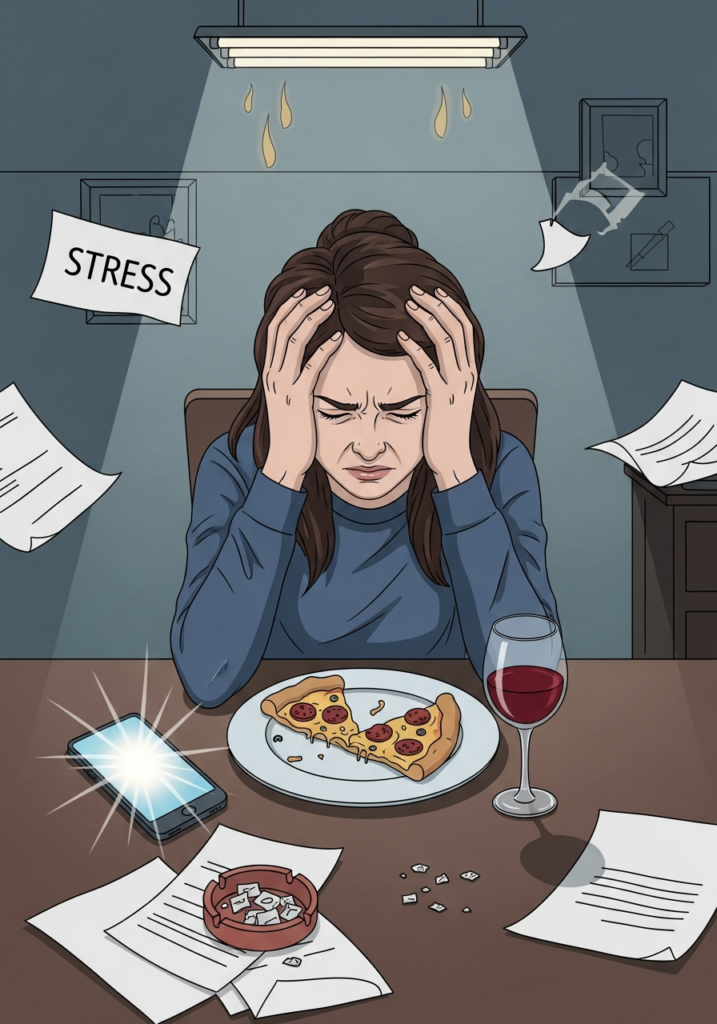
Keeping a headache journal can be an incredibly useful tool to pinpoint what sets off your attacks. By tracking your activities, diet, and environment, you can start to see patterns emerge. Understanding these risk factors allows you to make proactive changes, from eating regular meals to managing stress, to reduce the frequency of your migraines.
Dietary Triggers and Lifestyle Influences
What you eat and how you live can have a direct impact on your migraines. Certain foods and ingredients are well-known dietary triggers for some people. While these can vary, common culprits include alcohol, aged cheeses, and processed meats. Even caffeine can be a double-edged sword, causing migraines for some while helping others.
Lifestyle influences also play a huge role. Skipping meals or not eating regular meals can lead to low blood sugar, which is a common trigger. Similarly, getting too much or not enough sleep can set the stage for an attack. Making targeted lifestyle changes is a cornerstone of many migraine treatments.
Some key triggers related to diet and lifestyle include:
- Alcohol and caffeine
- Skipped meals or irregular eating schedules
- Changes in your sleep patterns
Hormonal Changes and Their Connection to Migraines
For many women, hormonal changes are a significant and predictable trigger for migraines. This connection is why women are more likely than men to experience these health conditions. Fluctuations in estrogen, in particular, seem to play a central role.
Migraines that are linked to the menstrual cycle are often called “menstrual migraines.” These can occur in the days leading up to or during a period. Some women find that their migraines began with their first period or that the severity of migraines changes during pregnancy or menopause.
Because of this strong link, some women may find relief through hormone therapy. If you notice a pattern between your migraines and your menstrual cycle, discussing it with your healthcare provider can open up new avenues for treatment.
Environmental and Stress-Related Factors
Your surroundings and your stress levels are powerful environmental factors that can trigger severe pain. Many people with migraines report that changes in the weather, such as shifts in barometric pressure, can bring on an attack. Bright or flashing lights and loud noises are also common culprits.
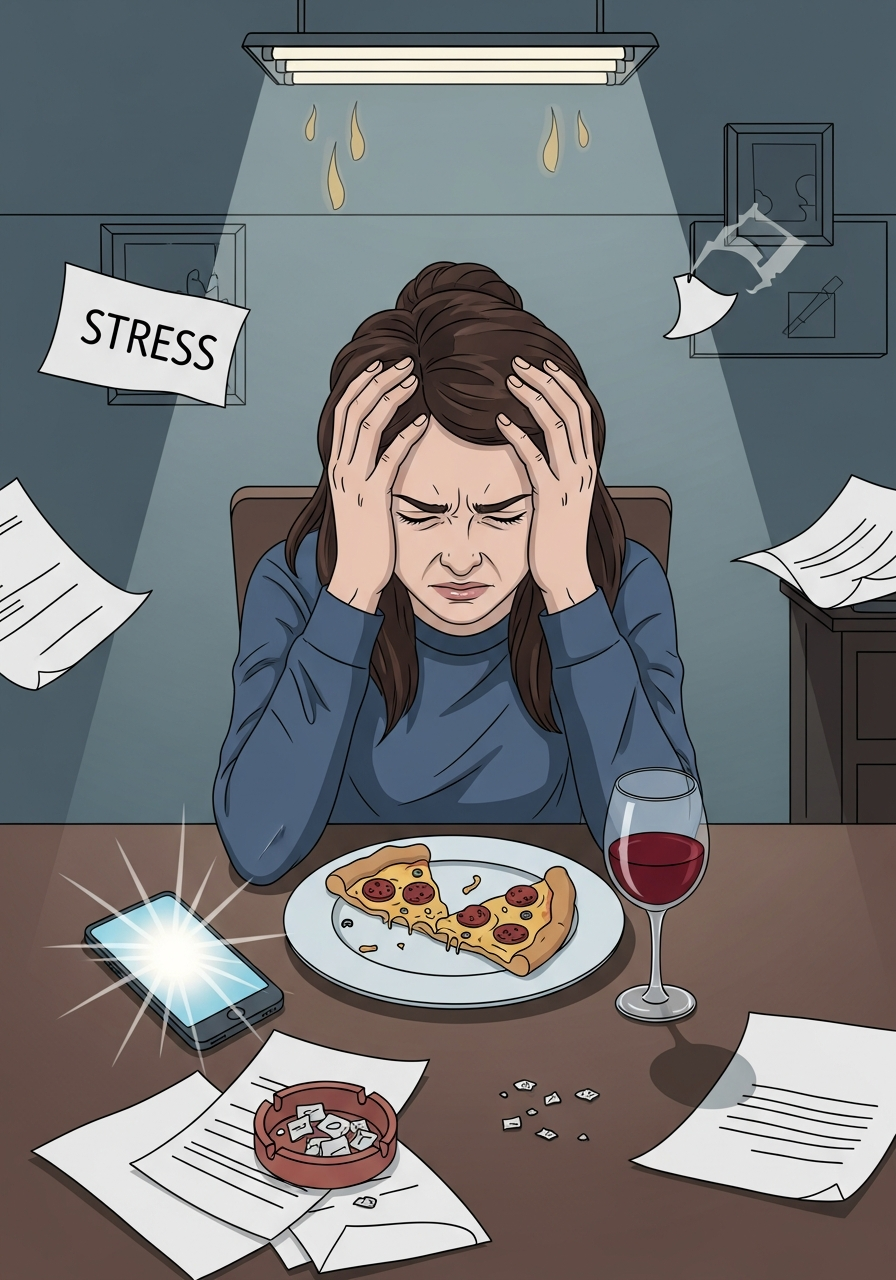
Stress is one of the most frequently reported stress-related factors for migraine. A stressful week at work might be followed by a weekend migraine as your body “lets down.” Too much physical exertion or overexertion can also act as a trigger, turning a workout into a source of headache symptoms.
Common environmental and stress triggers to be aware of include:
- Bright or flashing lights and loud noises
- Sudden changes in weather
- High levels of emotional or physical stress
Diagnosis and Distinguishing Migraine From Other Headache Types
Getting a correct diagnosis is the first step toward finding effective relief from your headache symptoms. Since there isn’t a single test for migraines, a diagnosis is typically made based on your symptoms, medical history, and a physical examination. Your doctor will work to rule out other conditions that could be causing your pain.
This medical evaluation is crucial for distinguishing a migraine from other types of headaches, like tension or sinus headaches. To help with the process, your doctor will ask detailed questions about your symptoms and their patterns. Let’s explore what a medical evaluation involves and when it’s important to seek professional help.
Medical Evaluation and Diagnostic Criteria
To diagnose a migraine, a headache specialist will conduct a thorough medical evaluation. This involves reviewing your medical history and asking detailed questions about your headaches, such as how often they occur, how long they last, and the specific symptoms you experience.
Your doctor will use established diagnostic criteria to determine if your symptoms align with migraine. Neuroimaging tests like a CT scan or MRI are not usually needed to diagnose migraines but may be ordered if your doctor suspects another underlying condition is causing your symptoms.
Keeping a headache journal can be incredibly helpful for this process, providing your doctor with a clear record of your attacks. This detailed information allows for a more accurate diagnosis and helps differentiate migraines from other headache types.
When to See a Healthcare Provider for Headache Symptoms
While occasional headaches are common, certain headache symptoms warrant a visit to a health care provider. If your headaches are frequent, severe, or interfere with your daily life, it’s time to seek professional advice. You don’t have to manage severe pain on your own.
You should also see a doctor if your headache pattern changes or if the headaches are accompanied by new or unusual symptoms. This could include things like weakness, confusion, or a sudden, explosive headache that feels like the “worst headache of your life.”
Specifically, make an appointment with a healthcare provider if you experience:
- A new type of headache after the age of 50.
- Headaches that are accompanied by fever, stiff neck, confusion, or paralysis. These can be signs of a more serious medical issue that needs immediate attention.
Medications and Drugs for Migraine Relief
Once you have a diagnosis, you can explore the many treatment options available for migraine relief. Migraine medications are generally divided into two main categories: acute treatment for stopping an attack that has already started, and preventive treatment for reducing the frequency and severity of future attacks.
Choosing the right medication involves a conversation with your doctor about your symptoms, frequency of attacks, and any potential side effects. There is no one-size-fits-all solution, but a wide range of drugs can help you regain control. Let’s look at the options for both acute and preventive care.
Acute Migraine Treatments: Over-the-Counter and Prescription Options
When you’re in the middle of an acute migraine headache, you want fast relief. For less severe migraines, over-the-counter (OTC) pain relievers like ibuprofen, aspirin, or acetaminophen can be effective. However, for moderate to severe attacks, prescription medicines are often necessary for the treatment of migraine.
The standard prescription options are triptans, which work by increasing levels of a brain chemical called serotonin. Another class of drugs, ergot derivatives, also targets serotonin receptors. It’s important to take these medications as soon as symptoms start for the best results.
Be mindful of potential side effects and the risk of medication overuse, which can lead to rebound headaches. Common acute treatments include:
- Triptans (e.g., Sumatriptan)
- Ergot derivatives
- Over-the-counter pain relievers
Preventive Migraine Medications: Usage and Effectiveness
If you experience frequent or debilitating migraines, a preventive treatment plan may be the best approach. Preventive medication is taken daily to reduce the frequency and severity of migraines, rather than just treating them as they happen. This strategy is often recommended for those who have attacks more than once a week or take acute medications too often.
Several types of drugs are used for prevention, including some originally developed for other conditions like high blood pressure or epilepsy. These can include beta-blockers, anticonvulsants, and some antidepressants. Finding the right one may take time and experimentation with your doctor.
Yes, overusing acute medications can lead to more frequent migraines, a condition known as medication overuse headache. This is why preventive treatment is so important for those with chronic pain. It helps break the cycle of pain and medication, reducing the overall severity of migraines and improving your quality of life.
Conclusion
In summary, understanding migraine symptoms and the various treatments available can significantly enhance your quality of life. By recognizing the different phases of a migraine attack and identifying your personal triggers, you can better manage your condition. Additionally, knowing when to seek medical advice and the options available for both acute relief and preventive care is crucial. Remember, you’re not alone in this journey, and seeking help from healthcare professionals can provide you with tailored strategies that work for you. If you’re ready to take control, don’t hesitate to reach out for a free consultation to explore effective solutions for your migraine management.
https://www.ninds.nih.gov/health-information/disorders/trigeminal-neuralgia
https://www.ninds.nih.gov/health-information/disorders/migraine
https://www.ninds.nih.gov/health-information/disorders/transient-ischemic-attack
https://www.ncbi.nlm.nih.gov/books/NBK554611
https://www.ninds.nih.gov/health-information/disorders/headache
https://www.ncbi.nlm.nih.gov/pubmed/41954019
https://www.ninds.nih.gov/es/health-information/disorders/dolor-de-cabeza