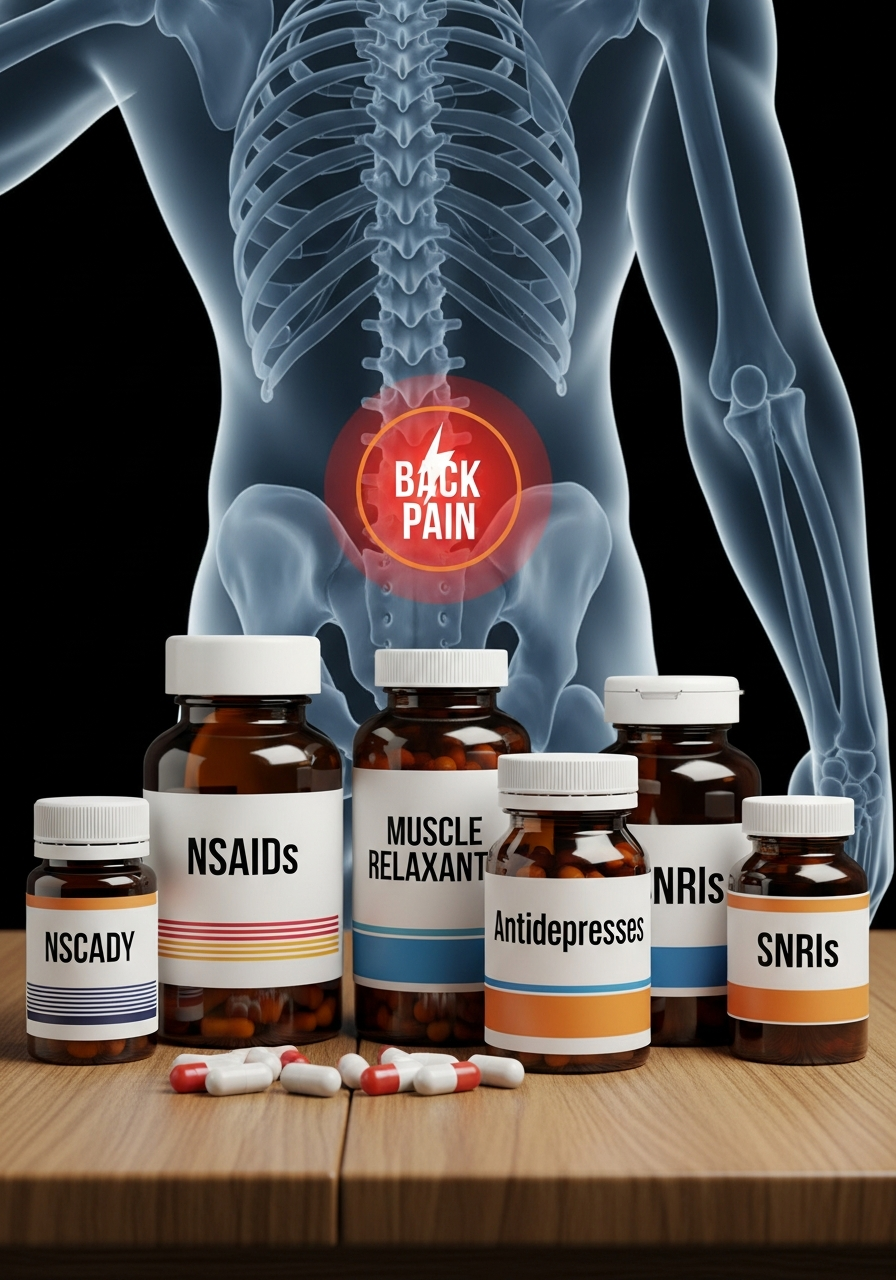

Backpain Common Drug Relief

Key Highlights
- Over-the-counter (OTC) pain relievers are often the first step for back pain relief.
- The best pain medication depends on the cause of your pain and its duration.
- Nonsteroidal anti-inflammatory drugs (NSAIDs) and acetaminophen are common OTC choices for back pain.
- Prescription medications are considered when OTC options fail to provide adequate pain relief.
- All pain medication comes with potential side effects, so it’s important to use them as directed.
- A comprehensive pain management plan may include medication alongside physical therapies.
Introduction
Back pain is a common issue that can disrupt your daily life. You may have already experienced it and sought out pain relievers for a solution. Finding the right medication is key to effective pain management and depends on what’s causing your discomfort and how long you’ve had it. From over-the-counter options to prescription drugs, understanding your choices is the first step toward getting back to feeling like yourself.
Understanding Drug Relief for Back Pain in the United States
Achieving back pain relief often starts with understanding the role of medication in pain management. For acute back pain, which is new and often stems from an injury, certain drugs can block pain signals and reduce inflammation.
The most commonly used drugs for back pain relief are typically over-the-counter options like NSAIDs and acetaminophen. The specific causes of back pain, whether it’s a muscle strain or a more chronic issue, will help determine which medication is the best fit for you.
Prevalence and Impact of Back Pain
Back pain, especially low back pain, is an incredibly common health complaint. It can range from a dull ache to sharp, debilitating pain, affecting people of all ages. This discomfort can significantly lower your quality of life, making it difficult to perform daily activities you once took for granted.
Simple tasks like working, doing chores at home, or even socializing can become challenging. The impact on day-to-day life often correlates with the severity of the pain. For many, what starts as an occasional nuisance can develop into a persistent problem.
When pain lasts for an extended period, it’s considered chronic pain. This long-lasting condition can affect more than just your physical well-being; it can also lead to issues like anxiety, depression, and sleep disturbances, which is why finding effective treatment is so important.
Role of Medication in Managing Back Pain
Pain medication is a cornerstone of many pain management strategies, helping to provide relief and improve function. However, the path to finding the right treatment is personal, as what works for one person may not work for another. Different types of pain require different approaches.
Your biology, the specific cause of your back pain, and your medical history all influence which medication will be the best choice for you. For instance, pain accompanied by swelling might respond well to one type of drug, while nerve-related pain might require a completely different class of medication.
It’s important to remember that medication is just one part of a comprehensive pain management plan. Working with your healthcare provider can help you explore various therapies to find a solution that allows you to live a more comfortable and fulfilling life, minimizing risks while maximizing pain relief.
Over-the-Counter (OTC) Back Pain Medications
When you first experience back pain or lower back pain, reaching for over-the-counter (OTC) medications is a common starting point. These OTC pain relievers are readily available and can be effective for providing initial pain relief, especially for mild to moderate discomfort.
Different OTC pain relievers work in different ways. Some are better at targeting inflammation, while others focus solely on blocking pain signals. Understanding these differences can help you choose the most appropriate option for your specific symptoms. Let’s look at the types available and how they stack up.
Types of OTC Drugs for Back Pain Relief
If you’re looking for drugs for back pain that are available without a prescription, you’ll mainly find two categories of OTC pain relievers: nonsteroidal anti-inflammatory drugs (NSAIDs) and acetaminophen. These are often the first line of defense for managing back discomfort.
NSAIDs are particularly effective for pain that involves inflammation, such as muscle strains. They work by reducing the body’s inflammatory response, which in turn offers pain relief.
Common OTC NSAIDs and other pain relievers you can find at your local pharmacy include:
- Ibuprofen (Advil, Motrin IB)
- Naproxen sodium (Aleve)
- Acetaminophen (Tylenol)
While acetaminophen is not an NSAID and doesn’t target inflammation, it is a popular choice for pain relief and is often recommended for various types of mild to moderate pain.
Comparing Effectiveness: NSAIDs vs. Acetaminophen
When choosing an OTC pain medication, you might wonder whether NSAIDs or acetaminophen are better for back pain relief. The answer often depends on the specific types of pain you’re experiencing. NSAIDs are designed to combat both pain and inflammation, making them a strong choice for injuries like muscle sprains or strains where swelling is a factor.
Acetaminophen, on the other hand, works differently. It primarily targets pain signals in the central nervous system and doesn’t reduce inflammation at the site of injury. For this reason, it’s often considered a good option for mild to moderate pain that isn’t accompanied by significant swelling.
Here’s a quick comparison to help you understand their primary functions for pain relief:
| Feature | NSAIDs (Ibuprofen, Naproxen) | Acetaminophen (Tylenol) |
|---|---|---|
| Primary Action | Reduces pain and inflammation | Relieves pain and reduces fever |
| Best For | Pain with swelling (e.g., muscle strains, arthritis) | Mild to moderate pain without inflammation |
| Effectiveness | Generally more effective for inflammatory back pain | Can be effective, but may work better when combined with other drugs for low back pain |
Safe Usage Guidelines for OTC Relief
Ensuring safe usage of OTC medications is crucial to avoid unwanted side effects. While generally safe when taken as directed, taking higher doses than recommended can significantly increase your risk of side effects. It’s important to read and follow the label instructions carefully.
For many OTC pain relievers, short-term use is recommended. Long-term or excessive use can lead to problems. For example, NSAIDs can cause issues like stomach pain or even gastrointestinal bleeding, while high doses of acetaminophen can lead to liver damage over time.
To minimize risks, always adhere to these guidelines:
- Take only the recommended dosage.
- Do not take the medication for longer than advised on the package.
- Be aware of potential interactions with other medications you are taking.
- Consult your healthcare provider if your pain persists or if you need to use pain relievers regularly.
NSAIDs for Back Pain: Options and Considerations
Nonsteroidal anti-inflammatory drugs, or NSAIDs, are a go-to category of pain relievers for many people experiencing back pain. They are particularly effective for pain caused by inflammation, like muscle strains.
However, it’s important to weigh their benefits against the risk of side effects. Even when taken as directed, NSAIDs can cause issues, and the risk increases with higher doses and long-term use. Understanding the common types and their potential effects is key to using them safely.
Common NSAIDs: Ibuprofen and Naproxen
For effective pain management of lower back pain, ibuprofen and naproxen sodium are two of the most widely used NSAIDs. This type of pain medication works well for mild to moderate discomfort, especially when it’s related to sprains or strains.
Ibuprofen is known for its fast-acting nature, typically providing relief within 20 to 30 minutes. However, its effects last for a shorter period, usually between 4 and 6 hours, meaning you might need to take it more frequently.
In contrast, naproxen sodium offers longer-lasting relief, which can be a significant advantage.
- A single dose can provide 8 to 12 hours of benefit.
- This makes it a good option if you’re looking for all-day pain management without having to take medication as often.
- It does take a bit longer to start working, usually around an hour.
Benefits and Potential Side Effects of NSAIDs
The primary benefit of NSAIDs is their ability to provide effective pain relief, especially for inflammatory conditions. They work by blocking enzymes that cause pain and swelling, making them a great choice for back pain resulting from muscle injuries. When used as directed for short periods, they are generally considered safe.
However, these benefits come with potential side effects. The most common issues are related to the digestive system. Even at recommended doses, some people may experience nausea or stomach pain. With higher doses or prolonged use, the risks become more serious.
Potential side effects of NSAIDs include:
- Nausea and stomach pain
- Gastrointestinal bleeding or ulcers
- Reduced kidney function
- High blood pressure
The risk of these adverse effects tends to increase with age and in individuals with pre-existing health conditions like diabetes or kidney disease.
Acetaminophen for Back Pain Relief
Acetaminophen is another one of the most common pain relievers people turn to for pain relief. It’s often recommended as a first option for mild to moderate pain, including low back pain. Unlike NSAIDs, acetaminophen is not designed to reduce inflammation. Instead, it is thought to work by blocking the production of certain hormonelike substances in the central nervous system that are involved in pain.
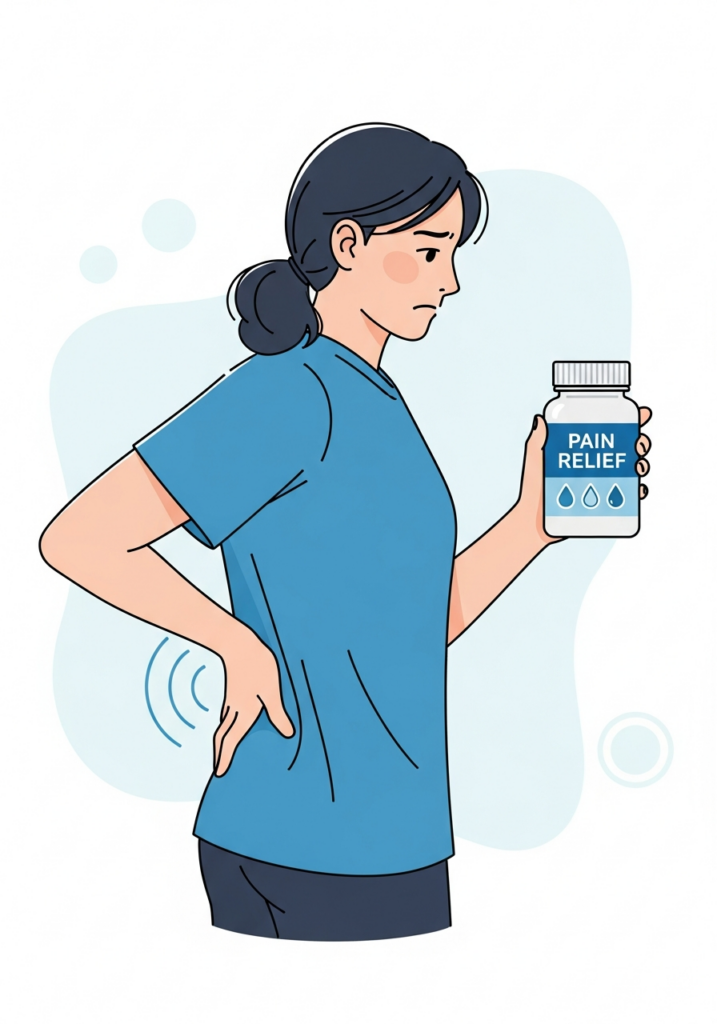
While it is frequently suggested for low back pain, some research indicates it may not be very effective by itself for acute cases. A 2016 review found its benefits for acute low back pain were minimal. However, its effectiveness may increase when combined with other medications, such as ibuprofen. Deciding if acetaminophen is better than NSAIDs really depends on your specific type of pain and medical history.
When to Choose Acetaminophen
Choosing acetaminophen can be the best choice if you need pain medication but want to avoid the gastrointestinal side effects associated with NSAIDs, such as stomach upset or bleeding. It is generally considered safer on the stomach than other pain relievers.
This pain reliever is also a suitable option for individuals who cannot take NSAIDs due to certain health conditions, like a history of stomach ulcers, or those taking blood thinners.
Consider choosing acetaminophen when:
- You have mild to moderate pain without significant inflammation.
- You are at risk for the stomach-related side effects of NSAIDs.
- Your healthcare provider recommends it based on your health profile.
However, it’s crucial to be mindful of the risks. Taking more than the recommended dose can lead to serious liver problems, so always follow the dosage instructions.
Safety Tips and Precautions
While acetaminophen is generally safe, it’s important to be aware of its possible side effects and take precautions. The biggest concern with this medication is the risk of liver damage, which can occur if you take more than the recommended dose or combine it with excessive alcohol consumption.
Individuals with certain health conditions need to be particularly cautious. If you have a history of liver disease or high blood pressure, you should talk to your healthcare professional before using acetaminophen. It’s also found in many combination cold and flu products, so be careful not to take more than one product containing it at the same time.
Follow these safety tips for your treatment plan:
- Always follow the dosage instructions on the package.
- Avoid drinking alcohol while taking acetaminophen.
- Check the labels of other medications to avoid accidental overdose.
- Discuss its use with your doctor if you have any underlying health conditions.
Prescription Medications for Back Pain
When OTC options don’t provide enough relief, it may be time to consider prescription medications. These drugs are stronger and are used for more severe or chronic back pain as part of a broader pain management plan.
Your doctor might prescribe a more potent back pain medication if your discomfort is significantly limiting your daily life. It’s important to note that some medicines, like opioids, are not typically recommended for chronic back pain due to their risks. We’ll explore the different prescription options available.
Muscle Relaxants: Uses and Limitations
Muscle relaxants are sometimes prescribed for acute back pain, especially if muscle spasms are thought to be the cause of your muscle pain. These medications work on the central nervous system to reduce muscle activity, which can help calm spasms and ease discomfort.
However, their overall effectiveness for back pain is still a topic of discussion. A 2021 research review noted that while they might offer some benefit, the evidence is not conclusive. Their primary use is for short-term relief during a flare-up.
Common side effects of muscle relaxants include:
- Drowsiness
- Dizziness
- Nausea
- Reduced coordination
Because of these side effects, especially drowsiness, it’s important to be cautious when taking them, particularly if you need to drive or operate machinery.
Other Prescription Options: Antidepressants and Opioids
Beyond NSAIDs and muscle relaxants, doctors may prescribe other classes of drugs for chronic pain. Certain antidepressants, such as tricyclic antidepressants and serotonin and norepinephrine reuptake inhibitors (SNRIs), have been found to help with nerve-related back pain.
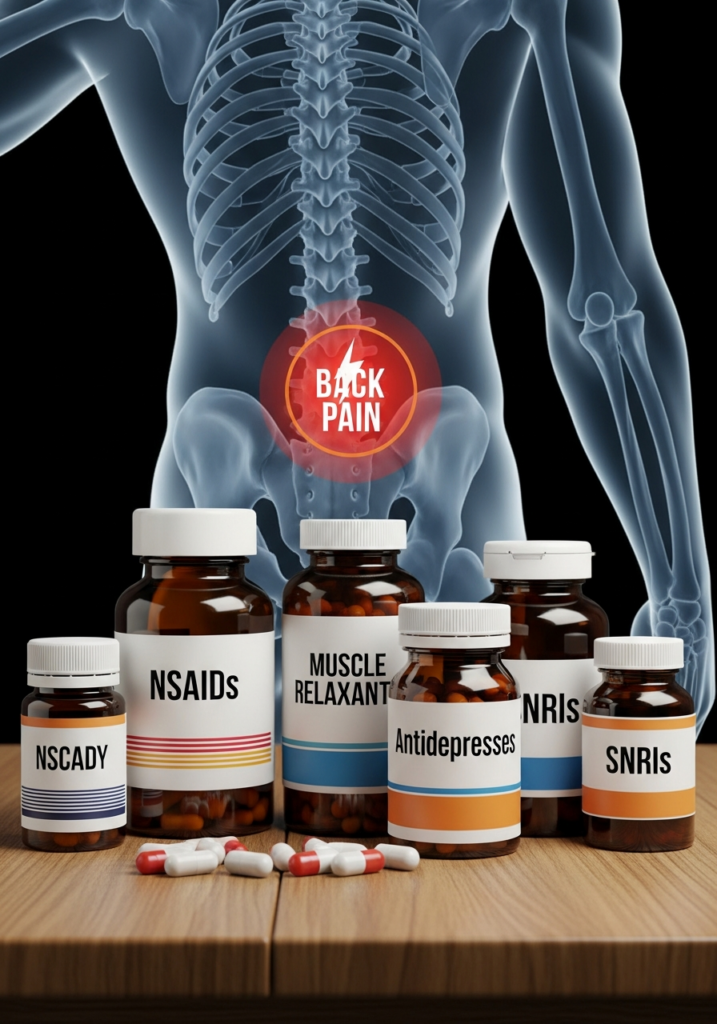
These medications can be effective even in people who are not depressed, and they can offer an added benefit if mood symptoms are also present. It may take several weeks to notice an effect from these drugs.
Other prescription options for pain include:
- Opioids are powerful pain relievers but are used with extreme caution.
- Their use is generally reserved for severe, acute pain, like after surgery.
- Due to the high risk of dependence, addiction, and overdose, opioids are rarely recommended for chronic back pain.
- Research shows they are no more effective than NSAIDs for low back pain, making their risks outweigh the benefits in most cases.
When to Consider Prescription Drugs
You should consider prescription drugs for back pain when over-the-counter medications are no longer effective and your pain is severe or persistent. If your discomfort interferes with your ability to work, sleep, or perform daily tasks, it’s time to seek medical attention.
A healthcare provider can help determine the cause of your pain and recommend the most appropriate treatment. Your overall health, existing health conditions, and other medications you take will all be factored into the decision.
Consider prescription options if:
- Your pain is not relieved by OTC medications.
- The pain is severe, chronic, or significantly impacts your quality of life.
- Your doctor has diagnosed an underlying condition that requires stronger treatment.
In many cases, especially with powerful drugs like opioids, prescription medications are considered a last resort after other therapies have been tried.
Conclusion
In summary, managing back pain is a multifaceted approach that often includes the use of various medications. Understanding the types of drugs available—from over-the-counter options like NSAIDs and acetaminophen to prescription medications—can empower you to make informed decisions about your relief strategies. Remember to weigh the benefits against potential side effects and always consult with a healthcare professional before starting any new medication regimen. By taking proactive steps and prioritizing your health, you can navigate your back pain effectively. If you’re ready to explore personalized relief solutions, consider reaching out for a free consultation with our experts today. Your journey to comfort starts here!
Frequently Asked Questions
Which drug should I try first for back pain relief?
For most cases of back pain, starting with OTC pain relievers like NSAIDs (ibuprofen, naproxen) or acetaminophen is a good first step. The best choice depends on the cause of your back pain. If your pain involves inflammation, an NSAID may offer more effective pain relief.
Are there risks with long-term use of back pain medications?
Yes, long-term use of back pain medications, including OTC medications, carries risks. Prolonged use of NSAIDs at higher doses can lead to serious side effects like gastrointestinal bleeding and kidney damage. Acetaminophen use over time can harm the liver. Always use the lowest effective dose for the shortest time possible.
What if medication does not help my back pain?
If medication isn’t relieving your back pain, it’s time to consult a healthcare provider. They can help create a more comprehensive treatment plan for your pain management. This may include exploring other options like physical therapy, acupuncture, massage, or different prescription medications.
https://www.ncbi.nlm.nih.gov/books/NBK542299
https://www.medicalnewstoday.com/articles/drugs-diclofenac-tablets
https://www.medicalnewstoday.com/articles/cyclobenzaprine-oral-tablet
https://www.medicalnewstoday.com/articles/baclofen
https://pubmed.ncbi.nlm.nih.gov/26501533
https://order.store.mayoclinic.com/flex/mmv/HRBAL02