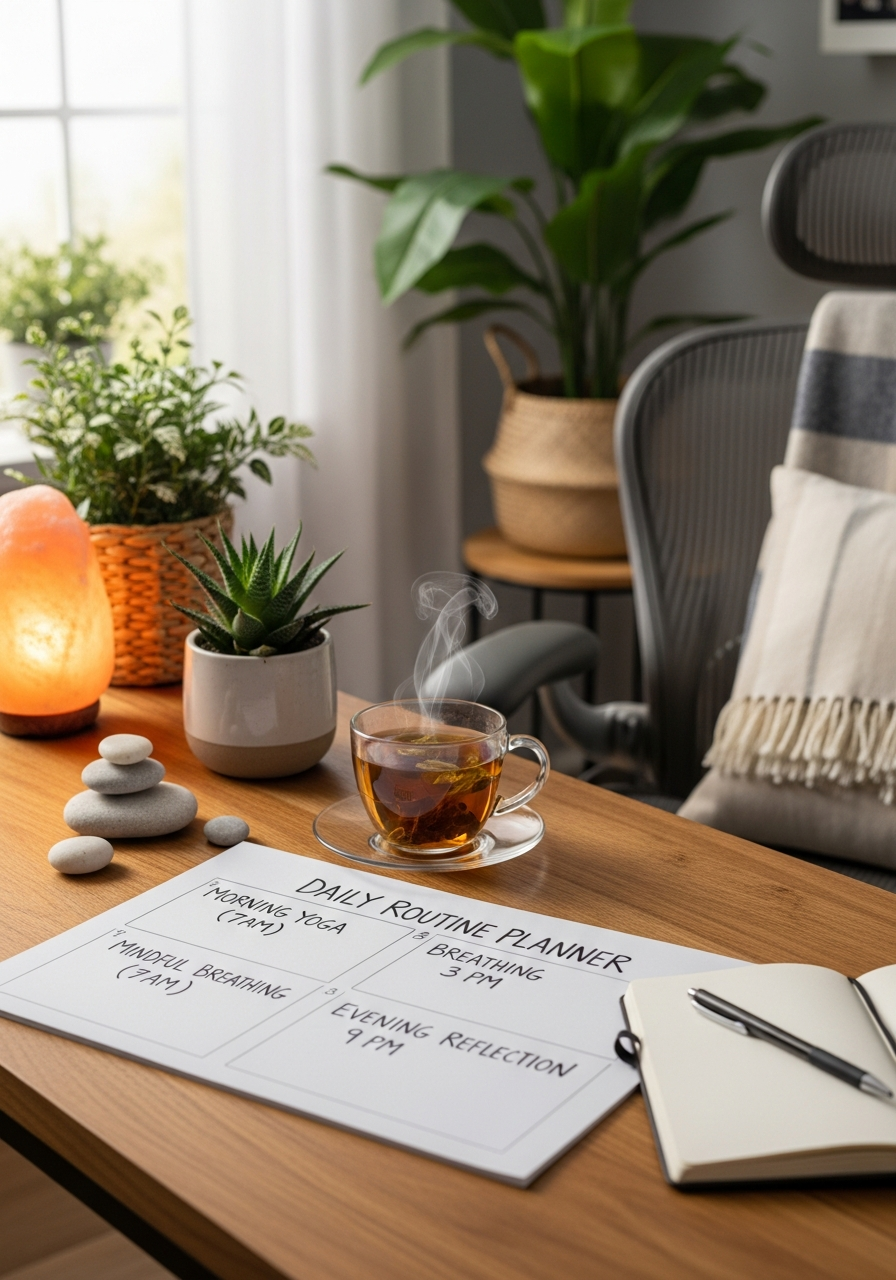

Simple Ways on How to Manage Stress Effectively

Key Highlights
- Effective stress management combines quick stress relief tactics and long-term lifestyle adjustments for both physical and mental health.
- Understanding and identifying the signs of chronic stress is the first step toward finding healthy ways to cope.
- Simple techniques like deep breathing and positive thinking can provide immediate stress relief when you feel overwhelmed.
- Establishing healthy routines, including proper nutrition, regular exercise, and adequate sleep, is crucial for long-term well-being.
- Mindfulness and self-care practices help you stay grounded in the present moment, significantly improving your ability to handle stress.
- Building strong social connections and seeking support are vital components for balancing your physical health and mental health.
Introduction
Feeling overwhelmed is a normal part of life, but learning how to manage stress is essential for your overall well-being. Stress impacts everyone, but when it becomes long-term, it can harm both your mental health and physical health. This post will guide you through simple and effective stress management strategies. You will discover quick ways to find relief in the moment and learn about lifestyle changes that can help you build resilience against stress for good.
Understanding Stress and Its Impact
Stress is your body’s natural reaction to changes and challenges. This stress response can be positive, helping you stay alert and motivated. However, when stressors continue without a break, it can lead to chronic stress, which takes a toll on your physical and mental health. This prolonged psychological stress can lead to serious health problems if left unmanaged.
Recognizing how stress affects you is the first step toward effective stress relief. By understanding its impact on your body and mind, you can take proactive measures. In the following sections, we will explore the specific ways stress affects your health, common triggers, and how to identify its warning signs.
How Stress Affects Mental and Physical Health
Your body’s built-in “fight-or-flight” stress response is helpful in short bursts, but when it’s constantly activated, it can cause significant wear and tear. This continuous activation can lead to various health problems. Chronic stress is linked to long-term issues affecting your immune system, digestive system, and cardiovascular system. It can also put you at a higher risk of developing conditions like heart disease.
On a physical level, you might experience symptoms like a racing heart, high blood pressure, headaches, and muscle tension. The negative effects of stress aren’t just physical. Your mental health can also suffer, leading to anxiety, irritability, depression, and even panic attacks. The constant feeling of being overwhelmed can make it difficult to function day to day.
Effective stress management is crucial to counteract these effects. By learning to manage your body’s response to stressors, you can protect both your physical health and your mental well-being from the long-term consequences of chronic stress.
Common Causes of Stress in Everyday Life
Many different things can cause stress, and they can be both positive and negative experiences. Everyday stressors at work or school, such as a big presentation or a looming test, are common triggers. These situations can lead to negative thoughts and feelings of pressure. Major life events, even happy ones, can also be a significant source of stress.
Identifying what causes your stress is a key step in managing it. Some common causes include:
- Financial problems or job loss
- Marriage, divorce, or family problems
- Moving to a new house or starting a new job
- The illness or death of a loved one
Recognizing these triggers allows you to develop strategies to cope with them. Whether it’s seeking social support from friends or a support group, understanding the source of your stress empowers you to take control and reduce its impact on your life, helping to prevent issues like high blood pressure.
Recognizing Signs and Symptoms of Stress
Stress can manifest in physical, psychological, and behavioral ways. It’s important to recognize these signs of stress in yourself so you can address them before they become overwhelming. Physical symptoms of stress can range from minor aches to more serious issues, while emotional signs often involve shifts in your mood and thinking patterns.
Here is a breakdown of the different symptoms of stress you might experience:
| Physical Symptoms | Mental/Emotional Symptoms |
|---|---|
| Aches and pains | Anxiety or irritability |
| Chest pain or racing heart | Depression or sadness |
| Headaches, dizziness, or shaking | Panic attacks |
| High blood pressure | Difficulty focusing |
| Muscle tension or jaw clenching | Negative thoughts |
| Stomach or digestive problems | Feeling overwhelmed |
| Weakened immune system | Changes in sleep patterns |
Noticing these signs early is vital for timely stress relief. If you are experiencing these symptoms, it may be a signal that you need to seek emotional support and implement stress management techniques to prevent long-term health complications.
Quick and Practical Ways to Relieve Stress
When you’re feeling overwhelmed, you need fast-acting methods for stress relief. There are several practical relaxation techniques you can use to calm your mind and body in minutes. These strategies are designed for immediate stress reduction and can be done almost anywhere, providing a quick reset during a hectic day.
From deep breathing exercises that slow your heart rate to simple muscle relaxation techniques, these quick fixes are powerful tools in your stress management toolkit. The following sections will explore specific methods you can use to find calm when you need it most.
Breathing Techniques for Immediate Relaxation
One of the most effective ways to calm your stress response is through deep breathing. Taking slow, deep breaths sends a signal to your brain to calm down, helping to lower your heart rate and high blood pressure. This simple action can shift your body from a state of stress to a relaxed state in just a few moments.
To practice this technique, find a comfortable position and follow these steps:
- Close your eyes and place one hand on your belly.
- Inhale slowly and deeply through your nose, feeling your stomach expand.
- Hold your breath for a second or two.
- Exhale slowly through your mouth, feeling your stomach fall.
Repeating this cycle of deep breaths a few times can have a profound effect on your body and mind. Integrating this practice into your daily routine, especially during stressful moments, can provide immediate relaxation and support your overall stress management efforts.
Easy Methods to Calm Your Mind When Overwhelmed
When your mind is racing, simple activities can help you regain a sense of calm and focus. These healthy ways to cope are easy to incorporate into your day, even at work or school. The goal is to interrupt the stress response and guide your mind toward a more peaceful state, fostering positive emotions and better mental wellbeing.
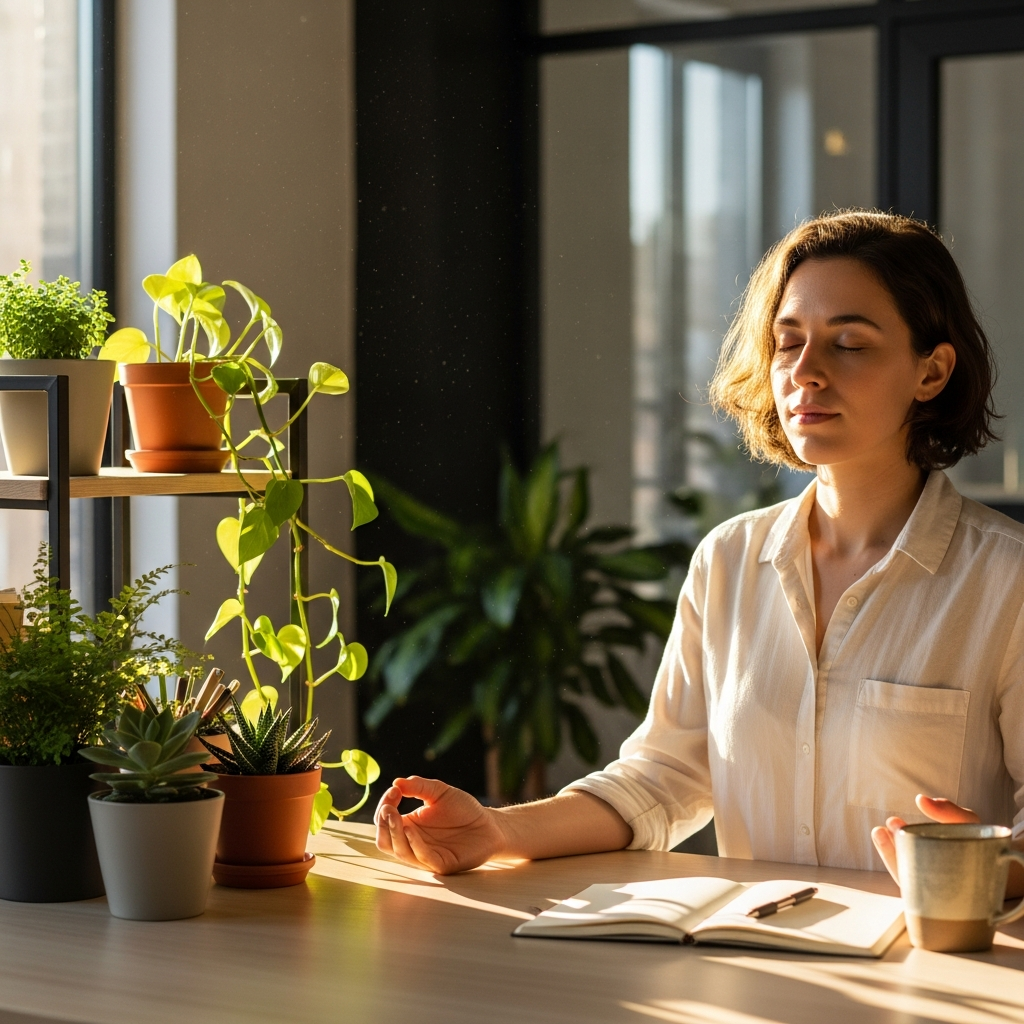
Here are some easy methods you can try whenever you feel overwhelmed:
- Listen to calming music.
- Take a short walk, preferably in nature.
- Spend a few minutes petting an animal.
- Focus on your senses by noticing what you can see, hear, smell, touch, and taste.
Practicing these simple techniques regularly can make a big difference in your ability to handle stressful situations. By having a few go-to strategies for stress relief, you’ll feel more equipped to manage your emotions and stay grounded, even when life gets chaotic.
Using Visualization and Positive Thinking
Your imagination is a powerful tool for stress management. Visualization, or guided imagery, involves picturing yourself in a peaceful and calming place. By closing your eyes and imagining a serene beach, a quiet forest, or any place that makes you feel relaxed, you can induce a state of calm and reduce your body’s stress response. This technique helps shift your focus away from stressors and toward a feeling of tranquility.
Alongside visualization, practicing positive thinking can help combat negative thoughts that often accompany stress. Instead of dwelling on what could go wrong, try to focus on what you’ve accomplished or what you’re grateful for. This shift in perspective can generate positive emotions and make challenges seem more manageable.
Making visualization and positive thinking a daily habit can build your mental resilience. Take a few minutes each day to imagine your peaceful place or reflect on the good parts of your life. This practice can help you stay centered and approach stressful situations with a clearer, more optimistic mindset.
Lifestyle Changes for Better Stress Management
While quick fixes are helpful, long-term stress management often requires making consistent lifestyle changes. By adopting healthy ways to live, you can prevent chronic stress from taking hold and build a stronger foundation for your well-being. These changes focus on prevention and everyday choices that contribute to overall stress reduction.
In the upcoming sections, we will discuss key habits you can integrate into your daily life. From establishing healthy routines to focusing on nutrition, exercise, and sleep, these strategies are designed to help you minimize stress in the long run and cultivate a more balanced, peaceful life.
Healthy Routines and Habits to Prevent Chronic Stress
Establishing healthy routines is a powerful way to prevent chronic stress. Having a predictable structure to your day can provide a sense of control and stability, even when unexpected challenges arise. This doesn’t mean your schedule has to be rigid, but incorporating consistent habits can make a significant difference in your stress levels.
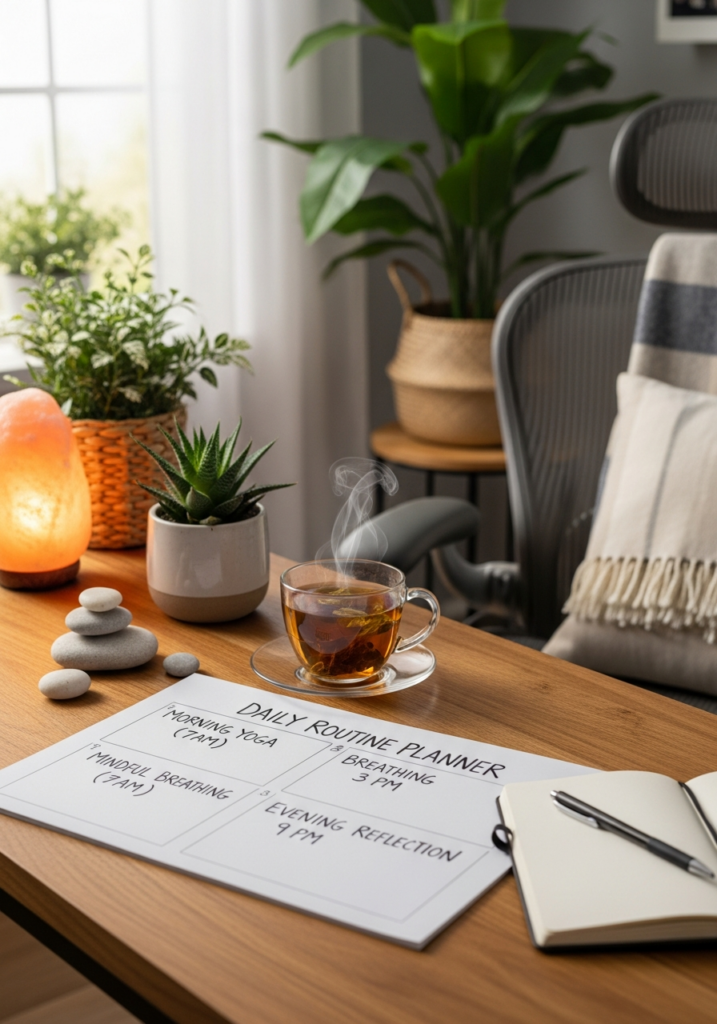
Try to integrate regular breaks, physical activity, and leisure activities into your daily life. Setting aside time for hobbies you enjoy or simply relaxing can help you recharge. At the end of each day, take a moment to reflect on what you accomplished rather than focusing on what you didn’t get done. This simple shift in mindset can contribute to long-term stress reduction.
Consistency is key when it comes to stress management. The more you practice these healthy habits, the more natural they will become. By making these routines a priority, you build resilience and are better equipped to handle stressors when they appear.
The Role of Nutrition and Exercise in Reducing Stress
What you eat and how much you move play a significant role in your ability to manage stress. A balanced diet helps stabilize your mood and energy levels. Foods like whole grains can help regulate your blood sugar, preventing the crashes that can make you feel more stressed and irritable. Avoiding excess caffeine and sugar is also important, as they can increase anxiety.
Regular physical activity is a proven stress reliever. Even a short walk can boost your mood by releasing endorphins, your body’s natural mood boosters. Aim for some form of exercise most days of the week, whether it’s cardio, yoga, or strength training. This not only benefits your physical health but also improves your mental resilience.
Incorporating healthy nutrition and movement into your routine doesn’t have to be complicated. Start with small changes, like adding more fruits and vegetables to your meals or taking a walk during your lunch break. These simple steps can greatly improve your body’s ability to handle the stress response.
Sleep Tips to Support Stress Relief
A lack of quality sleep can significantly worsen stress levels, creating a vicious cycle where stress keeps you awake, and sleep deprivation makes you more stressed. Getting enough sleep is crucial for both your physical health and mental health, as it allows your body and mind to rest and repair. Without adequate rest, you are more susceptible to the negative effects of stress.
To improve your sleep hygiene, try these simple sleep tips. Go to bed and wake up at the same time every day, even on weekends, to regulate your body’s internal clock. Create a relaxing bedtime routine, such as reading a book or taking a warm bath, to signal to your body that it’s time to wind down.
Ensuring your bedroom is cool, dark, and quiet can also promote better sleep. By prioritizing enough sleep, you are taking a proactive step toward better stress relief. A well-rested mind is better equipped to handle the challenges of the day, helping you avoid potential health problems linked to chronic stress.
Mindfulness and Self-Care Practices
Self-care are essential components of effective stress management. Mindfulness involves focusing on the present moment without judgment, which can help you break free from the cycle of worry and anxiety. By anchoring yourself in the now, you can reduce the intensity of your stress response.
This focus on the present naturally leads to self-care, which involves intentionally engaging in activities that nurture your well-being. From mindfulness meditation to strengthening your social connections, these practices are about taking care of yourself. Let’s explore how you can incorporate these powerful tools into your life for ongoing wellness.
How Mindfulness Helps Manage Stress
Mindfulness is the practice of being fully present and aware of where you are and what you’re doing, without becoming overly reactive or overwhelmed by what’s going on around you. Mindfulness meditation is a formal way to practice this skill, often involving guided exercises that help you focus on your breath or bodily sensations.
By staying in the present moment, you can observe your thoughts and feelings without getting caught up in them. This creates a space between a stressor and your reaction, allowing you to respond more calmly and intentionally. It helps you recognize that thoughts are just thoughts, which reduces their power over you.
Relevant psychological research shows that mindfulness can be highly effective for stress management. Techniques from mindfulness are even incorporated into treatments like cognitive behavioral therapy. Participating in mindfulness meditation programs can help you build this skill and reduce your overall stress levels over time.
Simple Self-Care Activities to Boost Well-Being
Self-care is not a luxury; it’s a necessary practice for maintaining your mental wellbeing. It involves making time for activities that bring you joy, relaxation, and a sense of replenishment. These simple actions can help you recharge and build resilience against stress. Taking time for yourself is a crucial part of a balanced life.
Consider incorporating some of these easy self-care activities into your routine:
- Engage in hobbies you love, like painting, gardening, or playing an instrument.
- Practice relaxation techniques such as aromatherapy or taking a leisurely walk in nature.
- Stay connected with people who offer emotional support and make you happy.
- Treat yourself to something special, like a favorite meal or a day at a spa.
Regularly nurturing yourself through these leisure activities and social connections is a powerful form of stress management. By prioritizing self-care, you are investing in your long-term health and happiness, ensuring you have the energy to handle life’s challenges.
Conclusion
In conclusion, effectively managing stress is essential for maintaining both mental and physical health. By recognizing the signs of stress and implementing practical techniques like deep breathing, visualization, and healthy lifestyle changes, you can significantly enhance your overall well-being. Mindfulness and self-care practices also play a crucial role in alleviating stress and promoting relaxation. Remember, prioritizing your mental health is not just beneficial; it’s necessary for a fulfilling life. If you’re ready to take the first step towards managing your stress better, don’t hesitate to explore resources that can help you on this journey.
Frequently Asked Questions
What are the best strategies to cope with work or school stress?
To cope with work or school stress, prioritize tasks, take short breaks, and practice mindfulness. Seeking social support from friends or colleagues for emotional support is also one of the healthy ways to find stress relief. Effective stress management involves setting realistic goals and learning to say “no” when needed.
How can I handle major life changes without feeling overwhelmed?
To handle major life changes, acknowledge your stress response and be kind to yourself. Lean on your social support network, maintain healthy routines, and break down large tasks into smaller steps. These stress management and stress reduction strategies can make transitions feel more manageable and less overwhelming.
Which stress management techniques are most effective for daily life?
For daily stress, the most effective stress management techniques are often the simplest. Deep breathing exercises, short walks, and practicing positive thinking provide quick stress relief. Regularly incorporating these habits helps you manage your stress response and maintain a sense of calm throughout the day.
https://www.sciencedirect.com/science/article/abs/pii/S0272494405801847
https://www.sciencedirect.com/science/article/pii/S0272735815000197
https://pubmed.ncbi.nlm.nih.gov/15629969
https://www.dukemychart.org/home/Authentication/Login
https://www.nccih.nih.gov/health/meditation-and-mindfulness-what-you-need-to-know
https://www.nimh.nih.gov/health/topics/caring-for-your-mental-health