
Understanding What is Prediabetes: Causes and Treatments
Key Highlights
- Prediabetes means your blood sugar levels are above normal but not yet in the diagnosis of diabetes range.
- Common risk factors include extra body weight, low activity, age, and family history.
- Many people have no symptoms, so testing matters.
- The American Diabetes Association lists blood tests such as A1C, fasting glucose, and glucose tolerance testing.
- Helpful lifestyle changes include healthier eating, regular movement, stress control, and better sleep.
- Early action can lower future health risks.
Prediabetes is common, easy to miss, and important to catch early. It happens when your blood sugar is higher than normal, but not high enough for diabetes. That may sound minor, but it raises your risk of diabetes and other health concerns over time. The encouraging part is that you can often improve it with practical daily steps. Reaching or maintaining a healthy weight, staying active, and getting checked at the right time can make a real difference.
What is Prediabetes?
Prediabetes is a condition where your blood glucose is higher than normal, but not high enough for a diabetes diagnosis. In simple terms, your body is starting to have trouble handling sugar well. This often happens because of insulin resistance, which means your body does not respond to insulin the way it should. As a result, sugar stays in the blood instead of moving into cells efficiently.
It is not the same as type 2 diabetes, but it does raise your risk of type 2 diabetes, heart disease, and stroke. Many experts view it as an early stage rather than a harmless middle ground. It is usually a silent problem, and most people learn they have it through blood work, not symptoms. The next section explains that difference more clearly.
How Prediabetes Differs from Type 2 Diabetes
The main difference is the degree of change in your blood sugar levels. With prediabetes, readings are above the normal range, but they have not crossed the threshold for a type of diabetes diagnosis. That means your body is under strain, but the condition has not progressed as far.
Type 2 diabetes is a chronic condition in which the body cannot properly use insulin or may not make enough insulin to manage sugar well. Over time, high glucose levels and ongoing high blood sugar can damage organs and tissues. That is why diabetes brings a greater risk of long-term complications.
Prediabetes is often found with the same screening tools used to diagnose diabetes, including the glucose tolerance test. The difference is in the result range. So if you are told you have prediabetes, think of it as an early warning sign, not a final outcome.
Why Early Awareness of Prediabetes Matters
Early awareness matters because prediabetes often has no clear symptoms. You may feel completely fine while changes in your blood glucose level are already happening. That is why routine screening can catch problems before they grow.
Left unaddressed, prediabetes can raise your risk of heart disease and type 2 diabetes. Information from the National Institute of Diabetes also points to insulin resistance as a key issue behind these changes. Finding it early gives you more room to act while the condition may still improve.
- Screening can detect prediabetes before symptoms appear.
- Early steps can support better disease control over time.
- Prompt action may reduce the chance of future complications.
That is why prediabetes should be taken seriously, even when you feel healthy.
Common Symptoms and Warning Signs of Prediabetes
Here is the tricky part: prediabetes often causes no obvious symptoms. Many people only find out after routine testing shows high blood glucose. Still, some early changes can appear, and they may overlap with symptoms of diabetes.
If you notice unusual fatigue, skin changes, or unexplained weight shifts, it is worth paying attention. People with low physical activity, extra weight, or other risk factors may have a higher risk of these warning signs. Next, let’s look at the changes you might actually notice.
Physical Changes and Noticeable Signs
Some signs of prediabetes are physical and easier to spot. Even so, they can be mild. A person may notice changes in energy, appetite, or body weight before realizing high blood sugar is involved.
In some cases, people may have unexplained weight gain or weight loss. Tiredness and weakness can also show up in daily life. Prediabetes is linked with other problems that often appear alongside it, such as high blood pressure and excess weight around the abdomen.
Common noticeable signs include:
- Darkened skin on the neck, armpits, or nearby areas
- Skin tags in those same places
- Unexplained changes in body weight
- Tiredness or weakness
More serious issues like vision loss are linked more clearly with type 2 diabetes, but early blood sugar problems still deserve attention.
Subtle and Lesser-Known Indicators to Watch For
Some clues are easy to overlook because they do not feel dramatic. That is one reason prediabetes is often called silent. A person may seem well, even while high glucose levels are affecting the body in small ways.
You may not connect certain health conditions with blood sugar at first. Yet some issues can signal a greater chance of prediabetes or future diabetes. Conditions tied to blood vessels, metabolism, or hormones can matter long before clear symptoms of diabetes appear.
Watch for these lesser-known indicators:
- Persistent darkened skin or skin tags
- Ongoing fatigue without a clear reason
- A history of polycystic ovary syndrome
Prediabetes itself can increase the risk of later complications involving blood vessels and kidney disease, which is why subtle warning signs should not be ignored.
Main Causes and Risk Factors for Prediabetes
The cause of prediabetes is usually not just one thing. It develops when the body starts struggling to manage blood sugar well, often because of insulin resistance. Lifestyle habits and genetics can both play a role.
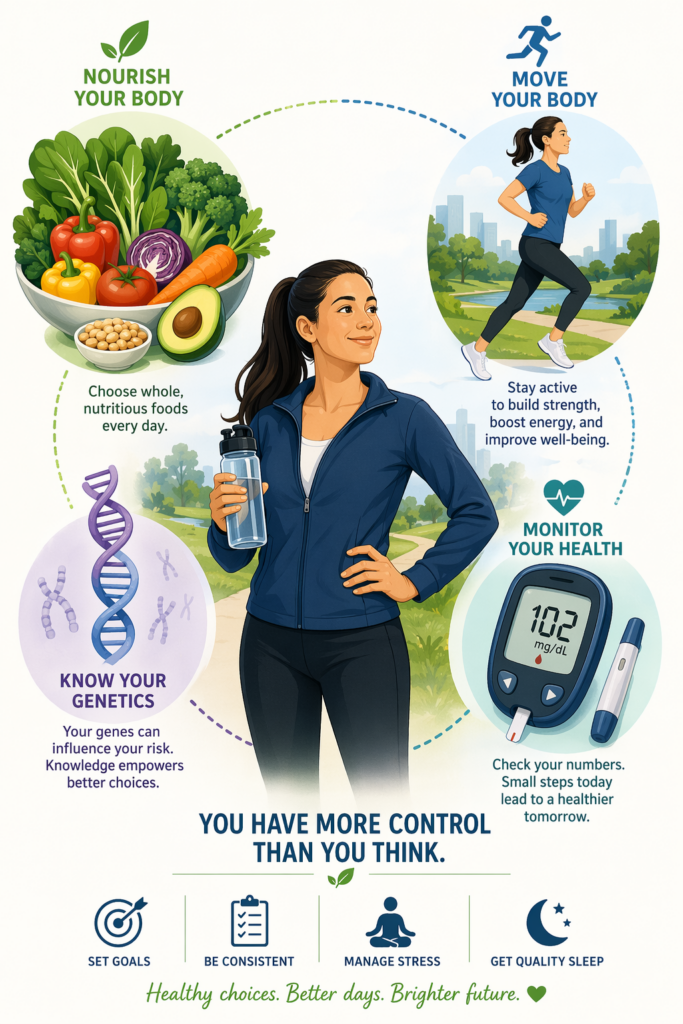
Several risk factors raise your risk of diabetes later on. These include extra body weight, low activity, older age, family history, and certain health conditions. Your body mass index can be one screening clue, though it is only part of the picture. The next sections break these causes down more clearly for easier disease control.
Lifestyle and Dietary Influences
Daily habits can strongly affect how your body handles sugar. Low movement, extra weight, and eating patterns that do not support stable blood sugar can all contribute. Over time, these habits may make insulin resistance worse.
The good news is that lifestyle changes can help. A healthy diet and regular physical activity are key tools. Even modest weight loss can improve how your body uses insulin and lower the chance that prediabetes will move toward type 2 diabetes.
Helpful steps include:
- Follow a balanced diet with non-starchy vegetables, lean proteins, and whole grains
- Limit sugary drinks that can spike blood sugar
- Aim for at least 150 minutes of regular physical activity each week
- Set realistic goals for weight loss and maintaining a healthier routine
Small changes done consistently often work better than drastic plans.
Genetic, Age, and Ethnic Risk Factors
Some risk factors are outside your control, but they still matter. Your age, background, and family history can affect how likely you are to develop prediabetes. Adults age 45 or older face a higher risk, though younger people can develop it too.
A family history of diabetes is another major factor. If a parent or sibling has type 2 diabetes, your odds go up. Women with a history of gestational diabetes, or those who delivered a baby weighing more than 9 pounds, also have a greater chance of later blood sugar problems.
Groups with higher risk include:
- People with a family history of diabetes
- Women with a history of gestational diabetes
- African Americans, Hispanic and Latino Americans, American Indians, Pacific Islanders, and some Asian Americans
Knowing these risks can help you decide when screening makes sense.
Diagnosing Prediabetes in the United States
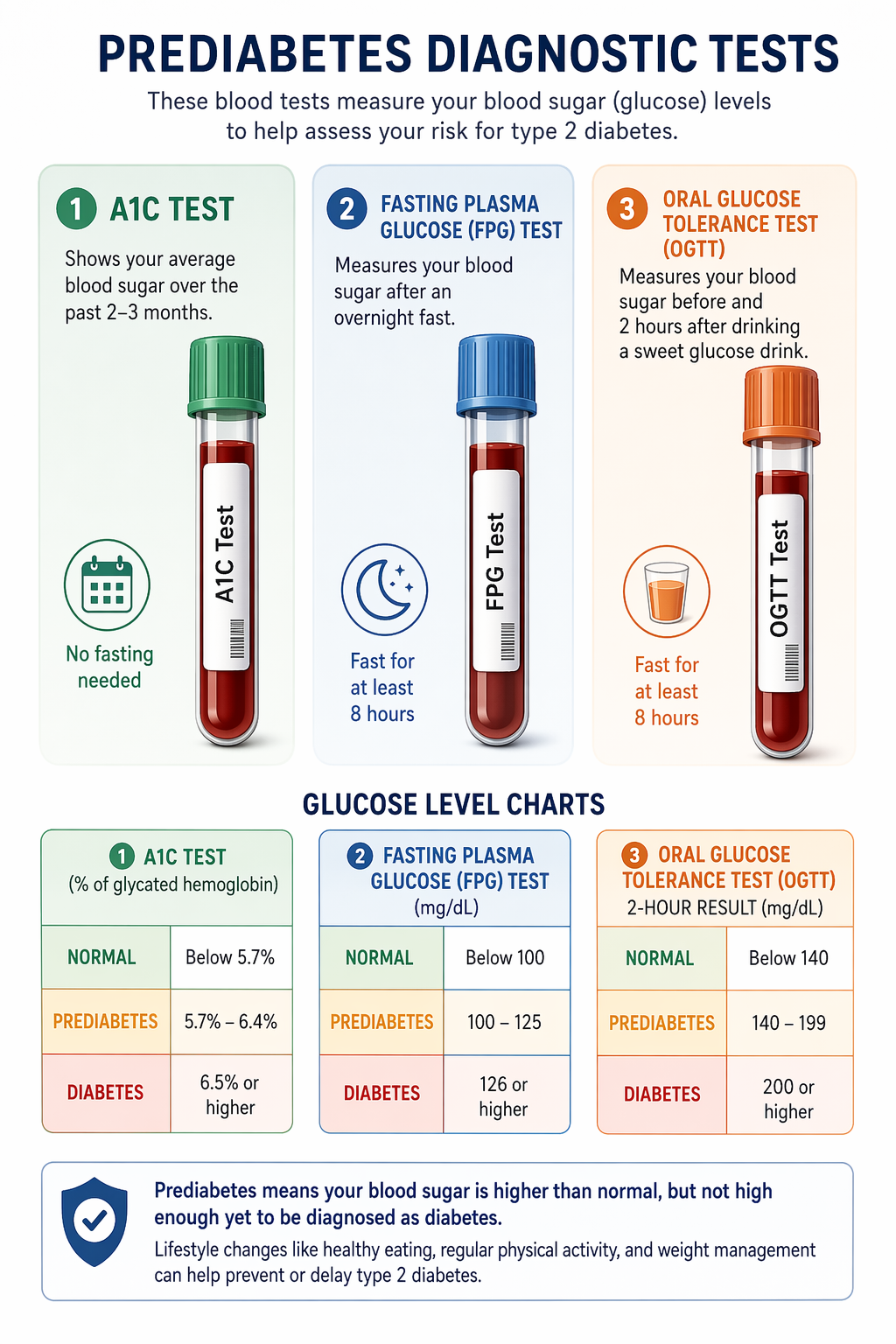
In the United States, prediabetes is usually found through blood tests done at a checkup or screening visit. Healthcare professionals use measures such as A1C, fasting glucose, and the oral glucose tolerance test. These tests show how well your body handles sugar over time or after fasting.
Prediabetes is very common among adults, which is why groups like the diabetes association and the National Diabetes Prevention Program stress early testing.
| Test | Prediabetes range |
|---|---|
| A1C | 5.7% to 6.4% |
| Fasting blood glucose | 100 mg/dL to 125 mg/dL |
| Oral glucose tolerance test | 140 mg/dL to 199 mg/dL after the drink |
Laboratory Tests Healthcare Providers Use
Healthcare providers use three main blood tests to check for prediabetes. Each one looks at blood glucose in a slightly different way. Together, they help show whether your body is staying within normal levels or moving into a higher-risk range.
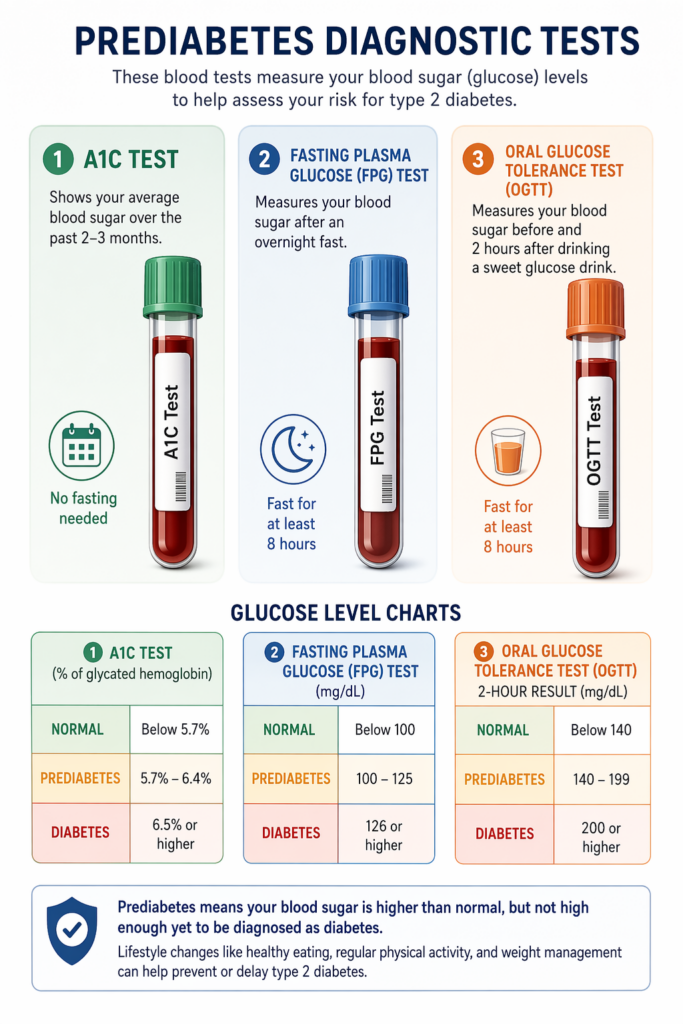
The A1C test estimates your average blood sugar levels over about two to three months. A fasting blood test checks your level after no food or drink for a set period. The oral glucose tolerance test measures how your body responds after a sugary drink.
Here is a simple breakdown:
| Laboratory test | What it measures | Prediabetes result |
|---|---|---|
| A1C | Average blood glucose over 2 to 3 months | 5.7% to 6.4% |
| Fasting blood glucose | Sugar level after fasting | 100 to 125 mg/dL |
| Oral glucose tolerance test | Glucose level after a sugary drink | 140 to 199 mg/dL |
These blood tests help confirm whether follow-up care is needed.
How Frequently You Should Get Screened
Because prediabetes is so common, screening should not be an afterthought. Many people feel normal, so the only way to know is to get tested. A health care provider can help decide when screening makes sense for you.
General guidance from diabetes organizations suggests testing every three years for many adults, especially from age 45 onward. Some people should be checked earlier or more often if they have important risk factors. Public health efforts, including the National Diabetes Prevention Program, focus on finding people early when change is still possible.
You may need earlier or more frequent screening if you have:
- Extra body weight or obesity
- A family history or prior gestational diabetes
- Physical inactivity, high blood pressure, or other risk factors
That matters because prediabetes affects about 1 in 3 adults in the United States.
Conclusion
In conclusion, understanding prediabetes is crucial for taking proactive steps toward your health. By recognizing the early signs and symptoms, along with knowing the risk factors, you can empower yourself to make informed lifestyle choices that can potentially reverse the condition. Monitoring your blood sugar levels regularly and seeking medical guidance can be life-changing. Remember, managing prediabetes is not just about dietary changes; it’s a holistic approach to improving your overall well-being. If you’re ready to take control of your health journey, don’t hesitate to reach out for a free consultation to discuss personalized strategies and support tailored to your needs.
Frequently Asked Questions
Can Prediabetes Be Reversed and How?
The good news is that prediabetes can often improve with consistent action. Modest weight loss, better eating habits, and regular exercise can improve glucose tolerance and lower blood sugar levels. A structured lifestyle change program, such as a diabetes prevention approach, may help many people stay on track.
What Treatments and Lifestyle Changes Help Manage Prediabetes?
Management usually starts with a healthy diet, regular physical activity, and weight goals you can maintain. Aim for about 150 minutes of movement each week. These steps can improve blood glucose control. A diabetes prevention program may also provide support, structure, and coaching that make long-term change easier.
Is Prediabetes a Serious Health Concern If Left Untreated?
Yes. Even before diabetes develops, prediabetes can raise the risk of heart disease and is often linked with high blood pressure and other health problems. Over time, worsening blood sugar issues may contribute to severe complications seen with diabetes, including kidney failure. Early attention gives you a better shot at disease control.
https://pubmed.ncbi.nlm.nih.gov
https://www.ncbi.nlm.nih.gov/pubmed/42196981
https://www.ncbi.nlm.nih.gov/pubmed/42082865
https://www.cdc.gov/diabetes/es/prevention-type-2/la-sorprendente-verdad-sobre-la-prediabetes.html