


The Role of Pain Management and Drugs in Treatment Options

Key Highlights
- Pain management often works best when you combine pain medications with non-drug therapies for better pain relief.
- Your treatment options depend on the cause, level, and type of pain you are experiencing.
- Common pain medications include NSAIDs, acetaminophen, certain antidepressants, anticonvulsants, muscle relaxants, and prescription opioids.
- Opioid use can help severe short-term pain, but it carries serious risks and limits.
- Non-drug therapies such as physical therapy, massage therapy, and TENS can support pain relief.
- Safe use matters, including correct dosing, follow-up, and watching for side effects.
Introduction
Pain can change how you move, sleep, work, and enjoy daily life. That is why pain management is about more than just taking a pill. It involves finding safe pain relief that matches your needs and goals. Today, there are many treatment options, from over-the-counter medicines to prescription drugs, injections, and non-drug care. When you understand how these choices work, you can have better conversations with your doctor and make informed decisions about your care.
Understanding Pain and Its Types
Pain is not all the same. The main types of pain include acute pain, subacute pain, and chronic pain. Acute pain often starts after injury, surgery, trauma, or infection. It usually improves as your body heals.
Chronic pain lasts more than three months and may come from disease, inflammation, medical treatment, or an unclear cause. You may also hear about nerve pain, which can feel burning or shooting. Back pain, including low back pain, is one common example. These differences shape treatment choices.
Acute vs Chronic Pain: Key Differences
Acute pain usually has a clear cause, such as surgery, a broken bone, or infection. It lasts less than a month, though some pain continues into a subacute phase for one to three months. In many cases, pain signals settle down as healing happens.
Chronic pain is different. It lasts longer than three months and may be linked to ongoing health conditions, inflammation, injury, or even an unknown cause. This type of pain can affect physical function, mood, and daily routines for a long time.
Because these are different types of pain, medication plans differ too. Acute pain may respond to short-term use of NSAIDs, acetaminophen, or sometimes opioids for severe pain. Chronic pain often relies more on nonopioid treatment, including certain antidepressants or anticonvulsants, because long-term opioid use brings more risk and may help less with nerve-related pain.
How Pain Is Diagnosed in Clinical Settings
Pain diagnosis starts with a careful discussion about where it hurts, how long it has lasted, and what the pain feels like. Your doctor also looks at the cause of your pain, your daily limits, and whether the problem seems related to muscles, joints, or the nervous system.
In some cases, doctors use injections not just for pain treatment but also to learn more about the source of pain. Facet joint injections, for example, may help identify whether certain joints are sending pain signals. Imaging guidance such as X-ray or ultrasound is often used for accuracy and safety.
Clinical settings focus on evaluation rather than guesswork. Your doctor reviews symptoms, health history, and medicine response before choosing a plan. While clinical trials help shape broader care, your own pain diagnosis depends on an individual assessment and clear follow-up.
Foundations of Pain Management
Good pain management begins with one goal: safe, effective pain relief that helps you function better each day. That means reducing discomfort while also improving movement, sleep, and routine activities.
The treatment of pain may involve medicines, procedures, and supportive therapies. Some approaches reduce pain messages before they reach the brain, while others ease inflammation or muscle spasm. The best starting point is a plan built around your symptoms, goals, and response to care. That leads naturally into how individualized treatment works.
Individualized Pain Management Plans
No single treatment works for everyone. Pain management depends on the type of pain, how long it has lasted, what seems to trigger it, and the level of pain you report. Doctors also consider whether the pain limits walking, sleep, work, or other daily tasks.
That is why individualized plans matter. Your doctor may combine over-the-counter medicines, prescription drugs, topical products, injections, or non-drug care based on your needs. Treatment goals are not just about lowering pain numbers. They also focus on pain control and better function.
For many people, the real target is improved quality of life. You and your doctor should talk about what progress looks like for you. That may mean less pain at rest, easier movement, or being able to do everyday activities with fewer limits and fewer side effects.
Multimodal Approaches in Pain Treatment
Many people get better results when treatment of pain uses more than one method. This is often called multimodal therapy. Instead of depending on a single drug, care combines tools that work in different ways to improve pain relief and function.
A multimodal plan may use pain relievers along with therapies that support healing and movement. This can lower the need for stronger medicines and may reduce side effects over time.
Examples of non-drug options include:
- Physical therapy to improve strength, motion, and daily function
- Massage therapy, acupuncture, or guided meditation for symptom support
- Transcutaneous electrical nerve stimulation to distract from painful symptoms
This kind of layered approach gives you more treatment options and often fits chronic pain care better than medicine alone.
Common Medications for Pain Relief
Several pain medications are used for pain relief, and each serves a different purpose. Common groups include NSAIDs, acetaminophen, muscle relaxants, antidepressants, anticonvulsants, topical agents, and opioids. Your doctor chooses among them based on the cause and type of pain.
Medication choices also depend on safety. Some drugs work well for muscle or joint pain, while others help more with nerve-related symptoms. The next sections break down the most common options, starting with non-opioid medicines.
Non-Opioid Pain Medications: NSAIDs, Acetaminophen, and Others
The most commonly used medications for pain management often start with non-opioid pain medications. NSAIDs such as ibuprofen, aspirin, diclofenac, Celebrex, and meloxicam are often used for muscular, bone, and arthritic pain. Acetaminophen is another common choice and is widely available over the counter.
These medicines can help, but side effects matter. NSAIDs may affect the kidneys, cause bleeding, lead to gastric ulcers, and raise blood pressure or other heart risks with long-term use. Acetaminophen can cause liver damage if you take more than the recommended daily amount.
| Medication type | Common uses | Key risks or side effects |
|---|---|---|
| NSAIDs | Acute muscular, bone, arthritic pain | Kidney effects, bleeding, gastric ulcers, blood pressure and heart risks |
| Acetaminophen | General pain relief | Liver damage if daily limits are exceeded |
| Muscle relaxants | Acute muscle spasm | Drowsiness, dizziness |
Prescription Opioids: Uses and Limitations
Prescription opioids include medicines such as hydrocodone, oxycodone, and morphine. These pain medications can reduce severe pain, especially in acute settings. They may help after surgery, trauma, or other short-term painful events when safer options are not enough.
Still, opioid use has clear limits. For chronic pain, they may be less effective for nerve-related pain and may require a higher dose over time. Long-acting opioids are rarely recommended for chronic pain conditions because the balance of benefit and harm can shift quickly.
Key points to remember:
- Benefits may include short-term relief of severe pain
- Side effects of opioids include constipation, nausea, sleepiness, and breathing problems
- The risk of addiction is higher in some people, especially with a personal or family history of substance use
Opioid Therapy in Pain Management
Opioid medications remain one part of pain management, but they are not the first or best answer for every patient. They can be useful when pain is severe and other treatments do not provide enough relief, especially in acute situations.
At the same time, opioid use requires caution because of serious side effects, physical dependence, and the possibility of opioid addiction. Understanding how these drugs act in the body and where risks appear can help you use them more safely and ask better questions.
How Opioids Work to Alleviate Pain
Opioids work by binding to receptors in the brain and body. This lowers the intensity of pain signals traveling toward the brain. In simple terms, they do not remove the cause of pain, but they can change how strongly pain is felt.
These drugs also affect the spinal cord, where pain signals are processed before moving upward. That is one reason opioid use can be powerful for short-term severe pain. Still, they usually do not erase all pain, and they may not work as well for nerve-related conditions.
Because opioids affect important body systems, serious side effects can happen. Breathing can slow down, which is one of the biggest dangers. Sleepiness, dizziness, nausea, and constipation are also common. That is why doctors often use the lowest effective dose and monitor patients closely.
Evaluating the Benefits and Potential Risks of Opioid Use
Opioid therapy can offer benefits, especially when pain is severe and short-term control is needed. For some people with chronic pain, opioids may also provide partial relief when used appropriately. Even then, the goal is usually improved function, not complete pain removal.
The risks increase with longer use. A person may develop physical dependence, meaning the body adapts to the medicine. If it is stopped suddenly, withdrawal symptoms can follow. Tolerance can also develop, so the same dose may feel less effective over time.
Important risks and benefits include:
- Benefit: short-term relief for severe pain
- Risk: risk of addiction in people with certain histories or vulnerabilities
- Risk: withdrawal symptoms such as nausea, vomiting, sweating, abdominal pain, or diarrhea if opioids are stopped abruptly
Alternative Drug Options Beyond Opioids
If opioids are not the right fit, other medicines may still support pain control. These alternative pain medications are often used in chronic pain care, especially when nerve symptoms are involved or when long-term opioid use would create too much risk.
Common treatment options include antidepressants, anticonvulsants, topical medicines, and local injections. Each works differently, and some must be taken every day to be effective. The next two sections explain how these options are used and what to watch for.
Antidepressants and Anticonvulsants for Pain Control
Certain antidepressants can help with pain control, even at lower doses than those used for depression. These include tricyclic antidepressants and norepinephrine reuptake inhibitors. They are especially useful for neuropathic pain and other nerve-related symptoms.
Anticonvulsants are another option. These drugs, often used for seizures, can help burning or shooting nerve pain. Like antidepressants, they are not meant to be taken only when pain appears. They need regular use so levels build in the body over time.
Side effects can include sleepiness, dry mouth, weight gain, or abdominal pain, depending on the drug. Some medicines are not recommended with glaucoma, kidney stones, or kidney disease. That is why your doctor reviews your health conditions before prescribing them and may adjust the dose slowly.
Topical Agents and Nerve Block Injections
Topical agents offer local treatment right where you hurt. These may come as creams, ointments, or patches placed over the painful area. Lidocaine patches, for example, release medicine into deeper tissue and may support pain relief without affecting the whole body in the same way as oral drugs.
Nerve block procedures are another targeted option. They are often done on an outpatient basis with X-ray or ultrasound guidance. Depending on the source of pain, a doctor may inject local anesthetic or steroid near nerves, joints, muscles, or the epidural space.
Examples include:
- Epidural steroid injections for low back pain or neck pain that travels into the limbs
- Trigger point injections for painful muscles
- Sympathetic nerve block procedures for certain nerve-related pain, including CRPS
Non-Drug Strategies in Pain Management
Medicine is only one part of good pain management. Non-drug therapies can support pain relief, improve movement, and help you rely less on stronger drugs. For many people with chronic pain, these approaches work well as part of a broader care plan.
Common options include physical therapy, massage therapy, guided meditation, acupuncture, aqua therapy, exercise, and TENS. These methods do not treat every type of pain the same way, but they can make daily life easier and improve function over time.
Physical Therapy, Mind-Body, and Lifestyle Approaches
Non-drug options for pain management can be very practical. Physical therapy is one of the most common choices because it helps improve strength, flexibility, and everyday function. It is often recommended for chronic pain, low back pain, and recovery after injury.

Mind-body therapy can also help some people cope better with symptoms. Guided meditation and cognitive behavioral therapy are used to support how you respond to pain and how it affects your routine. These approaches do not replace medical care, but they can strengthen it.
You may also discuss lifestyle changes and supportive therapies such as:
- Massage therapy for muscle tension and soreness
- Exercise to improve mobility and function
- Transcutaneous electrical nerve stimulation for symptom distraction around painful areas
Safe Use of Pain Relievers
Pain relievers can help a lot, but safe use matters every time. Whether you use over-the-counter or prescription medicine, proper drug administration lowers the chance of harm. That means following directions, watching for side effects, and staying within the recommended dose.
Problems often start when people take more than directed, combine unsafe medicines, or keep using a drug that is not helping. To avoid misuse, you should know what your medicine is for, how often to take it, and when to call your doctor.
Guidelines for Using Over-the-Counter and Prescription Drugs
Pain relievers should be taken exactly as directed by your doctor or the product label. Over-the-counter medications such as ibuprofen, naproxen, and acetaminophen can be effective for many common pain problems. Prescription medicines may be needed for more complex cases, but they require closer follow-up.
Safe use also means checking what is inside each product. Some opioid combinations contain acetaminophen, so taking extra acetaminophen at the same time can raise the risk of liver damage. If you have questions, your doctor or pharmacist is the right source.
Helpful safety steps include:
- Stay within the recommended dose and daily limits
- Do not mix opioids with alcohol or benzodiazepines
- Follow up early after starting new prescription medicines
- Use trusted health information from secure websites and an official government organization or gov website when reviewing medicine guidance
Recognizing and Preventing Misuse or Overdose
Misuse happens when medicine is taken in a way other than prescribed. With opioid use, this can increase the chance of overdose, breathing problems, and long-term harm. People with personal or family histories of substance use disorders may face greater risk and may need closer monitoring.
Overdose concerns are serious because opioids can slow breathing. Misuse can also appear when someone increases the dose without approval, keeps taking the drug despite harm, or uses it compulsively. Withdrawal symptoms after stopping suddenly are different from addiction, but they still need medical guidance.
Watch for these warning signs:
- Extreme sleepiness, slowed breathing, or confusion
- Taking more medicine than prescribed
- Craving or compulsive use despite harm
- Withdrawal symptoms such as sweating, nausea, vomiting, abdominal pain, or diarrhea after abrupt reduction
Special Considerations for Different Populations
Pain management should match the person receiving care. Adults, children, and elderly patients may respond differently to the same medicine, and medication choices often need adjustment based on age, size, and other medical factors.
This is especially important in the treatment of chronic pain, where long-term safety matters. Doctors look at side effects, other health conditions, and how well a person can tolerate a drug. The next sections explain how age can shape dosing, monitoring, and treatment planning.
Adults vs Children: Medication Choices and Dosages
Adults and children do not always receive the same pain medicines in the same way. Medication choices and dosages are based on the patient, the type of pain, and the care setting. In general, doctors individualize treatment rather than applying one fixed plan to everyone.
For adults, chronic pain treatment may include a wider range of long-term options such as antidepressants, anticonvulsants, injections, or closely monitored opioids. The compiled information does not provide pediatric dosing details, so any decisions for children require direct medical guidance and careful review of sensitive information.
| Group | General medication approach | Key consideration |
|---|---|---|
| Adults | Broader pain management options for acute and chronic pain | Must balance benefit, side effects, and long-term safety |
| Children | Individual medical assessment required | Dosages must be determined by a clinician |
| Both | Treatment depends on pain type and severity | Never self-adjust doses |
Pain Management in Elderly Patients
In elderly patients, pain management often requires extra caution. Older adults may have more health conditions and may be more sensitive to medication side effects such as dizziness, drowsiness, constipation, or stomach problems. These effects can interfere with safety and daily function.
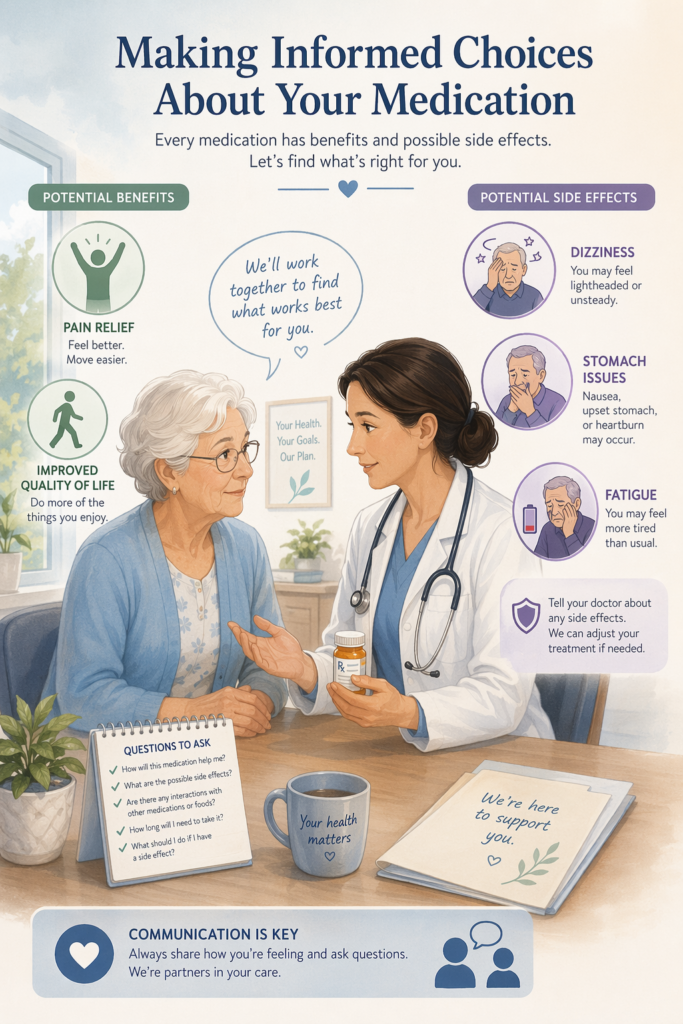
That is why doctors usually review the full picture before choosing treatment. Kidney issues, heart risks, glaucoma, and other medical concerns can change which drugs are safer. A medicine that works well for one adult may not be the best choice for an older patient.
A thoughtful plan may include lower-risk medicines, careful monitoring, and non-drug support such as physical therapy. While a clinical practice guideline helps shape safer care, individual response still matters most. The goal is steady relief with fewer complications and better day-to-day function.
Conclusion
In conclusion, pain management is a multifaceted approach that requires a deep understanding of the various types of pain and the best treatment options available. From individualized plans that combine medications with non-drug strategies to the careful consideration of opioids and alternative therapies, it’s essential to tailor solutions to each person’s unique needs. Whether you are exploring non-opioid medications, topical agents, or lifestyle changes, the goal remains the same: effective pain relief while minimizing risks. If you have further questions or need tailored advice on managing your pain, don’t hesitate to reach out for a consultation. Your journey toward better pain management starts today!
Frequently Asked Questions
Can over-the-counter medications effectively manage chronic pain?
Over-the-counter medications can help some people with chronic pain, especially for mild to moderate symptoms. Common counter pain relievers such as acetaminophen, ibuprofen, and naproxen may offer pain relief, but they are not right for every condition. Long-term use should be reviewed with your doctor.
What are signs of opioid misuse or overdose?
Signs of opioid misuse include taking more than prescribed, compulsive opioid use, and continuing despite harm. Overdose warning signs include extreme sleepiness, slowed breathing, and confusion. Withdrawal symptoms after sudden stopping can include sweating, nausea, vomiting, diarrhea, and abdominal pain. They are not the same as addiction.
When should I talk to my doctor about changing my pain medication?
Talk to your doctor if your pain medication is not improving your level of pain, if side effects are interfering with daily life, or if you feel you need more than prescribed. Do not adjust treatment of pain on your own. Use secure websites only for general education, not personal dosing decisions.